
In today’s fast-paced digital economy, a debit card is more than just a piece of plastic; it’s a critical tool for managing your personal finances. From daily purchases and ATM withdrawals to online subscriptions and bill payments, your debit card facilitates countless transactions, making it an indispensable part of your financial life. So, when your Chase debit card is lost, stolen, damaged, or simply expires, knowing how to promptly secure a replacement is essential to maintaining uninterrupted access to your funds and financial stability.
Navigating the process of obtaining a new debit card might seem daunting, but Chase, as one of the largest financial institutions, has streamlined its procedures to make it as convenient and secure as possible for its account holders. This comprehensive guide will walk you through the various scenarios that necessitate a new card, detail the steps to request one, explain what to expect during the process, and provide crucial advice on securing your new card and managing your finances effectively. Our aim is to equip you with the knowledge to confidently and efficiently replace your Chase debit card, ensuring your financial operations remain smooth and secure.

Common Scenarios Requiring a New Debit Card
Understanding why you might need a new debit card is the first step in addressing the issue. While some situations are unexpected and urgent, others are routine and can be prepared for in advance.
Lost or Stolen Card
This is perhaps the most urgent scenario. Discovering your debit card is missing or realizing it has been stolen demands immediate action. The primary concern here is preventing unauthorized access to your funds and identity theft. In such cases, the priority is not just to replace the card but to secure your account against potential fraudulent activity. Chase offers robust protocols for reporting lost or stolen cards, which typically involve deactivating the old card immediately to mitigate risk. Acting quickly can save you significant financial headaches and protect your personal information from compromise.
Expired Card
Unlike the urgency of a lost or stolen card, an expiring debit card is a predictable event. Debit cards typically have an expiration date, usually printed on the front of the card, indicating when they will no longer be valid for transactions. Fortunately, for most active accounts, Chase proactively sends out a new card before the old one expires. This automatic renewal process is designed to ensure seamless continuity of your financial services. However, it’s always wise to confirm your mailing address is current with Chase to ensure the new card arrives without delay. If you haven’t received a new card within a couple of weeks of your current card’s expiration, it’s a good idea to contact Chase.
Damaged or Malfunctioning Card
Physical wear and tear can render a debit card unusable. This could manifest as a cracked card, a bent chip, a scratched magnetic stripe, or even an unreadable printed number. When your card consistently fails at point-of-sale terminals, ATMs, or online payment gateways due to damage, it’s time for a replacement. A malfunctioning chip or magnetic stripe can be incredibly frustrating, hindering your ability to make essential purchases or access cash. In these instances, the card itself is intact, but its functionality is compromised, warranting a request for a new, fully operational card.
Security Concerns or Suspected Fraud
Even if your physical card is still in your possession, you might need a new one if you suspect your card number or account details have been compromised. This could be due to a data breach at an online retailer, suspicious transactions appearing on your statement, or even falling victim to a phishing scam. In these situations, obtaining a new card with a new number is a crucial step in re-establishing your account’s security and preventing future unauthorized activity. Chase takes security seriously and will guide you through the process of investigating suspicious activity while simultaneously issuing a new card to safeguard your funds.
Navigating the Replacement Process with Chase
Chase offers several convenient methods for requesting a new debit card, catering to different preferences and urgency levels. Each option is designed to be user-friendly and secure.
Online Banking Portal
For many, the most convenient way to order a replacement debit card is through Chase’s robust online banking platform or its mobile app. This method allows you to initiate the request from anywhere, at any time.
- Log In: Access your Chase account using your secure login credentials.
- Navigate to Account Services: Look for a section related to “Customer Service,” “Account Services,” or “Card Services.” The exact wording might vary slightly between the website and the app.
- Select Debit Card Options: Within this section, you should find an option to “Replace a Card,” “Order a New Card,” or “Report Lost/Stolen Card.”
- Follow Prompts: The system will guide you through confirming your mailing address and selecting the reason for the replacement. For lost/stolen cards, it will also confirm deactivation of the old card.
- Confirm Request: Review all details before submitting your request. You’ll typically receive an confirmation message or email. This method is ideal for non-urgent replacements like damaged or expired cards.
Phone Support
If you prefer speaking with a representative or need to report a lost/stolen card immediately, Chase’s customer service line is your best bet. This is often the quickest way to deactivate a compromised card.
- Call Chase: Dial the customer service number found on the back of your existing card (if available), on Chase’s official website, or through the mobile app. For lost/stolen cards, there’s usually a dedicated 24/7 hotline.
- Verify Your Identity: Be prepared to provide personal information to verify your identity, such as your account number, date of birth, Social Security Number, and answers to security questions.
- Explain Your Need: Clearly state that you need a new debit card and explain the reason (lost, stolen, damaged, expired, security concern).
- Confirm Details: The representative will confirm your mailing address and shipping preferences. They can also answer any questions you might have about the process or security.
This personal interaction can be reassuring, especially during stressful situations like a lost or stolen card.
Visiting a Chase Branch
For those who prefer face-to-face assistance or require a temporary card immediately, visiting a local Chase branch is an excellent option.
- Locate a Branch: Use the Chase website or app to find the nearest branch location.
- Bring ID: Remember to bring a valid form of government-issued identification (e.g., driver’s license, passport) as branch staff will need to verify your identity.
- Speak with a Banker: Explain your need for a new debit card. In many cases, Chase branches have the capability to print a temporary debit card on the spot, which can be incredibly useful if you need immediate access to funds. This temporary card usually has limited functionality (e.g., no tap-to-pay) and will be replaced by your permanent card in the mail. This option is particularly beneficial for urgent replacements.
Specifics for Business Debit Cards
The process for replacing a Chase Business Debit Card is largely similar to personal accounts. Business account holders can typically use the online banking portal, phone support, or visit a branch. However, it’s important to note that depending on the business structure and account setup, additional authorization or specific personnel (e.g., the primary account holder or an authorized signer) may be required to request a replacement. Always verify the specific requirements for your business account to ensure a smooth process.
What to Expect After Ordering Your New Card
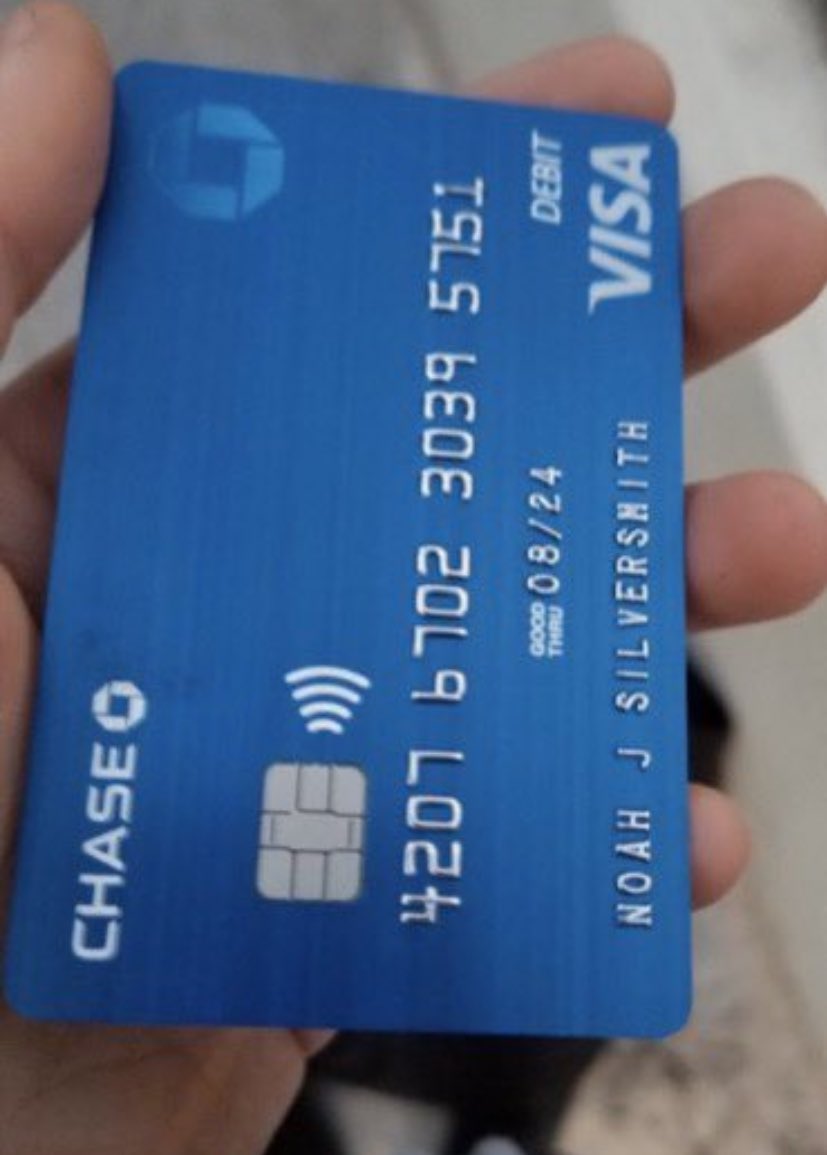
Once you’ve successfully requested a new debit card, there are a few important steps and considerations to keep in mind until your new card is fully operational.
Delivery Timeframes
The typical delivery time for a standard replacement debit card is 5-7 business days. This can vary based on your location and the postal service. If you opted for expedited shipping (which may incur a fee), your card could arrive within 1-3 business days. It’s crucial to monitor your mail during this period. If your card doesn’t arrive within the expected timeframe, contact Chase customer service. Also, ensure your mailing address on file with Chase is accurate to prevent delivery issues.
Activating Your New Card
Upon receiving your new debit card, it will need to be activated before you can use it. This is a critical security measure to prevent unauthorized use if the card falls into the wrong hands before it reaches you. Chase provides several convenient activation methods:
- Phone Activation: Call the activation number printed on a sticker on your new card or in the accompanying letter. You will typically be asked to verify your identity.
- Online Banking/Mobile App: Log in to your Chase account and look for an “Activate Card” option in the card services section.
- ATM: Insert your new card into a Chase ATM, enter your PIN (if you’re keeping your old PIN or have been issued a new one), and perform a transaction like a balance inquiry.
Activating your card promptly ensures you can continue to use your account without interruption.
Updating Recurring Payments
This is one of the most frequently overlooked but vital steps. Many people have their debit card linked to various recurring payments and subscriptions, such as utility bills, streaming services, gym memberships, and online shopping accounts. When you get a new debit card, especially if the card number or expiration date has changed, you must update this information with each vendor. Failure to do so could lead to failed payments, service interruptions, late fees, or even account suspension. Make a list of all services linked to your old card and update them immediately after activating your new one.
Disposing of Your Old Card Securely
Once your new card is activated and all recurring payments are updated, it’s imperative to dispose of your old debit card securely. Simply throwing it in the trash is a security risk, as your old card may still contain sensitive information like your name, account number, or partial card number that could be exploited by fraudsters. The best practice is to cut the card into several pieces, making sure to cut through the magnetic stripe, the chip, and the account numbers. This renders the card unusable and protects your personal financial data.
Proactive Measures and Best Practices for Debit Card Security
While getting a new debit card is straightforward, proactive security measures can minimize the need for replacements due to fraud or compromise and keep your finances safe.
Regular Account Monitoring
Make it a habit to regularly review your Chase account statements and transaction history, either through online banking or the mobile app. Look for any unfamiliar transactions, no matter how small. Even minor unauthorized charges could be a test by fraudsters to see if a card is active before attempting larger fraudulent purchases. Promptly reporting any suspicious activity to Chase is crucial.
Safeguarding Your PIN
Your Personal Identification Number (PIN) is the key to your debit card’s security for ATM withdrawals and point-of-sale transactions. Never write your PIN down, especially not on the card itself or in your wallet. Memorize it and avoid using easily guessable numbers like your birthdate or sequential digits. Be discreet when entering your PIN at ATMs or payment terminals, shielding the keypad from view.
Using Digital Wallets
Embrace the enhanced security offered by digital wallets such as Apple Pay, Google Pay, and Chase Pay. When you use your debit card through these services, your actual card number is not transmitted to the merchant. Instead, a unique, encrypted token is used for each transaction, significantly reducing the risk of your card information being compromised during a breach at a retailer. Many digital wallets also require biometric authentication (fingerprint, face ID) for an extra layer of security.
Travel Notifications
If you plan to travel, especially internationally, it’s wise to inform Chase of your travel dates and destinations in advance. Financial institutions monitor for unusual spending patterns to prevent fraud. If your card suddenly shows transactions in a foreign country without prior notification, Chase’s fraud detection system might flag it as suspicious and temporarily freeze your card to protect your account. A quick travel notification can prevent inconvenient card denials while you’re away from home.
Understanding Fraud Protection
Familiarize yourself with Chase’s fraud protection policies, particularly their Zero Liability Protection. This policy typically means you won’t be held responsible for unauthorized transactions made with your debit card if you report them promptly. While this offers peace of mind, it underscores the importance of regularly monitoring your account and reporting any suspicious activity as soon as you notice it. Knowing your rights and the protections offered by your bank is a vital part of responsible financial management.
Conclusion
A functional Chase debit card is central to managing your daily finances, providing convenient access to your funds for purchases, withdrawals, and online transactions. Whether you’re dealing with a lost card, an expiring one, or a damaged piece of plastic, Chase offers multiple straightforward avenues for obtaining a replacement. By utilizing online banking, phone support, or visiting a branch, you can quickly secure a new card and restore your financial capabilities.
Beyond simply replacing your card, adopting proactive security measures is paramount. Regularly monitoring your transactions, safeguarding your PIN, leveraging digital wallets, and understanding Chase’s fraud protection policies are all essential steps in maintaining the integrity of your account. By following the advice in this guide, you not only ensure uninterrupted access to your funds but also fortify your personal finances against the ever-present threats of fraud and identity theft. A new debit card is just a few steps away, empowering you to continue managing your money with confidence and peace of mind.
aViewFromTheCave is a participant in the Amazon Services LLC Associates Program, an affiliate advertising program designed to provide a means for sites to earn advertising fees by advertising and linking to Amazon.com. Amazon, the Amazon logo, AmazonSupply, and the AmazonSupply logo are trademarks of Amazon.com, Inc. or its affiliates. As an Amazon Associate we earn affiliate commissions from qualifying purchases.