
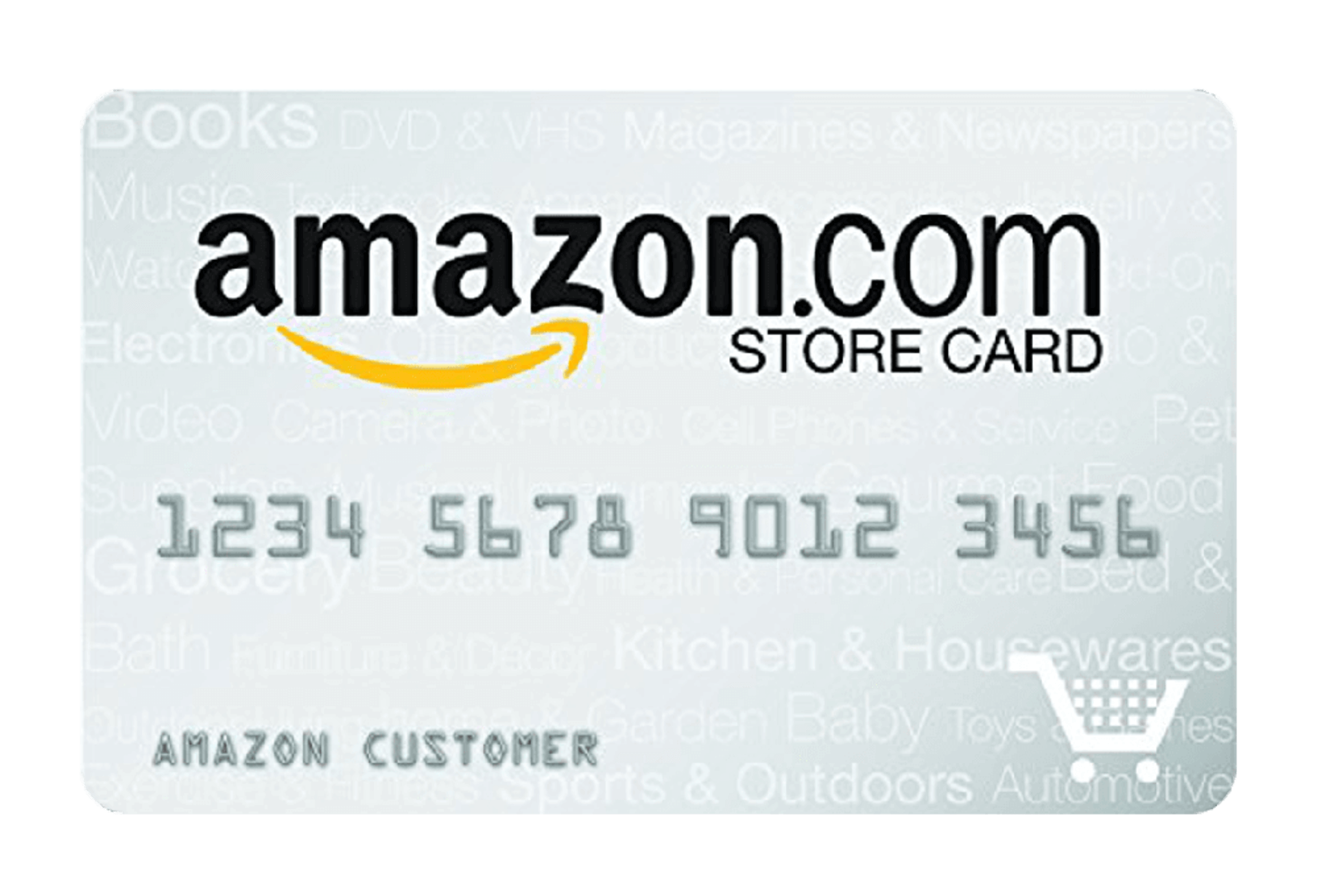
The Amazon Store Card is a specialized financial tool designed primarily for a single, expansive ecosystem: Amazon.com. Unlike general-purpose credit cards that can be used almost anywhere, the Amazon Store Card offers targeted benefits and simplified usage, but within strict boundaries. Understanding these parameters is crucial for consumers looking to leverage its financial advantages while navigating its limitations. This card is a prime example of a store-specific credit product, aligning perfectly with a focused spending strategy within the Amazon universe.
The Exclusive Domain of the Amazon Store Card
The fundamental characteristic of the Amazon Store Card is its exclusivity. It is issued by Synchrony Bank and is not part of the major payment networks like Visa, Mastercard, or American Express. This means its utility is confined almost entirely to Amazon’s direct retail operations and certain associated digital services. For individuals who frequently shop on Amazon, this card can be a valuable addition to their financial toolkit, offering rewards and financing options unavailable through other payment methods on the platform.

Amazon.com Purchases: The Primary Arena
The most straightforward and frequent use case for the Amazon Store Card is for purchases made directly on Amazon.com. This includes a vast array of products, from electronics and books to household goods and apparel. When you check out on Amazon, the Amazon Store Card appears as an available payment option, seamlessly integrating into the shopping experience.
This primary arena extends to various facets of the Amazon online marketplace:
- Physical Goods: Any item sold directly by Amazon or by third-party sellers fulfilled by Amazon, available on the main Amazon.com website.
- Digital Products: This encompasses Kindle e-books, Amazon Music subscriptions, Amazon Prime Video rentals and purchases, and other digital content offered directly through Amazon.
- Amazon Fresh & Whole Foods Market (with caveats): While the Amazon Prime Rewards Visa Signature Card is generally accepted at Whole Foods Market, the Amazon Store Card itself is primarily designed for online use. For Amazon Fresh (grocery delivery service), it is accepted for online orders. It’s important for cardholders to verify specific acceptance at physical Amazon Go stores or Whole Foods locations, as the Store Card’s utility in physical retail environments is far more limited than its general-purpose Visa counterpart. Generally, it shines brightest within the digital cart of Amazon.com.
Digital Content and Services
Beyond physical products, the Amazon Store Card is a convenient method for managing your recurring Amazon-related digital expenses. This includes:
- Subscriptions: Payments for Amazon Prime membership (though typically better financed through an annual lump sum using a different rewards card), Amazon Music Unlimited, Kindle Unlimited, or Audible subscriptions.
- Digital Rentals & Purchases: Movies and TV shows purchased or rented through Amazon Prime Video, apps from the Amazon Appstore, or games.
- Cloud Storage: Payments for Amazon Web Services (AWS) personal accounts or Amazon Drive storage plans.
For users deeply embedded in the Amazon digital ecosystem, consolidating these recurring payments onto the Amazon Store Card can simplify financial tracking and potentially earn rewards, if eligible.
Maximizing Your Financial Advantages
While limited in scope, the Amazon Store Card offers compelling financial incentives that can significantly benefit frequent Amazon shoppers, particularly Amazon Prime members. These advantages are designed to deepen customer loyalty and encourage spending within the Amazon platform.
Unlocking Prime Member Rewards: 5% Back
One of the most attractive features of the Amazon Store Card, especially for Amazon Prime members, is the opportunity to earn 5% back on eligible Amazon.com purchases. This benefit effectively translates to a 5% discount on a substantial portion of your Amazon spending. For non-Prime members, the standard reward rate is lower or non-existent, making the 5% back a significant incentive to either become a Prime member or consider a different rewards card.
This 5% back is often issued as a statement credit, reducing your overall bill, or as rewards points that can be redeemed for future Amazon purchases. For households that spend hundreds or thousands of dollars annually on Amazon, this reward rate can amount to considerable savings over time, making the card a financially smart choice for dedicated Amazon shoppers.
Special Financing Offers and Promotional Savings
Beyond the regular 5% back, the Amazon Store Card frequently provides special financing options on eligible purchases. These promotions often involve deferred interest for a specified period (e.g., 6, 12, or 24 months) on purchases above a certain threshold. This means if you pay off the entire balance before the promotional period ends, you pay no interest.
These financing offers can be particularly beneficial for larger purchases, allowing consumers to spread out payments without incurring immediate interest charges. However, it is crucial to understand the terms: if the balance is not paid in full by the end of the promotional period, interest is typically charged retroactively from the original purchase date. This “deferred interest” clause requires diligent financial management to avoid potentially high interest costs.
Additionally, cardholders may receive exclusive promotional discounts or early access to sales events, providing further opportunities for savings that are not available to general Amazon shoppers.
Building Credit with Responsible Use
Like any credit card, the Amazon Store Card can serve as a tool for building or improving credit, provided it is used responsibly. Paying your bills on time and keeping your credit utilization low (i.e., not using too much of your available credit) are critical factors in establishing a positive credit history. The issuer, Synchrony Bank, reports payment activity to major credit bureaus. For individuals with limited credit history, obtaining a store card like the Amazon Store Card can be an entry point into the credit ecosystem, eventually paving the way for more general-purpose credit cards with broader utility.
Understanding the Limitations: Where It Cannot Be Used
Despite its advantages within the Amazon ecosystem, it’s equally important to grasp the significant limitations of the Amazon Store Card. Its “store card” designation implies a narrow scope, and attempting to use it outside its designated channels will result in declined transactions.
General Retailers and Non-Amazon Websites
The most significant limitation is that the Amazon Store Card cannot be used at any retailer or website that is not directly part of the Amazon.com payment network. This includes:
- Other Online Retailers: Walmart, Target, eBay, Nordstrom, etc.
- Physical Stores: Grocery stores, gas stations, restaurants, department stores, or any brick-and-mortar establishment (unless it is an Amazon-branded physical store where the Store Card is explicitly accepted, which is rare outside of Amazon Go).
- Bill Payments: Utility bills, rent, or other services outside of Amazon’s direct billing.
This strict limitation means the Amazon Store Card cannot serve as an everyday payment method; it is a specialist tool for a specific vendor.
Cash Advances and ATM Withdrawals
As a closed-loop store card, the Amazon Store Card does not support cash advances or ATM withdrawals. These functionalities are typically reserved for general-purpose credit cards and are not part of the product design for proprietary store cards. Attempting to use it for such transactions will not be possible.
Differentiating from the Amazon Prime Rewards Visa Signature Card
It is crucial to distinguish the Amazon Store Card from the Amazon Prime Rewards Visa Signature Card, which is a general-purpose credit card issued by Chase. While both offer rewards on Amazon purchases (with the Visa card also providing rewards elsewhere), the Visa card can be used anywhere Visa is accepted worldwide. The Amazon Store Card, on the other hand, is the more restrictive product. Confusing the two can lead to declined transactions and frustration. Consumers must clearly identify which card they possess to understand its true utility.
Integrating the Amazon Store Card into Your Personal Finance Strategy
For Amazon enthusiasts, the Store Card can be a valuable component of a well-rounded personal finance strategy. However, its specialized nature demands careful consideration to ensure it enhances, rather than detracts from, your financial health.
Budgeting for Amazon Purchases
Given the 5% back incentive, many consumers might be tempted to shift all their Amazon spending to this card. A prudent financial approach involves integrating Amazon purchases into your overall budget. Allocate a specific amount for online shopping, and ensure that using the Amazon Store Card aligns with this budget. Avoid overspending simply to earn rewards, as the interest charges on unpaid balances will quickly negate any benefits. The card should facilitate disciplined spending within a pre-determined financial plan.
The Role of Deferred Interest Promotions
While special financing can be a great perk for large purchases, it comes with a significant caveat: deferred interest. If you opt for a special financing offer, make it a priority to pay off the entire promotional balance before the introductory period expires. Set reminders, make a payment plan, and consider making more than the minimum payment. Failing to clear the balance in time will result in all accrued interest from the original purchase date being retroactively applied, which can be a substantial financial blow. Treat deferred interest as a short-term interest-free loan that demands full repayment on schedule.
Strategies for Timely Payments and Interest Avoidance
To maximize the benefits and avoid financial pitfalls, always pay your Amazon Store Card bill on time. Late payments can incur fees, lead to higher interest rates, and negatively impact your credit score. For purchases that do not qualify for special financing, pay the full statement balance each month to avoid interest charges altogether. If you are only utilizing the 5% back reward, treating the card like a charge card (paying in full monthly) ensures you gain the rewards without incurring any interest costs. Automation of payments can be a useful tool to ensure consistency and avoid missed due dates.
In summary, the Amazon Store Card is a powerful financial tool for dedicated Amazon shoppers, offering substantial rewards and financing opportunities within its closed ecosystem. Its value is maximized through responsible use, a clear understanding of its limitations, and strategic integration into a broader personal finance plan that prioritizes timely payments and interest avoidance.
aViewFromTheCave is a participant in the Amazon Services LLC Associates Program, an affiliate advertising program designed to provide a means for sites to earn advertising fees by advertising and linking to Amazon.com. Amazon, the Amazon logo, AmazonSupply, and the AmazonSupply logo are trademarks of Amazon.com, Inc. or its affiliates. As an Amazon Associate we earn affiliate commissions from qualifying purchases.