
The sight of an unfamiliar charge on a credit card statement can be unsettling, especially when it originates from a behemoth like “Amazon Marketplace.” While Amazon is a daily fixture for countless consumers and businesses, the specific nature of its charges can be complex, stemming from a wide array of services, products, and seller types. Understanding these charges is crucial for sound personal financial management, budgeting, and safeguarding against potential fraud. This article dissects the common scenarios behind Amazon Marketplace charges, offering insights into how to identify, investigate, and effectively manage them from a financial perspective.
Decoding the Amazon Marketplace Label
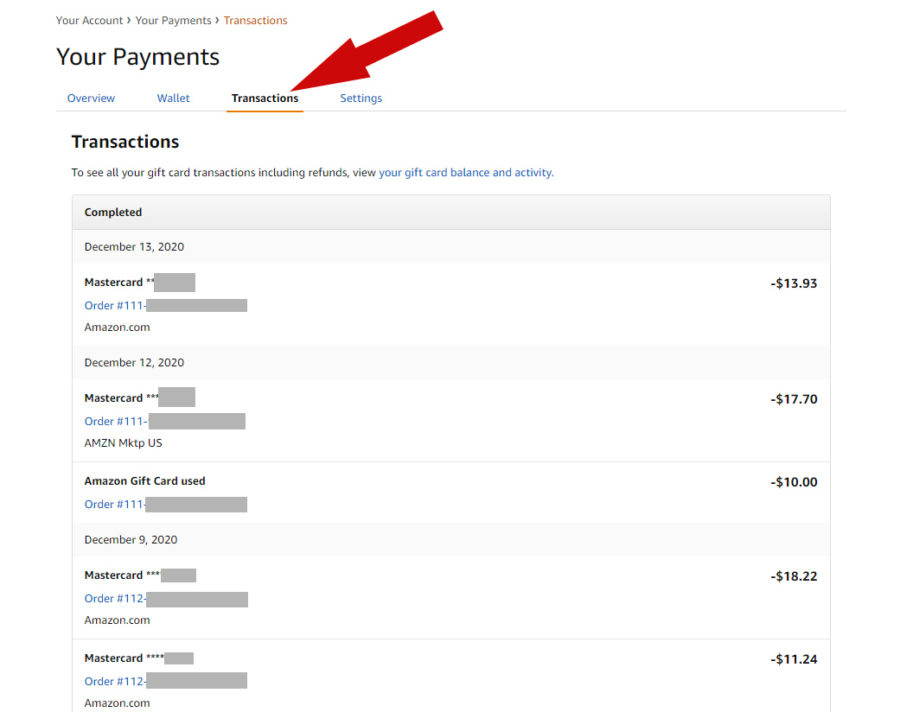
The term “Amazon Marketplace” on your credit card statement is often a generic descriptor that encompasses a vast ecosystem of transactions. It doesn’t pinpoint a single type of purchase but rather indicates that funds were exchanged through Amazon’s platform. This platform facilitates everything from direct sales by Amazon itself to purchases from millions of independent third-party sellers, digital services, and various subscription models.
Common Scenarios for Amazon Charges
When you see an “Amazon Marketplace” charge, it typically falls into one of several categories:
- Direct Purchases from Amazon Retail: These are items sold and shipped directly by Amazon.com.
- Third-Party Seller Transactions: Many products on Amazon are sold by independent merchants who use Amazon’s platform (the “marketplace”) to list, sell, and often fulfill their orders. The charge still appears as “Amazon Marketplace” because Amazon processes the payment.
- Digital Content and Subscriptions: This includes services like Amazon Prime memberships, Kindle Unlimited, Amazon Music, Audible subscriptions, app purchases, or digital movie rentals/purchases. These are recurring charges that can sometimes be overlooked.
- Gift Card Reloads: Adding funds to your Amazon Gift Card balance will appear as a charge.
- Seller Fees (for sellers): If you are an Amazon seller, various fees (e.g., selling plans, referral fees, fulfillment by Amazon (FBA) fees, advertising costs) will be charged to the credit card on file for your seller account.
- Accidental or Unauthorized Purchases: These could be genuine mistakes, purchases made by household members, or, in unfortunate cases, fraudulent transactions.
Distinguishing Between Buyer and Seller Charges
For the vast majority of credit card holders, an “Amazon Marketplace” charge signifies a purchase made from Amazon or one of its third-party sellers. These are buyer-centric transactions. However, for individuals operating an Amazon Seller Central account, the term can also refer to various operational costs and fees associated with running a business on the platform. It’s imperative to recognize which side of the transaction you’re on to correctly interpret the charge. If you are not a seller, any such charge should relate to a purchase you or someone authorized has made.
Pinpointing Specific Transaction Types
Understanding the nuances of Amazon’s payment processing is key to identifying the exact nature of a charge. The generic “Amazon Marketplace” can be further elaborated upon by cross-referencing with your Amazon account history and credit card statement details.
Direct Purchases vs. Third-Party Sales
While both may show up as “Amazon Marketplace,” the details on your Amazon order history will differentiate them. An item “Sold by Amazon.com” is straightforward. If it says “Sold by [Seller Name] and Fulfilled by Amazon” or “Sold by [Seller Name] and Shipped by [Seller Name],” it indicates a third-party seller transaction. From a financial perspective, the risk and recourse for issues can sometimes vary, though Amazon’s A-to-Z Guarantee typically covers both.
Digital Services and Subscriptions
These are a common source of unrecognized charges, often because they are set to auto-renew.
- Amazon Prime: An annual or monthly fee for expedited shipping, streaming services, and other benefits.
- Kindle Unlimited/Audible: Monthly subscriptions for e-books and audiobooks.
- Amazon Music/Video Subscriptions: Specific tiers for ad-free music or premium video content.
- App Purchases: Purchases made through the Amazon Appstore.
These recurring charges, if forgotten, can accumulate over time and lead to financial surprises. Regular audits of your subscription services are a sound personal finance practice.
Seller-Specific Charges
For business owners leveraging Amazon, these charges are operational expenses:
- Professional Selling Plan: A monthly subscription fee for sellers.
- Referral Fees: A percentage of each sale, varying by product category.
- Fulfillment by Amazon (FBA) Fees: Costs for storage, packing, shipping, and customer service if Amazon handles logistics.
- Advertising Costs: Fees for sponsored product campaigns or brand advertisements.
- Returns Processing Fees: Charges related to handling customer returns.
These expenses directly impact profit margins and must be meticulously tracked for accurate business finance reporting and tax purposes.
Strategies for Investigating Unrecognized Charges
If an “Amazon Marketplace” charge appears on your credit card statement and you don’t immediately recognize it, a systematic investigation is warranted. Prompt action can prevent further financial discrepancies and mitigate potential fraud.
Checking Your Amazon Order History
This is the first and most crucial step.
- Log in to Your Amazon Account: Go to Amazon.com and log in.
- Navigate to “Returns & Orders”: This section provides a comprehensive list of all your purchases.
- Review Recent Orders: Look for orders corresponding to the date and amount of the mysterious charge. Remember to check orders placed by all profiles under your Amazon Household, if applicable.
- Check Digital Orders: There’s a separate section for “Digital Orders” which covers e-books, music, movies, and app purchases.
- Review Subscriptions: Under “Account & Lists,” then “Your Memberships & Subscriptions,” you can find all active recurring services linked to your account. This is where forgotten Prime, Kindle Unlimited, or Audible charges will appear.
Consulting Household Members

Often, an unrecognized charge isn’t fraudulent but rather a purchase made by a spouse, child, or other authorized user of the credit card or Amazon account. Before escalating, verify with anyone who has access to your card or Amazon login. This simple step resolves a significant portion of “unrecognized” charges.
Utilizing Your Credit Card Statement Details
Your credit card statement may offer slightly more detail than just “Amazon Marketplace.” Sometimes, it includes a reference number or a slightly expanded description. While usually limited, this additional information can occasionally provide clues that help narrow down your search within your Amazon account history.
Contacting Amazon Customer Service
If you’ve exhausted internal checks and still can’t identify the charge, contact Amazon Customer Service. Be prepared to provide the exact date, amount, and any specific codes from your credit card statement. They can often trace the transaction using their internal systems.
Preventing and Managing Future Amazon Marketplace Charges
Proactive financial habits are the best defense against unrecognized or unwanted charges. By implementing a few key strategies, you can maintain better control over your Amazon spending and safeguard your financial accounts.
Setting Up Purchase Approvals and Notifications
For households with multiple users, consider setting up specific purchase approval processes for children or other family members, if Amazon offers such features in your region or for specific payment methods. Enabling notifications for every purchase can also provide real-time alerts, allowing you to identify any unauthorized spending immediately. Many credit card companies offer transaction alert services that notify you via text or email for every charge.
Regularly Auditing Subscriptions
Make it a habit to review all your recurring subscriptions at least once a quarter. This includes not just Amazon services but any online subscriptions. Cancel services you no longer use or need. This practice is a cornerstone of effective personal finance and can save significant money over time.
Best Practices for Secure Shopping
- Strong Passwords: Use unique, complex passwords for your Amazon account and enable two-factor authentication (2FA).
- Monitor Statements: Regularly check your credit card and bank statements for any suspicious activity, not just from Amazon but all vendors.
- Avoid Public Wi-Fi for Transactions: Transact on secure, private networks to prevent data interception.
- Be Wary of Phishing: Do not click on suspicious links in emails claiming to be from Amazon. Always go directly to the Amazon website to log in.
What to Do in Case of Fraud
If, after thorough investigation, you conclude that an Amazon Marketplace charge is indeed fraudulent (i.e., not authorized by anyone associated with your account), take immediate action:
- Contact Your Credit Card Issuer: Report the unauthorized charge to your bank or credit card company. They will guide you through their dispute process, which often involves initiating a chargeback and issuing a new card.
- Report to Amazon: Inform Amazon’s customer service about the fraudulent activity. They may be able to assist in tracing the source and preventing further misuse of your account.
- Change Passwords: Immediately change your Amazon password and any other linked account passwords.
- Monitor Your Credit Report: Keep an eye on your credit report for any signs of identity theft.
The Financial Implications of Amazon Spending
Amazon’s convenience can sometimes lead to inadvertent overspending. Understanding the financial implications of your marketplace activities is vital for long-term financial health.
Budgeting for Online Purchases
Incorporate online shopping, including Amazon purchases, into your monthly budget. Categorize these expenditures to track where your money is going. This awareness can help curb impulsive buying and ensure you stay within your financial limits. Utilizing budgeting apps or spreadsheets can make this process more efficient.
Understanding Credit Card Rewards and Protections
While investigating charges, remember the benefits your credit card offers. Many cards provide purchase protection, extended warranties, and fraud liability waivers, which can be invaluable when dealing with disputes or unauthorized transactions. Moreover, using reward-earning credit cards for Amazon purchases can be a strategy to maximize financial benefits, provided you pay off your balance in full each month to avoid interest charges.

Impact on Personal Finance Goals
Frequent or uncontrolled Amazon spending can detract from other personal finance goals, such as saving for a down payment, retirement, or paying down debt. Periodically reviewing your Amazon spending patterns in the context of your broader financial objectives can help you make more conscious decisions about your purchases and ensure your spending aligns with your wealth-building strategies.
By taking a proactive and informed approach to “Amazon Marketplace” charges, consumers and small businesses alike can maintain robust financial control, prevent costly surprises, and secure their financial accounts in the dynamic world of online commerce.
aViewFromTheCave is a participant in the Amazon Services LLC Associates Program, an affiliate advertising program designed to provide a means for sites to earn advertising fees by advertising and linking to Amazon.com. Amazon, the Amazon logo, AmazonSupply, and the AmazonSupply logo are trademarks of Amazon.com, Inc. or its affiliates. As an Amazon Associate we earn affiliate commissions from qualifying purchases.