
In an increasingly competitive marketplace, where product differentiation and consumer loyalty are paramount, certain brands manage to transcend their utility to become cultural touchstones. The “Nugget couch” is a quintessential example, having evolved from a simple piece of furniture into a phenomenon that encapsulates smart design, ingenious marketing, and a deep understanding of modern family dynamics. More than just a collection of foam pieces, the Nugget represents a masterclass in brand building, product innovation, and community engagement.
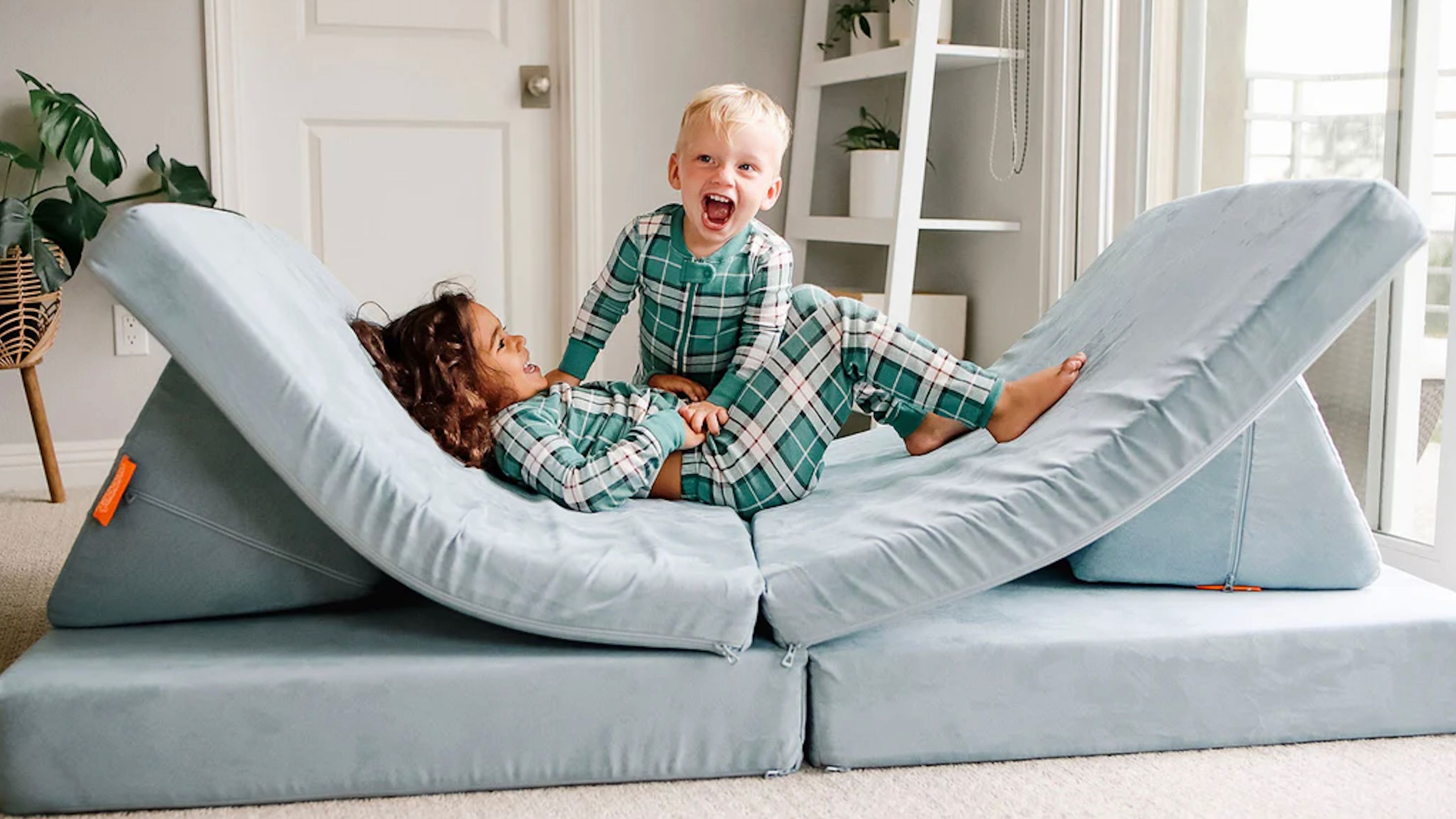
At its core, a Nugget couch is a modular play couch, typically consisting of four foam components: two base cushions, one thinner soft cushion, and two triangular pillows. These components are designed to be reconfigured into an endless array of structures – forts, slides, quiet reading nooks, or additional seating. Yet, to define it merely by its physical attributes is to miss the essence of its brand identity. The Nugget has carved out a unique niche by selling not just a product, but a philosophy of imaginative play, versatile living, and thoughtful consumerism. This article delves into the strategic branding, innovative design, and market positioning that have propelled the Nugget from a niche item to a household name, offering valuable insights into modern brand success.
The Genesis of a Playroom Phenomenon: Unpacking the Nugget Concept
The story of the Nugget couch is a testament to identifying an unmet need and addressing it with both creativity and strategic foresight. It didn’t just appear; it was meticulously conceived and launched into a market ripe for disruption. Its initial appeal lay in its deceptive simplicity, which belied a sophisticated understanding of both product utility and brand perception.
More Than Just a Couch: Defining Its Unique Proposition
The “Nugget” isn’t just a generic modular couch; it’s a specific brand that has become synonymous with the category itself, much like “Kleenex” for tissues. This brand distinction is crucial. Its unique proposition extends beyond its physical form to encompass a promise: endless possibilities for creative play and adaptable living. Traditional furniture serves a singular purpose – a sofa for sitting, a bed for sleeping. The Nugget, however, challenges this rigidity. It’s a dynamic object designed to evolve with the user’s imagination, making it a toy, a piece of furniture, and a tool for developmental play all rolled into one. This multi-functionality is a cornerstone of its brand appeal, positioning it as an investment in a lifestyle rather than just a commodity. The brand successfully articulated how its product could foster creativity, physical activity, and problem-solving skills in children, while also offering a practical, space-saving solution for parents. This powerful combination of developmental benefits and practical utility created an irresistible value proposition.
Design Philosophy: Simplicity Meets Versatility
The genius of the Nugget’s design lies in its elegant simplicity. The four core pieces are easy for children to manipulate, yet sturdy enough to withstand enthusiastic play. This thoughtful design is not accidental; it reflects a brand philosophy centered on user experience. Every curve, every foam density, and every fabric choice contributes to a product that is both inviting and robust. The vibrant color palette further enhances its appeal, allowing it to blend seamlessly into modern homes while still standing out as a fun, engaging item. This minimalist design approach also extends to its reconfigurability. The absence of complex latches or heavy frames means that imagination is the only limit to what can be built. This commitment to user-centric design is a critical brand differentiator, setting it apart from bulkier, less adaptable alternatives. The brand understands that true versatility comes from empowering the user, rather than dictating how a product should be used.
A Deep Dive into Brand Strategy and Market Disruption
The Nugget’s meteoric rise is not solely attributable to its innovative product; it’s a masterclass in modern brand strategy. By leveraging key marketing tactics and understanding its target demographic, the brand successfully disrupted the children’s furniture and toy markets.
Direct-to-Consumer (D2C) Mastery and Community Building
One of the most significant strategic decisions made by Nugget Comfort was to embrace a direct-to-consumer (D2C) model. This allowed them to control the entire customer journey, from initial brand awareness to post-purchase support, fostering a deeper connection with their audience. By selling directly online, Nugget avoided the complexities and costs associated with traditional retail channels, enabling them to invest more in product development, brand experience, and community engagement. The brand meticulously cultivated a strong online community, primarily through social media platforms. Parents shared photos and videos of their children constructing elaborate forts and imaginative play spaces, effectively generating user-generated content (UGC) that served as powerful social proof. This community became a self-sustaining marketing engine, where customers felt like they were part of an exclusive club, sharing tips, inspiring others, and reinforcing the brand’s core message. This D2C approach, coupled with robust community building, transformed customers into brand advocates.
The Power of Scarcity and Controlled Demand
For a period, the Nugget became notoriously difficult to purchase, often selling out within minutes of being restocked. While this could be seen as a logistical challenge, it strategically played into the psychology of scarcity and desirability. By creating controlled demand, the brand amplified its perceived value and exclusivity. This wasn’t just about limiting supply; it was about generating anticipation, excitement, and a sense of urgency. When a product is hard to get, consumers often perceive it as higher quality or more desirable. The “drop” culture, common in sneaker and streetwear markets, was successfully adapted to children’s furniture. This strategy not only kept the brand top-of-mind but also encouraged immediate purchases when stock became available, reducing decision-making time and increasing conversion rates. While a delicate balance, Nugget Comfort navigated this perfectly, ensuring that the scarcity felt organic rather than artificially manufactured, further cementing its coveted status.
Cultivating Brand Loyalty Through Experience
Beyond the initial purchase, Nugget Comfort invested heavily in fostering long-term brand loyalty. This was achieved not just through product quality but through the holistic brand experience. Excellent customer service, a welcoming online community, and consistent engagement with their audience were key pillars. The brand understood that the “experience” of owning a Nugget extended far beyond unpacking the box. It encompassed the joy of watching children play, the satisfaction of creating new configurations, and the sense of belonging within the Nugget community. By consistently delivering on the promise of imaginative play and versatile living, Nugget built a loyal customer base that wasn’t just satisfied but delighted. This loyalty translated into repeat purchases, positive word-of-mouth referrals, and a strong brand reputation, proving that a brand’s relationship with its customers is a continuous journey.
The Design and Materiality Behind the Brand’s Success

The physical manifestation of the Nugget’s brand promise lies in its thoughtful design and the quality of its materials. These elements are not merely functional; they are intrinsic to the brand’s identity and perceived value.
Thoughtful Engineering for Play and Comfort
Every aspect of the Nugget’s design is engineered to optimize both play and comfort. The density of the foam, for instance, is carefully calibrated to be firm enough for structural integrity in forts and slides, yet soft enough for comfortable lounging and safe landings during energetic play. This balance is crucial. Inferior foam would either sag too quickly, limiting its play potential, or be too rigid, diminishing its comfort. The dimensions of the four pieces are also precisely measured to allow for seamless stacking, folding, and rearranging, ensuring maximum versatility. The triangular pillows, often overlooked, are a testament to this detailed engineering, providing essential structural support for forts or ergonomic backrests for reading. This meticulous attention to engineering details ensures that the product lives up to its playful and versatile brand promise, reinforcing customer trust and satisfaction.
Material Choices and Brand Values
The materials used in a Nugget couch also reflect the brand’s commitment to quality, safety, and sometimes, sustainability. Typically covered in a durable, soft-to-the-touch microsuede or similar fabric, the exterior is designed to withstand the rigors of active play while being easy to clean. The fact that these covers are often removable and machine-washable is a practical feature that resonates deeply with parents and aligns with the brand’s focus on user convenience. Furthermore, the use of CertiPUR-US® certified foam, free from harmful chemicals, speaks to the brand’s commitment to child safety and parental peace of mind. These material choices are not just about functionality; they communicate core brand values. They tell a story of a company that prioritizes health, durability, and practical living, reinforcing the brand’s premium positioning and justifying its price point. In an era where consumers are increasingly conscious of product origins and composition, these material choices are powerful brand statements.
Marketing and Messaging: Crafting a Lifestyle Brand
Nugget Comfort didn’t just sell a couch; it sold a lifestyle. Its marketing strategies were expertly crafted to convey this broader narrative, appealing to the aspirations and values of modern families.
Leveraging User-Generated Content and Social Proof
As mentioned earlier, user-generated content (UGC) was and remains a cornerstone of Nugget’s marketing strategy. By featuring real families and their creative uses of the product, the brand tapped into authentic testimonials and aspirational imagery. Seeing other children building incredible structures naturally sparks imagination in prospective buyers. This strategy is particularly effective because it bypasses traditional advertising’s perceived inauthenticity, instead relying on the trusted voices and experiences of peers. Social media platforms, especially Instagram, became galleries of Nugget configurations, inspiring a competitive yet collaborative spirit among owners. This constant influx of fresh, genuine content served as incredibly powerful social proof, validating the product’s claims and strengthening the brand’s community feel. The brand actively encouraged and celebrated this content, further empowering its customers to be brand ambassadors.
Storytelling: Selling a Concept, Not Just a Product
From its website to its social media presence, Nugget Comfort consistently employs compelling storytelling. The narrative isn’t about foam and fabric; it’s about childhood wonder, imaginative play, family bonding, and the freedom to create. The brand’s messaging focuses on the benefits of the product – the skills children develop, the memories families create, the adaptability it brings to a home – rather than just its features. This emotionally resonant storytelling helps customers envision how the Nugget can enhance their lives, making it an aspirational purchase. Phrases like “the ultimate play couch” or “designed for open-ended play” are not just taglines; they are invitations to a world of creativity and joy. This ability to sell a concept, rather than just a tangible item, is a hallmark of truly successful lifestyle branding.
Expanding the Brand Ecosystem and Future Horizons
While the core product remains central, a strong brand often explores opportunities to expand its ecosystem. Nugget has strategically introduced complementary products, such as related accessories or limited-edition colors, to maintain interest and offer new avenues for engagement. This expansion must be carefully managed to ensure it aligns with the core brand identity and doesn’t dilute the primary product’s focus. Looking ahead, the brand’s challenge will be to maintain its innovative edge and community spirit as it potentially expands. How it navigates growth, new product lines, and evolving consumer expectations will be critical to its sustained success, but its foundational brand strength provides a robust platform for future endeavors.
The Nugget Couch as a Case Study in Modern Branding
The journey of the Nugget couch provides an invaluable case study for anyone interested in modern branding, product innovation, and market penetration. It demonstrates how a strong concept, backed by meticulous execution, can transform a seemingly simple product into a cultural phenomenon.
From Niche Product to Cultural Icon
The transformation of the Nugget from a niche product to a widely recognized cultural icon is remarkable. It achieved this not through massive advertising budgets, but through authentic engagement, clever marketing tactics, and a deep understanding of its audience. The brand transcended its category by becoming synonymous with a certain type of joyful, imaginative childhood. It’s not just a couch; it’s a symbol of play, creativity, and modern family life. This transition from product to icon is the ultimate goal for many brands, and Nugget Comfort achieved it by consistently delivering on its promise and fostering a strong emotional connection with its community. The brand became a conversation starter, a desired item, and a benchmark for similar products entering the market.

Lessons for Aspiring Brands
The success of the Nugget offers several critical lessons for aspiring brands. First, identify an unmet need or an opportunity for improvement in an existing category. Second, design a product that is not only functional but also deeply considered in its user experience and aesthetic. Third, build a brand narrative that resonates emotionally with your target audience, selling a lifestyle or a solution, not just a product. Fourth, embrace D2C strategies to control your brand story and build direct relationships with customers. Finally, foster a strong community around your brand, leveraging user-generated content and creating a sense of belonging. The Nugget couch is more than just foam furniture; it is a masterclass in how to build, nurture, and scale a beloved brand in the 21st century. Its story is a powerful reminder that innovative thinking, combined with strategic branding, can turn a simple idea into an enduring legacy.
aViewFromTheCave is a participant in the Amazon Services LLC Associates Program, an affiliate advertising program designed to provide a means for sites to earn advertising fees by advertising and linking to Amazon.com. Amazon, the Amazon logo, AmazonSupply, and the AmazonSupply logo are trademarks of Amazon.com, Inc. or its affiliates. As an Amazon Associate we earn affiliate commissions from qualifying purchases.