
The allure of the organized crime genre in video games has always been potent, offering players a glimpse into a world of power, loyalty, betrayal, and, of course, impeccably tailored suits. Among the most celebrated titles in this genre is Mafia II, a game that masterfully immerses players in the gritty underbelly of post-World War II America. A common question that arises for both new and returning players is the precise historical setting of Vito Scaletta’s tumultuous journey: what year does Mafia II take place? While the game’s narrative is rich with period detail, pinpointing its exact temporal boundaries requires a closer examination of its unfolding story and the historical context it so vividly portrays.
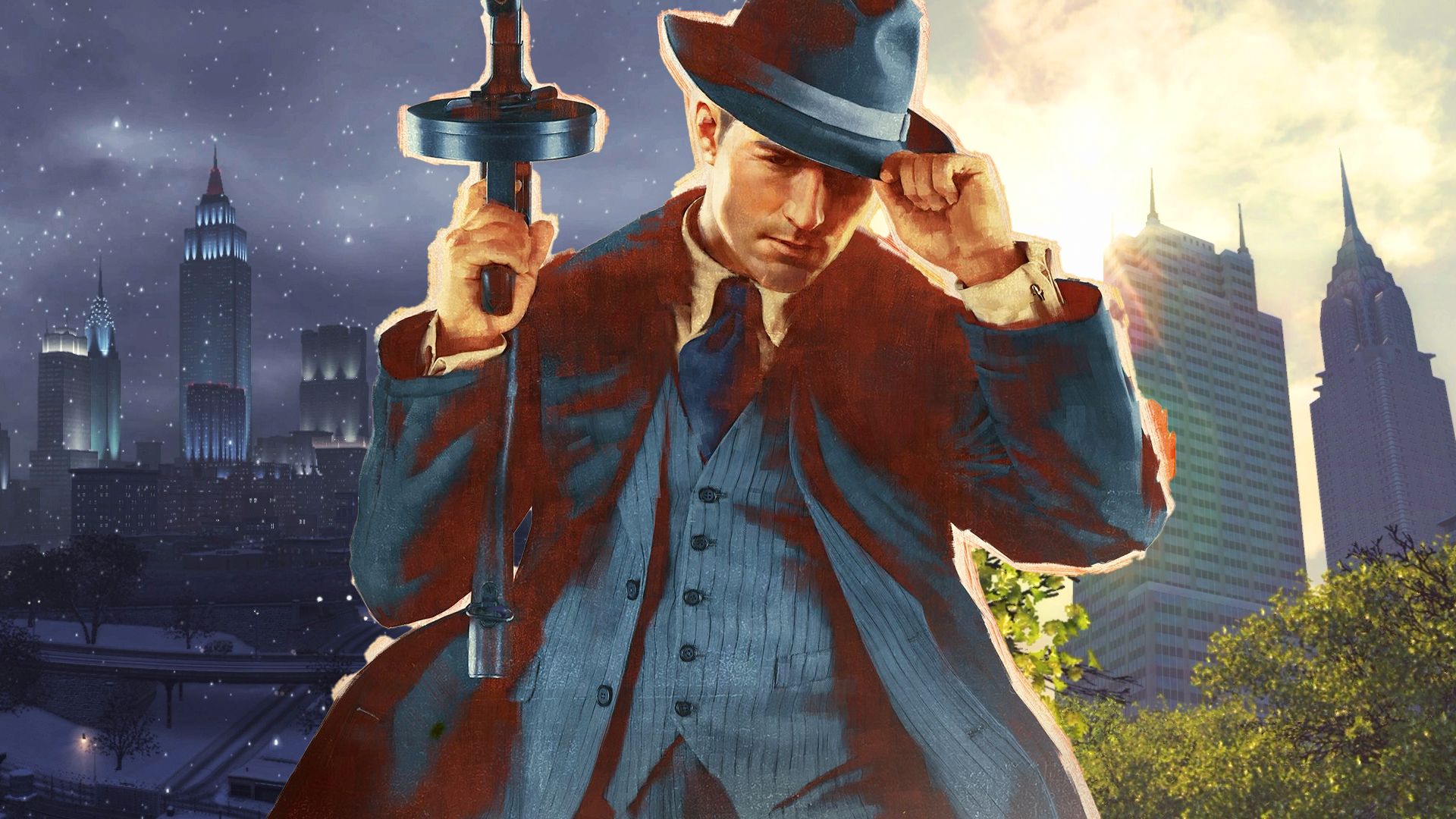
The Mafia II experience is not confined to a single year but rather spans a significant period, meticulously capturing the evolution of both its protagonist and the criminal empire he seeks to conquer. Understanding this timeframe is crucial to appreciating the game’s narrative arcs, the technological advancements depicted, and even the economic and social shifts that subtly influence the world Vito inhabits. This article will delve into the chronological framework of Mafia II, exploring how its story unfolds across the years and what that temporal setting means for the player’s experience.
The Seeds of Ambition: Vito’s Return and the Dawn of a New Era
The story of Mafia II begins with Vito Scaletta’s return from military service in World War II. This immediate context is our first major clue. The war officially concluded in 1945. Vito’s discharge and subsequent re-entry into civilian life, marked by his desire for a better life than the poverty he experienced in his youth, firmly plants the initial chapters of the game in this pivotal post-war year.
Echoes of War: 1945 and the Immediate Aftermath
Upon his return to Empire Bay, Vito finds his city changed, and his old crew, led by Joe Barbaro, has been involved in criminal activities. The early missions of Mafia II depict Vito grappling with his past and his newfound opportunities. This period is characterized by the lingering atmosphere of the war’s end. While the fighting has ceased, the world is still reeling from its impact. Rationing may be easing, but the economic landscape is shifting. For Vito, this means a chance to leverage his wartime experiences and his innate street smarts to climb the ranks of the Mafia.
The visual and auditory cues within the game further solidify this setting. The clothing styles, the automobiles cruising the streets (many of which are iconic models from the late 1940s), and the radio broadcasts all contribute to an authentic depiction of 1945 America. This era was one of transition, with soldiers returning home and a renewed sense of optimism mixed with underlying social and economic anxieties. Vito’s initial criminal endeavors, often involving petty theft and later escalating to armed robbery, are set against this backdrop of a nation rebuilding and finding its footing after years of global conflict.
Ascending the Ranks: The Mid-to-Late 1940s Unfold
As Vito becomes more deeply entrenched in the world of organized crime, the narrative of Mafia II progresses through the latter half of the 1940s. The game does not provide explicit yearly markers for every mission, but the evolution of events, the growing complexity of the criminal enterprises, and the changing styles all point to a steady march through time.
From Foot Soldier to Capo: The passage of Years
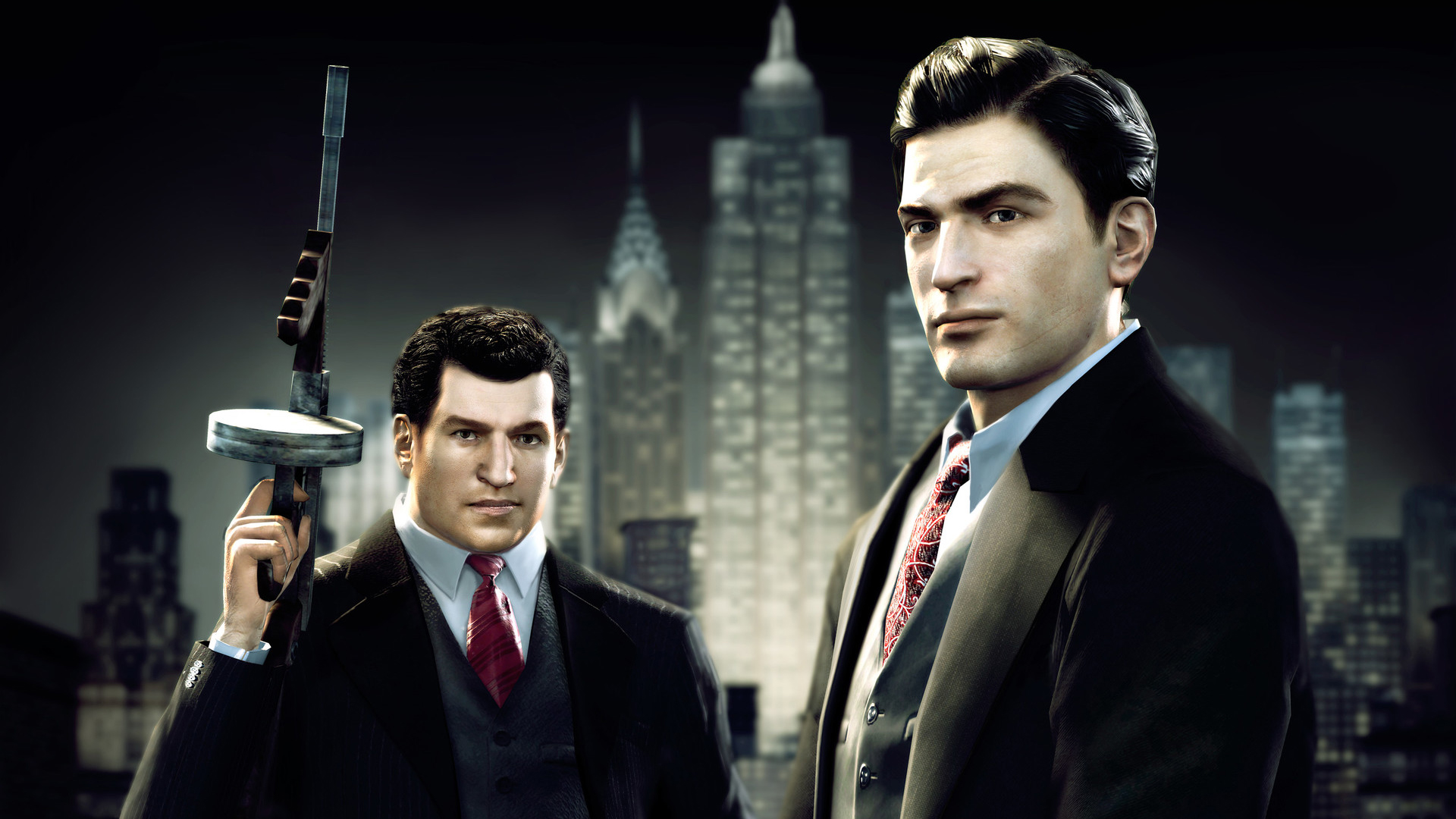
The period between Vito’s initial return and his eventual rise to prominence as a made man within the Falcone crime family is not instantaneous. It involves a series of increasingly dangerous and lucrative jobs, betrayals, and power struggles. These events naturally unfold over time. We see Vito’s involvement in significant heists, assassinations, and territorial disputes that mark the shifting landscape of Empire Bay’s underworld.
By the mid-to-late 1940s, the post-war boom begins to take hold in America. This economic growth, while not directly a focus for Vito’s personal finances in the game’s early stages, subtly influences the world around him. More opportunities arise, but also more competition. The cars become sleeker, the fashion more sophisticated, and the architecture of the city reflects this burgeoning prosperity. Players will notice the progression of automobile designs from the more utilitarian models of 1945 to the more stylish and aspirational vehicles that become prevalent as the decade draws to a close. This visual storytelling is a testament to Mafia II‘s commitment to historical accuracy and its ability to convey the passage of time without constantly bombarding the player with dates.
The Shadow of the Fifties: The Climax and the Fall
The narrative of Mafia II extends beyond the immediate post-war years, venturing into the dawn of a new decade. The latter parts of the game and its DLC content significantly push the timeline forward, introducing new challenges and consequences for Vito and his associates.
The Shifting Tides: Early 1950s and Beyond
The game’s primary narrative arc culminates in events that place it firmly in the early 1950s. The escalating tensions, the rise of new players in the criminal hierarchy, and the increasing pressure from law enforcement all suggest a progression into this new era. The early 1950s in America were marked by a continued economic expansion, the burgeoning influence of television, and a changing social landscape. While Vito’s world remains steeped in the shadows of organized crime, the broader societal shifts are implicitly present.
Furthermore, the downloadable content for Mafia II, such as The Betrayal of Jimmy and Joe’s Adventures, expands upon the overarching narrative and, crucially, extends the timeline. The Betrayal of Jimmy is generally understood to take place around the same time as the main game or shortly after, but Joe’s Adventures significantly pushes the narrative forward, placing Joe Barbaro’s story in the mid-1950s. This means that the Mafia II universe, as a whole, spans from 1945 through to the mid-1950s. This extended timeframe allows for the exploration of the long-term consequences of Vito’s choices and the dynamic nature of the criminal underworld, demonstrating that power is not static and the game of influence is a continuous, often brutal, pursuit.

Technological and Societal Footprints
The temporal setting of Mafia II is not just a backdrop; it’s an integral part of the gameplay and narrative design. The technology available to Vito and his crew, from the firearms they use to the vehicles they drive and the rudimentary communication methods, are all products of the post-war era. The limited, yet functional, technological tools available to the player reflect the advancements of the late 1940s and early 1950s. This includes the emergence of more powerful automobiles, the burgeoning influence of early mass media in the form of radio and nascent television, and the weaponry that defined the era.
From a branding perspective, the game showcases the burgeoning consumer culture of post-war America. Advertisements seen on billboards and heard on the radio reflect the era’s evolving marketing strategies, aiming to tap into the optimism and newfound prosperity of the nation. Corporate identities, though not explicitly detailed for the fictional companies within the game, are subtly represented through their products and branding, offering a glimpse into the visual language of mid-20th century commerce.
The economic realities of the time are also woven into the fabric of the game. The struggles of the working class, the promise of upward mobility through illicit means, and the financial implications of running a criminal enterprise are all themes that resonate with the economic conditions of the post-war boom and the subsequent early 1950s. While Mafia II doesn’t offer a deep dive into personal finance or investment strategies, it implicitly touches upon the pursuit of wealth and the sacrifices made to achieve it in a rapidly changing economic landscape.
In conclusion, the answer to the question, “what year does Mafia II take place?” is not a single, definitive date, but rather a period of time. The game begins its narrative in 1945, following Vito Scaletta’s return from World War II, and its story unfolds, encompassing the late 1940s and extending into the mid-1950s, particularly when considering the full scope of its narrative and downloadable content. This temporal breadth is crucial to the game’s immersive quality, allowing players to witness the evolution of characters, the progression of criminal empires, and the subtle yet significant shifts in the technological, economic, and social fabric of a nation rebuilding and transforming after a global conflict. The meticulously crafted world of Empire Bay, with its period-accurate details, ensures that Mafia II remains a compelling historical narrative, allowing players to live through a formative era of American history, albeit through the grimy lens of organized crime.
aViewFromTheCave is a participant in the Amazon Services LLC Associates Program, an affiliate advertising program designed to provide a means for sites to earn advertising fees by advertising and linking to Amazon.com. Amazon, the Amazon logo, AmazonSupply, and the AmazonSupply logo are trademarks of Amazon.com, Inc. or its affiliates. As an Amazon Associate we earn affiliate commissions from qualifying purchases.