
In an increasingly digital world, the way we manage and spend our money has transformed dramatically. Traditional cash and card payments are steadily being supplemented, and often replaced, by a suite of digital wallet solutions designed for convenience, speed, and enhanced financial oversight. Among these, Venmo has emerged as a powerhouse, particularly known for its seamless person-to-person (P2P) payments with a social twist. However, for many consumers focused on efficient personal finance and everyday spending, a critical question remains: “What stores accept Venmo?”
Understanding Venmo’s acceptance across various retail environments is crucial for optimizing your digital spending strategy. While initially popular for splitting bills with friends, Venmo has significantly expanded its utility, evolving into a legitimate payment method for a growing number of businesses, both online and in brick-and-mortar locations. This article delves into the expansive reach of Venmo, guiding you through where and how you can leverage this financial tool for your shopping needs, ultimately empowering you to make smarter, more convenient spending decisions.
The Evolving Reach of Venmo in Retail
Venmo’s journey from a casual P2P payment app to a widely accepted financial tool has been swift and strategic, largely driven by its parent company, PayPal. This evolution means that its presence in the retail sector is more pervasive than many users might realize, offering diverse ways to spend your digital funds.
Online Retailers Embracing Venmo
The digital nature of Venmo naturally lends itself to online commerce, where it has found significant traction. Many major e-commerce platforms and service providers have integrated Venmo as a direct payment option at checkout, streamlining the purchasing process for millions.
Perhaps the most significant expansion of Venmo’s online acceptance comes through its integration with PayPal. Since Venmo is a PayPal service, many online merchants that accept PayPal can indirectly accept Venmo. When a user selects PayPal at checkout, they are often presented with the option to pay using their linked Venmo balance. This crucial connection broadens Venmo’s reach to virtually any online store that processes PayPal payments, encompassing a vast array of businesses from fashion retailers to electronics giants.
Beyond the PayPal gateway, several prominent online brands have directly integrated Venmo. Companies like Uber and Uber Eats allow you to pay for rides and food deliveries directly from your Venmo balance. Similarly, food delivery services such as DoorDash and Grubhub often feature Venmo as a payment option, making it simple to order meals without needing to grab your wallet. For those looking for handcrafted goods or unique items, online marketplaces like Etsy also facilitate Venmo payments through the PayPal integration. Other popular platforms include Poshmark for second-hand fashion and various ticketing sites for concerts and events. This direct integration simplifies the checkout process, making it a preferred option for users who keep a balance in their Venmo accounts.
In-Store Acceptance: Scanning and Tapping
While online integration was a natural first step, Venmo has also made considerable strides in physical retail spaces. The shift towards contactless payments and QR code technology has paved the way for Venmo’s adoption in brick-and-mortar stores, providing a secure and rapid way to complete transactions.
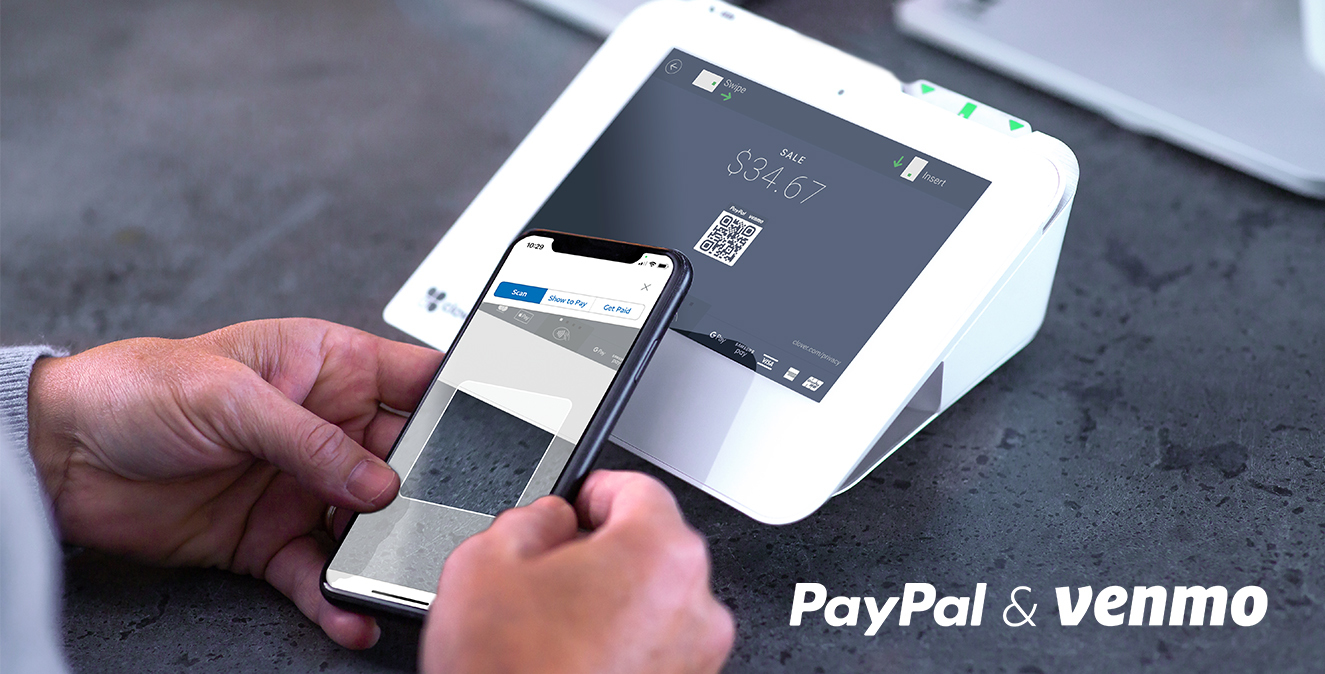
The primary method for in-store Venmo payments involves QR codes. Merchants often display a unique QR code at the point of sale. Customers simply open their Venmo app, select the “Scan” function, and scan the merchant’s QR code to initiate payment. The app then prompts them to confirm the amount, and with a quick tap, the transaction is complete. This method is increasingly common in quick-service restaurants, coffee shops, and smaller independent businesses looking to offer flexible payment options without investing in expensive POS hardware.
Another significant avenue for in-store Venmo acceptance is through the Venmo Debit Card. This Mastercard-powered debit card allows users to spend their Venmo balance anywhere Mastercard is accepted, which is virtually everywhere credit and debit cards are processed. This effectively bypasses the need for a store to directly accept Venmo as a payment method. Users can simply swipe, tap, or insert their Venmo Debit Card like any other bank card, drawing funds directly from their Venmo balance. This makes Venmo spendable at major retailers like Walmart, Target, CVS, Walgreens, and countless other department stores, grocery stores, and specialty shops. It’s an indispensable tool for extending Venmo’s utility beyond its direct acceptance network.
Person-to-Person vs. Business Transactions
Understanding the distinction between Venmo’s traditional person-to-person (P2P) payments and its newer business transaction capabilities is vital for navigating its financial landscape. Initially, Venmo gained popularity as a convenient way to split dinner bills, share rent, or reimburse friends. These P2P transactions are generally free and are a core part of its social appeal.
However, recognizing the demand from small businesses and freelancers, Venmo introduced Business Profiles and the ability for merchants to accept payments for goods and services. When you pay a business via Venmo, whether online or in-store, it typically processes as a business transaction, which usually involves a small fee (often around 1.9% + $0.10) charged to the merchant, similar to credit card processing fees. This evolution transformed Venmo from merely a social payment tool into a viable financial instrument for entrepreneurs and enterprises. For consumers, this means more opportunities to use Venmo for legitimate purchases, from a locally crafted item at a farmer’s market to a service provided by a freelance designer.
Maximizing Your Venmo for Everyday Spending
For individuals keen on streamlining their personal finance and leveraging digital tools, understanding how to maximize Venmo’s utility in everyday spending is key. Beyond just knowing where it’s accepted, it’s about optimizing its features for convenience and financial benefit.
The Venmo Debit Card: Expanding Your Options
The Venmo Debit Card stands as a cornerstone for extending the reach of your Venmo balance far beyond direct Venmo acceptance points. As a Mastercard, it can be used anywhere Mastercard is accepted globally, giving your Venmo funds the same universal acceptance as a traditional bank debit card.
This means you can use your Venmo balance at major retailers like Costco, Home Depot, Starbucks, McDonald’s, and countless other establishments that might not display a “Venmo Accepted Here” sticker. For savvy spenders, this card transforms Venmo from a niche payment app into a primary spending vehicle. Moreover, the Venmo Debit Card often comes with additional perks, such as cash-back rewards at select merchants, providing a tangible financial incentive for its use. This makes it not just a convenient tool, but also a smart financial choice for those looking to get more out of their spending. It also offers ATM access, allowing you to withdraw cash from your Venmo balance, further solidifying its role as a comprehensive financial instrument.
Linking Venmo to PayPal for Broader Acceptance
The symbiotic relationship between Venmo and its parent company, PayPal, provides a significant advantage for Venmo users seeking broader online acceptance. When you’re shopping online and reach the checkout page, if you see the PayPal logo, you very likely have an avenue to pay with Venmo.
By selecting PayPal as your payment method, you’ll be redirected to a PayPal login page. Once logged in, if your Venmo account is linked to your PayPal account (or if it’s the default option), you’ll often see Venmo as an available funding source. This effectively means that nearly any online retailer that accepts PayPal can become a “Venmo-friendly” merchant. This strategic integration is invaluable, particularly for e-commerce sites that haven’t explicitly integrated Venmo but have long-standing relationships with PayPal. It dramatically expands the list of stores where you can spend your Venmo balance without needing to transfer funds to a traditional bank account first.
Identifying Venmo-Friendly Merchants
While the Venmo Debit Card and PayPal integration cover a vast array of spending scenarios, directly identifying merchants that accept Venmo can streamline your checkout process and help you plan your spending.
Look for the Venmo logo: Many businesses, especially small and medium-sized enterprises, will proudly display the Venmo logo sticker at their storefront or at the cash register. This is the clearest indication of direct acceptance.
Check online payment options: When shopping online, always look for the Venmo icon alongside other payment methods like credit cards, PayPal, or Apple Pay during the checkout process.
Ask the staff: In smaller establishments or local businesses, don’t hesitate to inquire if they accept Venmo. Many may use Venmo Business Profiles or even personal Venmo accounts for convenience, especially service providers.
Venmo’s in-app map: Venmo has previously offered an in-app map feature that highlights nearby businesses accepting Venmo. While its availability and accuracy can vary, it’s worth checking if you’re looking for local options.
Review merchant websites: Reputable businesses will list their accepted payment methods on their FAQ pages or during checkout. By proactively looking for these indicators, consumers can confidently use their Venmo funds for more diverse purchases.
Beyond Retail: Venmo’s Utility in Various Financial Scenarios
Venmo’s utility extends beyond traditional retail, proving to be an invaluable financial tool across a wide spectrum of everyday and specific financial situations. Its convenience makes it a preferred option for many consumers and service providers alike.
Dining and Entertainment
For many, dining out and entertainment are significant components of personal finance. Venmo has become an indispensable tool here. Beyond splitting restaurant bills with friends, many quick-service restaurants and fast-casual chains are adopting Venmo for direct payments, especially through QR codes. For instance, some local eateries or food trucks might offer Venmo as an easy contactless payment option.
In the realm of entertainment, Venmo can be used for purchasing tickets for concerts, movies, or sporting events through integrated ticketing platforms. Services like Fandango (for movie tickets) or event platforms (often via PayPal integration) allow you to tap into your Venmo balance for leisure activities. This seamless integration means managing your entertainment budget becomes simpler, as all transactions can be consolidated within the Venmo ecosystem.
Travel and Transportation
While Venmo isn’t universally accepted by every airline or hotel chain, its presence in the travel and transportation sector is growing, primarily through key integrations and its debit card. As mentioned, Uber and Uber Eats are direct Venmo partners, making ride-sharing and meal deliveries incredibly convenient when traveling. Similarly, some local taxi services or shuttle operators might accept Venmo directly, especially smaller, independent ones.
For broader travel expenses, the Venmo Debit Card is again your strongest ally. Booking flights through major travel sites like Expedia or Booking.com (which accept Mastercard) allows you to use your Venmo balance just like any other debit card. This ensures that your Venmo funds remain liquid and spendable even when you’re away from home, simplifying travel expense management.
Small Businesses and Service Providers
Perhaps one of Venmo’s most impactful expansions from a financial perspective is its embrace by small businesses and individual service providers. For freelancers, independent contractors, artisans, and local service providers (like landscapers, personal trainers, hairdressers, or tutors), a Venmo Business Profile offers an accessible and low-cost way to accept payments.
This allows them to professionally receive payments for goods or services without needing a full-fledged merchant account or complex POS system. For the consumer, it means you can pay your local dog walker, your personal trainer, or the artist who created a custom piece for you, directly from your Venmo account. This significantly reduces the friction in these micro-transactions, benefiting both parties financially by providing a secure, traceable, and convenient payment method that supports local economies and independent professionals. The rise of Venmo Business Profiles underscores its utility as a powerful financial tool for both personal and small business finance.
Financial Implications and Best Practices
Leveraging Venmo effectively requires not just understanding where it’s accepted, but also appreciating its financial implications and adopting best practices for secure and responsible use.
Budgeting and Tracking with Venmo
For individuals committed to sound personal finance, Venmo can be a surprisingly useful tool for budgeting and tracking expenses. Every transaction made through Venmo, whether P2P or business, is recorded in your app history.
- Transaction History: Reviewing your Venmo feed provides a clear ledger of your spending. While it may not automatically categorize expenses like a dedicated budgeting app, the detailed records allow for manual review and reconciliation.
- Exporting Data: For more advanced budgeting, users can often export their Venmo transaction history (via the web interface) into a spreadsheet. This data can then be imported into budgeting software or manually analyzed to track spending patterns, identify areas for savings, and ensure you’re staying within your financial limits.
- Conscious Spending: Using Venmo, especially with its social feed, can create a greater awareness of where your money is going, subtly encouraging more conscious spending habits.
Understanding Fees and Limits
While Venmo is largely known for its free P2P transfers, it’s crucial to be aware of potential fees and transaction limits that can impact your financial planning.
- Instant Transfers: While standard transfers from Venmo to a bank account are free (typically taking 1-3 business days), instant transfers incur a fee (usually 1.75% with a minimum of $0.25 and a maximum of $25), which can add up if used frequently.
- Business Payments: As mentioned, merchants accepting Venmo payments for goods or services generally pay a small transaction fee (e.g., 1.9% + $0.10 per transaction). While this usually doesn’t directly impact the consumer, it’s a financial consideration for small businesses.
- Credit Card Fees: If you use a credit card as a funding source for P2P payments, Venmo charges a 3% fee. To avoid this, link your bank account or debit card.
- Spending Limits: Venmo has weekly spending limits, which vary depending on whether your identity is verified. Unverified accounts have lower limits for sending money and using the Venmo Debit Card compared to verified accounts. Understanding these limits is essential to avoid unexpected payment failures, especially for larger purchases.
Security Considerations for Digital Payments
Like any financial tool, using Venmo requires vigilance to protect your funds and personal information.
- Strong Passwords & 2FA: Always use a strong, unique password and enable two-factor authentication (2FA) for an added layer of security.
- Beware of Scams: Be cautious of requests for payments from unknown individuals or for offers that seem too good to be true. Venmo transactions are generally irreversible, so verify the recipient and purpose before sending money.
- Public vs. Private Transactions: While Venmo has a social feed, you can set transactions to “private” to control what information is shared. For financial privacy, especially with business transactions, private settings are recommended.
- Secure Wi-Fi: Avoid making financial transactions over unsecured public Wi-Fi networks where data could be intercepted.
- Monitor Activity: Regularly review your transaction history for any unauthorized activity and report suspicious transactions immediately.
The Future of Digital Payments and Venmo’s Role
The landscape of financial transactions is continuously evolving, driven by technological advancements and shifting consumer preferences. Venmo is poised to remain a significant player in this transformation.
Growing Digital Adoption
The global trend towards cashless societies and digital-first financial experiences is undeniable. Consumers are increasingly comfortable using their smartphones for everything from paying bills to purchasing groceries. This widespread digital adoption provides fertile ground for Venmo’s continued growth. As more people embrace mobile wallets and contactless payments, the demand for versatile and user-friendly platforms like Venmo will only intensify. This shift is not merely about convenience; it also offers enhanced financial tracking capabilities and often greater security than carrying large amounts of cash.
What’s Next for Venmo
Venmo’s future is likely to involve deeper integration into daily financial lives, exploring new functionalities, and expanding its merchant network.
- Broader Merchant Acceptance: We can anticipate Venmo working to expand its direct integration with more major retailers, simplifying the payment process even further beyond the PayPal gateway.
- Enhanced Financial Services: Venmo has already ventured into cryptocurrency buying and selling. Future developments might include more robust budgeting tools, investment features, or even closer ties to banking services, transforming it into a more comprehensive financial hub.
- International Expansion: While primarily focused on the U.S. market, global expansion could be a long-term goal, bringing Venmo’s convenience to an international audience.
- Rewards and Loyalty Programs: Expect to see more sophisticated reward programs tied to the Venmo Debit Card and direct Venmo payments, incentivizing usage and providing greater financial value to consumers.
In conclusion, Venmo has transcended its origins as a simple P2P app to become a powerful and versatile financial tool for everyday spending. From major online retailers to local small businesses, and through the ubiquitous acceptance of its debit card, Venmo provides numerous avenues for managing and spending your money efficiently. By understanding its expanding reach, leveraging its features, and practicing sound financial security, consumers can confidently navigate the digital retail landscape with Venmo, making it an indispensable component of their personal finance strategy.
aViewFromTheCave is a participant in the Amazon Services LLC Associates Program, an affiliate advertising program designed to provide a means for sites to earn advertising fees by advertising and linking to Amazon.com. Amazon, the Amazon logo, AmazonSupply, and the AmazonSupply logo are trademarks of Amazon.com, Inc. or its affiliates. As an Amazon Associate we earn affiliate commissions from qualifying purchases.