
Cash App has become an indispensable financial tool for millions, offering unparalleled convenience for sending and receiving money, investing, and even banking. Its rapid transactions and user-friendly interface have revolutionized how individuals manage their finances on a day-to-day basis. However, with the ease of digital payments comes the inherent risk of errors, unauthorized transactions, or even outright scams. Knowing how to effectively dispute a transaction on Cash App is not just a matter of technical know-how; it is a critical skill for safeguarding your personal finances in the digital age. This comprehensive guide will walk you through the process, empowering you to protect your money and navigate potential financial discrepancies with confidence.
Understanding Cash App Disputes: When and Why You Should Act
Before diving into the mechanics of filing a dispute, it’s crucial to understand what constitutes a disputable transaction on Cash App and why immediate action is often your best defense. Not every financial hiccup necessarily warrants a formal “dispute” in the traditional sense, but any discrepancy that impacts your funds requires prompt attention.
Common Scenarios for Disputes
Identifying the specific nature of your issue is the first step toward resolution. Here are the most frequent reasons users seek to dispute a transaction on Cash App:
- Unauthorized Transactions: This is perhaps the most straightforward and alarming scenario. If you notice a payment you did not initiate or authorize, it indicates potential fraud, a compromised account, or identity theft. This could be due to a stolen phone, a hacked Cash App account, or unauthorized use of a linked debit card or bank account.
- Unreceived Goods or Services: You paid a merchant or individual for an item, product, or service that was never delivered, was significantly different from what was described, or was outright fake. This is common in online marketplaces or direct peer-to-peer transactions where trust is assumed.
- Incorrect Amounts or Duplicate Charges: Mistakes happen, and sometimes a merchant or individual might accidentally charge you the wrong amount, overcharge you, or process the same payment multiple times. While less malicious, these errors still impact your financial balance and need correction.
- Scams: While technically often “authorized” by the user at the point of sending money, falling victim to a scam (e.g., fake sweepstakes, phony investments, impostor scams) can lead to significant financial loss. Resolving these is often more complex through Cash App directly, requiring a broader approach that may involve external authorities, but the initial impetus comes from a desire to recover funds.
The Urgency of Timely Action: Why Speed Matters
In the realm of digital finance, time is money—literally. The moment you identify a suspicious or incorrect transaction, you must act swiftly. There are several critical reasons for this urgency:
- Strict Reporting Deadlines: Most financial institutions, including Cash App and your linked bank or card issuer, operate under strict timeframes for reporting unauthorized transactions. For example, under federal law (Regulation E), consumers generally have 60 days from the date of their bank statement to report unauthorized electronic fund transfers. Missing these deadlines can severely limit your ability to recover funds.
- Increased Chances of Recovery: The sooner a fraudulent or erroneous transaction is reported, the higher the likelihood that Cash App or your bank can intervene effectively. Funds transferred digitally move quickly, and retrieving them becomes significantly harder once they have been moved multiple times or withdrawn.
- Preservation of Evidence: Quick action allows for the immediate collection of evidence (screenshots, communication logs) while memories are fresh and digital traces are recent. Delays can lead to the loss of crucial information needed for a successful investigation.
- Limiting Further Damage: In cases of account compromise, immediate reporting can help Cash App freeze or secure your account, preventing further unauthorized transactions and protecting your broader financial ecosystem.
The Step-by-Step Process for Initiating a Dispute on Cash App
When a financial discrepancy arises, Cash App is your first point of contact. The platform provides mechanisms for users to report issues and seek resolution, though the process differs from traditional bank chargebacks.
Reporting an Issue Within the Cash App
Cash App’s interface is designed for simplicity, and reporting an issue follows a similar straightforward path:
- Access Your Activity Feed: Open the Cash App and tap on the clock icon or “Activity” tab, usually located at the bottom right of the screen. This section displays all your past transactions.
- Locate the Transaction: Scroll through your activity feed to find the specific transaction you wish to dispute. Tap on it to view its details.
- Initiate Contact with Support: On the transaction details screen, you should see options like three dots (…) in the top right corner, or a clear “Report an Issue,” “Contact Support,” or “Get Help” button. Tap this option.
- Describe Your Issue: You’ll be presented with various reasons for reporting a transaction (e.g., “I don’t recognize this transaction,” “Issue with my purchase,” “Fraudulent activity”). Select the most accurate description.
- Provide Detailed Information: You will likely be prompted to provide more specific details in a text box. Be as thorough and clear as possible. Include dates, amounts, names, descriptions of goods/services, and why you believe the transaction is incorrect or unauthorized. The more information you provide upfront, the better Cash App support can assist you.
- Submit Your Report: Follow the on-screen prompts to submit your issue. This will open a ticket with Cash App support, and they will typically respond via email or within the app’s support chat.
If you are unable to access your account or the in-app options are insufficient, you can also try contacting Cash App support directly via their website or designated phone numbers (though be wary of scam phone numbers claiming to be Cash App support).
Gathering Necessary Evidence and Documentation
A successful dispute, whether with Cash App or an external financial institution, heavily relies on concrete evidence. The more documentation you can provide, the stronger your case for recovery.
- Screenshots: Capture screenshots of the disputed transaction details within Cash App. Also, save any relevant communication with the other party (e.g., chat logs, text messages, social media conversations) that prove non-delivery, misrepresentation, or scam attempts.
- Receipts and Order Confirmations: If the dispute relates to a purchase, provide copies of your original order confirmation, invoices, or receipts.
- Communication Records: Keep a meticulous record of all interactions with Cash App support, including dates, times, and summaries of conversations.
- Police Reports: In severe cases of fraud, identity theft, or significant financial loss, filing a police report and providing a copy to Cash App (and potentially your bank) can significantly bolster your claim.
- Bank Statements: Provide relevant bank or credit card statements that show the charge from Cash App, especially if you are also pursuing a chargeback through your bank.
This evidence helps Cash App understand the context of your dispute and provides concrete proof for their investigation.
What Happens After You File: Cash App’s Investigation Process
Once you’ve submitted your dispute, Cash App’s support team will begin their investigation. Here’s a general overview of what to expect:
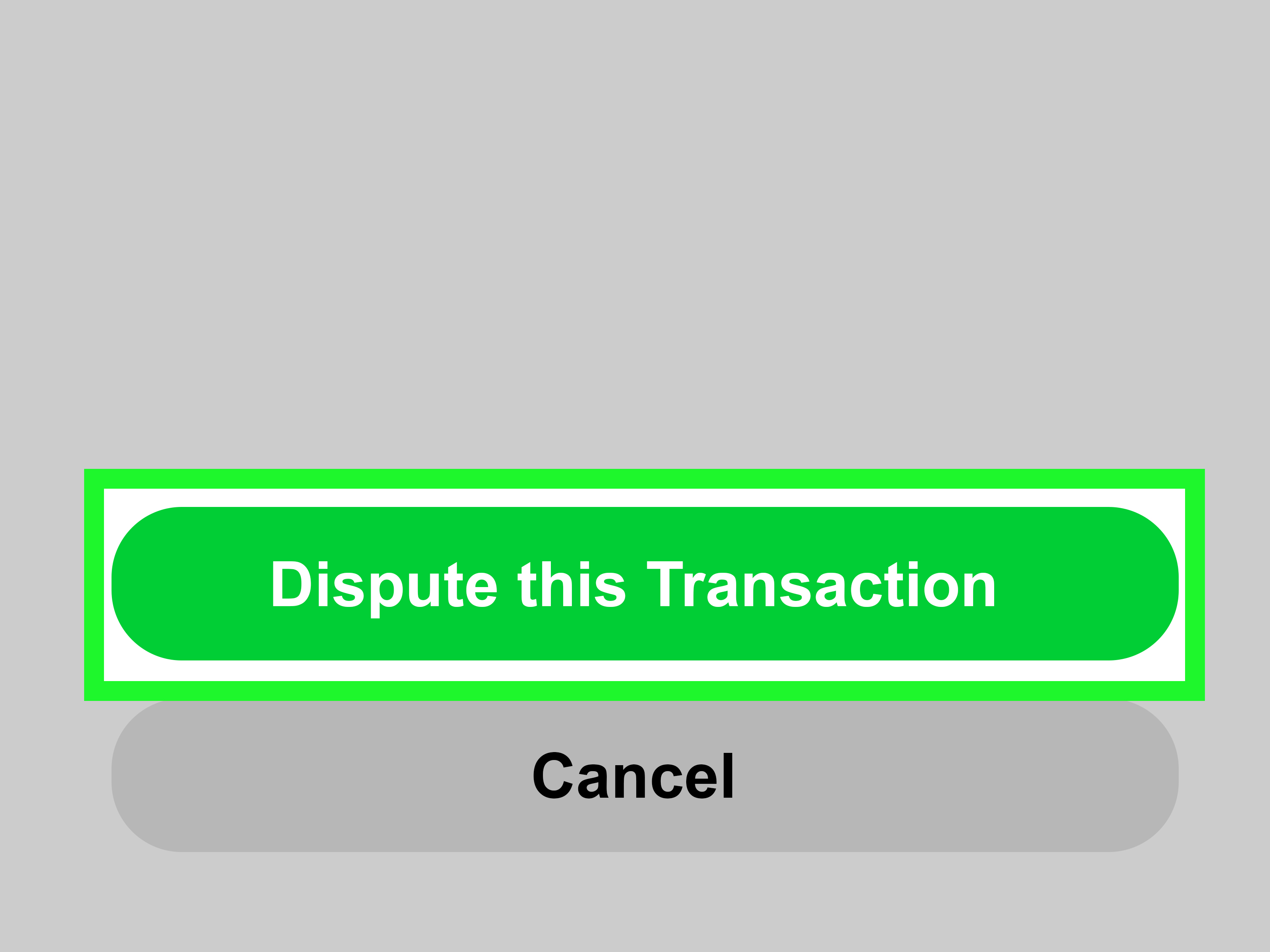
- Acknowledgement: You’ll typically receive an automated message or email confirming receipt of your dispute.
- Internal Review: Cash App will review the details you provided and may attempt to contact the other party involved in the transaction, particularly in cases of merchant disputes.
- Information Requests: They might reach out to you for additional information or clarification. Be responsive and provide any requested documents promptly.
- Timeline: The investigation process can vary in length, from a few days to several weeks, depending on the complexity of the case. Patience is key.
- Outcome: Cash App will communicate their findings. Possible outcomes include:
- Refund/Reversal: If the investigation sides with you, Cash App may reverse the transaction or issue a refund.
- Denial: Cash App may deny your dispute if they find insufficient evidence or if the transaction was deemed authorized, even if you regret sending the money (common in scam scenarios).
- Referral to External Channels: For certain types of fraud or scams, Cash App might advise you to contact your bank or law enforcement, especially if they are unable to recover the funds directly.
It’s important to understand that Cash App’s primary function is peer-to-peer money transfers, which are generally instant and irreversible. While they have systems for dispute resolution, particularly for unauthorized transactions, recovering funds for “authorized” payments (even if coerced by a scammer) can be challenging through their platform alone.
Beyond the App: External Avenues for Financial Recourse
While Cash App is your primary point of contact for disputes, it’s not always the end of the road. Depending on the nature of the transaction and how your Cash App account is funded, external financial institutions and regulatory bodies offer additional layers of consumer protection.
Contacting Your Bank or Card Issuer
If your Cash App account is linked to a debit card or bank account, and you believe an unauthorized transaction has occurred, your bank or card issuer can be a crucial ally.
- The Chargeback Process: Banks offer a “chargeback” mechanism, allowing consumers to dispute charges made to their debit or credit cards. This process leverages consumer protection laws that often provide more robust protections than those offered by a direct payment app.
- When to Contact Your Bank: You should contact your bank if:
- Your Cash App account itself was compromised, leading to unauthorized withdrawals from your linked bank account or debit card.
- You used a linked debit or credit card to fund a Cash App transaction that resulted in an unfulfilled promise from a merchant, and Cash App has been unable to resolve it.
- Steps to Take:
- Notify Your Bank Immediately: Call your bank or card issuer’s fraud department. Explain that you are disputing a transaction that originated from or was processed by Cash App.
- Provide Details: Clearly state the date, amount, and nature of the transaction. Provide any evidence you’ve gathered (Cash App transaction details, communication logs, etc.).
- Understand the Process: Your bank will likely open an investigation, which can take several weeks. They may issue a provisional credit while they investigate. Be prepared to fill out formal dispute forms.
- Important Note: Your bank’s ability to issue a chargeback depends on the specific card network rules (Visa, Mastercard, etc.) and federal regulations. For example, unauthorized debit card transactions are often protected by Regulation E, which offers strong consumer rights. Credit card transactions are protected by the Fair Credit Billing Act (FCBA).
Reporting Scams and Fraud to Authorities
For significant financial losses, identity theft, or particularly egregious scams, involving law enforcement and consumer protection agencies is a vital step. While these bodies might not directly recover your funds, they play a crucial role in investigating criminal activity, protecting other consumers, and sometimes aiding in fund recovery through legal channels.
- Local Police Department: If you’ve been a victim of identity theft, significant fraud, or believe a crime has been committed, file a police report with your local law enforcement agency. This official report can be critical evidence for Cash App, your bank, and other agencies.
- Federal Trade Commission (FTC): The FTC collects reports about fraud, scams, and bad business practices. You can file a report at
reportfraud.ftc.gov. The FTC doesn’t typically resolve individual complaints but uses the data to identify trends, warn the public, and pursue legal action against fraudsters. - Consumer Financial Protection Bureau (CFPB): The CFPB is a U.S. government agency that ensures banks, lenders, and other financial companies treat you fairly. If you have a complaint about a financial product or service (including issues with payment apps that affect your bank account), you can submit a complaint to the CFPB at
consumerfinance.gov/complaint/. They forward complaints to companies for a response and work to get you a resolution. - Internet Crime Complaint Center (IC3): For scams involving the internet, the FBI’s IC3 is a good resource. You can file a complaint at
ic3.gov.
Reporting to these authorities contributes to a broader effort to combat financial crime and might, in some cases, indirectly assist in your recovery efforts.
Preventative Measures and Best Practices for Cash App Security
While knowing how to dispute a transaction is essential, the best financial strategy is always prevention. Proactive security measures and an informed approach to using Cash App can significantly reduce your risk of needing to file a dispute in the first place.
Strengthening Your Cash App Security Settings
Your first line of defense is robust account security. Take these steps to harden your Cash App protection:
- Enable Security Lock: Always enable the Security Lock feature, which requires your PIN, Touch ID, or Face ID for every transaction. This prevents unauthorized use if your phone falls into the wrong hands.
- Enable Two-Factor Authentication (2FA): Ensure 2FA is active for your Cash App account and any associated email accounts. This adds an extra layer of security, requiring a code sent to your trusted device in addition to your password.
- Use Strong, Unique Passwords: Use a complex, unique password for your Cash App account and the email address linked to it. Avoid using easily guessable information or reusing passwords across multiple platforms.
- Monitor Activity Regularly: Make it a habit to periodically review your Cash App activity feed. Early detection of suspicious transactions is key to timely reporting and resolution.
- Secure Your Mobile Device: Keep your phone’s operating system updated, use a strong passcode or biometric lock, and avoid jailbreaking or rooting your device, which can compromise security.
Identifying and Avoiding Common Cash App Scams
Scammers are constantly evolving their tactics. Awareness is your best defense against falling victim to common Cash App schemes:
- Phishing Scams: Be wary of unsolicited emails or text messages claiming to be from Cash App support that ask for your login credentials, PIN, or other sensitive information. Cash App will never ask for your PIN or sign-in code outside of the app. Always go directly to the official app or website for support.
- Giveaway/Prize Scams: If you receive a message saying you’ve won a large sum of money or a prize but need to send a “small fee” or “security deposit” via Cash App to claim it, it’s a scam. Legitimate giveaways do not require you to send money first.
- Fake Customer Support: Scammers sometimes set up fake customer service numbers or social media accounts. Always verify that you are interacting with official Cash App support channels.
- Buyer/Seller Scams: Be cautious when using Cash App for transactions with strangers for goods or services, especially for high-value items. Scams can include overpayment (where they send too much, then ask for a partial refund, only for the original payment to bounce) or requesting payments via “friends and family” (which offers no purchase protection) for goods that are never delivered.
- The “Security Deposit” Scam: Never send money to someone who claims it’s a “security deposit” or “verification fee” to unlock larger funds, a job, or a loan. This is a classic advance-fee scam.
- Rule of Thumb: If an offer seems too good to be true, it almost certainly is. Never send money to strangers or anyone you don’t implicitly trust.

The Importance of Transaction Verification
Cash App transactions are typically instant and irreversible. This immediate finality means that caution before hitting “send” is paramount.
- Double-Check Recipient Details: Always verify the recipient’s $Cashtag, name, and profile picture before sending money. A single wrong character can send your funds to an unintended recipient, and recovering them will be extremely difficult.
- Confirm Amounts: Carefully review the amount you are sending. Even a misplaced decimal can lead to significant overpayment.
- Understand Purchase Protection Limitations: Unlike credit cards or platforms like PayPal (for certain transaction types), Cash App’s peer-to-peer nature means it offers limited buyer or seller protection for goods and services. Treat Cash App payments like cash—once it’s gone, it’s very hard to get back.
- Use for Trusted Transactions: Primarily use Cash App for sending money to friends, family, and trusted individuals, or for purchases from legitimate businesses you recognize and trust.
In conclusion, Cash App is a powerful and convenient financial tool that has transformed how we handle money. However, its efficiency comes with the responsibility of understanding its limitations and taking proactive steps to protect your funds. By knowing how to dispute a transaction, leveraging external avenues for recourse, and—most importantly—adopting robust security practices and scam awareness, you can ensure that your experience with Cash App remains secure, convenient, and financially sound. Safeguarding your digital finances is an ongoing effort, and informed action is your most valuable asset.
aViewFromTheCave is a participant in the Amazon Services LLC Associates Program, an affiliate advertising program designed to provide a means for sites to earn advertising fees by advertising and linking to Amazon.com. Amazon, the Amazon logo, AmazonSupply, and the AmazonSupply logo are trademarks of Amazon.com, Inc. or its affiliates. As an Amazon Associate we earn affiliate commissions from qualifying purchases.