
In an increasingly digital world, the accessibility of financial markets has undergone a revolutionary transformation. No longer confined to the exclusive domain of Wall Street brokers, investing in stocks is now within reach for millions through user-friendly mobile applications. Among these, Cash App has emerged as a prominent player, democratizing access to the stock market for everyday individuals. But for many, the fundamental question remains: how exactly do stocks work on Cash App? This guide aims to demystify the process, offering a professional, insightful, and engaging look into mobile investing via one of the most popular digital payment platforms.
Understanding the Basics of Stock Investing on Cash App
Before delving into the mechanics of using Cash App, it’s crucial to grasp the foundational concepts of stock investing itself. Stocks represent ownership shares in a company, and buying them means you’re acquiring a tiny piece of that business. The value of these shares can fluctuate based on market demand, company performance, economic conditions, and investor sentiment.
What is a Stock and Why Invest?
A stock, or equity, signifies a claim on a portion of a company’s assets and earnings. When you buy a stock, you become a shareholder. Companies issue stocks to raise capital for growth, expansion, or operations. For investors, the primary allure of stocks lies in their potential for capital appreciation (the stock price increasing over time) and, in some cases, dividends (a portion of the company’s profits distributed to shareholders). Investing in stocks is a popular strategy for long-term wealth accumulation, aiming to outpace inflation and grow savings significantly over decades.
Cash App’s Role as a Brokerage Platform
Cash App, primarily known for its peer-to-peer payment services, expanded its offerings to include stock investing, effectively acting as a simplified brokerage platform. A brokerage platform is an intermediary that facilitates the buying and selling of securities (like stocks) between investors and the stock market. Cash App partners with clearing brokers to execute trades, handling the technical and regulatory aspects of the transaction. For users, this means a seamless integration of investing capabilities within an app they might already use for other financial transactions, removing significant barriers to entry that traditionally existed in the investment world.
Key Terms: Shares, Market Orders, Fractional Shares
To navigate Cash App’s investing features effectively, familiarity with a few key terms is essential:
- Shares: The individual units of stock you buy. For example, if Apple stock costs $150 per share, buying one share means you own one unit of Apple stock.
- Market Order: An instruction to buy or sell a stock immediately at the best available price in the market. Cash App primarily uses market orders for simplicity, meaning your order will be filled as quickly as possible at the prevailing market price.
- Fractional Shares: This is a game-changer for new investors. Instead of needing enough money to buy a whole share, Cash App allows you to buy a fraction of a share for as little as $1. For instance, if a share costs $100, you could invest $25 and own a quarter of that share. This feature dramatically lowers the barrier to entry, making high-priced stocks accessible to small budgets.
Getting Started: Eligibility and Account Setup
Setting up an investing account on Cash App is straightforward for eligible users. To invest, you typically need to be 18 years or older, have a valid Social Security number, and be a U.S. resident. The app will guide you through a verification process, usually requiring personal information to comply with Know Your Customer (KYC) and Anti-Money Laundering (AML) regulations. Once verified, your investing account is linked to your existing Cash App balance, allowing for easy transfers between your cash balance and investment portfolio.
Navigating Cash App for Stock Purchases
Once your account is set up, the actual process of buying stocks on Cash App is designed to be intuitive. The platform streamlines what can often be a complex series of steps into a few taps.
Funding Your Investment Account
Before you can buy stocks, you need funds in your Cash App investing account. You can add money to your Cash App balance by linking a bank account, using a debit card, or receiving payments from other Cash App users. From your main Cash App balance, you can then easily transfer funds to your investing balance. This direct integration means you don’t need a separate bank transfer to a distinct brokerage account, simplifying the funding process considerably.
Searching for Stocks and ETFs
Cash App offers a curated selection of individual stocks and Exchange Traded Funds (ETFs). To find investments, simply navigate to the investing section of the app (usually indicated by a stock chart icon). You can search for specific companies by name or ticker symbol. Cash App also provides lists of popular stocks, top movers, and sectors, which can be helpful for discovering potential investments. While the selection isn’t as exhaustive as traditional brokers, it covers many major companies and popular ETFs, making it suitable for beginners.
Placing a Buy Order
Once you’ve identified a stock you wish to purchase, the process is as follows:
- Select the stock: Tap on the company you’re interested in.
- View details: You’ll see a basic chart, current price, and some news/statistics.
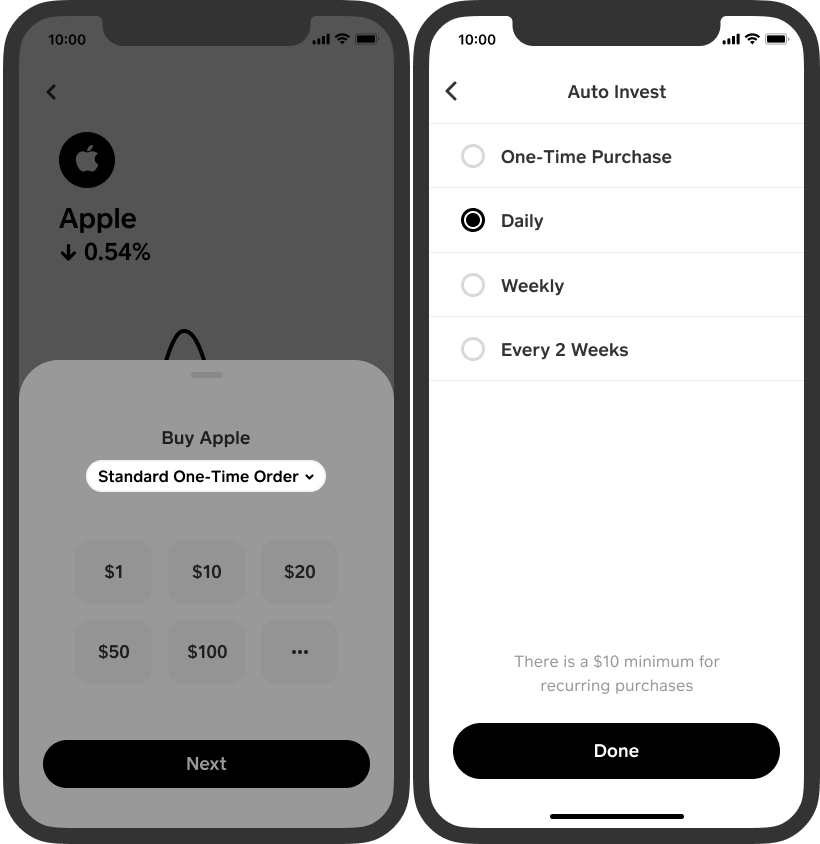
- Tap “Buy”: Choose the amount you wish to invest in dollars, not shares. This is where fractional shares come into play. If you want to invest $5 in Amazon stock, you enter $5.
- Confirm order: Review the details, including the estimated number of shares and potential fees (though Cash App famously offers commission-free trading for stocks).
- Execute: Confirm your purchase, and the order will be placed as a market order, meaning it will execute at the next available market price during trading hours. Trades typically settle within two business days (T+2).
Understanding Transaction Fees and Spreads
One of Cash App’s most attractive features is its commission-free stock trading. This means you typically don’t pay a direct fee to Cash App for buying or selling stocks. However, it’s important to understand that “commission-free” doesn’t always mean “completely free.” While Cash App absorbs many of the small regulatory fees, there can still be a slight bid-ask spread inherent in market transactions. The bid-ask spread is the difference between the highest price a buyer is willing to pay and the lowest price a seller is willing to accept. This tiny difference is how market makers (who facilitate trades) make money, and it’s a standard part of stock trading across all platforms, not just Cash App. For most small investors, the impact of the bid-ask spread is minimal compared to traditional commissions.
Managing Your Investments and Portfolio on Cash App
Investing isn’t just about buying; it’s also about managing your holdings, monitoring their performance, and making informed decisions about when to sell or adjust your strategy. Cash App offers a straightforward interface for these tasks.
Monitoring Performance

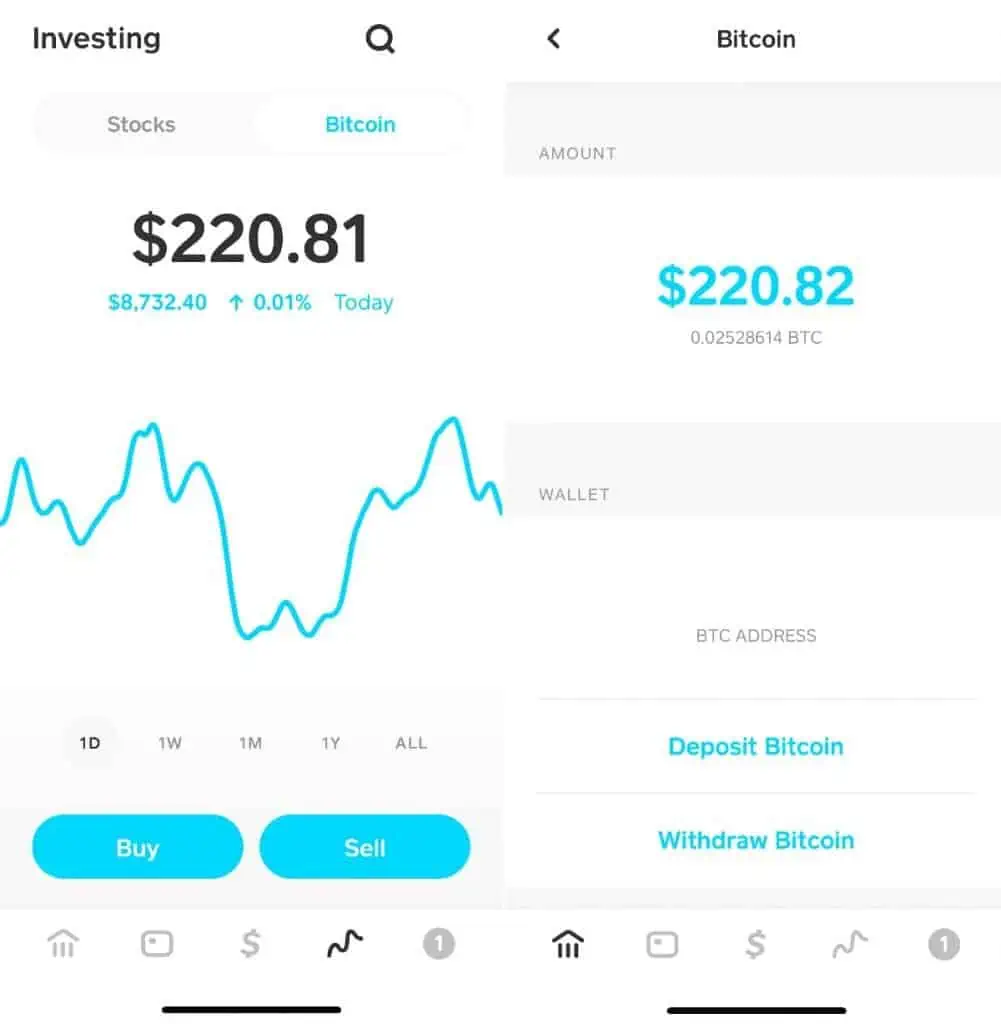
The investing section of Cash App provides a clear overview of your portfolio’s performance. You can see your total investment value, the overall gain or loss, and the performance of individual stocks you own. Charts allow you to visualize price movements over different timeframes (day, week, month, year, all time). While basic, this dashboard is sufficient for beginners to keep track of their investments without being overwhelmed by excessive data. You can also set up notifications to alert you to significant price changes for specific stocks.
Selling Stocks: When and How
Just as easily as you buy, you can sell stocks on Cash App. Navigate to the stock you wish to sell, tap the “Sell” button, and enter the dollar amount you wish to liquidate. If you want to sell your entire position, you can select that option. Similar to buying, sell orders are typically market orders and execute at the next available market price. Once sold, the proceeds will be credited to your Cash App balance, usually available within a few business days after the trade settles. From there, you can either reinvest the funds or withdraw them to your linked bank account.
Reinvesting Dividends
Some companies pay dividends to their shareholders, typically quarterly. Cash App supports dividend payments, and any dividends you receive will be deposited into your Cash App balance. While Cash App doesn’t currently offer an automatic dividend reinvestment plan (DRIP), you can manually use those dividend funds to purchase more shares of the same or different companies, effectively achieving the same goal of compounding your returns. Always check the individual stock’s details or company investor relations for dividend policies.
Diversification within Cash App
Diversification is a cornerstone of sound investment strategy, involving spreading your investments across various assets to reduce risk. While Cash App’s stock selection is somewhat limited compared to full-service brokers, it still allows for a degree of diversification. You can invest in different companies across various sectors (tech, finance, consumer goods, etc.) and also utilize ETFs, which are funds that hold a basket of different stocks or assets, automatically providing diversification within a single investment. For broader diversification, however, you might eventually consider complementing your Cash App portfolio with other investment vehicles not available on the platform, such as bonds or mutual funds through another brokerage.
The Pros and Cons of Using Cash App for Stocks
Like any financial tool, Cash App’s investing feature comes with its own set of advantages and disadvantages. Understanding these can help you determine if it’s the right platform for your investment journey.
Advantages: Accessibility, Simplicity, Fractional Shares, Low Barrier to Entry
- Accessibility: Integrates investing directly into a widely used payment app, lowering the psychological barrier for new investors.
- Simplicity: The user interface is incredibly clean and intuitive, making the buying and selling process extremely easy to understand.
- Fractional Shares: This is a major plus, enabling individuals with limited capital to invest in high-priced stocks, promoting wider participation in the market.
- Low Barrier to Entry: You can start investing with as little as $1, making it an excellent platform for learning the ropes of the stock market without significant financial commitment.
- Commission-Free Trading: Reduces costs and allows more of your money to work for you.
Disadvantages: Limited Research Tools, Fewer Investment Options, No Advanced Features, Potential for Over-Simplification, Customer Support
- Limited Research Tools: Cash App provides basic charts and news, but lacks in-depth analytical tools, financial reports, or advanced screening options found on dedicated brokerage platforms. Investors need to perform external research.
- Fewer Investment Options: The selection of stocks and ETFs is curated and not as extensive as larger brokers, limiting diversification possibilities to some extent. It does not offer mutual funds, bonds, options, or international stocks.
- No Advanced Features: Lacks features like limit orders, stop-loss orders, tax-loss harvesting tools, or sophisticated portfolio analysis, which seasoned investors often utilize.
- Potential for Over-Simplification: While ease of use is an advantage, it can also lead to investors making decisions without fully understanding the underlying complexities and risks of the market.
- Customer Support: Primarily app-based, and while generally responsive, it might not offer the same level of personalized financial advice or immediate phone support as traditional brokers.
Who is Cash App Investing Best For?
Cash App investing is ideal for:
- Beginners: Those new to the stock market who want to learn with small amounts of money.
- Micro-investors: Individuals who want to invest small, regular amounts.
- Casual Investors: Users who want a simple, straightforward way to invest without advanced tools or complex strategies.
- Users already comfortable with Cash App: Those who appreciate the convenience of managing payments and investments within a single app.
It may not be the best fit for experienced investors seeking advanced trading features, a wide array of investment products, or comprehensive research tools.
Smart Strategies for Investing with Cash App
While Cash App simplifies the investment process, successful investing still requires discipline, a long-term perspective, and adherence to sound financial principles.
Starting Small and Consistent
One of the most effective strategies for beginners, especially with fractional shares, is dollar-cost averaging. This involves investing a fixed amount of money at regular intervals (e.g., $10 every week or $50 every month), regardless of the stock’s price. This approach reduces the risk of trying to “time the market” and averages out your purchase price over time. Cash App’s fractional shares and ease of recurring investments make it perfect for this strategy.
Research Beyond the App
Never rely solely on the information provided within the Cash App for your investment decisions. Develop a habit of researching companies thoroughly before investing. Utilize reputable financial news sources, company investor relations websites, SEC filings (like 10-K and 10-Q reports), and independent financial analysis websites. Understand the company’s business model, competitive landscape, financial health, and growth prospects. Informed decisions are crucial for long-term success.
Understanding Risk
All investments carry risk, and stock investing is no exception. Stock prices can go down as well as up. Never invest money you cannot afford to lose, especially funds needed for short-term necessities. Understand that individual stocks can be volatile. A long-term investment horizon (5-10 years or more) generally helps to mitigate short-term market fluctuations and allows your investments time to recover from downturns and grow. Avoid making emotional decisions based on daily price movements.
Integrating Stocks with Your Overall Financial Plan
Investing through Cash App should be a part of a broader financial strategy. Before diving into stocks, ensure you have an emergency fund (3-6 months of living expenses saved), are managing high-interest debt, and are clear on your financial goals. Consider how your stock investments fit into your retirement planning, major purchases, or other financial aspirations. Cash App is a tool; it’s up to you to wield it strategically within your personal financial ecosystem.
In conclusion, Cash App offers an accessible and simplified gateway to stock investing, particularly for those new to the market. Its user-friendly interface, commission-free trading, and fractional share capabilities make it an excellent starting point for building an investment portfolio. By understanding the basics, utilizing smart strategies, and continuously educating yourself, you can leverage Cash App to begin your journey towards financial growth and wealth accumulation.
aViewFromTheCave is a participant in the Amazon Services LLC Associates Program, an affiliate advertising program designed to provide a means for sites to earn advertising fees by advertising and linking to Amazon.com. Amazon, the Amazon logo, AmazonSupply, and the AmazonSupply logo are trademarks of Amazon.com, Inc. or its affiliates. As an Amazon Associate we earn affiliate commissions from qualifying purchases.