
In an increasingly digital world, applications like Cash App have revolutionized how individuals manage their money, send payments, and even invest. Yet, despite its widespread adoption and familiar interface, a fundamental question often lingers for users and financial observers alike: “What institution is Cash App?” This isn’t just a matter of curiosity; it delves into the core of trust, regulation, and the very nature of modern financial services. Understanding Cash App’s institutional identity is crucial for comprehending its operations, the security of its users’ funds, and its place within the broader financial ecosystem.
Cash App is not a traditional bank in the conventional sense, nor is it a credit union or a single, federally chartered financial institution. Instead, it operates as a sophisticated financial technology (fintech) platform, part of a larger, publicly traded parent company, and relies on strategic partnerships with established banking institutions to deliver its diverse range of services. This distinction is vital for understanding its capabilities, limitations, and the regulatory framework under which it operates.
Beyond the Bank: Understanding Cash App’s Structure
To accurately define Cash App, one must first recognize its foundational identity as a fintech innovator rather than a legacy financial institution. This distinction underpins every service it offers and every regulatory obligation it meets.
A Fintech Powerhouse, Not a Traditional Bank
Cash App’s identity as a fintech company is paramount. Unlike traditional banks that hold a federal or state charter, allowing them to accept deposits, lend money, and provide a full suite of banking services under a specific regulatory body (like the OCC or FDIC directly), Cash App itself does not possess such a charter. It is, at its heart, a technology company that develops software and services to facilitate financial transactions. This model allows for agility, rapid innovation, and a user-centric design that often surpasses the offerings of traditional banks, yet it also means its operational structure is inherently different. It integrates financial services into a seamless digital experience, leveraging technology to streamline processes that might be cumbersome in older banking systems.
The Role of Block, Inc. (Formerly Square)
The institutional backing behind Cash App is Block, Inc., a prominent American multinational technology conglomerate. Formerly known as Square, Inc., Block, Inc. rebranded in December 2021 to reflect its broader strategic focus on various financial services, including its ventures into blockchain and cryptocurrency. Cash App is one of Block’s flagship products, sitting alongside other major offerings like Square’s merchant processing services and Tidal, a music streaming platform.
Block, Inc. is a publicly traded company on the New York Stock Exchange (NYSE: SQ), which means it is subject to rigorous reporting standards and financial oversight from agencies like the U.S. Securities and Exchange Commission (SEC). This public accountability lends a significant layer of legitimacy and transparency to Cash App’s operations, even if Cash App itself isn’t a bank. Block’s vision is to build an ecosystem of financial tools and services, with Cash App serving as a crucial component for individual consumers, expanding the reach and accessibility of financial management.
The Banking Partnerships that Enable Cash App’s Services
While Cash App is not a bank, it provides banking-like services. This capability is made possible through critical partnerships with regulated, FDIC-insured banks. These collaborations are the bedrock of Cash App’s ability to hold funds, issue debit cards, and process transactions.
FDIC Insurance and Partner Banks
A common concern for users of any financial service is the safety of their funds. For traditional banks, the Federal Deposit Insurance Corporation (FDIC) provides insurance coverage up to $250,000 per depositor, per insured bank, for each account ownership category. Cash App, not being an FDIC-insured bank itself, achieves this level of protection for its users’ funds through its partnerships.
When you hold a balance in your Cash App account, those funds are typically held by one of Cash App’s partner banks, such as Sutton Bank or Lincoln Savings Bank. These partner banks are FDIC-insured. This means that funds stored in your Cash App balance, up to the standard FDIC limits, are protected in the unlikely event that the partner bank fails. It’s crucial for users to understand that the insurance applies to the underlying bank where the funds are held, not directly from Cash App as an entity. Cash App acts as an intermediary, facilitating access to these traditional banking services. This model is common among many fintech applications that aim to provide banking solutions without the overhead and regulatory burden of obtaining a bank charter themselves.
Enabling Direct Deposits and Other Banking Features
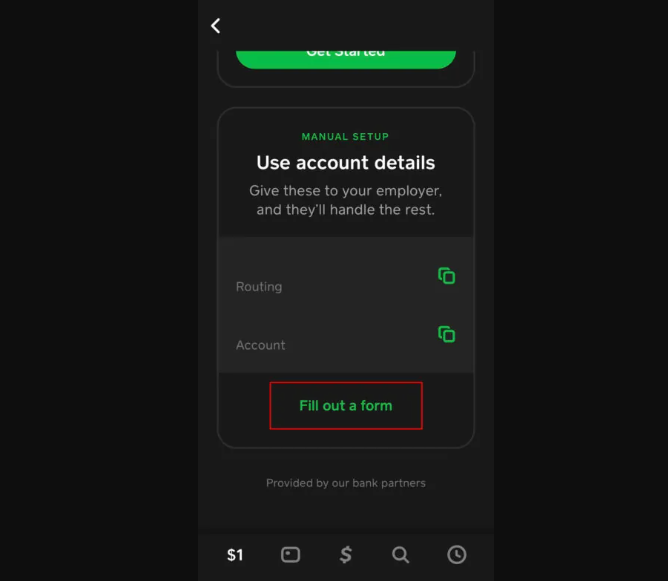
The strategic alliances with chartered banks are also what allow Cash App to offer features typically associated with traditional banking. For instance, Cash App provides users with routing and account numbers, enabling them to set up direct deposits for paychecks, government benefits, or tax refunds directly into their Cash App balance. This functionality effectively transforms Cash App into a primary banking solution for many, offering a convenient alternative to traditional checking accounts.
Furthermore, the Cash Card – a customizable debit card linked to the user’s Cash App balance – is issued by these partner banks (e.g., Sutton Bank). This card functions like a standard Visa debit card, allowing users to make purchases online, in stores, and withdraw cash from ATMs. These features demonstrate how Cash App, through its partnerships, skillfully bridges the gap between innovative digital finance and established banking infrastructure, providing a comprehensive financial toolkit within a single app.
Cash App’s Diverse Financial Ecosystem
Cash App has evolved far beyond its initial identity as a simple peer-to-peer payment application. Today, it offers a robust suite of financial services, positioning itself as a holistic platform for managing various aspects of personal finance.

Peer-to-Peer Payments: The Core Offering
At its origin, Cash App gained immense popularity as an intuitive and efficient peer-to-peer (P2P) payment service. This core functionality allows users to send and receive money from friends, family, or other individuals almost instantaneously, using only a unique identifier known as a “$Cashtag” or a phone number/email address. This ease of use, coupled with its zero-fee structure for basic transactions, quickly made it a preferred method for splitting bills, repaying debts, or sending gifts. While its services have expanded, the P2P payment mechanism remains a fundamental and frequently utilized feature, embodying the app’s commitment to simplifying everyday money transfers.
Beyond Payments: Investing and Bitcoin Integration
Recognizing the growing demand for accessible investment tools, Cash App has significantly expanded its offerings to include micro-investing capabilities. Users can buy fractional shares of stocks and Exchange Traded Funds (ETFs) directly through the app, often with as little as $1. This democratizes investing, making it accessible to individuals who might otherwise be intimidated by traditional brokerage accounts or lack sufficient capital to buy whole shares.
Crucially, Cash App was one of the first major fintech platforms to integrate Bitcoin trading. This feature allows users to buy, sell, and send Bitcoin directly within the app, reflecting Block Inc.’s broader commitment to cryptocurrency and blockchain technology. The integration of Bitcoin has positioned Cash App as a key player in the digital asset space, offering a streamlined entry point for mainstream users into the world of cryptocurrency without needing to navigate specialized crypto exchanges. These investment features solidify Cash App’s role not just as a payment app, but as a comprehensive financial management tool.
Business Accounts and Merchant Services
While primarily known for individual use, Cash App also extends its utility to small businesses and entrepreneurs. Through its integration with the broader Block ecosystem (formerly Square), businesses can use Cash App to accept payments from customers. This linkage provides a seamless experience for merchants who use Square’s point-of-sale systems or payment processing, allowing them to receive funds directly into their Cash App for business accounts. This integration highlights how Block, Inc. aims to create an interconnected financial network where individuals and businesses can transact fluidly, further blurring the lines between personal finance and commerce. It provides a convenient and often cost-effective solution for small-scale operations that might not require a full merchant banking relationship.
Navigating Regulation and Security in a Fintech Landscape
The innovative nature of fintech platforms like Cash App often raises questions about regulatory oversight and user security. While not a bank, Cash App is subject to various regulations designed to protect consumers and maintain financial integrity.
Regulatory Oversight for Non-Bank Financial Institutions
Since Cash App is not a chartered bank, it operates under a different set of regulatory guidelines. It is typically regulated as a money services business (MSB) and is subject to state and federal anti-money laundering (AML) and know-your-customer (KYC) laws. This means Cash App must register with the Financial Crimes Enforcement Network (FinCEN) and often obtain specific money transmitter licenses in each state where it operates. These regulations mandate robust compliance programs, transaction monitoring, and reporting suspicious activities to prevent financial crimes. The fragmented nature of these regulations across states can be complex, but Cash App, as a prominent player, dedicates significant resources to ensuring adherence to these diverse legal requirements, which are designed to ensure responsible financial conduct and protect users.
User Security and Fraud Prevention
Given the digital nature of its services, Cash App places a strong emphasis on security and fraud prevention. It employs a multi-layered security approach, including encryption of sensitive data, two-factor authentication, and transaction monitoring to detect and prevent unauthorized activity. Users are often prompted to verify their identity to unlock certain features or increase transaction limits, aligning with KYC regulations. While Cash App implements these robust measures, it also educates users on best practices, such as recognizing phishing scams and using strong, unique passwords. The platform continuously invests in security technologies and human oversight to safeguard user accounts and funds, understanding that trust is paramount in the financial sector.
The Future of Fintech: Why Cash App’s Model Matters
Cash App’s institutional model—a technology company leveraging banking partnerships—is not just a workaround; it’s a blueprint for the future of financial services.
Innovation and Accessibility
Fintech platforms like Cash App are at the forefront of driving innovation in finance. They challenge traditional banking models by offering highly accessible, user-friendly, and often more affordable services. By abstracting away the complexities of banking infrastructure, Cash App has made financial tools available to a broader demographic, including the unbanked and underbanked populations, who may face barriers with traditional institutions. Its mobile-first approach and intuitive interface have set a new standard for how consumers interact with their money, fostering financial inclusion and empowering individuals with greater control over their finances.
The Blurring Lines Between Banks and Fintechs
The success of Cash App exemplifies the ongoing convergence between traditional banking and financial technology. As fintech companies continue to innovate and expand their offerings, the distinction between what constitutes a “bank” and a “fintech” becomes increasingly nuanced. This trend is pushing traditional banks to accelerate their digital transformation efforts, while also encouraging more partnerships between established financial institutions and nimble tech companies. Cash App’s model demonstrates a successful synergy, where technology companies provide the interface and innovation, and chartered banks provide the essential regulatory compliance and custodial services, creating a more dynamic and competitive financial landscape that ultimately benefits consumers.

Conclusion
To definitively answer “What institution is Cash App?”, it is essential to understand that Cash App is a leading financial technology (fintech) platform developed and owned by Block, Inc. (formerly Square). It is not a chartered bank but delivers a wide array of banking-like services through crucial partnerships with FDIC-insured traditional banks such as Sutton Bank and Lincoln Savings Bank. This innovative model allows Cash App to offer peer-to-peer payments, investing in stocks and Bitcoin, and even business solutions, all while ensuring the security and, through its partners, the FDIC insurance of user funds. Operating under the regulatory oversight pertinent to money services businesses, Cash App represents a significant evolution in personal finance, embodying the accessibility, innovation, and strategic collaboration that define the modern money landscape. It’s a powerful tool for financial management, built on a foundation of technological ingenuity and robust financial partnerships.
aViewFromTheCave is a participant in the Amazon Services LLC Associates Program, an affiliate advertising program designed to provide a means for sites to earn advertising fees by advertising and linking to Amazon.com. Amazon, the Amazon logo, AmazonSupply, and the AmazonSupply logo are trademarks of Amazon.com, Inc. or its affiliates. As an Amazon Associate we earn affiliate commissions from qualifying purchases.