
In an increasingly digital financial landscape, tools that simplify money management are not just convenient; they are essential. Among these, the Cash App Card stands out as a versatile debit card directly linked to your Cash App balance, offering a streamlined way to spend, save, and manage your personal finances. For millions, it’s a primary gateway to their funds, making the process of loading money onto it a fundamental skill in digital money management.
Understanding how to efficiently and securely load your Cash App Card is more than just a technical step; it’s a critical component of effective personal finance. It empowers you to maintain control over your spending, leverage direct deposits, and access your funds when and where you need them. This comprehensive guide will walk you through every method of funding your Cash App Card, offering insights into optimizing its use for your financial well-being and ensuring your digital wallet is always ready for action.
Understanding Your Cash App Card and Its Value in Personal Finance
Before diving into the “how-to,” it’s crucial to grasp what the Cash App Card is and its inherent value within your personal finance ecosystem. It’s more than just a piece of plastic; it’s a direct extension of your digital funds, bridging the gap between your Cash App balance and the physical world of transactions.
What is the Cash App Card?
The Cash App Card is a free, customizable debit card issued by Sutton Bank and powered by Visa. It’s directly linked to your Cash App balance, meaning any funds you hold within your Cash App account are immediately accessible via this card. Unlike traditional bank debit cards, it doesn’t draw directly from a checking account, but rather from the balance you’ve accumulated or deposited into your Cash App. This distinction is vital for understanding its role in managing a dedicated portion of your funds. It can be used anywhere Visa debit cards are accepted, both online and in physical stores, making it a ubiquitous financial tool for everyday spending.
Why Use a Cash App Card for Managing Your Money?
The appeal of the Cash App Card stems from several key benefits that align perfectly with modern personal finance needs:
- Convenience and Accessibility: It provides immediate access to your Cash App balance, allowing for instant spending without needing to transfer funds to a traditional bank account first. This is particularly useful for those who receive payments or direct deposits through Cash App.
- Budgeting Aid: By funding your Cash App Card with specific amounts, it can serve as an effective budgeting tool. You can allocate funds for certain categories (e.g., groceries, entertainment) and only spend what’s available on the card, preventing overspending from your primary bank account.
- Financial Inclusion: For individuals who may not have traditional bank accounts, or prefer alternative banking solutions, the Cash App Card offers a pathway to participate in the digital economy, receive direct deposits, and make card payments.
- Security Features: It includes robust security features, such as app-based card locking, PIN protection, and instant transaction notifications, which are crucial for protecting your funds in a digital age.
Key Features and Benefits for Savvy Financial Management
Beyond its core function, the Cash App Card offers features that further enhance its utility for personal finance:
- Customization: The ability to design your own card adds a personal touch, making financial tools feel more engaging.
- Boosts Program: Cash App’s “Boosts” program offers instant discounts at various merchants when you use your Cash App Card. These aren’t cash-back rewards in the traditional sense, but immediate savings that can add up over time, effectively stretching your budget further. Identifying and utilizing relevant boosts can be a smart financial move.
- ATM Access: While primarily for purchases, you can also use your Cash App Card to withdraw cash from ATMs, though fees may apply. This provides flexibility for situations requiring physical cash.
- Direct Deposit Compatibility: One of its most powerful features is the ability to set up direct deposit for paychecks, government benefits, or tax refunds directly into your Cash App account, making funds immediately available on your card.
Diverse Methods for Loading Funds onto Your Cash App Card
Loading your Cash App Card is a straightforward process, but the beauty lies in the variety of options available, catering to different financial situations and preferences. Understanding each method ensures you can always access and manage your funds effectively.
Linking a Bank Account: The Primary Method
The most common and often most convenient way to add money to your Cash App Card is by linking an external bank account. This method facilitates quick transfers from your checking or savings account directly to your Cash App balance.
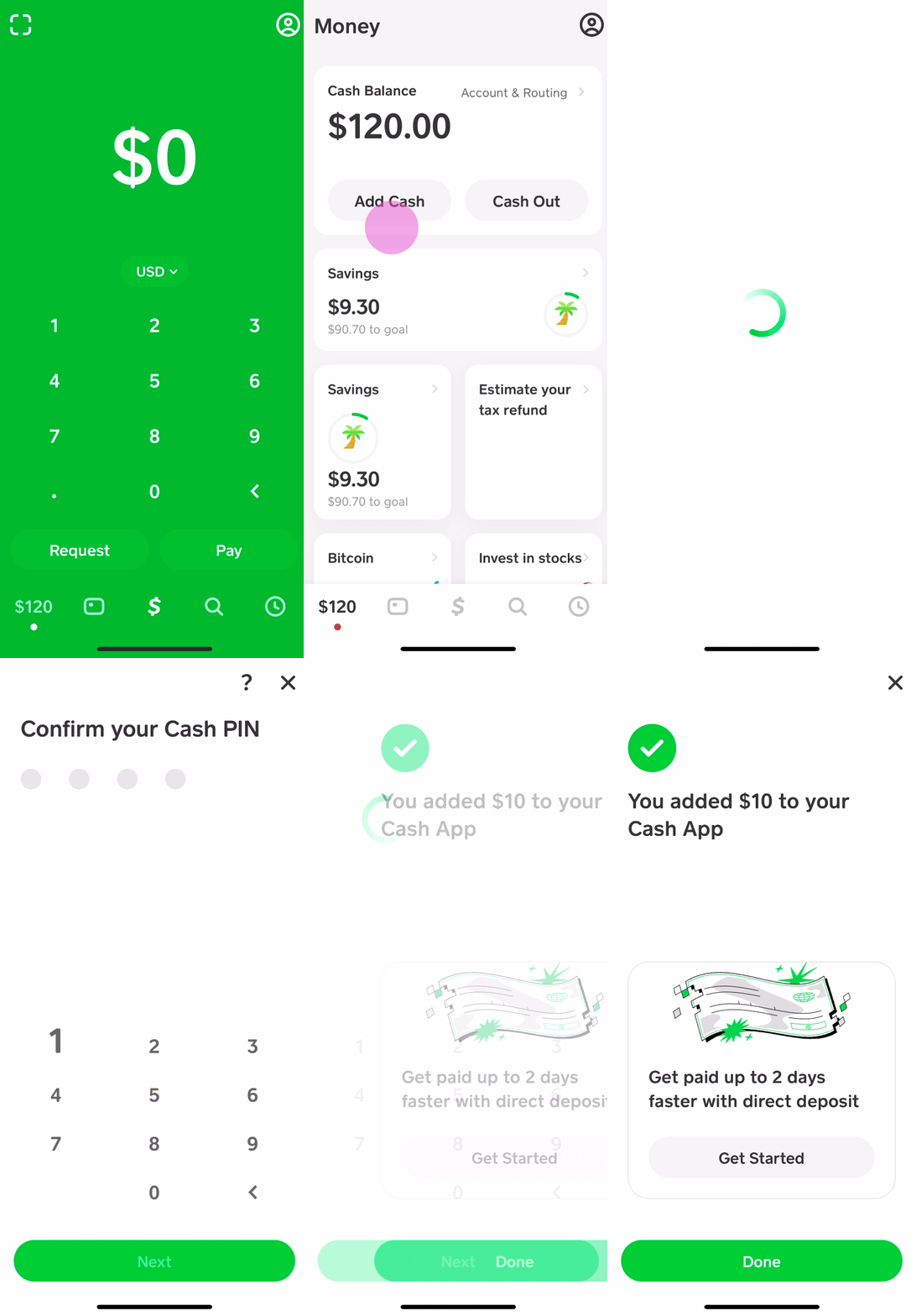
- Steps to Link: Within the Cash App, navigate to the “Banking” tab (the house icon) or “Money” tab, then select “Link Bank.” You’ll be prompted to enter your bank’s login credentials through a secure third-party service (like Plaid) or manually enter your account and routing numbers.
- Adding Funds: Once linked, go to the “Banking” or “Money” tab and tap “Add Cash.” Enter the desired amount, confirm with your PIN or Touch ID, and the funds will be instantly transferred from your linked bank account to your Cash App balance, ready for use with your card.
- Considerations: Ensure your linked bank account has sufficient funds. While transfers are usually instant, larger amounts or certain bank policies might cause slight delays.
Direct Deposit: Streamlining Your Income
For many, direct deposit is the cornerstone of their personal finance, and the Cash App Card fully supports it. Setting up direct deposit turns your Cash App account into a primary destination for your income, making funds immediately available on your card.
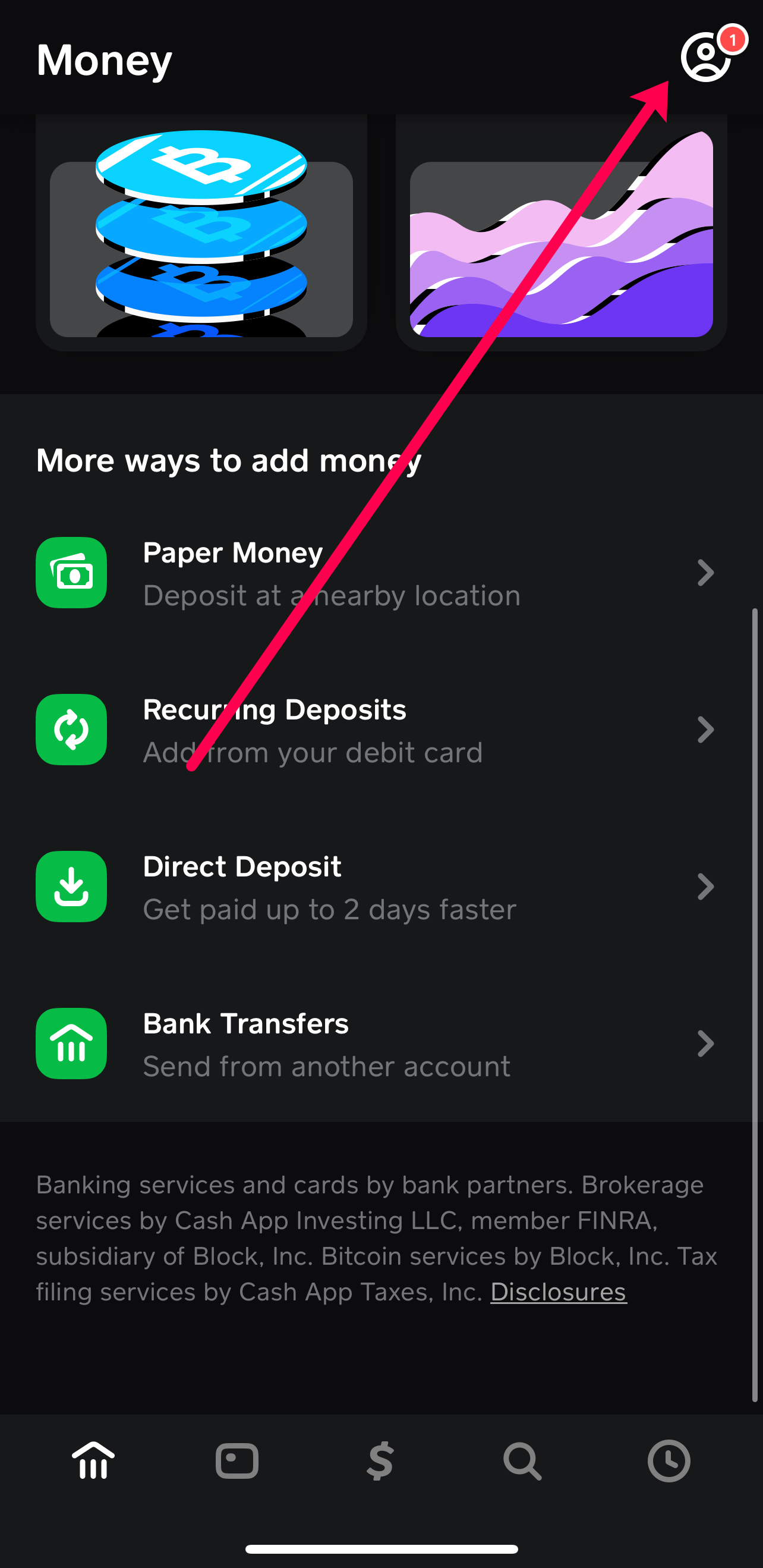
- How it Works: Cash App provides you with a unique account and routing number, similar to a traditional bank account. You can find these details in the “Banking” or “Money” tab under “Direct Deposit.”
- Setting Up: Provide these account and routing numbers to your employer’s payroll department, government agency (for benefits like Social Security or unemployment), or any institution issuing regular payments.
- Benefits for Personal Finance: Direct deposit can often make funds available up to two days earlier than traditional banks, offering a significant advantage for managing bills and expenses. It streamlines the receipt of income, reducing the need for manual transfers and ensuring funds are ready on your card for immediate use.
Adding Cash at Retail Stores: A Convenient Offline Option
For those who prefer to handle physical cash or don’t have a linked bank account readily available, Cash App allows you to add paper money to your balance at participating retail locations.
- Process: Open the Cash App, tap the “Banking” or “Money” tab, select “Add Cash,” and then choose “Cash Deposit at a Store.” The app will use your location to show nearby stores (e.g., Walmart, Walgreens, 7-Eleven, CVS) where you can make a deposit.
- At the Store: Generate a barcode within the app. At the cashier, present the barcode and the cash you wish to deposit. The cashier will scan the barcode and take your cash. The funds are typically added to your Cash App balance instantly.
- Important Notes: Be aware that most retailers charge a small fee (usually $1-$4) for this service. There are also daily and weekly limits on cash deposits, so it’s wise to check these within the app before heading to a store. This method is excellent for adding smaller, quick sums or for those primarily dealing in cash.
Receiving Payments from Other Cash App Users
While not a traditional “loading” method, receiving money from another Cash App user directly increases your Cash App balance, thereby adding funds accessible by your Cash App Card. This peer-to-peer (P2P) payment feature is a core functionality of Cash App.
- How it Works: Another Cash App user sends you money directly via your $Cashtag, phone number, or email.
- Instant Access: Once the payment is received, the funds are instantly credited to your Cash App balance and are immediately available on your card for spending or withdrawal. This is particularly useful for splitting bills, receiving money from friends/family, or getting paid for small gigs.
Optimizing Your Cash App Card for Everyday Spending and Budgeting
Beyond merely loading funds, optimizing your Cash App Card involves smart usage that integrates with your broader personal finance goals, particularly in budgeting and expenditure tracking.
Setting Up Automatic Deposits for Financial Discipline
For consistent financial management, consider using your direct deposit feature to automatically route a specific portion of your income to your Cash App. This can serve as a dedicated fund for certain expenses or a portion of your budget.

- Strategy: You might direct a fixed amount for “fun money,” groceries, or a specific savings goal into your Cash App. This segregates funds and prevents accidental overspending from your main bank account.
- Benefits: It fosters financial discipline by pre-allocating funds and provides a clear picture of your disposable income for specific categories, simplifying budgeting.
Monitoring Your Balance and Transaction History
Effective personal finance hinges on knowing where your money is and where it’s going. Cash App makes this easy.
- Instant Updates: Every transaction made with your Cash App Card is instantly reflected in your app’s activity feed. This real-time tracking is invaluable.
- Regular Review: Make it a habit to regularly review your transaction history. This helps you identify spending patterns, spot unauthorized transactions quickly, and ensure you’re sticking to your budget. The app’s intuitive interface makes this process quick and painless.
Leveraging Boosts for Smart Savings
The Cash App “Boosts” program is a unique feature that directly impacts your spending power and can lead to tangible savings.
- How it Works: Before making a purchase, select an active Boost in your Cash App. When you use your Cash App Card at the specified merchant, the discount is applied instantly at the point of sale.
- Strategic Use: Periodically check for new or expiring Boosts relevant to your spending habits. For example, if you frequently get coffee from a particular chain, activating a coffee Boost can save you money on every purchase. Over time, these small savings can add up, making your loaded funds go further. This proactive approach to discounts is a savvy financial habit.
Common Challenges and Troubleshooting for Loading Your Card
While loading your Cash App Card is generally seamless, occasional issues can arise. Knowing how to troubleshoot common problems and understanding underlying limitations is key to uninterrupted financial management.
Addressing Declined Transactions and Failed Transfers
Encountering a declined transaction when adding cash or attempting a purchase with your card can be frustrating.
- Insufficient Funds: The most common reason for a failed transfer from a linked bank account or a declined card purchase is insufficient funds, either in your bank account or your Cash App balance. Always verify your balances before initiating transfers or purchases.
- Linked Bank Account Issues: Ensure your linked bank account is active and in good standing. Expired cards, changed account numbers, or bank-imposed restrictions can lead to transfer failures. Sometimes, re-linking your bank account can resolve connection issues.
- Daily/Weekly Limits: Cash App has limits on how much cash you can add or send within certain timeframes. If you hit these limits, your transaction will be declined. Check your limits within the app.
- Technical Glitches: Occasionally, temporary system outages or glitches can occur. In such cases, waiting a few minutes and trying again often resolves the issue. If problems persist, contacting Cash App support is the next step.
Understanding Limits and Fees Associated with Your Card
Transparency around financial limits and fees is crucial for effective budgeting and avoiding unexpected costs.
- Loading Limits: Cash App imposes limits on how much money you can add to your account (e.g., $2,500 per day, $10,000 per week, $25,000 per month for verified users). For unverified users, these limits are significantly lower. Verifying your identity with Cash App (providing your SSN and date of birth) increases your limits.
- Cash Deposit Fees: As mentioned, adding cash at retail stores usually incurs a small fee (typically $1-$4) per transaction. Factor this into your budgeting if you frequently use this method.
- ATM Withdrawal Fees: While Cash App doesn’t charge a fee for ATM withdrawals for Cash App Card users who receive at least $300 in direct deposits per month (they reimburse up to $7 per withdrawal, 3 times per month), ATM operators often charge their own fees. If you don’t meet the direct deposit criteria, Cash App charges $2 per withdrawal on top of any ATM operator fees. Understanding these costs is important for managing liquidity.
Enhancing Security for Your Funds
Protecting your digital funds is paramount. Cash App provides several tools to help you secure your balance and card.
- App-Based Card Lock: If you misplace your card or suspect unauthorized activity, you can instantly lock your Cash App Card directly from the app. This prevents any further transactions until you unlock it. This feature is a powerful safeguard against theft or loss.
- PIN Protection: Always use a strong PIN for your Cash App Card transactions. Never share your PIN with anyone.
- Transaction Notifications: Enable push notifications for all Cash App activity. This allows you to monitor every transaction in real-time and immediately identify any suspicious activity.
- Beware of Scams: Be vigilant against phishing attempts, fake support scams, and requests for your login credentials. Cash App will never ask for your PIN or full sign-in code outside of the app. Education on common financial scams is an ongoing necessity.
Maximizing Your Cash App Card for Broader Financial Goals
Integrating your Cash App Card into your broader financial strategy can enhance your money management capabilities and contribute to achieving long-term goals.
Integrating with Budgeting Apps and Financial Tracking Tools
While Cash App provides its own activity feed, integrating it with dedicated budgeting or personal finance management apps can offer a more holistic view of your financial health.
- Aggregated View: Many popular budgeting apps allow you to link multiple financial accounts, including Cash App, providing a single dashboard for all your income and expenses.
- Categorization and Analysis: These tools often offer advanced categorization, spending analysis, and goal-setting features that can help you identify areas for savings, track progress towards financial goals, and create a more robust budget. This ensures your Cash App spending is part of a larger, coordinated financial plan.
Using the Card for Online and In-Store Purchases
The primary utility of a loaded Cash App Card is its versatility in spending. Treat it like any other debit card.
- Everyday Transactions: Use it for groceries, gas, online shopping, bill payments, and subscriptions. This helps keep your primary bank account distinct and focused on larger financial movements.
- Separation of Funds: For individuals who like to compartmentalize their money, the Cash App Card is excellent for designated spending categories, providing a clear boundary for how much you’re allocating to certain expenses.
Future-Proofing Your Digital Wallet
As digital payment methods evolve, staying informed about Cash App’s updates and new features is key to maximizing its value.
- New Services: Cash App frequently introduces new features, whether it’s investing in stocks or Bitcoin, or new payment functionalities. Keeping abreast of these developments can unlock new avenues for managing and potentially growing your money.
- Adaptability: Embrace the flexibility that digital wallets offer. The ability to load funds from various sources, manage spending with instant feedback, and utilize innovative features like Boosts positions your Cash App Card as a dynamic component of your future financial strategy.
Conclusion
Loading your Cash App Card is a fundamental aspect of leveraging this powerful financial tool. Whether you opt for instant bank transfers, the efficiency of direct deposit, the convenience of cash deposits at retail stores, or simply receiving funds from peers, Cash App offers a method for every need. By understanding these diverse options, paying attention to limits and fees, and actively securing your account, you can transform your Cash App Card into a central pillar of your personal finance strategy.
Embrace the control and flexibility it offers, from precise budgeting with allocated funds to maximizing savings through Boosts. In an increasingly cashless world, mastering the art of loading and managing your Cash App Card is not just about transactions; it’s about empowering yourself with seamless, secure, and smart control over your money.
aViewFromTheCave is a participant in the Amazon Services LLC Associates Program, an affiliate advertising program designed to provide a means for sites to earn advertising fees by advertising and linking to Amazon.com. Amazon, the Amazon logo, AmazonSupply, and the AmazonSupply logo are trademarks of Amazon.com, Inc. or its affiliates. As an Amazon Associate we earn affiliate commissions from qualifying purchases.