
In an increasingly digital economy, managing and moving money efficiently has become a cornerstone of sound personal finance. Cash App, a popular mobile payment service developed by Block, Inc. (formerly Square, Inc.), stands out as a versatile financial tool enabling millions to send, receive, and manage their funds with unprecedented ease. This guide delves into the financial intricacies of using Cash App for money transfers, offering a robust understanding of its capabilities, best practices for financial security, and how to integrate it effectively into your broader financial strategy.
Understanding Cash App as a Modern Financial Tool
The landscape of personal finance has been dramatically reshaped by technological innovation, and Cash App is a prime example of this evolution. Far from being just a simple payment application, it has blossomed into a multi-faceted financial ecosystem that empowers users with various money management functionalities.
The Evolution of Digital Money Transfers
Gone are the days when transferring money typically meant writing a check, visiting a bank, or relying on slow wire transfers. The advent of peer-to-peer (P2P) payment platforms like Cash App has revolutionized how individuals handle their everyday financial transactions. It has democratized access to swift money transfers, allowing users to send funds to friends, family, or vendors in mere seconds, regardless of geographical proximity within the United States. This shift represents a significant leap in financial convenience, impacting everything from splitting dinner bills to sending emergency funds across states. Understanding this evolution helps appreciate Cash App’s role not just as an app, but as a critical component in modern financial fluidity.
Key Features and Benefits for Personal Finance
Cash App offers a suite of features that extend beyond basic money transfers, providing substantial benefits for personal finance management. Its core utility, the ability to send and receive money instantly, is invaluable for maintaining liquidity and managing immediate financial obligations. Beyond this, features like the Cash Card (a customizable debit card linked to your Cash App balance) facilitate everyday spending directly from your account. The platform also supports direct deposit, allowing users to receive paychecks, tax refunds, or government benefits up to two days earlier than traditional banks, which can be a significant advantage for budgeting and cash flow management. Furthermore, Cash App’s foray into fractional stock and Bitcoin investing introduces accessible avenues for individuals to begin building wealth, aligning with broader financial independence goals.
Cash App’s Place in Your Financial Ecosystem
Integrating Cash App effectively means understanding its role alongside your traditional banking services, investment portfolios, and budgeting tools. For many, Cash App serves as an excellent intermediary for casual transfers, quick payments, and managing a specific portion of their discretionary spending. Its simplicity and speed make it ideal for transactions where immediate settlement is preferred, such as sharing expenses with housemates or making small purchases. However, it’s crucial to balance its convenience with the robust features of traditional banking for larger sums, complex financial planning, and long-term savings. Recognizing where Cash App fits best—whether as a primary spending account, a supplementary payment tool, or an initial foray into investing—is key to optimizing its financial utility.
Step-by-Step Guide to Sending Money via Cash App
Utilizing Cash App for money transfers is remarkably straightforward, designed for intuitive navigation. However, understanding the nuances of each transfer type ensures financial accuracy and efficiency.
Initiating a Payment: Person-to-Person Transfers
The most common use of Cash App is sending money to another individual.
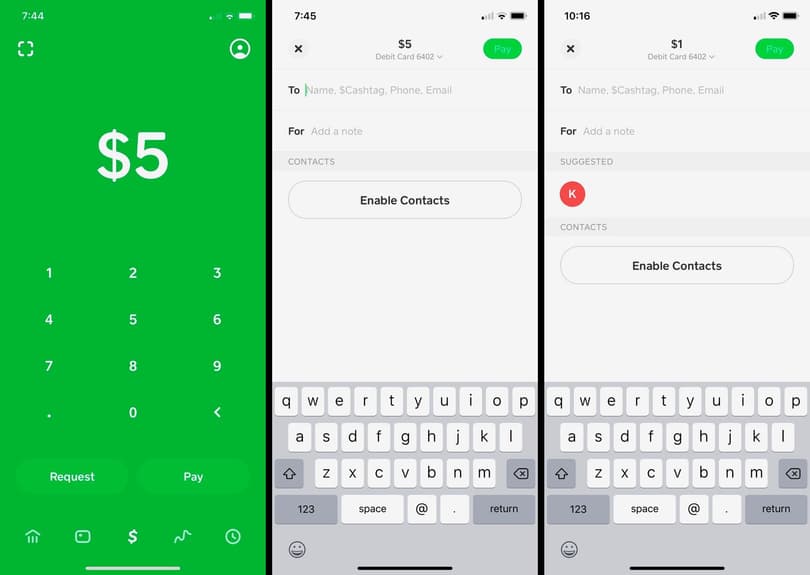
- Open Cash App: Launch the application on your mobile device.
- Enter Amount: On the home screen, input the dollar amount you wish to send.
- Tap “Pay”: Select the green “Pay” button located at the bottom right.
- Identify Recipient: You’ll be prompted to enter the recipient’s
$Cashtag, phone number, or email address. Ensure accuracy here to avoid sending funds to the wrong party, a costly financial mistake that is often irreversible. - Add Memo (Optional but Recommended): For financial record-keeping, especially for business or shared expenses, add a clear memo describing the purpose of the payment. This aids in budgeting and tracking expenditures.
- Confirm Payment: Review all details—amount, recipient, and memo—before tapping “Pay” to finalize the transaction. Funds are typically transferred instantly.
Requesting Funds: Streamlining Receipts
Cash App also simplifies the process of requesting money, making it ideal for splitting bills or reminding someone of an outstanding debt.
- Open Cash App: Navigate to the main screen.
- Enter Amount: Input the dollar amount you wish to request.
- Tap “Request”: Select the “Request” button.
- Identify Sender: Enter the
$Cashtag, phone number, or email of the person from whom you are requesting money. - Add Memo: Provide a clear reason for the request, which helps the sender understand and process the payment promptly.
- Send Request: Tap “Request” to send the notification. The sender will then have the option to accept or decline the request.
Sending to Banks and Other External Accounts (Cash Out)
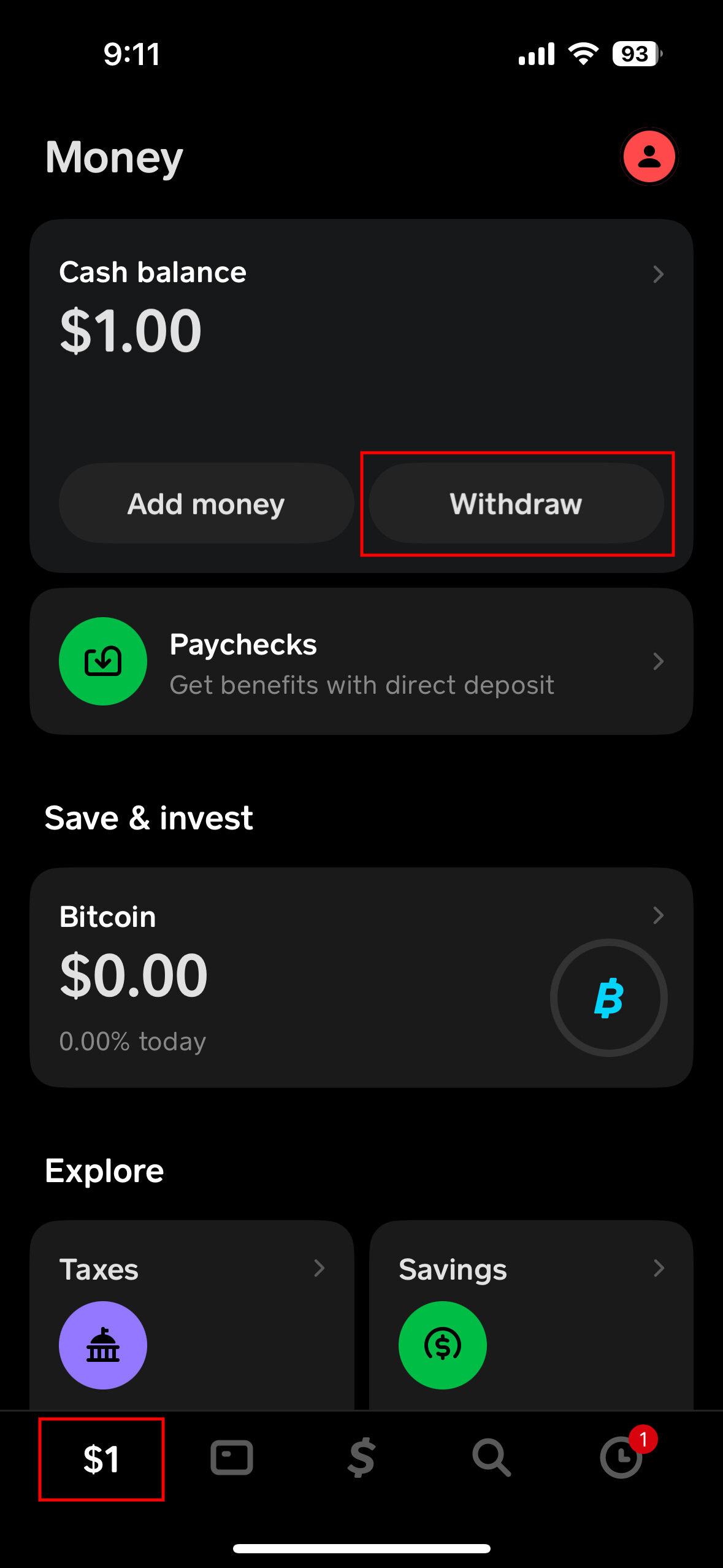
Once money is in your Cash App balance, you can transfer it to your linked bank account. This “cashing out” process is crucial for moving funds from your digital wallet to your traditional banking ecosystem.
- Open Cash App: Go to the “Banking” tab (represented by a house icon).
- Tap “Cash Out”: Select this option.
- Enter Amount: Specify the amount you wish to transfer to your bank.
- Choose Transfer Speed:
- Standard Deposit: This is usually free and takes 1-3 business days to reach your bank account. It’s the most financially prudent option if time is not a critical factor.
- Instant Deposit: For a small fee (typically 0.5% – 1.75%, with a minimum fee of $0.25), funds are transferred almost immediately to your linked debit card. This option is valuable when immediate access to funds is necessary, but the associated fee should be considered in your financial calculations.
- Confirm: Review the details and confirm the transfer.
Navigating Fees, Limits, and Financial Security
While Cash App offers incredible convenience, a financially savvy user understands the associated costs, limitations, and, most importantly, the imperative of protecting their funds.
Understanding Transaction Costs and Potential Fees
Most standard P2P payments within Cash App are free. However, specific actions incur fees:
- Instant Deposits: As mentioned, transferring funds instantly from Cash App to your bank account incurs a fee (0.5% – 1.75%). Always evaluate if the urgency of immediate access outweighs this cost.
- Credit Card Payments: When sending money using a linked credit card, Cash App charges a 3% fee to the sender. This fee is a significant financial consideration, making debit card or bank account transfers more cost-effective for everyday use.
- ATM Withdrawals: Using your Cash Card at an ATM might incur a $2.50 fee from Cash App, in addition to any fees charged by the ATM operator. Plan withdrawals to minimize these costs.
Savvy financial planning involves minimizing these fees by opting for free services whenever possible and accounting for charges when choosing paid options.
Daily, Weekly, and Monthly Transfer Limits
Cash App implements limits on how much money users can send and receive, primarily for security and regulatory compliance.
- Sending Limits: Unverified accounts can typically send up to $250 per week and receive up to $1,000 per month.
- Receiving Limits: Unverified accounts can receive up to $1,000 per month.
- Verified Accounts: By verifying your identity (providing your full name, date of birth, and the last four digits of your Social Security number), these limits are significantly increased, often allowing much larger transfers and unlimited receiving. This verification is a crucial step for anyone planning to use Cash App for substantial financial transactions, including business operations or managing higher personal funds.
Understanding these limits is vital for anticipating cash flow and avoiding interruptions in financial operations.
Protecting Your Financial Information and Transactions
The digital nature of Cash App necessitates a strong emphasis on financial security.
- Strong Passwords & PINs: Always use a unique, strong password and enable a PIN (or Face ID/Touch ID) for app access.
- Two-Factor Authentication (2FA): Enable 2FA for an extra layer of security on your account.
- Beware of Phishing: Be highly skeptical of unsolicited emails, texts, or calls claiming to be from Cash App. Never click on suspicious links or share your login credentials, PIN, or verification codes.
- Scam Awareness: Understand common Cash App scams, such as “cash flipping,” fake giveaways, or requests for money for “payment verification.” Cash App will never ask for your PIN or personal information outside of the app.
- Monitor Activity: Regularly review your transaction history for any unauthorized activity. Report suspicious transactions immediately. Protecting your account is paramount to safeguarding your financial assets.
Recognizing and Avoiding Common Scams
Scammers often target popular financial apps. Be vigilant against:
- Fake Customer Support: Scammers impersonate Cash App support to gain access to your account. Always use official contact channels.
- “Payment Pending” Scams: Scammers send fake payment notifications to trick you into sending money or revealing details.
- Giveaway Scams: Promises of free money or large returns for a small initial payment are almost always scams.
Financial literacy regarding these threats is your best defense against losing money.
Maximizing Cash App’s Financial Utility
Beyond basic transfers, Cash App can be strategically integrated to enhance various aspects of your financial life.
Integrating Cash App with Budgeting and Expense Tracking
The simple transaction history within Cash App can be a valuable tool for budgeting, especially for discretionary spending or specific categories like shared expenses. By adding clear memos to payments, users can easily categorize and track these outgoings. This data can then be exported or manually entered into a more comprehensive budgeting application or spreadsheet, providing a clearer picture of where your money is going and helping you adhere to financial goals. For small businesses or side hustles, this record-keeping is crucial for tax purposes and financial analysis.
Utilizing Direct Deposit for Faster Access to Funds
Setting up direct deposit with Cash App allows paychecks and other income streams to be deposited directly into your Cash App balance. This can offer two key financial advantages: faster access to funds (often up to two days earlier) and the ability to immediately use these funds via the Cash Card or to allocate them for investing within the app. For individuals managing tight budgets or needing quick access to earned income, this feature provides significant flexibility and control over their cash flow.
Investing Features: Stocks and Bitcoin
Cash App has democratized access to investing by allowing users to buy fractional shares of stocks and Bitcoin directly within the app, starting with as little as $1. This makes it an accessible entry point for beginners to explore wealth building and gain exposure to financial markets and cryptocurrencies without needing a traditional brokerage account. While convenient, it’s essential to approach these investments with a clear financial strategy, understanding the inherent risks and considering them as part of a diversified portfolio rather than the sole investment vehicle.
Strategic Use for Small Businesses and Side Hustles
For entrepreneurs, freelancers, and those with side hustles, Cash App offers a simple and efficient way to accept payments. Its low-cost or free transaction model (for bank-linked transfers) and instant payment processing make it attractive for receiving payments from clients or customers. The ability to track income through the app’s history and to quickly “cash out” funds into a business bank account streamlines financial operations. When used strategically, it can reduce payment friction, improve cash flow, and simplify financial reconciliation for smaller scale ventures.
Alternatives and Future Trends in Digital Money Transfers
While Cash App excels in many areas, a holistic financial perspective includes understanding its position relative to other tools and anticipating future innovations.
Comparing Cash App to Other Financial Transfer Platforms
The digital payment landscape is competitive, with platforms like Venmo, Zelle, and PayPal offering similar P2P transfer capabilities. Each platform has its own set of fees, limits, and integrations. Zelle, for instance, is integrated directly into many banking apps, offering bank-to-bank transfers with potentially higher limits and no fees. Venmo, known for its social features, might appeal to those who enjoy a more interactive payment experience. PayPal offers broader international transfer capabilities. A financially savvy individual will evaluate these alternatives based on transaction volume, recipient preference, cost-effectiveness, and security features to choose the most appropriate tool for each financial need.
The Future of P2P Payments and Financial Innovation
The trajectory of digital money transfers points towards even greater integration, enhanced security features, and expanded global reach. We can anticipate further innovations in cross-border payments, potentially leveraging blockchain technology for faster and cheaper international transfers. Artificial intelligence will likely play a larger role in fraud detection and personalized financial advice. As these technologies evolve, staying informed will be key to leveraging them for optimal financial management.

When to Use Cash App vs. Traditional Banking Methods
While Cash App offers speed and convenience for many transactions, traditional banking methods remain indispensable for large-scale transfers, complex financial products (mortgages, loans), and comprehensive financial planning. For daily spending, small payments, and quick transfers, Cash App is highly efficient. For significant savings, international transfers, robust investment portfolios, and secure storage of substantial wealth, a combination of traditional banking and specialized financial institutions is often more appropriate. The key lies in understanding the strengths and weaknesses of each tool and deploying them strategically to achieve your overall financial objectives.
In conclusion, Cash App is more than just an application; it’s a powerful financial tool that, when understood and utilized correctly, can significantly enhance your personal finance management. From simplifying daily transactions and streamlining income reception to offering accessible investment opportunities, its features cater to a wide array of financial needs in the modern digital age. By diligently managing fees, respecting limits, prioritizing security, and integrating it wisely into your financial ecosystem, you can effectively leverage Cash App to achieve greater financial control and efficiency.
aViewFromTheCave is a participant in the Amazon Services LLC Associates Program, an affiliate advertising program designed to provide a means for sites to earn advertising fees by advertising and linking to Amazon.com. Amazon, the Amazon logo, AmazonSupply, and the AmazonSupply logo are trademarks of Amazon.com, Inc. or its affiliates. As an Amazon Associate we earn affiliate commissions from qualifying purchases.