
Buying a car at auction represents a unique opportunity for astute buyers to secure vehicles at potentially significant savings, but it’s a process fraught with financial complexities and risks if approached without due diligence. Unlike a traditional dealership purchase, the auction environment demands a keen understanding of market values, a stringent budgeting discipline, and a sharp eye for potential liabilities. For those looking to maximize their financial return on a vehicle acquisition or simply stretch their budget further, mastering the art of auction buying is a valuable skill in personal finance.

Understanding the Financial Landscape of Car Auctions
Car auctions are not simply marketplaces; they are dynamic financial environments where quick decisions can lead to substantial gains or costly missteps. The primary allure is the promise of acquiring a vehicle below retail market value, a proposition that appeals directly to budget-conscious consumers and savvy investors alike. However, this potential for savings is always balanced against inherent financial risks that must be thoroughly understood.
Types of Auctions and Their Financial Implications
Not all car auctions are created equal, and understanding their distinctions is critical for setting realistic financial expectations and mitigating risk.
- Public Auctions: Open to everyone, these often feature a diverse range of vehicles, from repossessions and police seizures to government surplus. While they can offer incredible deals, the vehicles typically come “as-is,” meaning no warranty and often minimal opportunity for pre-inspection. This translates to higher financial risk concerning unknown mechanical issues. Buyers must factor in potential post-purchase repair costs into their budget.
- Dealer-Only Auctions: These are restricted to licensed car dealers and often feature a higher quality of inventory, including trade-ins and off-lease vehicles. While inaccessible to the general public, understanding their function highlights the professional financial analysis undertaken by dealers. Dealers scrutinize every detail, aiming to maximize their profit margin by identifying vehicles requiring minimal reconditioning.
- Online Auctions: Platforms like eBay Motors, Copart, or IAAI offer a broader reach but introduce different financial considerations. While physical inspection might be limited, detailed photos, vehicle history reports (often for a fee), and condition descriptions can help buyers assess value remotely. Shipping costs, however, become a significant financial factor for online purchases, often adding hundreds or even thousands to the final price.
- Specialty Auctions: These focus on classic cars, luxury vehicles, or specific types of inventory (e.g., specific brands). While the prices can be high, the potential for investment appreciation in rare or collectible vehicles makes them appealing to a niche segment of financially informed collectors. Researching past sales results is crucial for understanding the market value and investment potential.
The Allure of Savings Versus Hidden Costs
The promise of a bargain often overshadows the less glamorous reality of hidden costs associated with auction purchases. While the hammer price might be attractive, a comprehensive financial plan must account for all potential expenditures to accurately determine the true cost of ownership.
- Auction Fees: Nearly all auctions charge buyer’s fees, which can range from a fixed amount to a percentage of the final sale price, sometimes escalating with the vehicle’s value. These fees can add several hundred dollars to your expenditure.
- Documentation Fees: Related to processing paperwork, these are typically smaller but still contribute to the overall cost.
- Taxes: Sales tax is almost always applicable and calculated based on the final sale price (hammer price plus fees), representing a significant additional expense.
- Transportation: If the vehicle isn’t drivable or needs to be moved from the auction site, towing or transport fees must be budgeted. For online auctions, shipping costs can be substantial.
- Registration and Licensing: Standard costs associated with putting the vehicle on the road.
- Repairs and Reconditioning: This is arguably the largest potential “hidden” cost. Since most auction vehicles are sold “as-is” and often have deferred maintenance or undisclosed issues, budgeting for immediate repairs is paramount. Failing to do so can quickly negate any initial savings. Savvy buyers always factor in a contingency fund for unexpected repairs.
A true financial assessment involves adding all these potential costs to the winning bid to arrive at the total out-the-door price. Only then can one accurately compare the auction price to the retail market value and confirm any genuine savings.
Due Diligence: Researching and Budgeting for Auction Purchases
Successful car auction buying hinges on meticulous preparation and disciplined financial planning. This stage is about mitigating financial risks by arming yourself with knowledge and setting strict budgetary boundaries.
Setting a Realistic Budget and Sticking to It
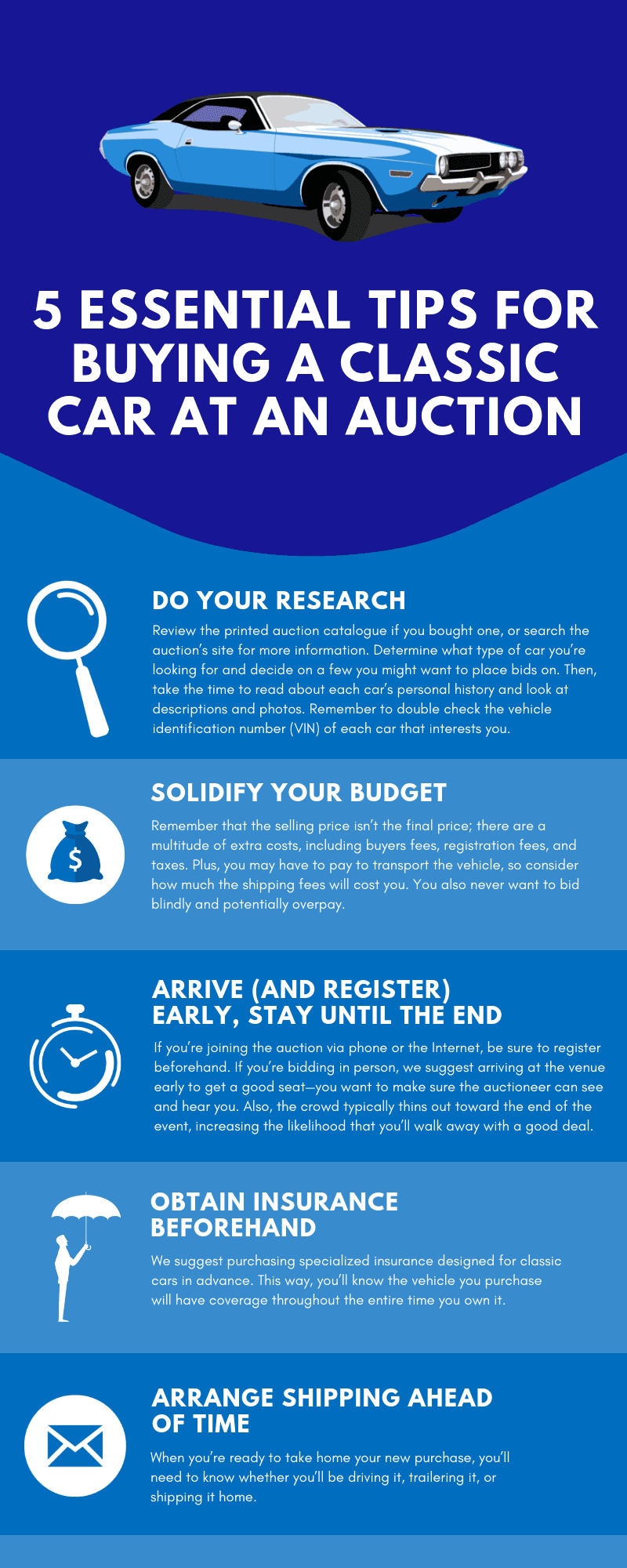
Before even stepping foot into an auction or logging onto an online platform, establish a firm, non-negotiable budget. This budget must encompass not just the maximum bid you’re willing to place, but all the additional fees, taxes, and a realistic estimate for potential repairs.
- Understand Your Financial Limits: Determine the absolute maximum you can afford to spend, including financing if applicable. Remember that most auction purchases require immediate payment, often within 24-48 hours, typically via cashier’s check or wire transfer. Ensure you have these funds readily accessible.
- Research Market Values: Use resources like Kelley Blue Book (KBB), Edmunds, and NADA Guides to research the fair market value of the specific makes and models you’re interested in. Look at private party sale values and dealership retail prices. Your goal at auction is to ideally purchase well below the private party value to allow for fees and potential repairs while still realizing a saving compared to retail.
- Allocate for Contingencies: A critical component of an auction budget is a contingency fund for unexpected repairs. Even with thorough inspection, some issues only become apparent after purchase. A general rule of thumb might be to set aside 10-20% of your desired vehicle purchase price for immediate post-auction repairs.
Sticking to your budget is paramount. The fast-paced, competitive atmosphere of an auction can easily lead to “bidder’s fever,” causing buyers to overpay. Financial discipline here directly translates into the profitability of your purchase.
Vehicle Research: Uncovering Potential Liabilities
Thorough vehicle research is your primary defense against costly post-purchase surprises. This extends beyond merely identifying the make and model.
- Vehicle History Reports (VHRs): Always obtain a CarFax or AutoCheck report. These reports provide invaluable financial insights into a vehicle’s past, including accident history, salvage titles, odometer discrepancies, service records, and previous ownership. A clean VHR significantly reduces financial risk. Be wary of vehicles with “branded” titles (salvage, flood, rebuilt) unless you are an experienced mechanic and understand the immense financial and safety implications. Such vehicles often have significantly reduced resale value and can be difficult to insure.
- Common Issues by Model: Research common mechanical or electrical problems specific to the year, make, and model you’re targeting. Knowing these ahead of time can inform your inspection and help you anticipate potential repair costs.
- Recalls: Check for any outstanding manufacturer recalls that might affect the vehicle’s safety or require costly future servicing.
Understanding Auction Fees and Additional Expenses
As highlighted earlier, a detailed breakdown of all fees is essential before you even start bidding. Auction houses should provide a fee schedule. Review it meticulously.
- Buyer’s Premium: This is the most common fee and is a percentage of the winning bid.
- Gate Fees/Entry Fees: Some physical auctions charge a small fee to enter or register.
- Online Platform Fees: If bidding online, there might be additional platform-specific fees.
- Late Payment Fees: Be acutely aware of payment deadlines. Missing them can incur significant penalties, eroding any financial advantage you might have gained.
Integrate all these known fees into your maximum bid calculation. If your budget for a car is $5,000 and the buyer’s premium is 10%, your maximum hammer price bid should be closer to $4,500 to stay within your $5,000 total.
Navigating the Auction Floor: Strategic Bidding and Payment
Once the groundwork of research and budgeting is complete, the physical or virtual auction experience demands strategic execution to secure a financially sound purchase.
Inspecting Vehicles: A Crucial Financial Precaution
For physical auctions, pre-inspection is non-negotiable for mitigating financial risk. Most auctions offer a viewing period before the bidding starts.
- Bring a Mechanic (if allowed): The best financial advice for auction car buying is to bring a trusted mechanic to assess the vehicle’s condition. Their expertise can save you thousands in unforeseen repair costs. They can identify fluid leaks, unusual engine noises, suspension issues, and signs of accident damage that an untrained eye might miss.
- Visual Inspection Checklist:
- Exterior: Check for consistent paint color (repaired bodywork), panel gaps, tire wear (uneven wear can indicate alignment issues), rust, and fluid leaks underneath.
- Interior: Look for excessive wear, strange odors (mold, smoke), water damage, and ensure all electrical components (lights, windows, radio, A/C) are functional.
- Engine Bay: Look for corrosion, signs of major leaks, frayed belts, and overall cleanliness. A very clean engine bay might sometimes mask leaks.
- Undercarriage: Inspect for rust, damage, or repairs.
- Start the Engine (if allowed): Listen for unusual noises (knocking, ticking), check for excessive smoke from the exhaust (especially blue or white smoke), and observe dashboard warning lights.
- No Test Drives: Remember, test drives are almost never permitted at auctions. This increases the risk, making the visual and auditory inspection even more critical.
For online auctions, rely heavily on provided photos, videos, and descriptions. Look for high-resolution images that show various angles, including the undercarriage and engine bay. Be skeptical of listings with poor-quality photos or vague descriptions.
Bidding Strategy: Maximizing Value, Minimizing Overpayment
Bidding at an auction is a psychological and financial game. A disciplined strategy prevents overpaying.
- Determine Your Maximum Bid (and Stick to It): Reiterate your pre-determined maximum bid, including all fees and estimated repairs. Do not exceed this figure, no matter how appealing the vehicle seems or how competitive the bidding becomes.
- Observe and Learn: For first-timers, spending time observing a few auction rounds can be invaluable. Understand the pace, how bids are placed, and the typical price ranges for different vehicles.
- Bid Confidently and Clearly: When you bid, make it obvious to the auctioneer. Hesitation can lead to missed opportunities or confusion.
- Avoid “Bidding Wars”: Emotional bidding is the enemy of financial prudence. If the price quickly approaches your maximum or exceeds it, walk away. There will always be other cars.
- “Shill Bidding” Awareness: While illegal, sometimes phantom bids can artificially inflate prices. Be aware of this possibility, especially if you suspect someone is bidding without actually looking at the vehicle.
Post-Auction Financial Obligations: Payment and Pickup
Congratulations if you win a bid! Now, the financial obligations kick in immediately.
- Prompt Payment: Be prepared to pay for the vehicle quickly. Most auctions require payment in full by the end of the auction day or within 24-48 hours. Accepted methods are usually cashier’s checks, certified funds, or wire transfers. Personal checks are rarely accepted.
- Retrieve Documentation: Ensure you receive the vehicle’s title or appropriate proof of ownership and a bill of sale. Without these, you won’t be able to register the car, creating a significant financial and legal headache.
- Timely Pickup: Auctions typically have strict deadlines for vehicle removal. Exceeding these deadlines often incurs storage fees, which can quickly add up and diminish your savings. Arrange for immediate pickup or transport.
Beyond the Hammer: Post-Purchase Financial Considerations
The financial journey doesn’t end when you win the bid. There are several post-purchase steps that impact the true cost of your auction vehicle.
Transportation and Registration Costs
Once purchased, the vehicle needs to be moved and legally put on the road.
- Transportation Logistics: If the vehicle is not immediately drivable, or if you prefer not to drive it home, arrange for towing or professional transport. Factor these costs into your initial budget.
- Temporary Tags and Insurance: Before driving an auction vehicle home, ensure you have temporary tags and proof of insurance. Driving an uninsured or unregistered vehicle is a significant financial risk due to potential fines and liability in case of an accident.
- Vehicle Registration: You’ll need the bill of sale and the vehicle title to register the car with your state’s Department of Motor Vehicles (DMV). Be prepared for standard registration fees and license plate costs.
Potential Repairs and Value-Add Investments
This is where your contingency fund proves its worth. Immediately after purchase, a thorough inspection by your trusted mechanic is recommended, even if you brought one to the auction.
- Prioritize Essential Repairs: Focus first on repairs that affect safety, drivability, and legal compliance (e.g., brakes, tires, lights, emissions components).
- Budget for Deferred Maintenance: Auction vehicles often have deferred maintenance. Plan for oil changes, fluid flushes, belt replacements, and other standard service items that may have been neglected.
- Strategic Upgrades for Resale Value: If you bought the car for future resale, consider strategic investments that add significant value without overspending. This could include professional detailing, minor cosmetic repairs, or upgrading worn interior components. Each dollar spent here should ideally yield more than a dollar in increased resale value.

Insuring Your Auction Find
Getting proper insurance coverage is crucial and can sometimes be more complex for auction vehicles.
- Proof of Ownership: Insurance companies will require proof of ownership (title, bill of sale) before issuing a policy.
- Vehicle Condition: If the vehicle has a branded title (e.g., salvage, rebuilt), some insurance companies may be hesitant to offer comprehensive coverage, or premiums might be higher. This is a critical financial consideration, as liability-only coverage might expose you to significant out-of-pocket expenses if the vehicle is damaged.
- Immediate Coverage: Ensure you have at least liability insurance before driving the vehicle off the lot. Contact your insurance provider ahead of time to understand their requirements for auction purchases and temporary coverage options.
Buying a car at auction can indeed be a financially rewarding endeavor, offering the potential for significant savings over retail prices. However, this advantage is only realized through diligent research, disciplined budgeting, thorough inspection, and a clear understanding of all associated costs and risks. Approached with a strategic mindset and an unwavering commitment to financial prudence, the auction floor can be an excellent source for your next vehicle.
aViewFromTheCave is a participant in the Amazon Services LLC Associates Program, an affiliate advertising program designed to provide a means for sites to earn advertising fees by advertising and linking to Amazon.com. Amazon, the Amazon logo, AmazonSupply, and the AmazonSupply logo are trademarks of Amazon.com, Inc. or its affiliates. As an Amazon Associate we earn affiliate commissions from qualifying purchases.