
Regular vehicle maintenance is a critical component of sound personal finance, directly impacting your budget, long-term savings, and overall financial stability. Among the myriad of tasks that keep your car running smoothly, spark plug replacement often raises questions about cost, necessity, and the best way to secure quality service without overspending. Understanding the financial implications of this seemingly minor repair can empower you to make informed decisions, whether you’re a seasoned car owner or a newcomer to vehicle maintenance. This guide delves into the economic aspects of spark plug replacement, from understanding service costs to budgeting strategies, ensuring your vehicle remains a reliable asset rather than a financial drain.
Understanding the Cost of Spark Plug Replacement
The question “who changes spark plugs near me” isn’t just about location; it’s fundamentally about cost and value. Spark plug replacement, while essential for engine performance and fuel efficiency, comes with a varied price tag depending on several factors. Dissecting these costs is the first step in smart financial planning for vehicle maintenance.
Factors Influencing Price
The total expenditure for replacing spark plugs isn’t monolithic. Several key variables contribute to the final bill:
- Vehicle Make and Model: Luxury vehicles, high-performance cars, or those with complex engine designs often require specialized spark plugs and more labor-intensive procedures. For instance, accessing spark plugs in a V6 or V8 engine might require removing intake manifolds or other components, significantly increasing labor time compared to an easily accessible four-cylinder engine.
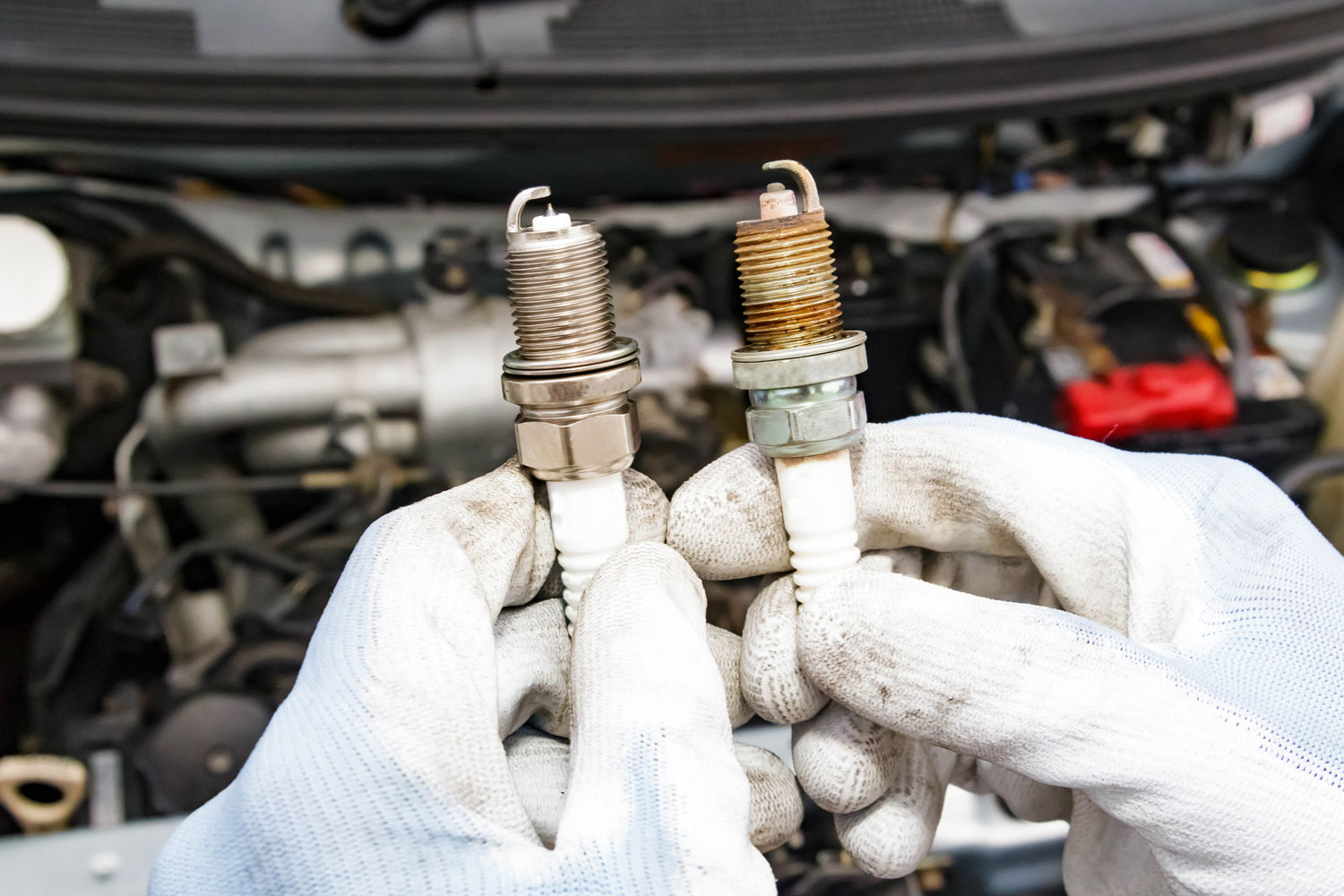
- Type of Spark Plugs: Modern vehicles utilize various types of spark plugs, including copper, platinum, and iridium. Iridium plugs, known for their longevity and superior performance, are typically the most expensive but also last the longest, often over 100,000 miles. Copper plugs are cheaper but have a shorter lifespan, usually requiring replacement every 30,000 miles. Platinum plugs fall in between in terms of cost and durability. The choice impacts both the immediate parts cost and the long-term maintenance schedule.
- Labor Rates: Labor rates vary significantly by region, mechanic, and type of repair shop. Dealerships generally command higher hourly rates than independent garages or local mechanics. Urban areas often have higher labor costs than rural ones. The complexity of the job directly translates into labor hours, which then multiply by the shop’s hourly rate. Some shops might quote a flat rate for the job, which can sometimes be more advantageous if the repair proves more challenging than anticipated.
- Additional Services: During a spark plug replacement, mechanics might identify other issues or offer supplementary services like throttle body cleaning, ignition coil inspection, or air filter replacement. While these can be beneficial for overall engine health, they will add to the total cost. It’s crucial to understand what’s included in the quoted price and what are optional add-ons.
DIY vs. Professional Service: A Financial Breakdown
One of the most common dilemmas for budget-conscious car owners is deciding whether to tackle spark plug replacement themselves or entrust it to a professional. Each option carries distinct financial implications.
- Do-It-Yourself (DIY): For mechanically inclined individuals, replacing spark plugs can be a significant cost-saver. The primary expense is the cost of the spark plugs themselves, which can range from $4-$15 per plug, plus the cost of any necessary tools (e.g., spark plug socket, torque wrench, gap gauge). For a four-cylinder engine, the total parts cost might be $16-$60. If you already own the tools, the savings are substantial, as you eliminate labor costs entirely. However, DIY carries risks. Incorrect installation, over-tightening, or damaging threads can lead to far more expensive repairs, potentially costing hundreds or even thousands of dollars. The financial risk of a mistake must be weighed against the potential savings.
- Professional Service: Opting for a professional ensures the job is done correctly, often with a warranty on parts and labor. While the labor cost is an added expense, it buys peace of mind and expertise. For a typical four-cylinder vehicle, the total cost for professional spark plug replacement can range from $100-$300, including parts and labor. For more complex engines (V6, V8, or engines requiring significant disassembly), the cost can easily climb to $300-$600 or more. The financial benefit here is mitigating the risk of costly errors and ensuring optimal engine performance, which can lead to better fuel efficiency and prevent future breakdowns. When considering a professional, always obtain multiple quotes to ensure you’re getting a competitive price.
Finding Value: How to Choose a Mechanic Without Breaking the Bank
When searching for “who changes spark plugs near me,” your goal should be to find a reputable service provider who offers quality work at a fair price. This requires diligent research and a clear understanding of what constitutes good value.
Researching Local Service Providers
The digital age provides numerous tools to vet potential mechanics and shops. Start by utilizing online search engines and review platforms.
- Online Reviews and Ratings: Websites like Google Reviews, Yelp, and specialized automotive repair directories provide customer feedback on local shops. Look for consistent positive reviews, especially those that mention fair pricing, transparency, and good customer service. Pay attention to how shops respond to negative feedback, as this can be indicative of their commitment to customer satisfaction.
- Certifications and Specializations: Look for shops that employ ASE-certified technicians. ASE (Automotive Service Excellence) certification indicates that a technician has proven knowledge and skills in various automotive repair areas. While not exclusive to spark plugs, it’s a general indicator of professionalism and expertise. Some shops might specialize in specific vehicle makes, which can be advantageous for complex jobs, though potentially more expensive.
- Word-of-Mouth Referrals: Ask friends, family, and colleagues for recommendations. Personal endorsements often lead to trusted, local mechanics who prioritize customer relationships over maximizing every single repair bill. A mechanic with a strong local reputation often understands the value of repeat business and fair pricing.
The Importance of Estimates and Transparency
Never commit to a service without a written estimate. This is a fundamental principle of protecting your finances in auto repair.

- Detailed Written Estimates: A reputable shop will provide a detailed estimate that breaks down parts costs, labor hours, and any additional fees (e.g., diagnostic fees, shop supplies). This allows you to compare quotes accurately across different establishments. Be wary of shops that are vague about pricing or refuse to provide a written estimate upfront.
- Questioning the Quote: Don’t hesitate to ask questions if something in the estimate is unclear. Inquire about the brand and type of spark plugs they intend to use, the labor rate, and the estimated time for the repair. A transparent mechanic will be happy to explain their recommendations and pricing structure.
- Avoiding Unnecessary Upsells: While a mechanic might identify other issues during the spark plug replacement, ensure these are legitimate and necessary for your vehicle’s immediate safety or performance. Prioritize critical repairs and defer less urgent ones if your budget is tight. A good mechanic will differentiate between “must-do” and “should-do” repairs, allowing you to make informed financial decisions.
Budgeting for Vehicle Maintenance: Proactive Financial Planning
Proactive budgeting for vehicle maintenance, including spark plug replacement, is a cornerstone of sound personal finance. Rather than reacting to unexpected repairs, a strategic approach ensures you’re financially prepared, mitigating stress and preventing debt.
Estimating Regular Maintenance Costs
Successful vehicle maintenance budgeting starts with understanding the typical lifespan of various components and services.
- Consult Your Owner’s Manual: Your vehicle’s owner’s manual provides a detailed maintenance schedule, including when spark plugs, oil, filters, and other components should be inspected or replaced. Use this as a guide to anticipate future expenses. For spark plugs, intervals can range from 30,000 to 100,000+ miles.
- Average Annual Costs: Research average annual maintenance costs for your specific vehicle make and model. Websites like Edmunds or AAA provide general estimates. While spark plugs might only be replaced every few years, other services occur more frequently. Allocate a monthly amount to cover these anticipated costs. A common rule of thumb is to budget 1-2% of your car’s value annually for maintenance, though this can vary.
- Factor in Unexpected Repairs: Even with diligent maintenance, unforeseen issues can arise. Your budget should include a contingency for these “surprise” expenses, preventing them from derailing your other financial goals.
Creating an Emergency Car Fund
Beyond regular maintenance, a dedicated emergency car fund is a vital financial safeguard.
- Dedicated Savings Account: Set up a separate savings account specifically for vehicle emergencies. This ring-fences money for car-related issues, preventing you from dipping into your general emergency fund or resorting to high-interest credit cards for repairs.
- Regular Contributions: Implement automatic transfers from your checking account to your car fund each payday. Even small, consistent contributions can accumulate significant savings over time. Aim for a target amount that could cover a major repair, such as a transmission issue or a significant engine problem.
- Reducing Financial Stress: Knowing you have funds set aside for vehicle repairs eliminates the financial panic often associated with unexpected breakdowns. This proactive approach supports overall financial well-being and prevents car troubles from becoming budget crises.
The Long-Term Financial Impact of Timely Replacement
Delaying spark plug replacement might seem like a way to save money in the short term, but it invariably leads to greater financial costs down the road. Timely maintenance, including adherence to spark plug replacement schedules, offers significant long-term financial benefits.
Fuel Efficiency and Performance Savings
Spark plugs are critical for efficient fuel combustion. Worn or fouled spark plugs directly impact your vehicle’s ability to burn fuel optimally.
- Reduced Fuel Economy: When spark plugs are old, they deliver a weaker spark, leading to incomplete combustion. This means your engine has to work harder to generate power, consuming more fuel for the same distance. Over time, this diminished fuel economy translates into significantly higher expenses at the gas pump, negating any perceived savings from delaying replacement.
- Improved Engine Performance: New spark plugs ensure a strong, consistent spark, leading to smoother engine operation, better acceleration, and reduced misfires. While not directly a monetary saving, improved performance enhances the driving experience and contributes to the longevity of other engine components that might be strained by a poorly running engine.
- Lower Emissions: Efficient combustion also means fewer harmful emissions. While this is primarily an environmental benefit, it can help your vehicle pass emissions tests, avoiding potential fines or the cost of retesting after repairs.

Avoiding Costlier Repairs Down the Road
Neglecting spark plug replacement can trigger a domino effect, leading to more severe and expensive engine problems.
- Catalytic Converter Damage: Frequent misfires due to bad spark plugs can send unburnt fuel into the exhaust system. This unburnt fuel can overheat and damage the catalytic converter, an expensive component that can cost upwards of $1,000-$2,500 to replace.
- Ignition Coil Failure: Worn spark plugs force ignition coils to work harder, increasing the likelihood of premature failure. Replacing ignition coils adds to the repair bill, often costing several hundred dollars per coil.
- Engine Damage: In extreme cases, chronic misfires and poor combustion can put excessive stress on other engine components, potentially leading to more extensive and costly engine repairs or even complete engine failure, which can render a vehicle uneconomical to repair.
Ultimately, viewing spark plug replacement not as an expense, but as an investment in your vehicle’s health and your financial future, is key. By understanding the costs, researching providers, budgeting proactively, and recognizing the long-term benefits, you transform the simple act of “who changes spark plugs near me” into a smart financial decision that keeps your wallet healthy and your car running reliably for years to come.
aViewFromTheCave is a participant in the Amazon Services LLC Associates Program, an affiliate advertising program designed to provide a means for sites to earn advertising fees by advertising and linking to Amazon.com. Amazon, the Amazon logo, AmazonSupply, and the AmazonSupply logo are trademarks of Amazon.com, Inc. or its affiliates. As an Amazon Associate we earn affiliate commissions from qualifying purchases.