
Navigating the world of car insurance can often feel like deciphering a complex financial puzzle, especially in a state as diverse and densely populated as New York. For many New Yorkers, the monthly premium for car insurance represents a significant, recurring expense that demands careful consideration and strategic planning. While there’s no single, one-size-fits-all answer to “how much is car insurance in NY per month,” understanding the various factors at play can empower consumers to make informed decisions, secure optimal coverage, and potentially save hundreds of dollars annually. This comprehensive guide will break down the intricacies of car insurance costs in New York, offering insights into average expenses, key influencing factors, and actionable strategies to manage your premiums effectively.
Understanding the Landscape of Car Insurance in New York
New York is unique in many respects, and its automotive insurance market is no exception. The state’s large urban centers, diverse rural areas, and specific legal requirements all contribute to a dynamic and often higher-than-average insurance cost environment.
New York’s Unique Insurance Requirements
Before delving into costs, it’s crucial to understand what New York mandates. The state operates under a “no-fault” insurance system, which means that in the event of an accident, your own insurance company typically pays for your medical expenses and other economic losses, regardless of who was at fault. This system is designed to streamline claims and reduce litigation.
Minimum liability coverage requirements in New York are:
- Bodily Injury Liability: $25,000 per person / $50,000 per accident
- Property Damage Liability: $10,000 per accident
- Personal Injury Protection (PIP): $50,000 per person
- Uninsured/Underinsured Motorist Bodily Injury: $25,000 per person / $50,000 per accident
These minimums are just a starting point. Many financial advisors recommend carrying higher limits for greater protection, which, naturally, will influence your monthly premium.
Average Costs: A Starting Point
While averages can be misleading due to the multitude of variables, they offer a general benchmark. Across New York State, the average cost for full coverage car insurance often hovers around $2,500 to $3,500 per year, which translates to roughly $200 to $290 per month. However, these figures can fluctuate wildly. For minimum coverage, the statewide average might drop to around $1,200 to $1,800 per year, or $100 to $150 per month.
It’s important to note that these averages encompass a vast spectrum, with urban areas like New York City often seeing premiums significantly higher than the state average, and more rural regions potentially paying less.
Factors Driving Premiums in the Empire State
Several overarching factors contribute to New York’s relatively high insurance costs:
- Dense Population: More cars on the road, especially in metropolitan areas, lead to a higher likelihood of accidents and theft.
- High Cost of Living: Everything from repairs to medical care tends to be more expensive in New York, which directly impacts the cost of claims.
- No-Fault System: While designed for efficiency, the no-fault system can sometimes lead to higher overall payouts, which insurers factor into premiums.
- Fraud: Unfortunately, insurance fraud is a persistent issue that contributes to higher costs for all policyholders.
Key Factors Influencing Your Monthly Premium
Beyond the general state-level dynamics, a myriad of individual factors directly impacts how much you will pay for car insurance in New York each month. Understanding these can help you identify areas where you might have leverage.
Driver-Specific Variables: Age, Experience, and Driving Record
Your personal profile is perhaps the most significant determinant of your premium:
- Age and Experience: Younger, less experienced drivers (especially those under 25) typically face the highest premiums due to statistical data indicating a higher risk of accidents. Rates tend to decrease with age and experience, usually stabilizing in the 30s through 60s, before potentially rising slightly again for very senior drivers.
- Driving Record: A clean driving record is gold. Accidents, traffic violations (speeding tickets, DUIs), and past claims will almost certainly lead to higher premiums. Insurers use these as indicators of future risk.
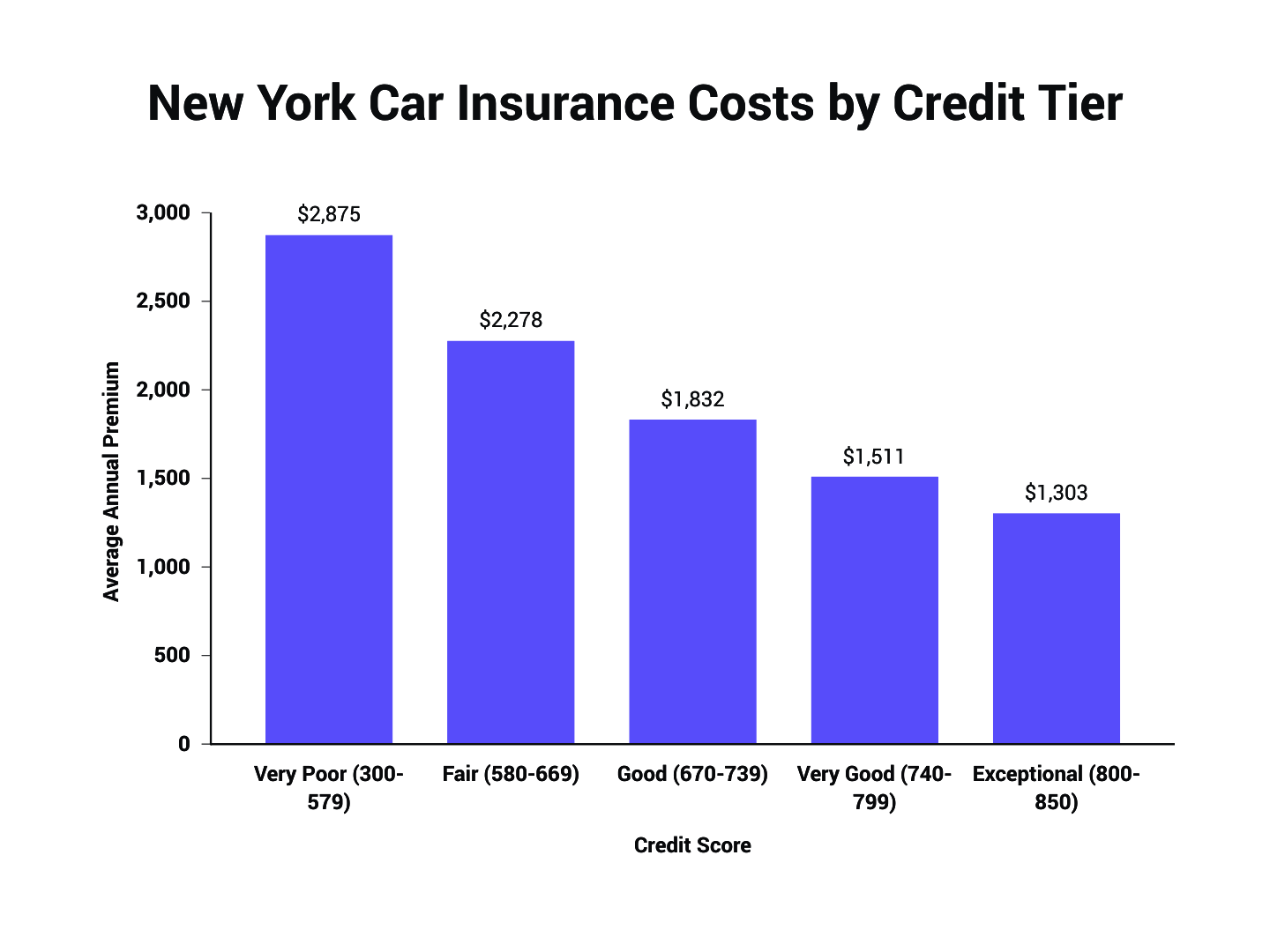
- Credit Score: In New York, as in many states, insurance companies may use a credit-based insurance score as part of their underwriting process. A higher credit score often correlates with lower premiums, as statistical analyses suggest individuals with better credit tend to file fewer claims.
- Marital Status: Married individuals often receive slightly lower rates than single drivers, as they are statistically perceived as more stable and less risky.
Vehicle Characteristics: Make, Model, and Safety Features
The car you drive plays a direct role in its insurance cost:
- Make and Model: Luxury vehicles, sports cars, and high-performance models generally cost more to insure due to higher repair costs, greater likelihood of theft, and often more aggressive driving patterns associated with them.
- Age of Vehicle: Newer cars are typically more expensive to repair or replace, especially with advanced technological features, leading to higher premiums. Older cars, while cheaper to insure for comprehensive/collision, might lack modern safety features.
- Safety Features: Vehicles equipped with advanced safety features (e.g., anti-lock brakes, airbags, adaptive cruise control, lane-keeping assist) often qualify for discounts because they reduce the likelihood or severity of accidents.
- Anti-Theft Devices: Cars with built-in anti-theft systems (alarms, immobilizers, GPS tracking) are less likely to be stolen, which can translate to lower comprehensive coverage costs.
Geographic Location Within New York
Where you park your car and where you primarily drive matters immensely:
- Urban vs. Rural: Residents of highly populated areas like New York City (Manhattan, Brooklyn, Queens, Bronx), Buffalo, and Rochester typically pay significantly more due to higher traffic density, increased accident rates, higher rates of theft and vandalism, and greater potential for severe weather events. Rural areas, with less traffic and lower crime rates, usually enjoy lower premiums.
- ZIP Code Specifics: Even within a city, different ZIP codes can have varying rates based on local accident statistics, crime rates, and road conditions.
Coverage Levels and Deductibles
The choices you make about your policy structure directly impact your monthly payments:
- Liability Limits: Opting for higher liability limits (e.g., $100,000/$300,000 bodily injury, $50,000 property damage) provides greater financial protection but will increase your premium compared to minimum coverage.
- Comprehensive and Collision: These optional coverages protect your own vehicle. Comprehensive covers damage from non-collision events (theft, vandalism, fire, natural disasters), while collision covers damage from accidents with other vehicles or objects. Removing these will lower your premium, but at the risk of significant out-of-pocket costs if your car is damaged.
- Deductibles: This is the amount you pay out-of-pocket before your insurance kicks in for comprehensive and collision claims. Choosing a higher deductible (e.g., $1,000 instead of $500) will lower your monthly premium, but means you’ll pay more upfront if you file a claim.
- Additional Coverages: Add-ons like roadside assistance, rental car reimbursement, gap insurance, or new car replacement will incrementally increase your monthly cost.
Strategies to Lower Your Car Insurance Costs
While many factors are beyond your immediate control, there are numerous proactive steps you can take to reduce your monthly car insurance premium in New York.

Smart Shopping: Comparing Quotes
This is perhaps the most impactful strategy. Insurance companies use different algorithms and have varying risk appetites, meaning the same coverage from different providers can vary by hundreds of dollars annually.
- Shop Around Regularly: Don’t just stick with your current insurer out of loyalty. Get quotes from at least 3-5 different companies every year or two, and especially after major life events (marriage, moving, buying a new car, adding a driver).
- Use Comparison Websites: Online aggregators can quickly provide multiple quotes, but always double-check directly with the insurer to ensure accuracy and explore all available discounts.
- Consider Independent Agents: These professionals work with multiple insurance companies and can often find competitive rates and tailor policies to your specific needs.
Maximizing Discounts
Most insurers offer a plethora of discounts. Make sure you’re getting all you qualify for:
- Multi-Policy/Bundling Discount: Combine your car insurance with homeowners, renters, or life insurance policies from the same provider. This is often one of the largest discounts available.
- Multi-Car Discount: Insuring multiple vehicles under one policy.
- Good Driver Discount: For maintaining a clean driving record over a specified period (e.g., 3-5 years).
- Defensive Driving Course Discount: Completing an approved defensive driving course (like a Point & Insurance Reduction Program) can not only reduce your insurance premium but also potentially reduce points on your license.
- Good Student Discount: For high school or college students who maintain a certain GPA.
- Safety Features/Anti-Theft Discounts: For vehicles equipped with specific safety or security devices.
- Low Mileage Discount: If you don’t drive frequently or commute long distances.
- Pay-in-Full Discount: Some insurers offer a discount for paying your entire premium upfront rather than monthly installments.
- Automatic Payment/Paperless Billing Discount: Small discounts for convenience.
Adjusting Coverage Wisely
Evaluate your current financial situation and the value of your vehicle:
- Review Comprehensive and Collision: If your car is older and its market value is low, the cost of comprehensive and collision coverage might outweigh its potential payout. Consider dropping these if your car isn’t worth much more than your deductible plus the annual premium.
- Increase Your Deductible: If you have a healthy emergency fund, consider increasing your comprehensive and collision deductibles. A higher deductible means a lower monthly premium, but only opt for this if you can comfortably afford the higher out-of-pocket expense in case of a claim.
- Avoid Over-Insuring: While adequate coverage is crucial, ensure you’re not paying for coverages you don’t need or that overlap with other policies (e.g., roadside assistance if you already have AAA).
Improving Your Driving Profile
Over time, your actions behind the wheel can directly impact your insurance costs:
- Maintain a Clean Record: Avoid accidents and traffic violations. This is the single best long-term strategy for lower premiums.
- Improve Your Credit Score: A better credit score can lead to lower insurance rates.
- Consider Telematics Programs: Many insurers offer programs (using a device or app) that monitor your driving habits (speed, braking, mileage). Safe drivers can earn significant discounts.
Navigating the Purchase Process and Policy Management
Securing the right car insurance isn’t just about finding the cheapest rate; it’s about getting appropriate coverage from a reliable provider.
Choosing the Right Provider
Beyond price, consider the insurer’s reputation and customer service:
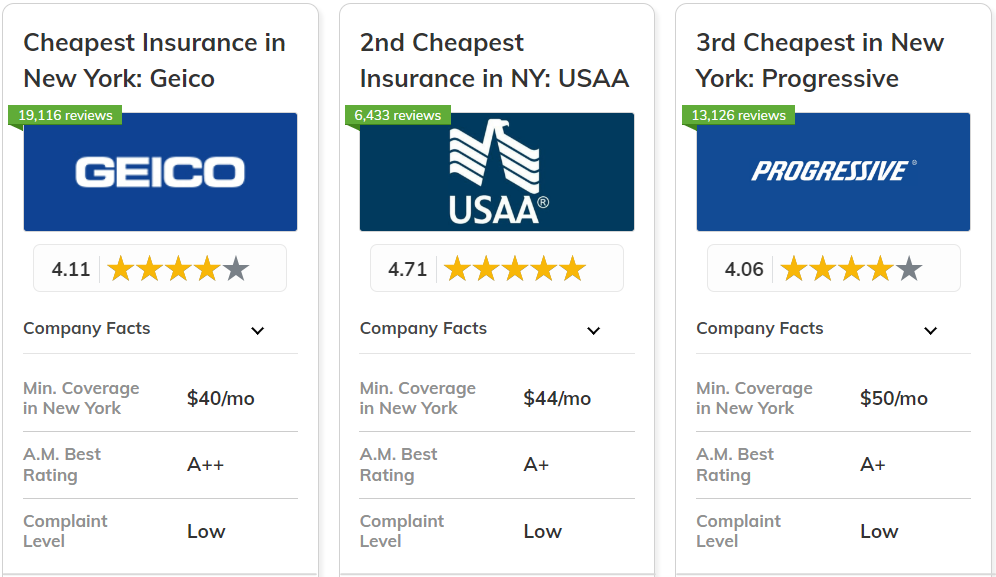
- Financial Strength: Choose companies with strong financial ratings (e.g., from A.M. Best) to ensure they can pay out claims.
- Customer Service and Claims Handling: Research reviews and ratings regarding their claims process. A low premium is worthless if you face an uphill battle during a stressful claims situation.
- Digital Tools: Many modern insurers offer user-friendly apps and online portals for managing policies, payments, and claims.
Understanding Your Policy Documents
Don’t just sign and forget. Read your policy documents carefully to understand:
- Coverage Limits: Exactly what your policy covers and up to what monetary amount.
- Exclusions: What is not covered.
- Deductibles: The out-of-pocket amount you’re responsible for.
- Endorsements: Any additional coverages or modifications to the standard policy.
Annual Reviews and Adjustments
Your life changes, and so should your insurance policy.
- Review Annually: Set a reminder to review your policy every year. Your driving habits might have changed, your car’s value may have depreciated, or new discounts might be available.
- Update Information Promptly: Inform your insurer about significant life changes like moving, getting married, adding a new driver, or buying a new car. Failure to do so could lead to issues during a claim or policy cancellation.
Beyond the Monthly Premium: The Value of Adequate Coverage
While the focus is often on the monthly cost, it’s crucial to remember that car insurance is fundamentally a protective financial tool. Skimping on coverage to save a few dollars can lead to devastating financial consequences down the line.
The True Cost of Being Underinsured
Minimum coverage might seem attractive for its low monthly premium, but it rarely provides adequate protection, especially in a state like New York with its high cost of living and potential for severe accidents.
- High Out-of-Pocket Expenses: If you cause an accident and your liability limits are exhausted, you are personally responsible for the remaining damages. This could mean lawsuits, wage garnishment, or even bankruptcy.
- Lack of Personal Vehicle Protection: Without comprehensive and collision, damage to your own vehicle, even from a minor fender bender, will come entirely out of your pocket.
- Stress and Legal Fees: Being inadequately insured can lead to immense stress, legal battles, and long-term financial instability.
Peace of Mind and Financial Security
Ultimately, car insurance is about protecting your financial future. Paying a slightly higher monthly premium for robust coverage can offer invaluable peace of mind, knowing that you and your assets are protected against the unpredictable nature of the road. It’s an investment in your financial security, guarding against potentially crippling costs arising from accidents, theft, or other unforeseen events.
In conclusion, “how much is car insurance in NY per month” is a complex question with a multifaceted answer. By understanding the factors that influence premiums, proactively seeking out discounts, and regularly comparing quotes, New Yorkers can navigate this essential financial obligation effectively. While striving for affordability, never compromise on adequate coverage, as the true value of car insurance lies in the comprehensive financial protection it provides.
aViewFromTheCave is a participant in the Amazon Services LLC Associates Program, an affiliate advertising program designed to provide a means for sites to earn advertising fees by advertising and linking to Amazon.com. Amazon, the Amazon logo, AmazonSupply, and the AmazonSupply logo are trademarks of Amazon.com, Inc. or its affiliates. As an Amazon Associate we earn affiliate commissions from qualifying purchases.