
The dollar’s value is a concept far more complex and dynamic than simply looking up an exchange rate. It is a critical pulse point of the global economy, influencing everything from the price of your morning coffee to the stability of international markets. For individuals, businesses, and governments alike, understanding “what is the value of the dollar today” means grasping its purchasing power, its strength relative to other currencies, and its overarching role in the world’s financial system. It’s not a static figure but a constantly shifting indicator shaped by a myriad of economic, political, and social forces. Delving into its intricacies reveals a profound connection to personal finance, investment strategies, and the broader economic landscape, making an informed perspective on the dollar’s true worth an indispensable tool for navigating today’s financial world.

The Multifaceted Nature of the Dollar’s Value
To truly understand the dollar’s value, one must look beyond a single metric and appreciate its different dimensions. Its worth is simultaneously a domestic purchasing power, an international exchange rate, and a global reserve asset, each aspect influenced by distinct factors and carrying unique implications.
Purchasing Power: What Your Dollar Buys at Home
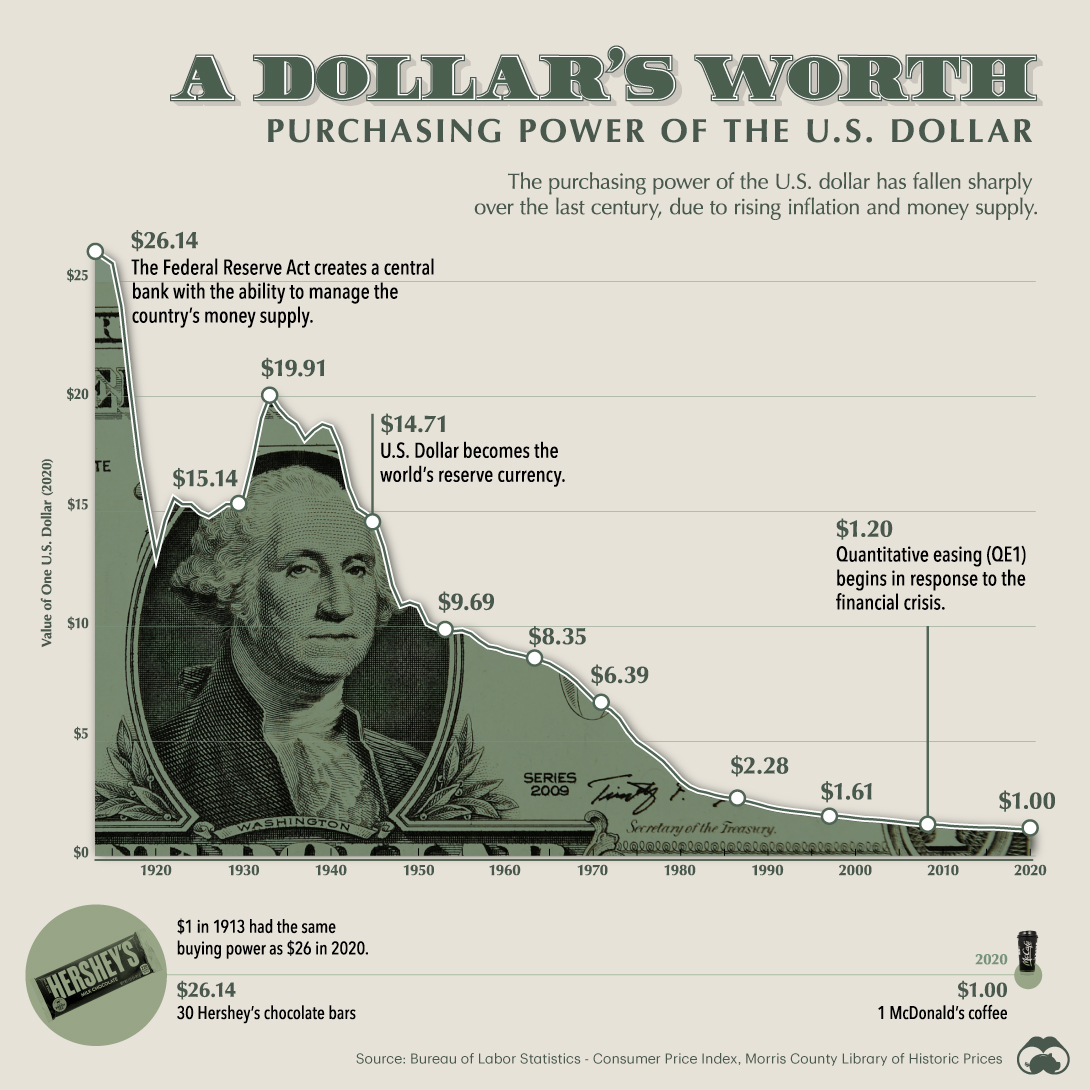
At its most fundamental level, the value of the dollar for the average American is its purchasing power – how many goods and services it can buy within the domestic economy. This internal value is primarily dictated by inflation and deflation. When inflation rises, the purchasing power of each dollar decreases, meaning it costs more dollars to acquire the same basket of goods over time. Conversely, deflation would increase its purchasing power, though persistent deflation is generally seen as detrimental to economic growth.
The Consumer Price Index (CPI) is a widely watched economic indicator that measures the average change over time in the prices paid by urban consumers for a market basket of consumer goods and services. A rising CPI signals inflation, directly eroding the dollar’s internal value. Understanding purchasing power is crucial for personal finance, as it directly impacts savings, investment returns, and the cost of living. A dollar saved today, if not invested wisely, will likely buy less in the future due to the relentless march of inflation, highlighting the difference between nominal value (the face value) and real value (the value adjusted for inflation).
Exchange Rate: The Dollar’s Strength Against Other Currencies
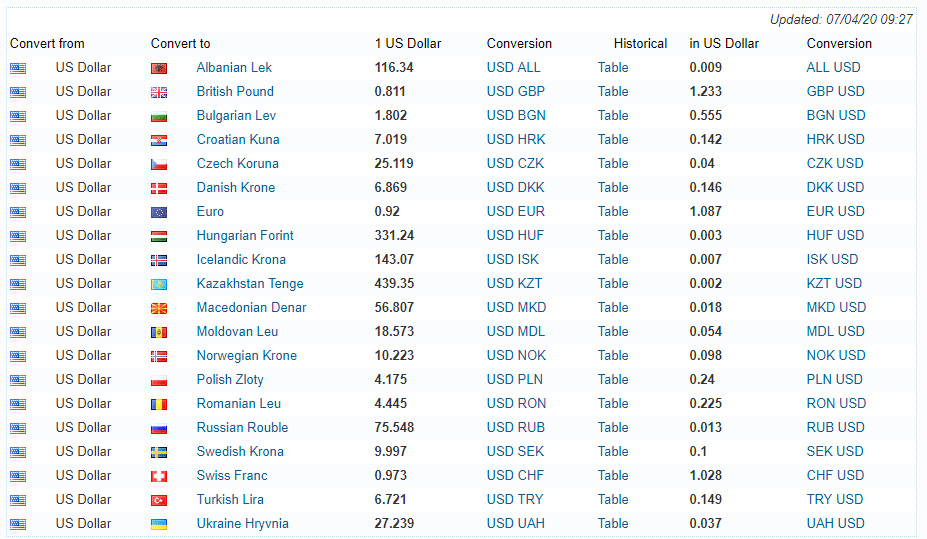
Beyond its domestic purchasing power, the dollar’s value is critically defined by its exchange rate against other major currencies. This is the metric most commonly referred to when people talk about the “strong dollar” or “weak dollar” in the news. The exchange rate determines how many units of a foreign currency one U.S. dollar can purchase, or vice versa. For example, if the USD/EUR exchange rate is 1.08, it means one U.S. dollar can buy 1.08 Euros.
A stronger dollar makes imports cheaper for U.S. consumers and businesses, reducing the cost of foreign goods and services. It also makes international travel more affordable for Americans. However, it makes U.S. exports more expensive for foreign buyers, potentially hurting American companies that sell goods abroad. Conversely, a weaker dollar makes U.S. exports more competitive but makes imports and foreign travel more expensive. Major currency pairs, such as USD/EUR, USD/JPY, and USD/GBP, are constantly traded in the global foreign exchange market, with their fluctuations influenced by interest rate differentials, economic performance disparities, trade balances, and geopolitical events.
Global Reserve Currency Status: The Dollar’s International Role
Perhaps the most significant aspect of the dollar’s value is its unparalleled status as the world’s primary reserve currency. For decades, central banks around the globe have held a substantial portion of their foreign exchange reserves in U.S. dollars. This unique position stems from the size and stability of the U.S. economy, the depth and liquidity of its financial markets, and its role as a safe haven in times of global uncertainty.
This status means that a vast amount of international trade, especially in commodities like oil, is denominated in dollars. Many countries peg their currencies to the dollar or use it as a reference. This global demand for dollars means that the U.S. can finance its deficits more easily and that its monetary policy has significant ripple effects worldwide. The dollar’s reserve status grants the U.S. substantial geopolitical influence and contributes to the stability of the international financial system, even as debates occasionally surface about de-dollarization and the rise of alternative currencies.
Key Drivers Influencing the Dollar’s Value
The intricate dance of the dollar’s value is orchestrated by a powerful ensemble of economic indicators, policy decisions, and global events. Understanding these drivers is essential for anyone looking to comprehend its current standing and potential future trajectory.
Interest Rates and Monetary Policy
The Federal Reserve, the U.S. central bank, plays a pivotal role in determining the dollar’s value through its monetary policy, particularly its setting of the federal funds rate. When the Federal Reserve’s Federal Open Market Committee (FOMC) decides to raise interest rates, it generally makes dollar-denominated assets (like U.S. Treasury bonds) more attractive to foreign investors seeking higher returns. This increased demand for U.S. assets translates into an increased demand for the dollar itself, strengthening its value against other currencies. Conversely, when the Fed lowers interest rates, the appeal of dollar-denominated assets may diminish, potentially leading to a weakening of the dollar. Beyond benchmark rates, the Fed’s quantitative easing (QE) or quantitative tightening (QT) programs, which involve buying or selling government securities, also exert significant influence on the money supply and, consequently, the dollar’s value.
Economic Indicators and Performance
The health and performance of the U.S. economy are paramount to the dollar’s value. A strong, growing economy signals stability and opportunity, attracting capital inflows and bolstering confidence in the currency. Key economic indicators provide snapshots of this health:
- Gross Domestic Product (GDP) Growth: Robust GDP growth typically correlates with a stronger dollar, as it suggests a vibrant economy capable of attracting investment.
- Employment Data: Figures like the Non-Farm Payrolls and the unemployment rate are closely watched. Strong job growth indicates economic expansion and consumer spending power, which are positive for the dollar.
- Inflation Data: As discussed, the Consumer Price Index (CPI) and Producer Price Index (PPI) directly affect purchasing power. High, persistent inflation can erode the dollar’s domestic value, but if U.S. inflation is lower than that of other countries, it might paradoxically strengthen the dollar’s external value as its goods become relatively cheaper.
- Trade Balance: A persistent trade deficit (importing more than exporting) can put downward pressure on the dollar, as it implies a net outflow of dollars to pay for foreign goods. A trade surplus, conversely, can support the dollar.
- Consumer Confidence: High consumer confidence often translates to increased spending, a positive sign for economic growth and the dollar.
Geopolitical Stability and Risk Aversion
In times of global uncertainty, political instability, or financial turmoil elsewhere in the world, the U.S. dollar often acts as a “safe-haven” asset. Investors tend to flock to the dollar, U.S. Treasury bonds, and other dollar-denominated assets because they are perceived as secure and liquid. This increased demand for safety pushes the dollar’s value higher, even if the underlying U.S. economic fundamentals aren’t exceptionally strong. Examples include major global crises, wars, or significant political upheaval in other leading economies. Conversely, if there are significant internal political or social instabilities within the U.S., or if global tensions ease considerably, this safe-haven premium could diminish, potentially weakening the dollar. The stability of U.S. political institutions and its legal framework further underpins this safe-haven appeal.
Impact on Personal Finance and Investing
The fluctuations in the dollar’s value are not abstract economic phenomena; they have tangible, real-world consequences for individuals, investors, and businesses alike, influencing daily decisions and long-term financial planning.
For Consumers and Savers
For the everyday consumer and saver, the dollar’s value primarily manifests through its purchasing power and the cost of goods. Inflation, a decline in the dollar’s internal value, erodes the buying power of savings and makes everyday expenses more costly. This necessitates strategies like investing to outpace inflation. When the dollar strengthens against foreign currencies, imported goods (from electronics to cars to clothing) often become cheaper, which can be a boon for consumers. However, a strong dollar also makes U.S. exports more expensive, potentially impacting industries that rely heavily on international sales and, by extension, employment within those sectors. For those planning international travel, a strong dollar means their money goes further abroad, while a weak dollar makes foreign trips more expensive. Savers, particularly those with significant cash holdings, need to be aware of how inflation can silently diminish their wealth over time.
For Investors
Investors face a complex landscape where dollar strength or weakness can significantly impact their portfolios.
- Stock Market: U.S. multinational corporations, which derive a substantial portion of their revenue from overseas, can be negatively impacted by a strong dollar. When they convert foreign earnings back into dollars, a stronger dollar means fewer dollars. Conversely, a weak dollar can boost their earnings. Domestic-focused companies, however, might be less affected.
- Bond Market: A strong dollar often accompanies higher U.S. interest rates, making U.S. Treasury bonds more attractive to foreign investors. This increased demand can help keep bond yields lower than they might otherwise be, or prevent them from rising too sharply.
- Commodities: Many key commodities, like oil and gold, are priced in U.S. dollars. A stronger dollar makes these commodities more expensive for buyers using other currencies, which can suppress demand and price. Conversely, a weaker dollar can make them cheaper, potentially driving up prices.
- International Diversification: For investors with international holdings, a strong dollar can diminish the value of their foreign assets when converted back to dollars, while a weak dollar can enhance them. This currency risk is a key consideration in global investment strategies.
For Businesses and Entrepreneurs
Businesses, especially those involved in international trade, are highly sensitive to the dollar’s value.
- Import/Export Costs and Revenues: Importers benefit from a strong dollar, as their foreign-sourced goods become cheaper. Exporters, conversely, face challenges as their products become more expensive and less competitive in international markets. A weaker dollar has the opposite effect.
- Foreign Currency Exposure: Businesses with international operations or substantial foreign-denominated receivables or payables must manage foreign currency exposure. Hedging strategies are often employed to mitigate the risks associated with adverse currency movements.
- Capital Raising and Investment Decisions: A strong dollar can make it more attractive for foreign investors to invest in U.S. businesses, potentially lowering the cost of capital. U.S. companies looking to expand abroad might find foreign assets cheaper to acquire with a stronger dollar.
How to Monitor and Interpret Dollar Value Changes
Staying informed about the dollar’s value is crucial for making sound financial decisions. While daily fluctuations are inevitable, understanding the broader trends and the underlying reasons behind them provides valuable context.
Reliable Sources and Tools
To accurately monitor the dollar’s value, it’s essential to consult reputable sources. Central bank statements, particularly those from the Federal Reserve, offer direct insights into monetary policy and economic outlook. Major financial news outlets such as Bloomberg, Reuters, and The Wall Street Journal provide up-to-the-minute economic news, analysis, and expert commentary. Economic data releases from government agencies like the Bureau of Labor Statistics (BLS) and the Bureau of Economic Analysis (BEA) offer raw data on inflation, employment, and GDP. For real-time tracking of exchange rates, numerous financial websites and currency tracking apps are available, often providing historical data and analytical tools. Websites dedicated to macroeconomic analysis can also offer deeper dives into the intricate factors influencing currency movements.
Long-Term vs. Short-Term Perspectives
It’s critical to distinguish between short-term noise and long-term trends when interpreting dollar value changes. Currency markets are highly liquid and can react swiftly and sometimes irrationally to daily news, rumors, or minor data releases. These short-term fluctuations, while interesting, often lack lasting significance for personal finance or business strategy. Instead, focus on understanding the fundamental macroeconomic drivers – sustained changes in interest rate differentials, consistent economic growth or contraction, and major geopolitical shifts. A dollar that strengthens by a fraction of a percent in a day might be due to a fleeting headline, but a sustained upward or downward trend over several months is more likely indicative of a fundamental shift that warrants closer attention and potential adjustment in financial planning. Avoiding overreaction to daily volatility is key.
Proactive Financial Planning
Given the dynamic nature of the dollar’s value, proactive financial planning is paramount. For individuals, this means having a diversified investment portfolio that can weather different economic conditions, including periods of both dollar strength and weakness, as well as inflation. Considering inflation-hedging strategies, such as investments in real estate, commodities, or inflation-protected securities (TIPS), can help preserve purchasing power. For businesses, implementing robust foreign exchange risk management strategies, such as hedging currency exposure through forward contracts or options, is essential to protect profit margins. Regardless of the dollar’s current standing, sound financial principles like budgeting, maintaining an emergency fund, and managing debt remain foundational. The goal isn’t to perfectly predict currency movements but to build resilience into one’s financial framework so that fluctuations in the dollar’s value, while impactful, do not derail long-term financial objectives.
The value of the dollar today is an intricate tapestry woven from domestic economic strength, global financial dynamics, and geopolitical currents. It is a constantly moving target, whose precise worth is determined by a complex interplay of purchasing power, exchange rates, and its role as the world’s leading reserve currency. For everyone from individual consumers to multinational corporations, understanding these facets and their underlying drivers is not merely academic; it is fundamental to making informed financial decisions, managing risk, and securing one’s economic future in an interconnected world. Staying informed and adopting a proactive, resilient approach to financial planning is the most effective way to navigate the ever-shifting landscape of the dollar’s value.
aViewFromTheCave is a participant in the Amazon Services LLC Associates Program, an affiliate advertising program designed to provide a means for sites to earn advertising fees by advertising and linking to Amazon.com. Amazon, the Amazon logo, AmazonSupply, and the AmazonSupply logo are trademarks of Amazon.com, Inc. or its affiliates. As an Amazon Associate we earn affiliate commissions from qualifying purchases.