
The dollar, specifically the United States dollar (USD), is far more than just a piece of paper or a digital entry in an account. It is the lifeblood of the American economy and holds a prominent position in global finance, serving as the world’s primary reserve currency. Understanding “what is the value of the dollar” is not a simple exercise, as its worth is dynamic, multifaceted, and influenced by an intricate web of domestic and international factors. This value manifests in various ways: how much it can purchase domestically, its strength relative to other currencies, and its perceived stability as a global financial asset. For individuals managing their personal finances, businesses engaged in trade, and investors navigating markets, grasping these nuances is critical. It impacts everything from the price of your groceries to the cost of international travel, the profitability of exports, and the returns on your investments. Delving into the dollar’s value requires an exploration of economic principles, market dynamics, and geopolitical considerations that constantly shape its standing.
Understanding the Dollar’s Multifaceted Roles and Value Propositions
The perceived and actual value of the dollar stems from its fundamental roles within economic systems, both domestically and internationally. These roles imbue it with different layers of “value” that financial participants consider.
The Dollar as a Medium of Exchange
At its most basic level, the dollar serves as a medium of exchange. This means it is widely accepted as payment for goods and services, eliminating the inefficiencies of bartering. Its value in this context is its utility in facilitating transactions. Without a widely accepted medium of exchange, economic activity would slow to a crawl. The more universally accepted and trusted a currency is, the more efficient the economy becomes. The dollar’s status as a global medium of exchange extends beyond U.S. borders, underpinning a vast proportion of international trade and financial transactions. This widespread acceptance inherently contributes to its value and stability, as businesses and individuals worldwide rely on it for seamless commerce.
The Dollar as a Store of Value
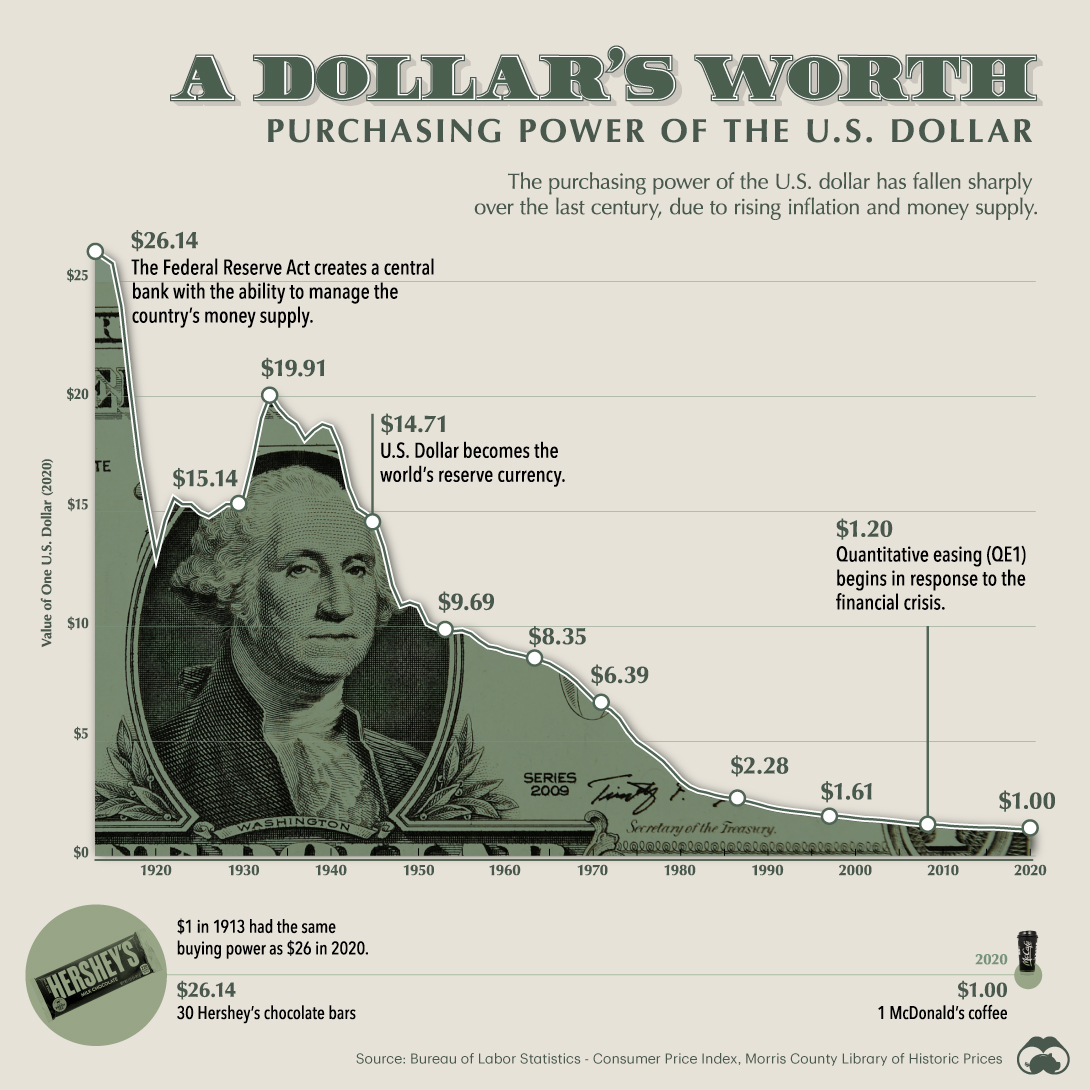
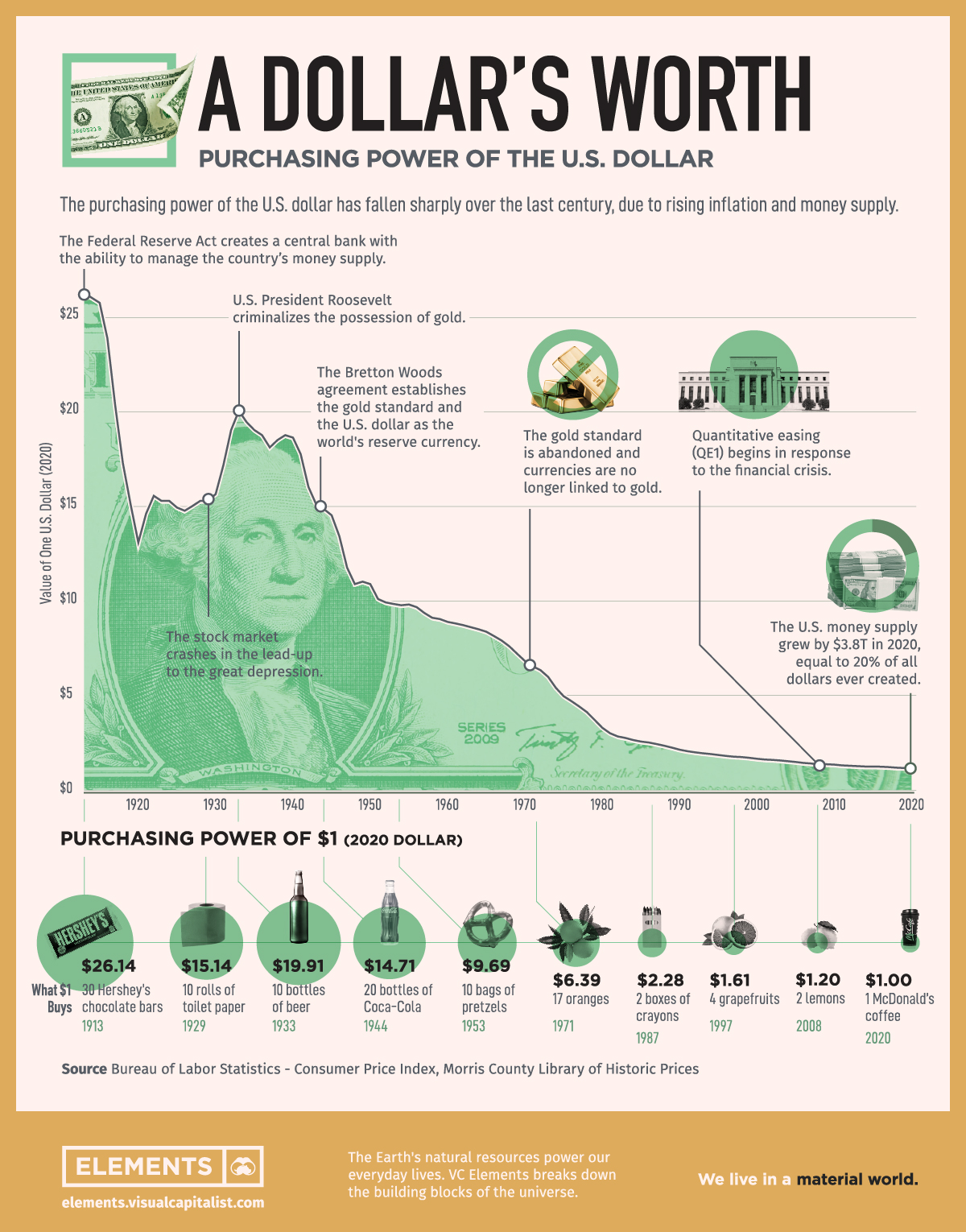
Beyond facilitating immediate transactions, the dollar is also expected to function as a store of value. This means that holding dollars today should allow you to purchase a relatively similar amount of goods and services in the future, assuming stable economic conditions. Its ability to maintain purchasing power over time is a crucial aspect of its value. When people have confidence that their money won’t significantly depreciate, they are more willing to save and invest, which fuels economic growth. However, this aspect of value is constantly challenged by inflation, which erodes purchasing power. Governments and central banks, like the Federal Reserve, strive to maintain price stability precisely to safeguard the dollar’s role as a reliable store of value.
The Dollar as a Unit of Account
Finally, the dollar acts as a unit of account. This function allows us to measure and compare the value of different goods, services, debts, and assets in a standardized way. Prices are quoted in dollars, salaries are paid in dollars, and balance sheets are denominated in dollars. This standardization simplifies economic calculations, facilitates rational decision-making for consumers and businesses, and creates transparency in financial markets. Imagine trying to compare the cost of a car to a house without a common unit of measurement – it would be chaotic. The dollar’s universal use as a unit of account within the U.S. and its significant role in global accounting practices solidify its inherent value by bringing order and clarity to economic activity.
Key Drivers Influencing the Dollar’s Fluctuating Value
The value of the dollar is rarely static; it’s a dynamic variable influenced by a complex interplay of economic, political, and market forces. Understanding these drivers is essential for anyone tracking its movements.
Inflation and Purchasing Power
Perhaps the most intuitive driver of the dollar’s domestic value is inflation. Inflation is the rate at which the general level of prices for goods and services is rising, and consequently, the purchasing power of currency is falling. When inflation is high, each dollar buys less than it did before, effectively decreasing its value. Conversely, low and stable inflation helps preserve the dollar’s purchasing power. Central banks, like the Federal Reserve, closely monitor inflation and employ monetary policy tools, such as interest rate adjustments, to manage it and maintain price stability. Inflationary pressures can be driven by factors such as demand outstripping supply, increased production costs, or excessive money supply growth.
Interest Rates and Monetary Policy
Interest rates, largely dictated by the Federal Reserve’s monetary policy, play a pivotal role in determining the dollar’s value, especially in relation to other currencies. When the Fed raises interest rates, it makes dollar-denominated assets (like U.S. bonds) more attractive to foreign investors seeking higher returns. This increased demand for U.S. assets translates into increased demand for the dollar, thereby strengthening its value against other currencies. Conversely, lower interest rates can make dollar assets less appealing, leading to a weaker dollar. Monetary policy, which includes quantitative easing or tightening, also directly impacts the money supply, which in turn affects inflationary expectations and the dollar’s inherent value.
Economic Performance and Stability
The overall health and stability of the U.S. economy are fundamental to the dollar’s value. A strong economy, characterized by robust GDP growth, low unemployment, and a stable political environment, generally supports a stronger dollar. It signals to investors that the U.S. is a reliable place to invest, attracting capital inflows. Conversely, economic downturns, high unemployment, political instability, or significant national debt can erode confidence in the U.S. economy and, by extension, the dollar’s value. Major economic indicators like GDP reports, employment figures, and consumer confidence surveys are closely watched as proxies for the dollar’s underlying strength.
Geopolitical Factors and Global Demand
Beyond purely economic metrics, geopolitical events and global demand significantly impact the dollar. In times of global uncertainty, conflict, or financial crisis, the U.S. dollar often acts as a “safe haven” currency. Investors flock to its perceived stability, liquidity, and the depth of U.S. financial markets, increasing demand for the dollar and pushing its value up. Furthermore, the dollar’s status as the world’s primary reserve currency means central banks globally hold substantial dollar reserves. Changes in global trade patterns, international relations, and the financial policies of other major economies can also influence this demand, directly affecting the dollar’s relative value.
Measuring the Dollar’s Value in Practice
Quantifying the “value” of the dollar isn’t a single calculation but rather a set of different metrics that provide insights into its purchasing power and international standing.

Domestic Purchasing Power (CPI, Inflation)
Domestically, the dollar’s value is primarily measured by its purchasing power – how many goods and services it can buy. The Consumer Price Index (CPI) is a key economic indicator used to track inflation and, by extension, the dollar’s purchasing power. The CPI measures the average change over time in the prices paid by urban consumers for a market basket of consumer goods and services. A rising CPI indicates inflation, meaning your dollar buys less than it did previously. Other measures like the Personal Consumption Expenditures (PCE) price index are also used by economists and the Federal Reserve to gauge inflationary trends and the erosion of domestic purchasing power.
International Exchange Rates
Internationally, the dollar’s value is expressed through exchange rates, which indicate how much one dollar is worth in terms of another currency. For example, if 1 USD equals 0.90 Euros, that’s its value relative to the Euro. Exchange rates are determined by supply and demand for currencies in the foreign exchange market, influenced by factors like interest rate differentials, economic performance, trade balances, and capital flows. A higher exchange rate means the dollar is stronger against that specific currency, allowing you to buy more of the foreign currency with one dollar, which benefits importers and travelers abroad.
The Dollar Index (DXY)
To get a broader picture of the dollar’s international strength, financial markets often refer to the U.S. Dollar Index (DXY). This index measures the value of the dollar relative to a basket of six major world currencies: the Euro (EUR), Japanese Yen (JPY), British Pound (GBP), Canadian Dollar (CAD), Swedish Krona (SEK), and Swiss Franc (CHF). Each currency has a specific weighting within the index, with the Euro having the largest. A rising DXY indicates that the dollar is strengthening against this basket of currencies on average, while a falling DXY suggests it is weakening. The DXY provides a benchmark for understanding the dollar’s overall international performance rather than just its value against a single currency.
The Impact of a Fluctuating Dollar
Changes in the dollar’s value, whether strengthening or weakening, have far-reaching implications across various sectors of the economy and for different stakeholders.
For Consumers: Prices and Travel
For the average consumer, a stronger dollar can mean cheaper imported goods, as foreign products become less expensive in dollar terms. This can range from electronics and clothing to certain food items. Conversely, a weaker dollar makes imports more expensive, potentially contributing to domestic inflation. For international travelers, a strong dollar makes foreign destinations more affordable, as their dollars stretch further when converted into local currency. A weak dollar makes international travel more costly. Domestically, a weaker dollar can also lead to higher prices for gasoline if oil is priced in dollars and the dollar weakens against other currencies, making oil more expensive for other countries to buy, potentially driving up global prices.
For Businesses: Imports, Exports, and Competitiveness
Businesses, particularly those engaged in international trade, are highly sensitive to dollar fluctuations. U.S. companies that import raw materials or finished goods benefit from a strong dollar, as their purchasing power abroad increases. However, a strong dollar makes U.S. exports more expensive for foreign buyers, potentially reducing demand and hurting export-oriented industries. Conversely, a weak dollar makes U.S. exports more competitive and attractive to international markets, while simultaneously making imports more costly. Multinational corporations must also consider currency exchange rate risk when repatriating profits from foreign subsidiaries, as a stronger or weaker dollar can significantly impact their reported earnings.
For Investors: Returns and Asset Allocation
Investors face significant implications from changes in the dollar’s value. A strong dollar can negatively impact the returns of U.S. companies with substantial international earnings when those foreign profits are converted back into a stronger dollar. However, a strong dollar also makes foreign investments cheaper for U.S. investors. For foreign investors, a stronger dollar means their U.S. dollar-denominated investments are worth more in their local currency. Commodities like oil, which are often priced in dollars, can also see their prices affected; a stronger dollar can make oil more expensive for non-dollar users, potentially dampening demand and lowering prices. Currency movements are a critical factor in international portfolio diversification and risk management.
For the Global Economy: Reserve Status and Trade
The dollar’s role as the world’s primary reserve currency means its value has profound global implications. Many international transactions, including those between two non-U.S. countries, are denominated in dollars. A strong dollar can make it more expensive for emerging market economies that have borrowed in dollars to service their debt, potentially leading to financial instability. It can also impact global trade balances and the pricing of key commodities. The stability and predictability of the dollar’s value are crucial for the smooth functioning of global financial markets and international commerce, highlighting its enduring importance to the world economy.
Navigating the Dynamics of the Dollar’s Value
Given the complex and dynamic nature of the dollar’s value, understanding its movements and potential impacts is crucial for informed financial decision-making.
Staying Informed with Economic Indicators
For anyone interested in the dollar’s value, regularly monitoring key economic indicators is essential. These include inflation reports (CPI, PCE), employment figures, GDP growth rates, interest rate announcements and statements from the Federal Reserve, and trade balance data. Geopolitical news and global economic developments also warrant attention. Numerous financial news outlets, economic data providers, and government publications offer real-time information and analysis, helping individuals and businesses anticipate potential shifts in the dollar’s trajectory.
Diversification as a Strategy
For investors and businesses, diversification is a key strategy to mitigate the risks associated with a fluctuating dollar. This can involve holding a diversified portfolio of assets across different currencies, geographies, and asset classes. For example, U.S. investors might consider international stocks or bonds, or commodities, which can sometimes act as a hedge against dollar weakness. Businesses engaged in international trade might use currency hedging strategies to lock in exchange rates for future transactions, thereby reducing their exposure to adverse currency movements.
Long-Term Perspective on Financial Planning
While short-term fluctuations in the dollar’s value can be impactful, adopting a long-term perspective is often beneficial, especially for personal financial planning and investment strategies. The dollar’s value tends to fluctuate over business cycles, but over decades, its relative purchasing power and international standing are influenced by deeper structural economic factors. Rather than reacting to every minor currency swing, focusing on long-term financial goals, maintaining a balanced portfolio, and understanding the fundamental drivers of economic value can provide greater stability and resilience against currency volatility.
In conclusion, the value of the dollar is a multifaceted concept, encompassing its domestic purchasing power, its exchange rate against other currencies, and its global standing as a reserve asset. This value is constantly shaped by economic performance, monetary policy, inflation, and geopolitical events. For consumers, businesses, and investors alike, understanding these dynamics is not merely an academic exercise but a practical necessity for making informed financial decisions in an interconnected world.
aViewFromTheCave is a participant in the Amazon Services LLC Associates Program, an affiliate advertising program designed to provide a means for sites to earn advertising fees by advertising and linking to Amazon.com. Amazon, the Amazon logo, AmazonSupply, and the AmazonSupply logo are trademarks of Amazon.com, Inc. or its affiliates. As an Amazon Associate we earn affiliate commissions from qualifying purchases.