
The question “what is the dollar worth?” might seem straightforward, but its answer is anything but simple. It’s a profound inquiry that delves into the very core of economics, finance, and personal wealth. The value of the dollar, whether measured against a basket of goods, other currencies, or its historical purchasing power, is a dynamic and multifaceted concept. It impacts every aspect of our financial lives, from the price of groceries and the cost of gasoline to the returns on our investments and the stability of global markets. Understanding what truly gives the dollar its value, how that value fluctuates, and what implications these changes have is essential for sound financial decision-making and economic literacy.
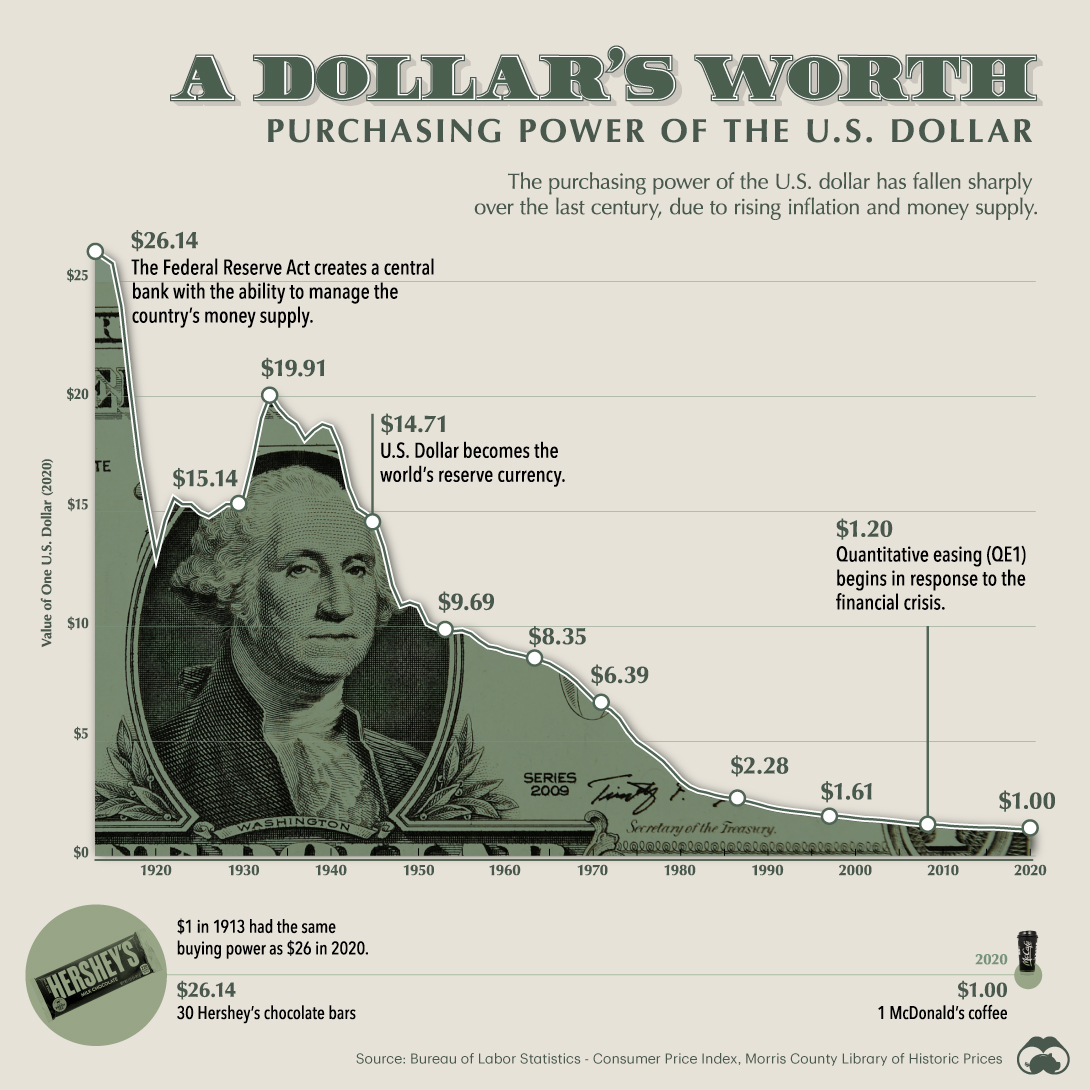
At its heart, the dollar’s worth is a reflection of its purchasing power – what goods and services one dollar can buy. But this simple definition quickly expands to encompass a complex interplay of economic indicators, government policies, international trade dynamics, and even psychological factors like trust and confidence. This article will explore the various dimensions of the dollar’s value, the key drivers behind its fluctuations, its pervasive impact on individuals and businesses, and how we can better understand and navigate its changing landscape.
The Multifaceted Nature of Currency Value
To truly grasp the dollar’s worth, we must move beyond a singular definition and acknowledge its various dimensions. The value of any currency, including the U.S. dollar, is perceived and measured differently depending on the context.
Purchasing Power: Goods and Services
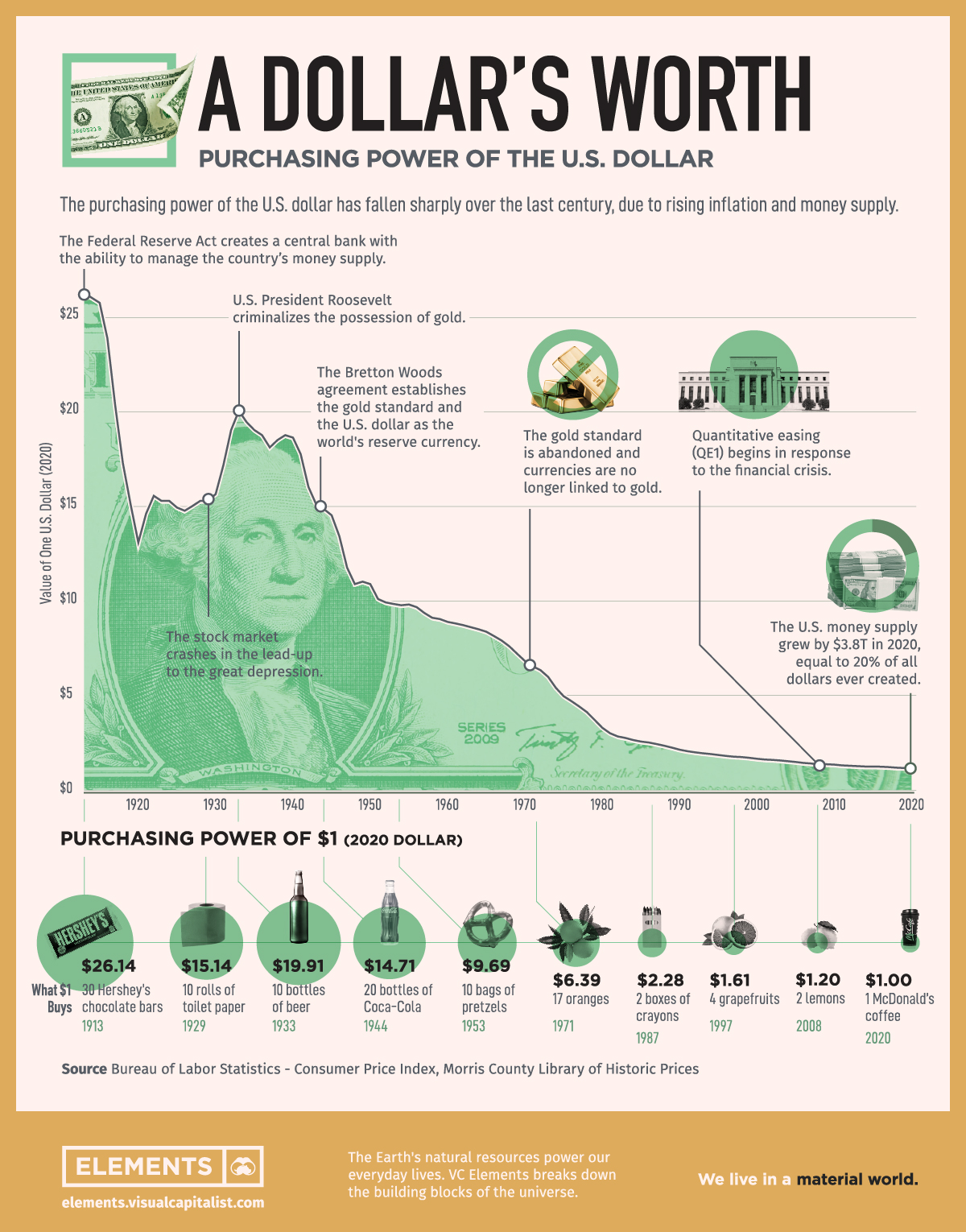
Perhaps the most intuitive measure of the dollar’s worth is its purchasing power. This refers to the quantity of goods and services that a single unit of currency can buy within its domestic economy. When you say the dollar is “worth less,” you’re typically referring to a situation where your dollar buys fewer items than it used to. This erosion of purchasing power is primarily driven by inflation, a sustained increase in the general price level of goods and services. Conversely, deflation, a general decrease in prices, would mean the dollar is “worth more” as its purchasing power increases.
Consider the cost of a gallon of milk or a loaf of bread over several decades. While the numerical face value of the dollar remains constant, its ability to acquire these basic necessities changes significantly. This domestic purchasing power is crucial for everyday consumers, dictating their cost of living and real wages. For instance, if your salary increases by 3% but inflation runs at 5%, your real purchasing power has effectively decreased, meaning your dollar is worth less in terms of what it can buy. Understanding this intrinsic value is fundamental to personal financial planning, budgeting, and assessing the true growth of one’s wealth.
Exchange Rate: Global Comparisons
Beyond its domestic purchasing power, the dollar’s worth is also critically defined by its exchange rate against other currencies. This is the price of one currency in terms of another. For example, if one U.S. dollar buys 0.92 Euros, that’s its exchange rate. These rates are constantly fluctuating in global foreign exchange markets, driven by supply and demand, interest rate differentials, economic performance, and geopolitical stability.
The dollar’s exchange rate is paramount for international trade and investment. A strong dollar (meaning it can buy more foreign currency) makes imports cheaper for U.S. consumers and businesses, but it makes U.S. exports more expensive for foreign buyers. This can hurt export-oriented industries and make U.S. goods less competitive globally. Conversely, a weak dollar makes U.S. exports more attractive and imports more costly. For investors, exchange rates influence the profitability of international investments. A U.S. investor holding European stocks, for example, will see their returns affected not only by the performance of the stock but also by the dollar-Euro exchange rate when converting their profits back into dollars. The U.S. dollar’s role as the world’s primary reserve currency and its widespread use in international transactions (like oil pricing) further amplifies the significance of its global exchange rate.
Perceived Value: Trust and Stability
Finally, and perhaps most subtly, the dollar’s worth is influenced by its perceived value, which is rooted in trust and confidence. A currency ultimately derives its strength from the belief that it will retain its value over time and that the issuing government and central bank are stable and credible. The U.S. dollar, backed by the world’s largest economy, a stable political system, and robust legal frameworks, has historically commanded high levels of trust.
This perceived value is particularly evident during times of global economic uncertainty or geopolitical unrest. When fear grips markets, investors and nations often flock to the dollar as a “safe haven” asset, driving up its value. This flight to safety occurs because the U.S. Treasury market is considered deep and liquid, and the dollar is seen as a reliable store of value when other assets or currencies are deemed risky. Any factors that erode confidence in the U.S. economy, its political stability, or the Federal Reserve’s ability to manage monetary policy can diminish this perceived value, potentially leading to a weakening of the dollar. This intangible aspect of trust is a powerful determinant of currency strength, underpinning its role in global finance.
Key Factors Influencing the Dollar’s Value
The value of the dollar is not static; it is in a constant state of flux, influenced by a complex interplay of domestic and international forces. Understanding these key drivers is crucial for anyone seeking to interpret economic news and make informed financial decisions.
Inflation and Deflation: Erosion and Enhancement
As mentioned, inflation is a primary determinant of the dollar’s domestic purchasing power. When inflation is high, each dollar buys less, effectively diminishing its worth. This is why central banks, like the U.S. Federal Reserve, typically aim for a stable, low rate of inflation (e.g., 2% annually), as runaway inflation can severely destabilize an economy and erode confidence in the currency. Conversely, deflation, while seemingly beneficial as it makes money “worth more,” can be economically dangerous, leading to consumers delaying purchases in anticipation of lower prices, which can stifle economic activity. The Fed’s management of inflation expectations and actual inflation rates directly impacts the dollar’s real value for consumers and businesses.
Interest Rates and Monetary Policy
The Federal Reserve’s monetary policy, particularly its setting of the federal funds rate, plays a pivotal role in determining the dollar’s value. Higher interest rates typically attract foreign investment, as investors seek better returns on dollar-denominated assets (like bonds). This increased demand for dollars strengthens the currency. Conversely, lower interest rates can make dollar assets less attractive, leading to capital outflows and a weaker dollar. The Fed’s decisions are based on its dual mandate: maximizing employment and maintaining price stability. Its communications and actions regarding interest rate hikes or cuts are closely watched by markets worldwide, as they signal the future direction of the dollar. Quantitative easing (QE) or quantitative tightening (QT), which involve the Fed buying or selling government bonds, also impact the money supply and interest rates, thereby influencing the dollar’s strength.
Economic Performance and Geopolitical Events

A robust U.S. economy, characterized by strong GDP growth, low unemployment, and a healthy balance of trade, generally supports a stronger dollar. A booming economy attracts foreign investment and signals confidence. Conversely, economic downturns, recessions, or high unemployment rates can weaken investor confidence and put downward pressure on the dollar. Geopolitical events also cast a long shadow. Wars, political instability in major economies, or significant international crises often lead to a “flight to safety,” with investors seeking the perceived security of the U.S. dollar, strengthening it temporarily. However, domestic political instability or policy uncertainty within the U.S. can have the opposite effect, eroding confidence and weakening the currency. The global nature of trade and finance means that events far from U.S. borders can still significantly influence the dollar’s standing.
Supply and Demand Dynamics
Ultimately, like any other commodity or asset, the dollar’s value in foreign exchange markets is governed by the basic principles of supply and demand. When global demand for dollars (perhaps for purchasing U.S. goods, services, or investments) outstrips its supply, its value tends to rise. When the supply of dollars (e.g., from U.S. citizens buying foreign goods or investing abroad) exceeds demand, its value tends to fall. Factors like trade deficits (where the U.S. imports more than it exports, increasing the supply of dollars on foreign markets) or surpluses, capital flows (money moving in and out of the country), and central bank interventions (like buying or selling foreign currency) all contribute to this supply and demand balance.
Impact on Everyday Life and Financial Decisions
The fluctuations in the dollar’s worth are not abstract economic concepts confined to financial news headlines; they have tangible and often significant impacts on the daily lives of individuals and the strategic decisions of businesses.
Consumers: Cost of Living and Spending Power
For the average consumer, the most direct impact of the dollar’s value is on their cost of living and overall spending power. When the dollar weakens, imports become more expensive. This is particularly noticeable in sectors heavily reliant on imported goods, such as electronics, apparel, and many consumer products. Energy prices, often denominated in U.S. dollars globally, also tend to rise with a weaker dollar, leading to higher costs at the gas pump and for utilities. Conversely, a stronger dollar makes imported goods and foreign travel cheaper, boosting the purchasing power of U.S. consumers. Those planning international trips or buying foreign-made products benefit from a stronger dollar, making their money stretch further abroad.
Investors: Returns and Risk Management
Investors face a dual impact from a changing dollar value. For those holding U.S. assets (stocks, bonds), a strong dollar can make these investments more attractive to foreign buyers, potentially driving up prices. However, for U.S. investors with international holdings, a strong dollar means that when they convert their foreign investment returns back into dollars, they receive fewer dollars, reducing their overall profit. A weak dollar has the opposite effect: it makes U.S. assets less appealing to foreign investors but enhances the dollar value of returns from international investments. Investors must consider currency risk as part of their overall portfolio strategy, particularly when diversifying internationally, and may use hedging strategies to mitigate adverse currency movements.
Businesses: Imports, Exports, and Profitability
Businesses, especially those engaged in international trade, are acutely sensitive to the dollar’s value. U.S. companies that import raw materials or finished goods benefit from a strong dollar, as their input costs decrease, potentially boosting profit margins or allowing for competitive pricing. On the other hand, U.S. exporters face challenges with a strong dollar, as their products become more expensive for foreign buyers, potentially reducing sales and market share. Multinational corporations must also contend with translation risk, where the value of their foreign earnings changes when converted back into U.S. dollars for financial reporting. A weak dollar generally favors exporters and makes U.S. companies more competitive globally, while a strong dollar can strain export-oriented businesses but benefit importers.
Savers: Erosion of Wealth
For individuals focused on saving, the dollar’s purchasing power directly impacts the real value of their nest egg. If inflation outpaces the interest earned on savings accounts, the real value of those savings diminishes over time. A dollar saved today that earns 1% interest will be worth less than 1% more in real terms if inflation is 3%. This erosion of wealth highlights the importance of not just saving money, but also investing it wisely to ensure returns at least keep pace with, if not exceed, inflation. Understanding the dollar’s worth in terms of future purchasing power is critical for retirement planning and long-term financial security.
Navigating a Changing Economic Landscape
Given the pervasive impact of the dollar’s fluctuating value, it is imperative for individuals and businesses to adopt informed strategies to manage their finances and investments effectively. Financial literacy, coupled with an understanding of economic indicators, forms the bedrock of navigating this dynamic environment.
Strategies for Personal Finance Management
For personal finance, understanding the dollar’s worth means being mindful of inflation’s impact on your budget and savings. Regularly reviewing and adjusting your budget to account for rising costs of goods and services is crucial. This might involve finding ways to cut discretionary spending or seeking opportunities to increase income. For savings, simply parking money in low-interest accounts means its real value is likely diminishing over time. Diversifying savings into investments that offer returns potentially higher than the inflation rate, such as stocks, bonds, or real estate, can help preserve and grow wealth. Building an emergency fund remains vital, but this fund should ideally be held in an account that offers at least some interest to counteract minor inflationary pressures.
Investment Approaches in Volatile Times
In a world where the dollar’s value can shift dramatically, investors need adaptive strategies. Diversification across different asset classes (stocks, bonds, real estate, commodities) and geographical regions can help mitigate risks associated with currency fluctuations. Investing in companies that are less sensitive to currency movements or those that benefit from a weak dollar (e.g., strong exporters) can be prudent. For those with a higher risk tolerance, considering inflation-protected securities (TIPS) or commodities like gold can act as hedges against a depreciating dollar. Regularly re-evaluating investment portfolios in light of current economic conditions and monetary policy signals is key. The goal is to build a portfolio resilient to both domestic purchasing power erosion and international exchange rate volatility.
The Role of Financial Literacy
Ultimately, the best defense against the uncertainties surrounding the dollar’s worth is comprehensive financial literacy. This means understanding basic economic principles, how inflation and interest rates work, the implications of central bank policies, and the dynamics of global markets. Staying informed through reputable financial news sources, consulting with financial advisors, and continuously educating oneself about economic trends empowers individuals to make proactive and informed decisions. Financial literacy transforms the complex question of “what is the dollar worth?” from an intimidating enigma into an actionable insight, enabling smarter spending, saving, and investment choices that foster long-term financial stability and growth.
In conclusion, the dollar’s worth is a fluid concept, defined by its purchasing power, exchange rate, and perceived stability. It is shaped by a confluence of economic, monetary, and geopolitical factors, with far-reaching consequences for consumers, investors, and businesses alike. Rather than seeking a single, static answer, understanding the dollar’s worth involves appreciating its dynamic nature and equipping oneself with the knowledge and strategies to navigate an ever-changing financial landscape. By doing so, individuals can better protect and grow their wealth, ensuring their dollars continue to work effectively for them, regardless of economic tides.
aViewFromTheCave is a participant in the Amazon Services LLC Associates Program, an affiliate advertising program designed to provide a means for sites to earn advertising fees by advertising and linking to Amazon.com. Amazon, the Amazon logo, AmazonSupply, and the AmazonSupply logo are trademarks of Amazon.com, Inc. or its affiliates. As an Amazon Associate we earn affiliate commissions from qualifying purchases.