
Obamacare insurance refers primarily to the health insurance plans available through the Affordable Care Act (ACA) marketplaces, a landmark piece of U.S. legislation signed into law in 2010. Far more than just a specific type of insurance policy, the ACA fundamentally reformed aspects of the American health insurance system, particularly concerning access, affordability, and the financial protections afforded to individuals and families. At its core, Obamacare insurance is about facilitating access to comprehensive, regulated health coverage, often with financial assistance, for those who don’t receive it through an employer or government program like Medicare or Medicaid. Understanding it requires delving into its financial architecture and the mechanisms it put in place to manage healthcare costs and access.

The Genesis of the Affordable Care Act (ACA)
Before the ACA, the American healthcare landscape was fraught with financial vulnerabilities for millions. Medical debt was a leading cause of bankruptcy, and access to affordable care was often contingent on factors like employment status, health history, or financial means. The ACA was designed to address these systemic issues, primarily through market reforms and financial subsidies, fundamentally shifting how individuals interact with the health insurance system and manage their healthcare expenditures.
Addressing Pre-existing Conditions
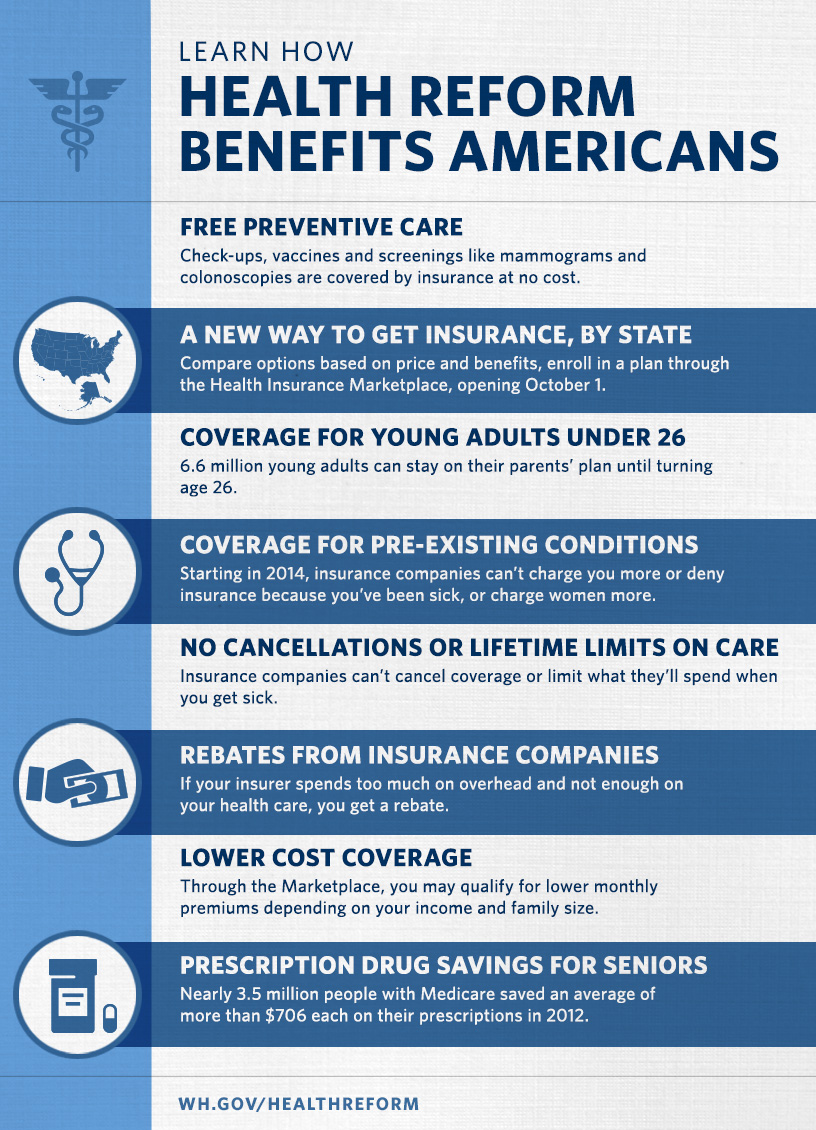
One of the most significant financial protections introduced by the ACA was the prohibition against denying coverage or charging higher premiums based on pre-existing health conditions. Prior to the ACA, insurers could, and often did, refuse to cover individuals with chronic illnesses, or impose exorbitant rates, making comprehensive health coverage financially unattainable for many. The ACA mandated that all health insurance plans offered on and off the marketplace must cover pre-existing conditions from day one, without additional cost. This provision directly impacts personal finance by removing a massive financial barrier to healthcare access, ensuring that individuals with ongoing medical needs are not left to face catastrophic out-of-pocket costs or forgo necessary treatment due to their health history. It stabilizes the financial planning for those with chronic conditions, transforming a previous financial liability into a manageable, insurable risk.
Expanding Coverage Access
The ACA also aimed to significantly expand the number of insured Americans, thereby reducing the financial burden of uncompensated care on hospitals and taxpayers. It achieved this through several mechanisms: establishing state-based and federal insurance marketplaces (exchanges), offering financial subsidies to make premiums affordable, and encouraging states to expand their Medicaid programs for low-income individuals. From a financial perspective, expanding coverage means fewer individuals are forced into medical bankruptcy, and more people can access preventative care, which can avert more expensive emergency treatments down the line. It shifts the financial risk associated with illness from the individual to a broader insurance pool, a fundamental principle of risk management in finance. For families, securing coverage through the ACA can mean greater financial stability, protecting savings and assets from unexpected medical bills.
Key Components of Obamacare Insurance
The operational framework of Obamacare insurance relies on several intertwined components, each with direct financial implications for consumers, insurers, and the healthcare system. These components collectively aim to create a more accessible and affordable insurance market.
The Individual Mandate (and its Evolution)
Originally, the ACA included an “individual mandate,” a provision requiring most Americans to have health insurance or pay a tax penalty. The financial objective of this mandate was to broaden the risk pool, encouraging healthier, younger individuals to enroll alongside those with higher medical needs. A larger, more diverse pool helps to distribute costs more effectively, preventing premium spikes for sicker individuals and stabilizing the market for insurers. While the tax penalty for not having coverage was effectively zeroed out starting in 2019, the underlying principle of shared financial responsibility within the insurance market remains a critical, albeit now voluntary, aspect of the ACA’s design. The removal of the penalty shifted the financial incentive from a punitive one to a benefit-driven one, where the value of coverage itself, particularly with subsidies, is meant to encourage enrollment.
Health Insurance Marketplaces (Exchanges)
Central to Obamacare insurance are the Health Insurance Marketplaces, often referred to as exchanges. These online platforms (such as healthcare.gov) allow individuals and small businesses to compare and purchase health insurance plans. The marketplaces are designed to foster competition among insurers, which can help to control premium costs. Plans offered through the marketplaces are categorized into metal tiers (Bronze, Silver, Gold, Platinum), each denoting a different actuarial value – essentially, the percentage of healthcare costs the plan is expected to cover versus what the consumer pays out-of-pocket. Understanding these tiers is crucial for personal financial planning:
- Bronze plans typically have the lowest monthly premiums but the highest deductibles and out-of-pocket costs, making them suitable for those who want catastrophic coverage and can afford to pay for routine care themselves.
- Silver plans have moderate premiums and moderate deductibles. They are particularly noteworthy because they are the only plans eligible for cost-sharing reductions (CSRs), which provide additional financial assistance beyond premium subsidies for eligible lower-income individuals. This makes Silver plans a financially strategic choice for many.
- Gold and Platinum plans have higher monthly premiums but lower deductibles and out-of-pocket costs, meaning the insurer covers a larger share of medical expenses. These are often preferred by individuals with chronic conditions or those who anticipate frequent medical needs, as they offer greater financial predictability for high healthcare utilization.
Choosing the right metal tier is a significant financial decision, balancing upfront premium costs against potential future out-of-pocket expenses.
Essential Health Benefits
All plans offered through the ACA marketplaces, as well as many plans sold outside, must cover a comprehensive set of “Essential Health Benefits” (EHBs). These include services like ambulatory patient services, emergency services, hospitalization, maternity and newborn care, mental health and substance use disorder services, prescription drugs, rehabilitative services, laboratory services, preventive and wellness services, and pediatric services. From a financial perspective, EHBs guarantee a minimum standard of coverage, ensuring consumers receive substantial financial protection against a wide array of medical needs. This prevents insurers from offering bare-bones plans that might have low premiums but leave policyholders exposed to significant financial risk for common or critical health events. It standardizes the financial value proposition of insurance plans, making comparisons more meaningful.
Premium Tax Credits and Cost-Sharing Reductions
Perhaps the most impactful financial components of Obamacare insurance are the subsidies available to eligible individuals and families.
- Premium Tax Credits (PTCs): These are refundable credits that lower an individual’s monthly insurance premium. Eligibility and the amount of the credit are based on household income relative to the federal poverty level (FPL) and the cost of the benchmark Silver plan in their area. These credits directly reduce the financial burden of health insurance, making coverage affordable for millions who might otherwise be priced out of the market. They act as a critical financial tool for budget management, effectively capping how much a household must pay for premiums.
- Cost-Sharing Reductions (CSRs): Available only with Silver plans for those with incomes below 250% of the FPL, CSRs reduce the amount an individual has to pay out-of-pocket for deductibles, co-payments, and co-insurance. This means a Silver plan for an eligible individual might have a lower deductible and lower co-pays than even a Gold or Platinum plan for someone not eligible for CSRs, providing exceptional financial value. CSRs are a powerful financial safety net, mitigating the unpredictable costs associated with receiving care and making healthcare services more financially accessible at the point of need.
These subsidies are fundamental to the ACA’s mission of making insurance financially viable across income brackets, preventing medical costs from becoming an insurmountable barrier to care.
Understanding How Obamacare Affects Your Finances
Navigating the ACA landscape requires a clear understanding of its financial implications for personal and household budgets. The choices made during enrollment directly impact current expenses and future financial security.
Premiums, Deductibles, and Out-of-Pocket Maximums
When selecting an Obamacare insurance plan, three key financial terms dominate the conversation:
- Premiums: The regular, typically monthly, payment made to the insurance company to maintain coverage. For many, premium tax credits significantly reduce this cost.
- Deductibles: The amount of money you must pay out of your own pocket for healthcare services before your insurance company begins to pay. Plans vary widely in their deductibles, which is a major factor in the choice between metal tiers. A higher deductible usually means a lower premium, requiring a strategic financial assessment of your anticipated healthcare needs versus your immediate budget.
- Out-of-Pocket Maximums: This is the absolute most you will have to pay for covered services in a plan year. Once you reach this limit, your insurance company pays 100% of the costs for covered benefits. This ceiling on expenses is a critical financial protection, preventing catastrophic medical bills from bankrupting families. Understanding the interplay between these three figures is essential for effective financial planning when choosing an ACA plan.
Navigating Subsidies and Eligibility
Eligibility for premium tax credits and cost-sharing reductions is primarily based on your Modified Adjusted Gross Income (MAGI) relative to the Federal Poverty Level (FPL).
- Premium Tax Credits are generally available to individuals and families with incomes between 100% and 400% of the FPL. However, temporary enhancements under the American Rescue Plan Act (ARPA) and Inflation Reduction Act (IRA) have removed the 400% FPL cap, allowing more middle-income households to qualify for assistance and ensuring no one pays more than 8.5% of their household income for a benchmark Silver plan. This expansion significantly broadens financial relief.
- Cost-Sharing Reductions are available to those with incomes up to 250% of the FPL.
Accurate income estimation is crucial during enrollment, as it determines the level of financial assistance you receive. Misestimating income can lead to reconciliation at tax time, potentially resulting in owing money back to the IRS or receiving a larger refund. Proactive financial planning and updating income information with the marketplace are key to managing these subsidies effectively.
Impact on Small Businesses
While often discussed in terms of individual coverage, the ACA also has significant financial implications for small businesses. Businesses with fewer than 50 full-time equivalent employees are not mandated to provide health insurance but can do so through the Small Business Health Options Program (SHOP) Marketplace. For eligible small businesses, the ACA offers the Small Business Health Care Tax Credit, which can cover up to 50% of the employer’s premium contributions (up to 35% for non-profits). This credit is a direct financial incentive to help small businesses offer coverage, potentially attracting and retaining talent, and improving employee wellness, thereby impacting productivity and long-term financial health. The ACA also standardized the market, simplifying the process for small businesses to compare plans and manage the financial aspect of employee benefits.
Is Obamacare Insurance Right for You?
The decision to choose an Obamacare insurance plan is a significant financial and health-related one, requiring careful consideration of your unique circumstances, income, and anticipated medical needs.
Comparing Plans and Providers
The marketplaces provide a structured environment for comparing various plans, but the onus is on the consumer to understand the financial implications of each choice. Look beyond just the monthly premium. Consider the deductible, the out-of-pocket maximum, co-pays for doctor visits and prescriptions, and whether your preferred doctors and hospitals are in the plan’s network. Utilize the tools on the marketplace websites to estimate your total annual costs, factoring in potential subsidies. A plan with a slightly higher premium but lower deductible or better network coverage might be a better financial decision in the long run if you anticipate frequent medical use. Conversely, a high-deductible plan combined with a Health Savings Account (HSA) can be a tax-advantaged financial strategy for healthier individuals.
Enrollment Periods and Special Circumstances
Enrollment for Obamacare insurance generally occurs during the annual Open Enrollment Period, typically from November 1st to January 15th for coverage beginning the following year. Missing this window means you cannot enroll unless you qualify for a Special Enrollment Period (SEP). SEPs are triggered by specific life events that significantly alter your financial or family situation, such as getting married, having a baby, losing other health coverage, moving, or experiencing certain changes in income. Understanding these periods is crucial for uninterrupted financial protection through health coverage. Planning around these dates and immediately reporting qualifying life events ensures continuous access to subsidized health insurance, protecting your finances from unexpected medical costs.
Long-Term Financial Planning with ACA Coverage
Incorporating ACA-compliant health insurance into your long-term financial strategy is crucial. Having robust health coverage protects your assets from devastating medical debt, which is a common cause of financial instability. It allows for proactive healthcare management, including preventive care, which can save money by identifying and addressing health issues before they become chronic and expensive. For retirees not yet eligible for Medicare, or those with fluctuating income, the ACA offers a vital bridge to affordable coverage. Regularly reviewing your plan during open enrollment, especially as your income or health needs change, ensures you are always optimizing your financial outlay for healthcare and maximizing any available subsidies. Obamacare insurance, therefore, is not just a healthcare choice, but a foundational element of sound personal financial management in the modern economy.
aViewFromTheCave is a participant in the Amazon Services LLC Associates Program, an affiliate advertising program designed to provide a means for sites to earn advertising fees by advertising and linking to Amazon.com. Amazon, the Amazon logo, AmazonSupply, and the AmazonSupply logo are trademarks of Amazon.com, Inc. or its affiliates. As an Amazon Associate we earn affiliate commissions from qualifying purchases.