
For the seasoned investor and the casual observer alike, opening a brokerage app to see a sea of green is a welcome sight. Yet, the question that inevitably follows is: “Why is the market up today?” While it may seem like a simple upward swing, a rising market is rarely the result of a single event. Instead, it is typically a complex confluence of macroeconomic data, corporate performance, psychological shifts, and monetary policy.
Understanding the “why” behind a market rally is essential for making informed financial decisions. It helps investors distinguish between a “dead cat bounce”—a temporary recovery in a bear market—and a sustained bull run. This article explores the primary drivers that push the financial markets upward, providing a comprehensive framework for understanding daily price action.
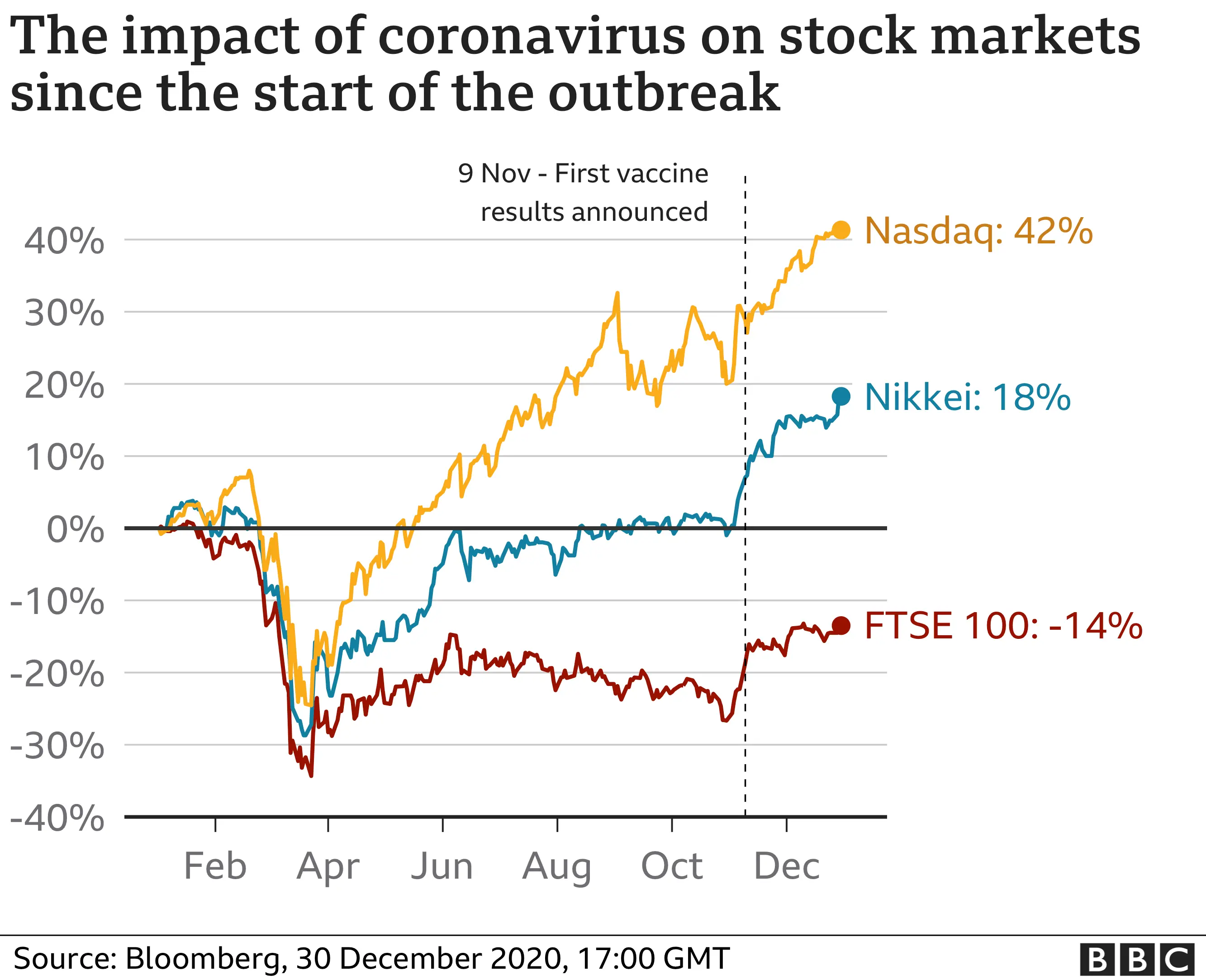
Macroeconomic Indicators and the Influence of Monetary Policy
The most significant factor influencing market direction is the broader economic environment, often dictated by central banks and government data releases. Investors are constantly looking for clues about the health of the economy and the future “cost of money.”
The Role of the Federal Reserve and Interest Rates
In the world of finance, interest rates are the gravity that holds asset prices in place. When the Federal Reserve (or other central banks) signals a pause in rate hikes or hints at future rate cuts, the market almost always reacts positively. Lower interest rates make borrowing cheaper for corporations, allowing them to expand and innovate. Furthermore, lower rates reduce the “discount rate” used in valuation models, making future corporate earnings more valuable in today’s dollars. When the market moves up, it is often because investors believe the era of “expensive money” is coming to an end.
Inflation Data and the Consumer Price Index (CPI)
Inflation is the silent predator of purchasing power. When the Bureau of Labor Statistics releases CPI (Consumer Price Index) or PCE (Personal Consumption Expenditures) reports that show inflation is cooling faster than expected, the market tends to rally. Lower inflation suggests that the central bank will not need to tighten the economy further. For investors, “disinflation” is a sweet spot; it implies that the economy is stabilizing without falling into a deep recession.
Employment Figures and Labor Market Strength
While it seems counterintuitive, the market sometimes rallies on “bad” employment news and vice versa. However, in a healthy market environment, steady job growth is viewed as a sign of consumer strength. If the monthly jobs report shows robust hiring without excessive wage inflation, it suggests a “soft landing”—a scenario where the economy slows down enough to cool inflation but not enough to cause a contraction. Investors buy into this stability, driving indices like the S&P 500 and the Nasdaq higher.
Corporate Earnings and Fundamental Performance
At its core, a stock represents a claim on the future earnings of a business. Therefore, the aggregate performance of the companies within an index is a primary driver of market movement.
The Impact of Earnings Season
Four times a year, publicly traded companies report their financial results. If a majority of “bellwether” companies—the giants like Apple, Microsoft, or JPMorgan—beat analyst expectations for revenue and profit, the entire market can catch a tailwind. A “beat” signals that despite macroeconomic pressures, corporate America remains resilient. When companies report high profit margins, it reassures investors that businesses have pricing power and efficient management.
Forward Guidance and CEO Sentiment
Often, it isn’t the past quarter’s performance that moves the needle, but rather the “guidance” for the future. If a CEO expresses optimism about the coming six to twelve months, investors will bid up the stock price today. Market rallies are frequently fueled by a shift in sentiment from “cautious” to “opportunistic.” When leadership across various sectors aligns on a positive outlook, it creates a collective momentum that lifts the broader market.
Innovation and Sector-Specific Leadership
Sometimes the market is up because a specific sector is undergoing a transformational shift. For example, breakthroughs in Artificial Intelligence (AI) or green energy can create a “halo effect.” As capital pours into these high-growth areas, the demand for shares increases, driving up prices. Because major indices are market-cap weighted, a massive surge in a few high-value tech or healthcare stocks can effectively pull the entire market upward.
Geopolitical Stability and Policy Shifts
Markets crave certainty and loathe volatility. When the geopolitical landscape stabilizes or when the government enacts pro-business policies, the market usually responds with a rally.
Fiscal Policy and Government Spending
While monetary policy is handled by central banks, fiscal policy is handled by the government. When Congress passes legislation that involves infrastructure spending, subsidies for domestic manufacturing (such as the CHIPS Act), or tax incentives, it creates a direct injection of capital into the economy. Investors anticipate that these funds will eventually trickle down into corporate balance sheets, leading to a proactive buy-up of shares.
International Relations and Trade Agreements
In a globalized economy, trade tensions can weigh heavily on market performance. Conversely, the resolution of a trade dispute or the signing of a new international partnership can trigger a massive relief rally. If the market is up today, it might be because a potential conflict has been de-escalated or because a major trading partner has reported better-than-expected economic growth, ensuring a steady demand for exports.
Regulatory Clarity and Market Confidence
Sudden regulatory changes can stifle innovation and create fear. However, when regulators provide clear “rules of the road” or decide against aggressive anti-trust actions, it removes a layer of risk for investors. Reduced risk leads to lower volatility, which encourages institutional investors (like pension funds and hedge funds) to increase their exposure to equities, pushing prices higher.
Investor Sentiment and Technical Analysis
The market is not just a collection of numbers; it is a reflection of human psychology. Often, the reason the market is up today has more to do with “momentum” than “math.”
The “Fear and Greed” Cycle
Market movement is frequently driven by the oscillation between fear and greed. When the market has been down for an extended period, it eventually reaches a point of “oversold” conditions. At this stage, even a small piece of “not-so-bad” news can trigger a buying frenzy. This is known as a relief rally. As prices rise, the “Fear of Missing Out” (FOMO) kicks in, attracting more retail and institutional buyers who don’t want to be left on the sidelines.
Institutional Buying and Quantitative Trading
A significant portion of daily market volume is driven by algorithms and large institutional “buy programs.” When certain technical levels are breached—such as a 50-day or 200-day moving average—it can trigger automated buy orders across thousands of portfolios. This “mechanical” buying creates a self-fulfilling prophecy where the act of the market going up causes it to go up even further.
Short Covering and the “Short Squeeze”
In every market, there are “bears” who bet that prices will fall (short sellers). When the market starts to rise unexpectedly, these short sellers are forced to buy back shares to close their positions and limit their losses. This forced buying adds even more upward pressure to the market. A “short squeeze” can turn a modest gain into a significant rally in a very short amount of time.
Strategies for Navigating a Bullish Market
While a rising market is generally positive, it requires a disciplined approach to ensure that short-term gains translate into long-term wealth.
Avoiding the FOMO Trap
The biggest mistake investors make during a rally is “chasing the dragon.” Buying into a stock simply because the price is moving up today—without understanding the underlying value—can lead to buying at the “top.” It is essential to maintain a clear investment thesis and stick to your predetermined entry points rather than reacting emotionally to daily green candles.
The Importance of Portfolio Rebalancing
When the market is up, especially in a specific sector like Tech, that portion of your portfolio may become “overweight.” For example, if your goal was to have 60% stocks and 40% bonds, a major market rally might push your stock exposure to 70%. Professional investors use these rallies as an opportunity to “rebalance”—selling some of the winning stocks to buy undervalued assets, thereby locking in profits and maintaining their desired risk profile.

Maintaining a Long-Term Vision vs. Daily Noise
It is easy to get caught up in the excitement of a daily rally, but for the serious investor, one day is just a data point in a decades-long trend. The most successful investors focus on “time in the market” rather than “timing the market.” While understanding why the market is up today provides valuable context, it should rarely be the sole reason for a total change in your financial strategy.
In conclusion, when the market is up today, it is usually a sign that the collective “intelligence” of the market has found a reason to be optimistic. Whether it is a cooling inflation report, a blockbuster earnings release from a tech giant, or a technical breakout, these movements are part of the perpetual cycle of the financial world. By understanding these drivers, you can move from being a reactive observer to a proactive participant in your own financial future.
aViewFromTheCave is a participant in the Amazon Services LLC Associates Program, an affiliate advertising program designed to provide a means for sites to earn advertising fees by advertising and linking to Amazon.com. Amazon, the Amazon logo, AmazonSupply, and the AmazonSupply logo are trademarks of Amazon.com, Inc. or its affiliates. As an Amazon Associate we earn affiliate commissions from qualifying purchases.