
Understanding your Social Security benefits is a cornerstone of prudent financial planning, offering a clear window into a significant portion of your potential retirement income. For many, Social Security represents a vital safety net, a reliable income stream that will supplement pensions, savings, and investments in their golden years. Yet, despite its critical importance, a surprising number of people remain unsure about how to access this information or how much they can expect to receive. This article demystifies the process, guiding you through the straightforward steps to uncover your Social Security benefit estimates and empowering you to make informed decisions about your financial future.

The Indispensable Value of Knowing Your Social Security Benefits
Proactive financial management hinges on a clear understanding of all your income streams, especially those designed for retirement. Social Security, a federal insurance program, pays benefits to retirees, the disabled, and survivors of beneficiaries. Knowing what to expect from this program is not just a matter of curiosity; it’s a strategic imperative for long-term financial health.
Retirement Planning Cornerstone
Your estimated Social Security benefits serve as a foundational element in your overall retirement planning. By understanding this projected income, you can better calculate how much additional savings you’ll need from 401(k)s, IRAs, and other investments to maintain your desired lifestyle. It helps answer critical questions like: Can I retire at 62, or do I need to work until my Full Retirement Age (FRA)? What standard of living will my combined income streams support? Without this crucial piece of information, your retirement plan remains incomplete, potentially leading to inaccurate savings goals and an underfunded future.
Informed Financial Decisions Today
The knowledge of your future Social Security income can influence financial decisions you make well before retirement. For instance, if your estimated benefits are lower than anticipated, it might motivate you to increase your contributions to other retirement accounts or explore alternative income streams. Conversely, if your benefits are robust, it might provide peace of mind and allow for different allocation strategies in your investment portfolio. This foresight enables you to adjust your current savings rate, investment strategy, and even career trajectory to align with your long-term financial aspirations.
Understanding Your Future Income Stream
Social Security benefits are complex, influenced by factors such as your lifetime earnings, the age you choose to claim benefits, and cost-of-living adjustments (COLAs). Accessing your personal statement allows you to see how these factors translate into a tangible dollar amount for you. It provides estimates for various claiming ages (early, full, and delayed retirement), giving you a personalized view of your potential income streams under different scenarios. This detailed understanding is vital for creating a realistic and achievable retirement budget.
Primary Avenues for Accessing Your Social Security Information
The Social Security Administration (SSA) provides several convenient and secure methods for individuals to discover their benefit estimates and review their earnings history. Each method caters to different preferences and levels of digital comfort, ensuring everyone can access their crucial information.
Online: The “my Social Security” Account
The easiest and most comprehensive way to access your Social Security information today is through the “my Social Security” online account. This secure portal, accessible from the SSA’s official website (www.ssa.gov), empowers you with immediate access to your personalized statements and tools.
How to Create and Utilize Your Account
Creating a “my Social Security” account is a straightforward process, typically taking only a few minutes. You’ll need to provide some personal identifying information, such as your Social Security number, date of birth, and an email address, and answer security questions to verify your identity. Once registered, you can:
- View your Social Security Statement online: This digital statement provides estimates for retirement, disability, and survivor benefits based on your earnings record.
- Check your earnings record: Ensure that the SSA has accurately recorded all your earnings throughout your career. Any discrepancies could affect your future benefit amounts.
- Get an instant estimate of your future benefits: Use the online calculators to explore how different retirement ages or future earnings might impact your benefit amount.
- Manage your benefits: If you are already receiving benefits, you can change your address, start or change direct deposit, get a replacement Medicare card, and more.
- Request a replacement Social Security card.
The “my Social Security” account is designed with robust security features to protect your personal information, making it the recommended primary method for most individuals.
By Mail: The Annual Social Security Statement
While the online account has largely replaced the automatic mailing of physical statements for many, the SSA still sends annual Social Security Statements by mail to workers aged 60 and over who are not yet receiving benefits and do not have a “my Social Security” account.
What’s Included and How to Request One
The mailed statement provides a similar wealth of information to the online version. It typically includes:
- Your detailed earnings history: A year-by-year breakdown of your reported earnings.
- Estimated benefits at different ages: Projections for when you claim at age 62, your full retirement age, and age 70.
- Estimates for disability and survivor benefits: Crucial for understanding the safety net Social Security provides for you and your family.
- Information about Medicare: General guidance on eligibility.
If you are not receiving benefits and are under 60 (or over 60 but not receiving a statement), you can request a mailed copy of your statement directly from the SSA website or by calling their toll-free number. It’s particularly important to review these statements for accuracy, especially your earnings record, as errors can reduce your future benefits.
In Person or By Phone: Social Security Administration Offices
For those who prefer face-to-face interaction or have specific questions that require personalized assistance, the Social Security Administration maintains a network of local offices and a national toll-free helpline.
When to Utilize These Methods
Visiting an SSA office or calling their national hotline (1-800-772-1213) is often best for:
- Complex inquiries: If you have questions about specific benefit situations, such as spousal benefits, survivor benefits, or benefits for divorced spouses.
- Assistance with corrections: If you discover errors in your earnings record that you can’t resolve online.
- Applying for benefits: When you are ready to formally apply for retirement, disability, or survivor benefits.
- Lack of internet access or technical difficulties: For individuals who cannot easily use the online “my Social Security” portal.
When contacting the SSA, whether by phone or in person, be prepared with your Social Security number and other identifying information. For in-person visits, it’s often advisable to call ahead to schedule an appointment to minimize wait times.
Deciphering Your Social Security Statement and Online Account
Once you’ve accessed your Social Security Statement, either online or by mail, understanding its various components is key to maximizing its value. The statement provides a snapshot of your benefit potential and your work history, both of which are critical for retirement planning.
Understanding Your Estimated Benefits
Your statement will present several benefit estimates, each contingent on specific circumstances:
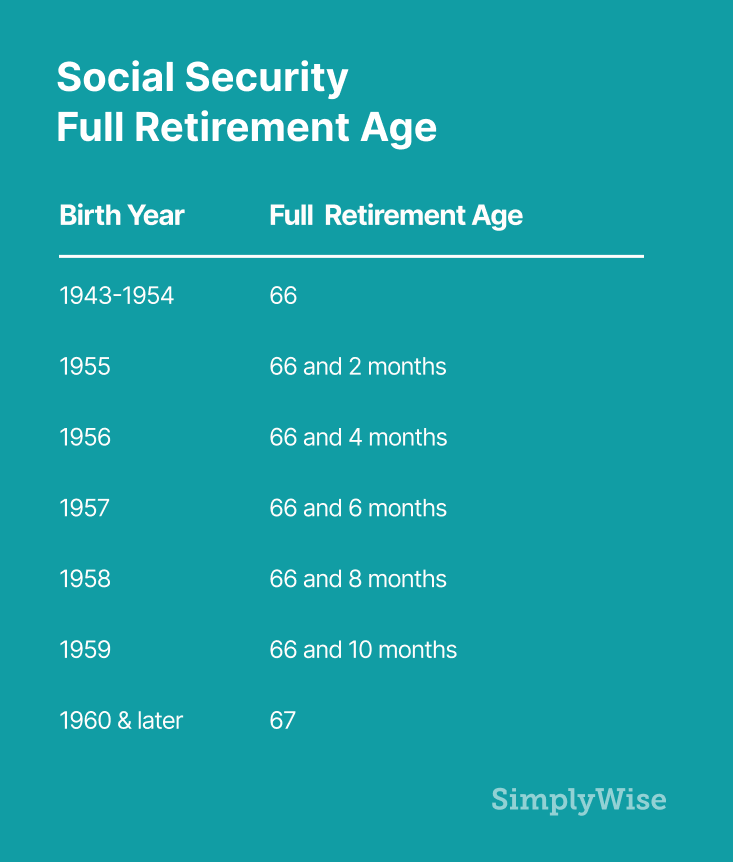
- Full Retirement Age (FRA) Benefits: This is the monthly amount you would receive if you start collecting benefits at your full retirement age (which varies depending on your birth year, typically between 66 and 67). This figure represents your “primary insurance amount” (PIA).
- Early Retirement Benefits: If you choose to claim benefits as early as age 62, your monthly payment will be permanently reduced. Your statement will provide this reduced estimate.
- Delayed Retirement Benefits: Conversely, if you delay claiming benefits past your FRA, up to age 70, you can earn delayed retirement credits that permanently increase your monthly payment. Your statement will show this increased estimate.
- Spousal and Survivor Benefits: While not always detailed on the primary statement, the online account can provide information on how your earnings record might translate into benefits for your spouse or survivors in the event of your death or disability.
Understanding these different scenarios allows you to model various retirement timelines and their financial implications.
Reviewing Your Earnings Record
A crucial section of your Social Security Statement is your detailed earnings record, listing your reported earnings for each year of your working life. This record is vital because your Social Security benefits are calculated based on your highest 35 years of earnings.
Importance of Accuracy and Correcting Errors
It is imperative to review your earnings record carefully for accuracy. Unreported or underreported earnings can lead to lower benefits in retirement. If you find any discrepancies, such as missing years of earnings or incorrect amounts, you should contact the SSA immediately. You’ll typically need to provide documentation like W-2 forms or tax returns to support your claim. Correcting errors can be a lengthy process, so addressing them sooner rather than later is advisable.
What Affects Your Benefit Amount?
Several key factors ultimately determine the amount of Social Security benefit you will receive:
- Lifetime Earnings: Your highest 35 years of indexed earnings are used to calculate your average indexed monthly earnings (AIME), which then determines your primary insurance amount (PIA).
- Age You Claim Benefits: As highlighted, claiming early leads to permanent reductions, while delaying past FRA (up to age 70) leads to permanent increases.
- Cost-of-Living Adjustments (COLAs): Once you begin receiving benefits, your payments are subject to annual COLAs, which help maintain your purchasing power against inflation.
- Working While Receiving Benefits: If you claim benefits before your FRA and continue to work, your benefits may be temporarily reduced if your earnings exceed certain limits. Once you reach FRA, these reductions cease, and your benefits may be re-calculated to reflect the earnings withheld.
Planning Your Retirement with Social Security in Mind
Knowing your Social Security benefit estimates is just the first step. The real value comes from integrating this information into a comprehensive and actionable retirement plan.
Integrating Social Security into Your Financial Plan
While Social Security provides a reliable income stream, it’s rarely sufficient to cover all retirement expenses for most people. Financial advisors often recommend aiming for Social Security to replace no more than 30-40% of your pre-retirement income, though this can vary.
Not a Sole Source of Income
Recognize that Social Security is designed to be a foundation, not the entire structure, of your retirement income. It should be complemented by other sources such such as personal savings, investment portfolios (e.g., 401(k)s, IRAs, taxable accounts), employer pensions, and potentially income from part-time work in retirement. By viewing Social Security as one piece of a larger puzzle, you can create a more resilient and robust financial plan.
Strategic Claiming Ages
The decision of when to claim Social Security benefits is one of the most critical retirement choices you’ll make, impacting your total lifetime benefits.
Trade-offs of Early vs. Delayed Claiming
- Claiming Early (as early as 62): Provides income sooner but results in a permanently reduced monthly benefit. This might be suitable for individuals with health issues, those forced into early retirement, or those who need the income to bridge a gap until other assets mature.
- Claiming at Full Retirement Age (FRA): You receive 100% of your primary insurance amount. This is a common choice for many retirees, offering a balance between earlier income and a full benefit.
- Delaying Claiming (up to age 70): Each year you delay past your FRA, your monthly benefit increases by a certain percentage (currently 8% per year for those born in 1943 or later) up to age 70. This can result in significantly higher monthly payments for life, a strategy often favored by those in good health with other sufficient income sources in early retirement.
Consider your health, life expectancy, other retirement income sources, and your spouse’s benefits when making this decision. Often, a financial advisor can help model different scenarios to determine the optimal claiming strategy for your unique situation.
Keeping Up-to-Date
Your financial situation and Social Security benefits are not static. It’s important to regularly review your information to ensure your plan remains current and accurate.
Regularly Checking Your Statement/Online Account
Make it a habit to review your Social Security Statement annually, either by accessing your “my Social Security” account or requesting a mailed copy. This ensures your earnings record remains accurate and allows you to track any changes in your estimated benefits due to new legislation or updated earnings. Continued work can increase your highest 35 years of earnings, potentially boosting your benefit amount, so regular checks are vital.
In conclusion, understanding “how much Social Security I have” is a fundamental step toward securing a stable financial future. By leveraging the tools provided by the Social Security Administration—particularly the “my Social Security” online account—you gain invaluable insights into your potential retirement income. This knowledge empowers you to plan effectively, make informed financial decisions, and build a retirement strategy that truly reflects your goals and aspirations. Take control of your financial future today by uncovering the details of your Social Security benefits.
aViewFromTheCave is a participant in the Amazon Services LLC Associates Program, an affiliate advertising program designed to provide a means for sites to earn advertising fees by advertising and linking to Amazon.com. Amazon, the Amazon logo, AmazonSupply, and the AmazonSupply logo are trademarks of Amazon.com, Inc. or its affiliates. As an Amazon Associate we earn affiliate commissions from qualifying purchases.