
Understanding one’s calorie intake is a cornerstone of effective weight management, athletic performance, and overall nutritional health. Whether your goal is to lose weight, gain muscle, or simply maintain a healthy lifestyle, knowing the energy content of the food you consume provides invaluable data. Historically, this was a tedious process, often involving manual food diaries, reference books, and complex calculations. However, the rapid advancement of technology has utterly transformed how we approach calorie tracking, making it more accessible, accurate, and integrated than ever before. In today’s digital age, a vast array of tech tools, from sophisticated mobile applications to advanced wearable devices and AI-driven platforms, empowers individuals to meticulously monitor their nutritional input with unprecedented ease. This article delves into the technological landscape that has redefined calorie tracking, offering insights into the tools available and how to best utilize them for your health journey.
The Digital Revolution in Calorie Tracking: From Spreadsheets to Sophisticated Apps
The journey of calorie tracking technology began modestly, evolving from rudimentary digital logs to the comprehensive, intelligent platforms we rely on today. This evolution mirrors the broader digital transformation, where manual processes have been streamlined and enhanced through software innovation.
Early Digital Tools: The Rise of Online Calculators and Basic Spreadsheets
Before the advent of ubiquitous mobile computing, the first steps towards digital calorie tracking were taken through online calculators and personal computer spreadsheets. Websites emerged offering databases of common foods, allowing users to manually input their meals and receive estimated calorie counts. These tools, while revolutionary for their time, often required significant effort. Users would typically have to search for each ingredient, estimate portion sizes, and then sum the nutritional values themselves. Spreadsheets offered a more personalized, albeit equally manual, approach. Individuals would create their own databases, logging food items, their caloric values, and then tallying daily totals.
While these early digital aids were a significant improvement over paper-and-pencil methods, they presented several limitations. Their food databases were often sparse or generalized, making it challenging to track specific brands or restaurant meals accurately. The process remained disjointed, with no integration between tracking and other health metrics, nor any real-time feedback or analytical capabilities. Furthermore, the reliance on desktop computers meant tracking wasn’t always convenient or immediate, often leading to retroactive logging and potential inaccuracies due to memory recall. Despite these challenges, these pioneering digital tools laid the groundwork for a future where technology would empower individuals with more precise and convenient nutritional insights.
The Era of Mobile Applications: Comprehensive Food Diaries in Your Pocket
The true paradigm shift in calorie tracking arrived with the proliferation of smartphones and the subsequent explosion of mobile applications. Apps like MyFitnessPal, LoseIt!, Cronometer, and countless others transformed calorie logging from a chore into a seamless, often engaging, daily activity. These applications leverage the power of mobile computing to offer an unparalleled user experience and a wealth of features that transcend their predecessors.
At the core of these apps is an expansive, often crowd-sourced, food database that can contain millions of items, including common ingredients, packaged goods with specific brand information, and even restaurant menu items. This extensive data allows users to log their meals with remarkable precision. A key innovation has been the integration of barcode scanners, enabling users to simply scan a product’s UPC code to instantly pull up its nutritional information, eliminating manual searching and data entry. Beyond individual items, many apps facilitate the creation of custom foods and recipes, allowing users to input ingredients, and the app automatically calculates the total nutritional breakdown, which can then be easily logged for future use.
The convenience offered by these mobile apps is unparalleled. Food logging can happen in real-time, whether you’re at home, at a restaurant, or on the go. Many apps provide visual progress trackers, macronutrient breakdowns (protein, fat, carbs), and even micronutrient insights, giving users a holistic view of their diet. The push notification system reminds users to log meals, helping to build consistent habits. Moreover, the intuitive interfaces, often gamified elements, and community features of these apps have made calorie tracking more approachable and sustainable for a broad audience, fostering a digital ecosystem around personal health management.
Advanced Tracking: Integrating Wearables and AI for Holistic Insights
As technology continues to advance, calorie tracking is moving beyond mere intake logging. The integration of wearable devices and the burgeoning capabilities of artificial intelligence are creating a more holistic and intelligent approach to understanding our energy balance.
Wearable Technology: Tracking Activity and Calorie Expenditure
The rise of wearable fitness technology has added another crucial dimension to calorie management: tracking calorie expenditure. Smartwatches and fitness trackers, such as the Apple Watch, Fitbit, Garmin devices, and others, continuously monitor various physiological parameters throughout the day. Using built-in accelerometers, gyroscopes, heart rate monitors, and even GPS, these devices estimate the number of calories an individual burns through daily activities and structured exercise.
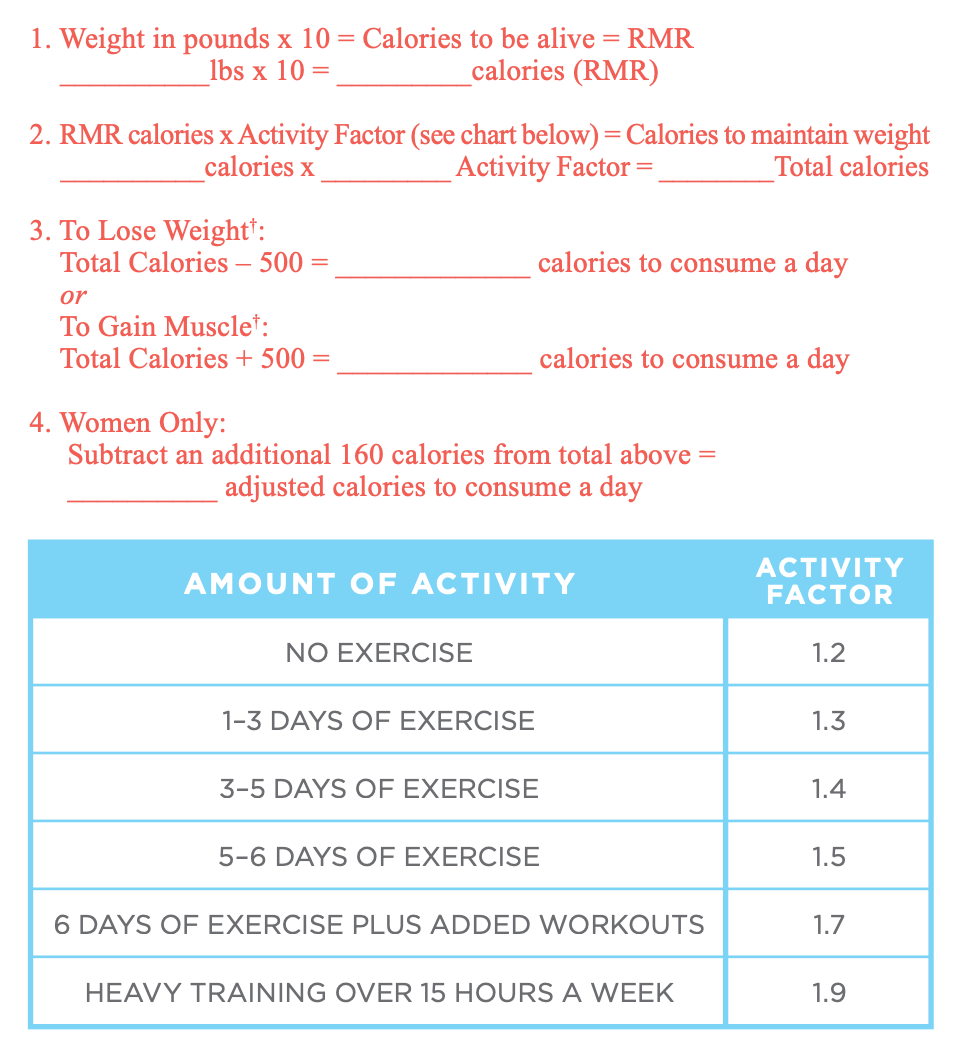
These wearables collect data on steps taken, distance covered, intensity of activity (measured by heart rate zones), and sleep patterns. Sophisticated algorithms then process this data, combined with user-specific biometrics (age, gender, weight, height), to provide a surprisingly accurate estimate of total daily energy expenditure (TDEE). The real power emerges when these expenditure figures are integrated with calorie intake apps. Many popular food logging apps offer seamless synchronization with major wearable brands or health platforms (like Apple Health or Google Fit). This integration provides users with a comprehensive “calories in vs. calories out” dashboard, offering real-time feedback on their energy balance and helping them adjust their intake or activity levels to meet their goals. For instance, if a user burns more calories through an intense workout, their integrated app might show a larger “calorie budget” remaining for the day, or conversely, highlight a deficit if intake is too low for their activity. While not perfectly precise, the synergy between intake and expenditure tracking provides an invaluable macro-level view of energy balance, significantly enhancing personal health management.
Artificial Intelligence and Machine Learning in Nutritional Analysis
The future of calorie tracking is increasingly intertwined with artificial intelligence (AI) and machine learning (ML). These advanced technologies are moving beyond simple data logging to offer personalized, predictive, and even proactive nutritional guidance.
One of the most exciting applications of AI is in automating the food logging process itself. Technologies like image recognition allow users to simply take a picture of their meal, and the AI attempts to identify the foods, estimate portion sizes, and log them automatically. While still in nascent stages and not entirely infallible, this technology promises to drastically reduce the manual effort involved in tracking. Some apps are also experimenting with voice recognition, allowing users to simply speak their meals into existence.
Beyond logging, AI is being deployed for personalized recommendations. By analyzing a user’s logged food data, activity levels, weight trends, and stated goals, AI algorithms can identify dietary patterns, suggest healthier alternatives, recommend optimal macronutrient ratios, and even generate personalized meal plans. For instance, if an AI detects a consistent deficit in protein intake for a muscle-building goal, it can proactively suggest protein-rich meal ideas. Machine learning models can also predict the impact of certain dietary choices on future weight, offering predictive analytics that help users make more informed decisions. Furthermore, AI-driven platforms can learn from user preferences and adherence, refining their recommendations over time to become more effective and personalized. The integration of AI promises to transform calorie tracking from a retrospective data entry task into a dynamic, intelligent, and deeply personalized nutritional coach.
Choosing the Right Tech: Features to Consider for Your Calorie Tracking Journey
With a plethora of technology available, selecting the right tools for calorie tracking can feel daunting. The “best” solution often depends on individual needs, tech savviness, and specific health goals. However, several key features should guide your decision-making process.
User Interface and Ease of Use
The most sophisticated app is useless if it’s too complicated to use consistently. An intuitive, clean, and user-friendly interface is paramount for sustained engagement. Look for apps with a simple logging process, clear navigation, and customizable dashboards that display the most relevant information at a glance. Features like quick add buttons for frequently eaten foods, copy-and-paste meal options, and streamlined recipe builders significantly enhance the user experience. The easier and quicker it is to log your food, the more likely you are to stick with it daily.
Database Accuracy and Comprehensiveness
The core of any calorie tracking app is its food database. A robust database should be extensive, accurate, and regularly updated. It should include a wide variety of generic foods, brand-specific products with verified nutritional information, and popular restaurant items. The ability to scan barcodes is a non-negotiable feature for modern apps, ensuring precision and speed. Furthermore, look for apps that allow users to easily create and save custom foods or recipes, which is essential for home cooks or those consuming unique meals. Accuracy in portion sizing and nutritional values is crucial; a database riddled with errors will lead to flawed insights.
Integration Capabilities
In today’s interconnected digital health ecosystem, integration is key. Your chosen calorie tracking app should ideally sync seamlessly with other health and fitness platforms you use. This includes popular wearable devices (smartwatches, fitness trackers), smart scales, and native health apps on your smartphone (e.g., Apple Health, Google Fit). Integration allows for a holistic view of your health data, linking calorie intake with activity levels, weight fluctuations, and other biometrics. This unified data stream provides a much richer context for understanding your overall energy balance and progress.
Reporting and Analytics
Beyond simply logging numbers, a powerful calorie tracking tool should offer insightful reporting and analytics. Look for features that provide detailed macronutrient breakdowns (protein, carbs, fats), micronutrient analysis, and graphical representations of your intake over time. The ability to track trends, identify dietary patterns, and visualize progress towards your goals can be incredibly motivating and informative. Historical data access, customizable reports, and the option to export data for further analysis can be valuable for those who want deeper insights or need to share information with health professionals.
Privacy and Data Security
Given the highly personal nature of health and dietary data, privacy and data security are critical considerations. Before committing to an app, review its privacy policy to understand how your data is collected, stored, used, and shared. Ensure that the app employs robust security measures to protect your sensitive information. Opt for platforms that offer transparency regarding their data practices and provide options for data portability or deletion. Prioritizing your digital security is essential when using any health-related technology.
Best Practices for Tech-Enhanced Calorie Tracking
While technology offers powerful tools for calorie tracking, its effectiveness ultimately hinges on how it’s used. Implementing best practices can maximize the benefits and ensure that the insights gained lead to tangible health improvements.
Consistency is Key: Making Technology Work for You
The most accurate data comes from consistent and diligent logging. Technology can facilitate this, but it cannot do it for you. Make logging a regular habit, ideally in real-time or immediately after consuming food. Utilize app features like reminders, notifications, and quick-add options to minimize friction. Building a routine around your tech tools—whether it’s logging breakfast while you brew coffee or reviewing your day’s intake before bed—will significantly improve the quality and completeness of your data, leading to more reliable insights. Remember, the tech is an enabler; your commitment is the driver.
Understanding the Limitations and Human Element
It’s crucial to acknowledge that even the most advanced technology provides estimates, not absolute truths. Calorie counts on food labels can have a margin of error, portion sizes are often eyeballed, and wearable devices estimate calorie burn rather than measuring it precisely. Technology is a powerful guide, but it’s not infallible. It’s essential to combine technological insights with mindful eating, listening to your body’s hunger cues, and paying attention to satiety. Over-reliance on numbers alone, without considering the qualitative aspects of food and personal well-being, can sometimes lead to an unhealthy obsession. The human element, including intuition and common sense, remains vital.
Leveraging Advanced Features for Deeper Insights
Don’t just use your calorie tracking tech for basic calorie counting. Dive deeper into its advanced features. Explore the macronutrient breakdown to understand if you’re getting enough protein for muscle recovery or managing your carb intake effectively. Analyze micronutrient data to identify potential vitamin or mineral deficiencies. Use the analytics and reporting tools to spot patterns in your eating habits, identify trigger foods, or understand how different foods affect your energy levels or mood. If your app integrates with wearables, pay attention to the interplay between your food intake and activity levels to understand your body’s energy balance more comprehensively. The more thoroughly you engage with the data your tech provides, the richer and more actionable your insights will be.

Conclusion
The evolution of technology has profoundly democratized and streamlined the process of finding out one’s calorie intake. From basic online calculators to sophisticated mobile apps, integrated wearable devices, and the emerging intelligence of AI, the tools available today offer unprecedented precision, convenience, and depth of insight. By leveraging these technological advancements, individuals can move beyond guesswork, gaining a clear, data-driven understanding of their nutritional landscape. However, it’s paramount to approach these tools with a blend of enthusiasm and discernment. Choosing the right tech based on usability, accuracy, integration, and privacy, combined with consistent application and a recognition of their inherent limitations, will empower you to effectively manage your calorie intake. Ultimately, while technology serves as a powerful guide, it is your engagement, consistency, and mindful approach that will truly transform data into actionable insights for a healthier, more informed lifestyle.
aViewFromTheCave is a participant in the Amazon Services LLC Associates Program, an affiliate advertising program designed to provide a means for sites to earn advertising fees by advertising and linking to Amazon.com. Amazon, the Amazon logo, AmazonSupply, and the AmazonSupply logo are trademarks of Amazon.com, Inc. or its affiliates. As an Amazon Associate we earn affiliate commissions from qualifying purchases.