
Understanding your income is the bedrock of all personal and business finance. Without a clear and accurate picture of what money flows into your accounts, budgeting becomes guesswork, financial goals remain elusive, and strategic financial planning is all but impossible. Far from a simple tally, “figuring out income” involves dissecting various sources, understanding their nuances, and consistently tracking their ebb and flow. This comprehensive guide will walk you through the process, equipping you with the knowledge and tools to gain crystal-clear insight into your financial inflows, empowering you to make informed decisions and build a more secure future.

Understanding Different Types of Income
Income is not a monolith; it manifests in various forms, each with its own characteristics and tax implications. A truly holistic understanding of your financial health begins with identifying and categorizing every dollar you receive.
Earned Income
This is arguably the most common and straightforward type of income. Earned income is generated through active participation in a trade or business.
- Wages, Salaries, and Tips: This constitutes the regular payment received from an employer for work performed. Wages are typically hourly, while salaries are fixed amounts paid regularly (weekly, bi-weekly, monthly). Tips are direct payments from customers to service providers. These are usually reported on a W-2 form at the end of the year, detailing gross pay, deductions, and net pay.
- Commissions and Bonuses: Commissions are payments earned based on achieving specific sales targets or performance metrics, common in sales roles. Bonuses are additional payments awarded for exceptional performance, company profitability, or as a perk.
- Self-Employment and Contract Work: For freelancers, independent contractors, small business owners, and gig economy participants, earned income comes from their clients or customers. This income is typically reported on a 1099-NEC or Schedule C (Form 1040) and often involves paying self-employment taxes (Social Security and Medicare). This category requires more diligent tracking as taxes and benefits are not automatically withheld.
Passive Income
Often considered the holy grail of financial independence, passive income is money earned with minimal active effort once the initial setup is complete. It frees your time from direct labor.
- Rental Income: Money received from tenants for the use of real estate or personal property. This requires initial investment and ongoing management, but the day-to-day effort is often less than active employment.
- Dividends and Interest: Dividends are portions of a company’s profits distributed to shareholders. Interest is money earned from lending capital, typically through savings accounts, bonds, or Certificates of Deposit (CDs). These are generally reported on a 1099-DIV or 1099-INT.
- Royalties: Payments received for the use of intellectual property, such as books, music, patents, or franchises. Once the creative work is done, royalties can generate income over many years.
- Business Profits (Non-Active): This applies when you own a business but are not involved in its daily operations. For example, owning a laundromat managed by an employee or being a silent partner in a venture.
Portfolio Income
This category refers to income generated from investments, primarily through appreciation rather than regular payouts.
- Capital Gains: This is the profit made from selling an investment (like stocks, bonds, mutual funds, or real estate) for more than its purchase price. Capital gains can be short-term (assets held for less than a year, taxed at ordinary income rates) or long-term (assets held for over a year, taxed at preferential rates).
- Sale of Other Assets: While less common for regular income, profits from selling collectibles, antiques, or other valuable assets can also fall under this umbrella.
Other Income Sources
Beyond the primary categories, various other sources can contribute to your overall financial picture.
- Government Benefits: Social Security benefits, unemployment compensation, disability payments, and certain welfare benefits.
- Pensions and Annuities: Payments received in retirement from previous employment or from purchased annuity contracts.
- Gifts and Inheritances: While often tax-exempt for the recipient up to certain thresholds, these can represent significant, albeit infrequent, inflows of wealth.
- Alimony/Child Support: Payments received from a former spouse.
Practical Steps to Calculate Your Total Income
Once you understand the different types of income, the next crucial step is to meticulously gather the necessary information and perform the calculations. This requires diligence and attention to detail.
Gathering Your Financial Documents
The accuracy of your income figures hinges on the completeness of your documentation. Create a dedicated system for organizing these papers, whether digital or physical.
- Pay Stubs: For W-2 employees, recent pay stubs provide a snapshot of gross pay, taxes withheld, and other deductions. They are essential for understanding your regular earned income.
- Tax Returns (Previous Years): Your federal and state tax returns (Form 1040, Schedule C, Schedule D, etc.) are invaluable resources. They summarize all reported income for a given year, offering a consolidated view that can help you track trends or identify overlooked sources.
- W-2s, 1099s, K-1s: These year-end tax forms are critical. W-2s summarize wages from employers. 1099 forms cover various non-employment income, such as independent contractor payments (1099-NEC), investment income (1099-DIV, 1099-INT, 1099-B), or rental income (1099-MISC). K-1s report income from partnerships, S corporations, and certain trusts.
- Bank and Investment Statements: Reviewing bank statements can reveal regular deposits from various sources not covered by formal tax documents, such as gig economy payments or occasional sales. Investment statements detail dividends, interest, and capital gains.
- Business Ledgers/Records: For the self-employed, maintaining detailed records of invoices, receipts, and income received is paramount. This forms the basis for your Schedule C.
Calculating Net vs. Gross Income
It’s vital to understand the difference between these two figures, as both play a role in financial planning.
- Gross Income: This is your total income before any deductions or taxes are withheld. It’s the headline number often used for loan applications, income eligibility for certain programs, or to gauge your earning potential. For W-2 employees, it’s the “salary” figure. For the self-employed, it’s total revenue before business expenses.
- Net Income (Take-Home Pay): This is the amount of money you actually receive after all mandatory and voluntary deductions have been taken out. For employees, this includes federal, state, and local taxes, Social Security, Medicare, retirement contributions (401k), health insurance premiums, and other pre-tax deductions. For self-employed individuals, net income is revenue minus business expenses and, importantly, estimated taxes set aside. This is the money you have available for living expenses, savings, and discretionary spending. It is your real spending power.
Accounting for Variable Income
Many individuals face the challenge of variable income, where earnings fluctuate significantly from month to month. This is common for freelancers, sales professionals on commission, small business owners, and those with seasonal work.
- Averaging: One strategy is to calculate your average monthly income over a significant period (e.g., the last 6-12 months). This provides a more stable figure for budgeting.
- Conservative Estimates: When income is unpredictable, it’s prudent to budget based on your lowest expected income or a conservative average. Any income above this threshold can then be treated as a bonus for savings or discretionary spending.
- Income Smoothing: For business owners or freelancers, consider setting aside a portion of high-income months into a separate savings account to draw from during leaner months. This creates a more consistent “salary” for yourself.
- Tracking and Projections: Keep meticulous records of all incoming payments. Over time, you can identify patterns and make more accurate projections for future earnings.
Incorporating Non-Traditional Income
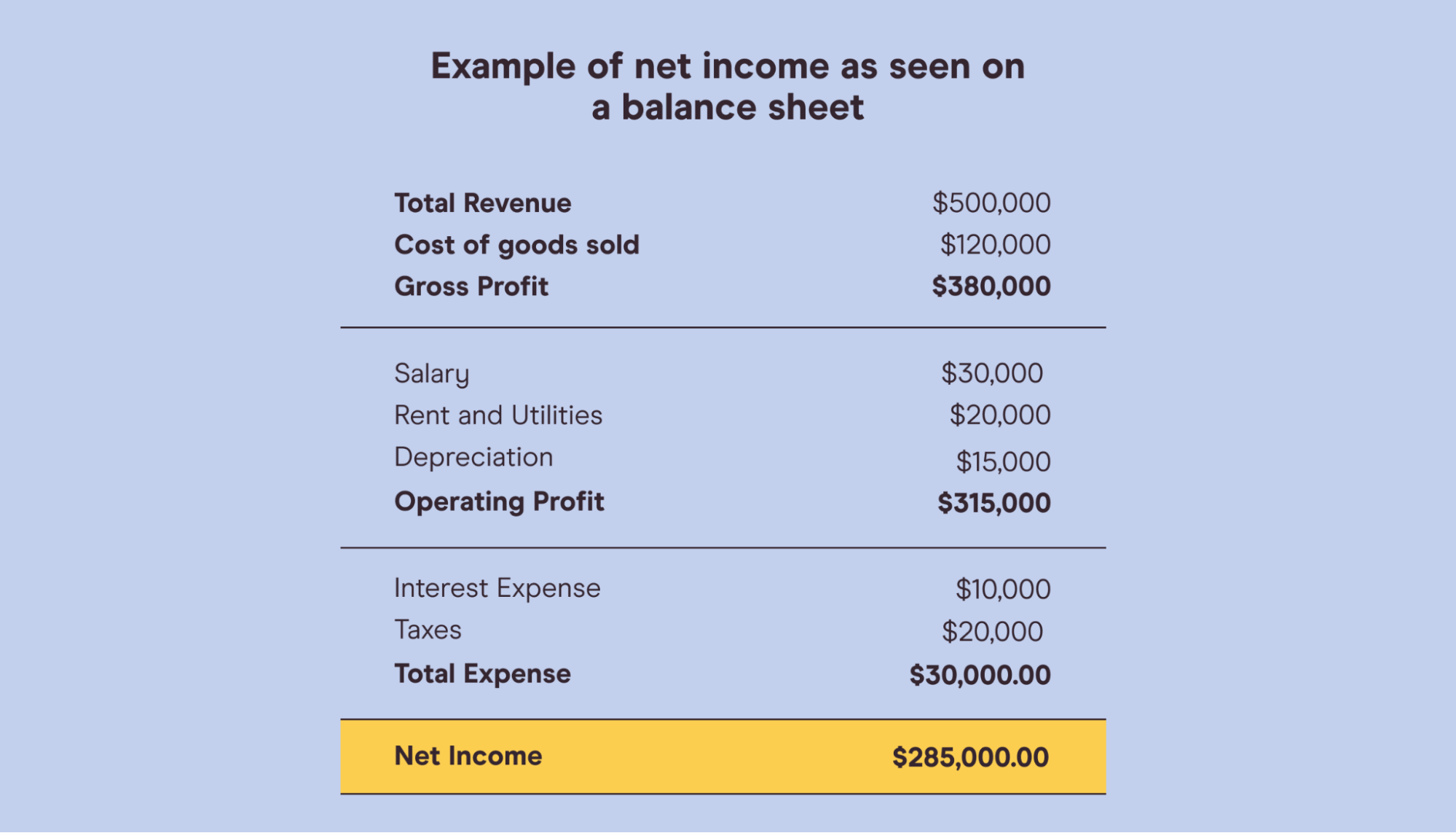
Don’t overlook irregular or less obvious income streams.
- Rental Income: Track all rent payments received, subtract eligible expenses (mortgage interest, property taxes, repairs, maintenance, depreciation) to determine your net rental income.
- Dividends and Interest: These are usually small but consistent. Sum up all figures from your 1099-DIV and 1099-INT forms, or directly from investment statements.
- Gig Economy and Side Hustle Earnings: Even small amounts from ridesharing, delivery services, online surveys, or selling crafts on Etsy need to be accounted for. These can add up and have tax implications. Track every payment, no matter how small.
Why Accurately Figuring Out Income Matters
Beyond simply knowing a number, a precise understanding of your income empowers you across various facets of your financial life.
Budgeting and Financial Planning
Your income is the foundation of your budget. Without an accurate figure, any budget you create is built on sand.
- Realistic Spending Limits: Knowing your net income allows you to set realistic spending limits for different categories (housing, food, transportation, entertainment) without constantly overspending or underspending.
- Achieving Financial Goals: Whether it’s saving for a down payment, retirement, a child’s education, or a dream vacation, accurate income figures enable you to calculate how much you can realistically allocate towards these goals each month and project timelines for achievement.
- Debt Repayment Strategies: Understanding your disposable income allows you to determine how much extra you can put towards accelerating debt repayment, such as credit card balances or student loans.
Tax Implications and Compliance
Income directly dictates your tax obligations. Miscalculating or overlooking income can lead to significant issues.
- Avoiding Surprises: Accurately tracking all income sources helps prevent unexpected tax bills at year-end. This is particularly crucial for self-employed individuals who are responsible for estimated quarterly tax payments.
- Identifying Deductions and Credits: A clear picture of your income and related expenses (especially for self-employment or rental properties) allows you to identify eligible deductions and credits, potentially reducing your taxable income.
- Preventing Audits: Consistent and accurate income reporting is a cornerstone of tax compliance and reduces the likelihood of an IRS audit.
Debt Management and Loan Eligibility
Lenders, whether for mortgages, car loans, or personal loans, rely heavily on your income figures to assess your creditworthiness and ability to repay.
- Debt-to-Income Ratio: Lenders calculate your debt-to-income (DTI) ratio, comparing your monthly debt payments to your gross monthly income. A low DTI indicates you can handle more debt. Knowing your income accurately helps you understand your borrowing capacity.
- Loan Approval: Simply put, higher stable income generally leads to better loan terms and a higher likelihood of approval. Understanding your income helps you set realistic expectations for what you can afford and qualify for.
Investment Strategy and Wealth Building
Your income determines how much capital you can deploy into investments, which is crucial for long-term wealth accumulation.
- Savings Rate: A clear income figure helps you calculate your savings rate – the percentage of your income you save or invest. Increasing this rate is a powerful lever for wealth building.
- Consistent Contributions: Knowing your surplus income allows you to set up consistent contributions to retirement accounts (401k, IRA), brokerage accounts, or other investment vehicles, leveraging the power of compound interest.
- Risk Tolerance: Your income stability and level can also influence your investment risk tolerance. A higher, more stable income might allow for a more aggressive investment strategy, while variable income might necessitate a more conservative approach.
Tools and Strategies for Income Tracking
Maintaining an accurate record of your income doesn’t have to be a daunting task. A variety of tools and strategies can simplify the process.
Spreadsheets and Manual Tracking
For those who prefer a hands-on approach or have relatively straightforward income streams, spreadsheets can be highly effective.
- Pros:
- Customization: You can design your spreadsheet exactly how you want it, categorizing income sources in a way that makes sense to you.
- Cost-Effective: Free tools like Google Sheets or included software like Microsoft Excel make this an accessible option.
- Full Control: You have complete oversight of your data and calculations.
- Cons:
- Time-Consuming: Requires manual data entry, which can be tedious and prone to human error.
- Lack of Automation: No automatic linking to bank accounts or real-time updates.
- Limited Insights: Generating complex reports or visualizations requires manual setup and expertise.
Budgeting Apps and Software
Technology has revolutionized personal finance, offering powerful tools for automated income tracking.
- Pros:
- Automation: Many apps link directly to your bank and investment accounts, automatically categorizing transactions and tracking income.
- Real-time Insights: Provides up-to-the-minute views of your financial situation, cash flow, and spending patterns.
- Reporting and Visualization: Generates easy-to-understand charts and graphs that help you visualize your income over time and identify trends.
- Goal Tracking: Integrates income data with financial goal tracking (e.g., saving for a down payment).
- Examples:
- Mint: Free budgeting app that links accounts and tracks income/expenses.
- YNAB (You Need A Budget): Focuses on “giving every dollar a job,” excellent for proactive budgeting and income allocation.
- Personal Capital: Strong for investment tracking and net worth calculation, with good income overview features.
- QuickBooks Self-Employed: Tailored for freelancers and contractors, helping track income, expenses, and estimated taxes.
- Cons:
- Cost: Some of the more robust apps come with a monthly or annual subscription fee.
- Data Privacy Concerns: Linking bank accounts means sharing sensitive financial data with a third-party service, though reputable companies employ strong security measures.
- Learning Curve: Some advanced features might require time to learn.
Professional Financial Advisors
For complex financial situations or those seeking comprehensive financial planning, a professional advisor can be invaluable.
- When to Consider:
- Multiple, diverse income streams (e.g., business owner with investments and rental properties).
- Significant life changes (marriage, divorce, inheritance, starting a family).
- Complex tax situations.
- Desire for long-term wealth management and retirement planning.
- Benefits:
- Expert Guidance: Advisors can help you accurately categorize and track all income, ensure tax compliance, and integrate income into a broader financial plan.
- Objective Perspective: They offer unbiased advice tailored to your specific situation and goals.
- Time-Saving: They can take over the laborious task of income and expense tracking, freeing up your time.

Conclusion
Figuring out your income is not a one-time exercise but an ongoing commitment to financial clarity. It demands an understanding of diverse income types, meticulous record-keeping, and the utilization of appropriate tools. By embracing this process, you transform a vague understanding into precise knowledge, laying a strong foundation for effective budgeting, strategic financial planning, responsible debt management, and powerful wealth building. The effort invested in accurately assessing your income directly correlates with the control and confidence you gain over your financial future, leading to greater peace of mind and the ability to achieve your most ambitious financial aspirations.
aViewFromTheCave is a participant in the Amazon Services LLC Associates Program, an affiliate advertising program designed to provide a means for sites to earn advertising fees by advertising and linking to Amazon.com. Amazon, the Amazon logo, AmazonSupply, and the AmazonSupply logo are trademarks of Amazon.com, Inc. or its affiliates. As an Amazon Associate we earn affiliate commissions from qualifying purchases.