
Understanding where your household’s electricity is going is the first step towards significant savings and a more sustainable lifestyle. While the initial thought might simply be about flicking lights on and off, the reality of home energy consumption is far more nuanced, driven by a complex interplay of modern technology, our reliance on connected devices, and the financial implications of inefficient energy use. This article delves into the primary culprits of your electricity bill, drawing insights from the interconnected worlds of technology, smart brand choices, and personal finance.
The Silent Energy Guzzlers: Beyond the Obvious
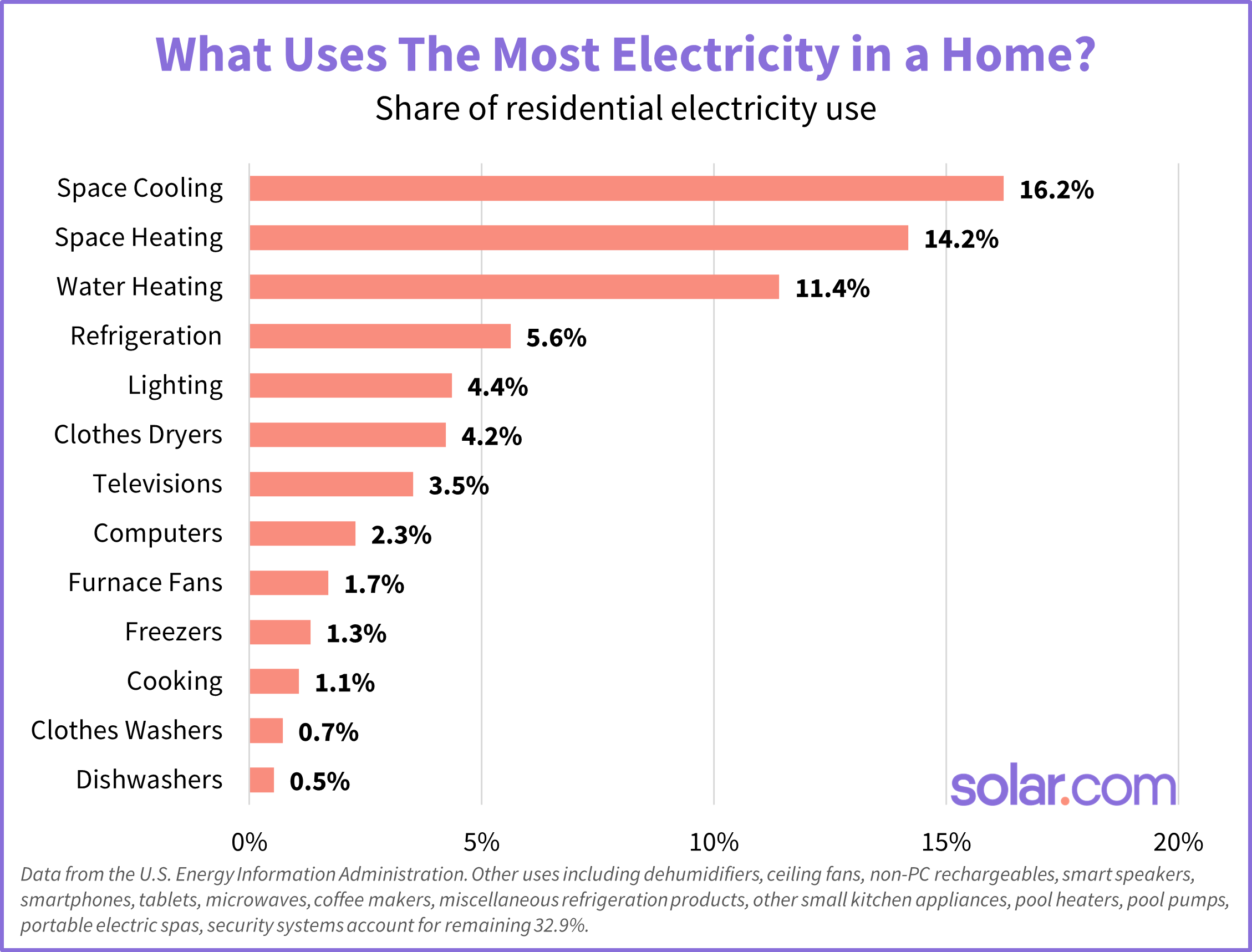
When we think about electricity usage, our minds often jump to glaring lights or the hum of a washing machine. However, the biggest drains are often less visible, lurking in the background and working tirelessly throughout the day and night. These are the appliances and systems that, by their very nature, require substantial power to operate, or are constantly drawing energy even when not in active use.
1. Heating and Cooling: The Unavoidable Titans
For most households, particularly those in varied climates, the systems responsible for regulating indoor temperature are by far the biggest energy consumers. This includes central heating, air conditioning units, electric furnaces, heat pumps, and even electric space heaters.
- HVAC Systems: These are the workhorses of climate control. Air conditioners, especially older or less efficient models, can consume a significant portion of your electricity, particularly during sweltering summer months. Similarly, electric heating systems, while sometimes more efficient in specific applications, still demand a large amount of power to generate heat. The size of your home, the quality of insulation, the thermostat settings, and the age and efficiency rating of your HVAC system all play crucial roles in determining their energy footprint.
- Ductwork and Air Leaks: Even if your HVAC system is relatively efficient, leaky ducts or poor insulation in your home can force the system to work harder, consuming more electricity to achieve the desired temperature. Think of it like trying to fill a leaky bucket; you’re constantly adding more water (energy) to compensate for what’s escaping.
- Smart Thermostats and Energy Management: This is where technology intersects with energy efficiency. Smart thermostats, a popular gadget in the tech sphere, can learn your habits and optimize heating and cooling schedules, significantly reducing energy waste. They allow for remote control and provide data on usage patterns, empowering homeowners to make informed decisions. Furthermore, advancements in AI tools are beginning to offer predictive energy management for entire homes, anticipating weather changes and optimizing HVAC operation before you even feel a difference.
2. Water Heating: The Constant Demand
Another major energy consumer, often overlooked, is your water heater. Whether it’s an electric tank heater, a tankless electric heater, or even a heat pump water heater, heating water requires a substantial amount of energy.
- Electric Tank Water Heaters: These are the most common and often the most energy-intensive. They constantly heat and reheat water stored in a tank, even when you’re not using it, to maintain a set temperature. The standby heat loss from the tank can account for a considerable amount of wasted energy.
- Usage Habits: The frequency and duration of hot water use directly impact consumption. Long, hot showers, frequent dishwashing cycles, and even the use of hot water for laundry all contribute to the demand.
- Emerging Technologies and Efficiency: Newer heat pump water heaters are significantly more energy-efficient, using ambient air to heat water rather than directly converting electricity into heat. While these often have a higher upfront cost, they represent a smart investment from both a financial and environmental perspective. Understanding the “brand” of your water heater and its energy efficiency rating (like Energy Star certifications) can guide you towards more sustainable choices.
The Digital Drain: Connected Gadgets and Phantom Loads
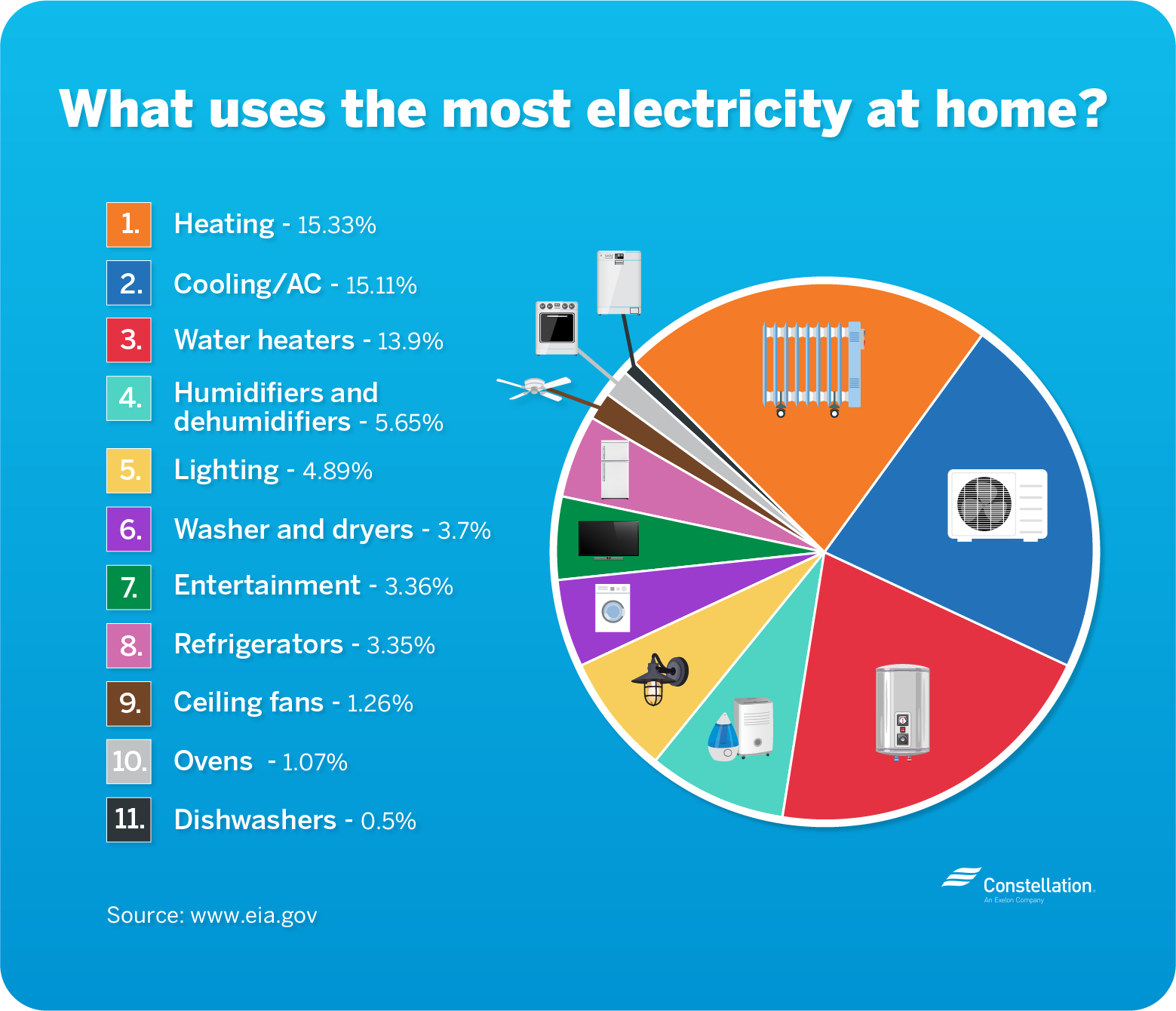
In today’s increasingly digitized world, the proliferation of electronic devices has introduced a new category of energy consumption: the cumulative draw from “smart” appliances, entertainment systems, and a multitude of charging devices. Beyond the active use of these gadgets, a significant portion of their energy consumption comes from “phantom loads” or “vampire power.”
1. Entertainment and Office Equipment: Always On, Always Drawing
Your living room and home office are often hubs of significant, albeit sometimes hidden, energy use.
- Televisions and Audio Systems: Modern flat-screen TVs, especially larger ones, can consume substantial power when in use. The associated soundbars, gaming consoles, and streaming devices, while individually modest, add up quickly.
- Computers and Peripherals: Desktops, laptops, monitors, printers, and routers all contribute to your energy bill. Even when a computer is “off,” it may still be in a standby or sleep mode, drawing power to quickly resume operation. Routers and modems, essential for your internet connection, are typically on 24/7.
- Phantom Load Explained: This refers to the electricity consumed by electronics when they are turned off but still plugged in. Many devices are designed to be in a standby state, ready to be activated, and this readiness requires a constant trickle of power. This can include everything from microwave ovens with digital clocks to chargers that remain plugged in even when no device is attached.
2. The Ubiquitous Charger and Smart Home Ecosystem
The convenience of charging our devices on the go has led to a plethora of chargers, many of which continue to draw power even when not actively charging. The rise of the smart home ecosystem further amplifies this.
- Mobile Device Chargers: While a single phone charger might seem insignificant, multiply that by every phone, tablet, and wearable device in your home, and the cumulative energy draw becomes noticeable. Many chargers continue to draw power once the battery is full, or simply by being plugged into the wall.
- Smart Home Devices: Smart speakers, smart plugs, smart bulbs, security cameras, and Wi-Fi-enabled appliances all add to the energy demand. While many of these offer convenience and potential efficiency gains through automated control, their constant connectivity and background operation contribute to overall consumption.
- Tech-Savvy Solutions for Energy Savings: This is an area where technology offers direct solutions. Using smart power strips that cut power to devices completely when not in use can dramatically reduce phantom load. Choosing energy-efficient chargers and devices, often identified by their energy ratings, is also a wise strategy. Furthermore, understanding the “brand” reputation of tech companies for their energy-conscious designs can inform purchasing decisions.
The Bigger Picture: Refrigeration, Lighting, and Laundry
Beyond the high-tech and climate control giants, several other common household appliances play a significant role in overall electricity consumption. Their impact can be amplified by their continuous operation or the energy required for their specific functions.
1. Refrigeration: The 24/7 Workhorse
Your refrigerator is one of the few appliances that runs continuously, every single day of the year. Its primary function is to keep food cold, a process that inherently requires energy.
- Age and Efficiency: Older refrigerators are often significantly less energy-efficient than newer models. Their insulation may degrade over time, and their compressors may be less effective, leading to more frequent cycling and higher energy use.
- Usage and Maintenance: How often you open the refrigerator door, how full it is, and how well it’s maintained (e.g., cleaning the condenser coils) can all impact its energy consumption.
- Energy Star Ratings and Brand Choices: When purchasing a new refrigerator, looking for Energy Star certified models is crucial. These appliances meet strict energy efficiency guidelines set by the EPA. Researching the “brand” reputation for reliability and energy performance can also lead to long-term savings.
2. Lighting: Still a Factor, Even with LEDs
While advancements in lighting technology have drastically reduced energy consumption compared to incandescent bulbs, lighting still represents a notable portion of a household’s electricity bill, especially in larger homes or those with less efficient lighting choices.
- Incandescent vs. LED: The transition from old-fashioned incandescent bulbs to energy-efficient LED (Light Emitting Diode) bulbs is one of the most straightforward ways to reduce electricity usage. LEDs use a fraction of the energy and last significantly longer.
- Usage Habits: Leaving lights on in unoccupied rooms is a common source of energy waste.
- Smart Lighting Solutions: Smart bulbs and smart lighting systems offer sophisticated control, allowing for scheduling, dimming, and motion-sensing activation, further optimizing energy use and contributing to convenience.
3. Laundry and Dishwashing: Hot Water and Mechanical Action
The appliances used for cleaning clothes and dishes are significant energy consumers, primarily due to the energy required to heat water and power the motors and heating elements.
- Washing Machines: The “hot wash” cycle uses the most energy, as the machine needs to heat the water. High spin cycles can also consume more power.
- Dryers: Electric clothes dryers are notorious energy hogs. They use powerful heating elements to dry clothes, and the longer the drying cycle, the more electricity is consumed.
- Dishwashers: Similar to washing machines, the energy used to heat the water and the drying cycle (if used) are the primary drivers of electricity consumption.
- Optimizing Usage: Washing full loads, using cooler water settings when appropriate, and air-drying clothes instead of using a dryer are effective strategies. For dishwashers, using the eco-friendly settings and ensuring a full load are key.
Conclusion: Informed Choices for a Brighter Future
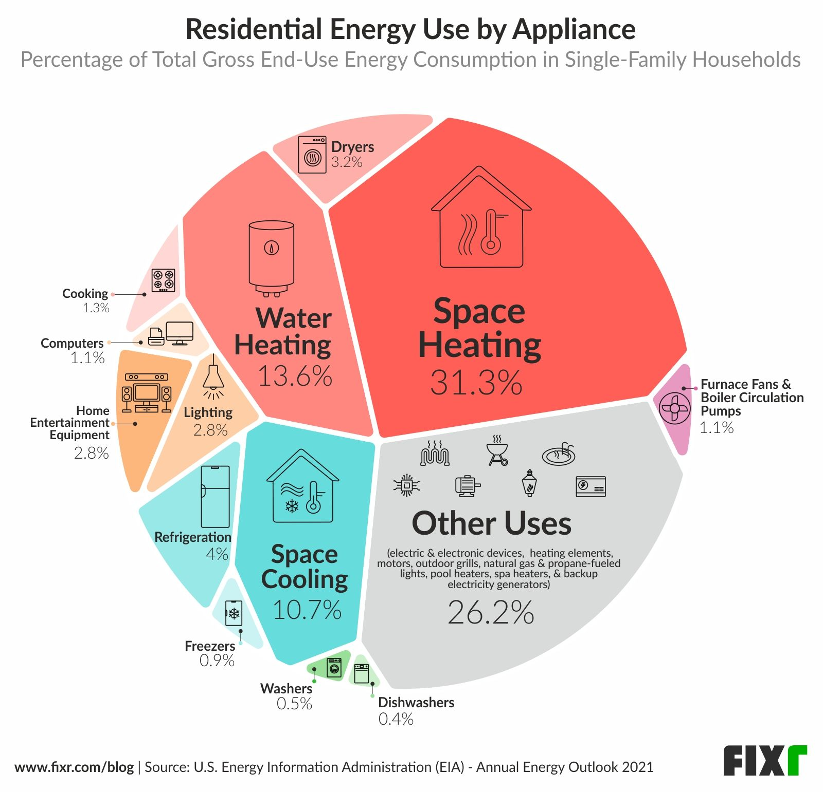
Understanding what consumes the most electricity in your house empowers you to take control of your energy bills and reduce your environmental impact. From the silent hum of your refrigerator to the sophisticated demands of your smart home devices, each appliance and system contributes to your overall consumption. By embracing technological advancements, making informed purchasing decisions based on brand reputation and energy efficiency, and adopting smarter usage habits, you can achieve significant savings. Investing in energy-efficient appliances, utilizing smart home technology for optimized control, and simply being mindful of your energy consumption are all crucial steps towards a more sustainable and financially responsible household. The journey to lower electricity bills and a greener lifestyle begins with awareness and informed action.
aViewFromTheCave is a participant in the Amazon Services LLC Associates Program, an affiliate advertising program designed to provide a means for sites to earn advertising fees by advertising and linking to Amazon.com. Amazon, the Amazon logo, AmazonSupply, and the AmazonSupply logo are trademarks of Amazon.com, Inc. or its affiliates. As an Amazon Associate we earn affiliate commissions from qualifying purchases.