
In an increasingly health-conscious world, the seemingly simple act of drinking enough water often remains a significant challenge for many. While general advice frequently points to a universal “eight glasses a day,” the reality is far more nuanced. Individual hydration needs are complex, influenced by a myriad of personal factors that generic recommendations fail to address. This is where the “how much water per day calculator” emerges as a crucial digital tool, leveraging technology to demystify personal hydration and provide actionable, data-driven insights. Far from being a mere gimmick, these calculators represent a practical application of data science and user-centric design within the broader landscape of health technology, offering personalized guidance where blanket advice falls short.
The Science Behind Hydration Calculators
At its core, a water intake calculator is an algorithm designed to estimate an individual’s optimal daily fluid requirement. This isn’t just a random guess but is based on physiological principles and established guidelines from health organizations. The sophistication of these calculators varies, from basic formulas to advanced models incorporating multiple variables for a highly personalized output.
Core Variables and Algorithms
Most water intake calculators begin with fundamental physiological metrics. The primary inputs typically include:
- Age: Metabolic rates and physiological functions change with age, affecting fluid needs. Children, adults, and seniors have different basal hydration requirements.
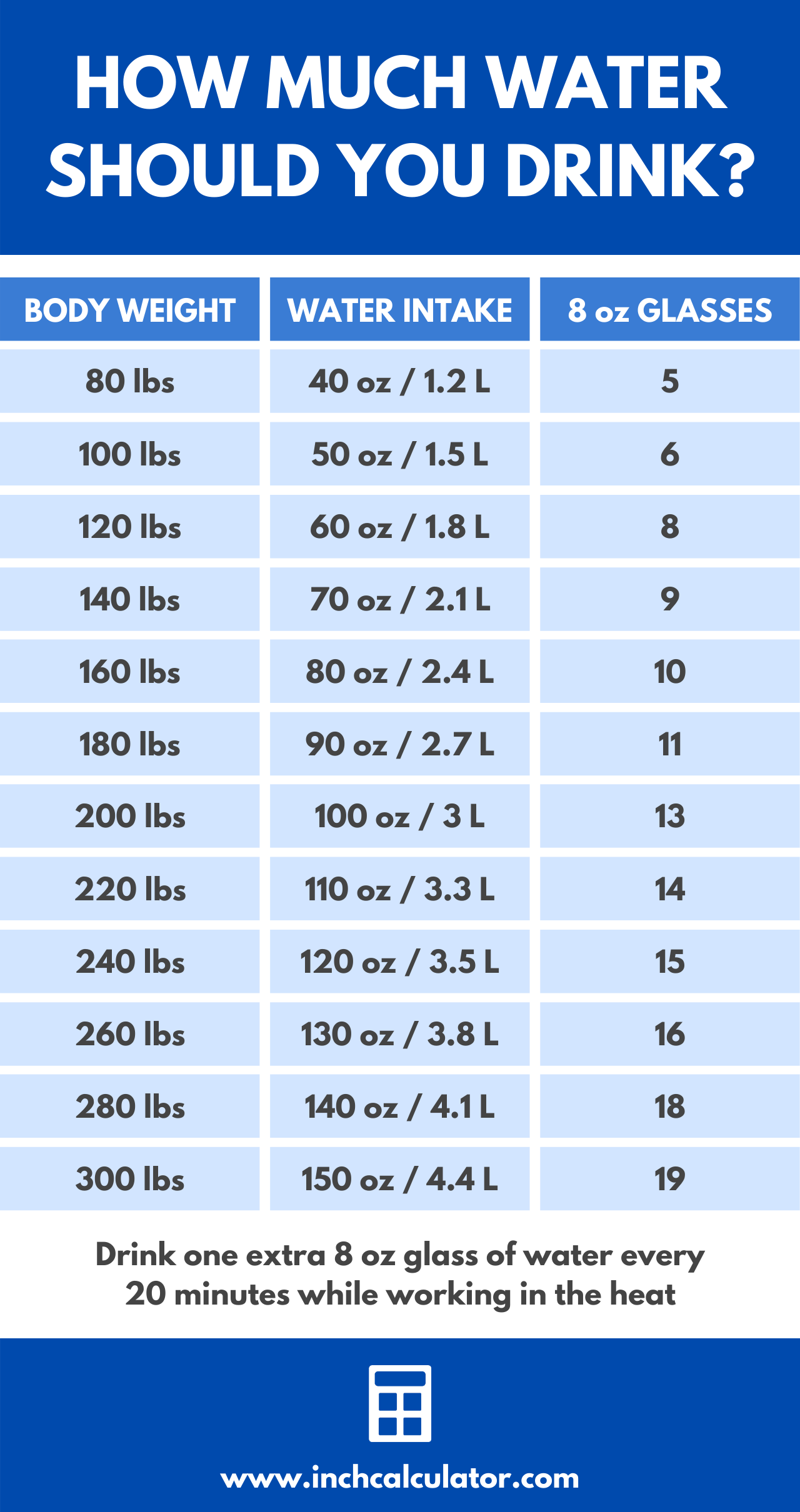
- Weight: A larger body mass generally correlates with a higher fluid requirement, as water constitutes a significant portion of body weight and is essential for cellular function in all tissues. Many calculators use formulas that scale fluid intake directly with body weight, often expressed in ounces per pound or milliliters per kilogram.
- Sex: While not always a primary variable in simpler calculators, some advanced models might consider sex-specific physiological differences, though weight often accounts for much of this variability.
- Activity Level: This is a critical factor. Individuals engaged in strenuous physical activity, such as athletes or those with physically demanding jobs, lose significantly more fluid through sweat and respiration. Calculators integrate this by adding a proportion of fluid based on the intensity and duration of exercise. A moderate workout might add an extra 16-24 ounces (0.5-0.7 liters), while intense, prolonged exercise could necessitate much more.
- Climate/Environment: Living in hot, humid climates or at high altitudes increases fluid loss. Calculators may prompt users for their geographic location or current environmental conditions to adjust recommendations upwards.
- Health Conditions: Certain medical conditions, such as fever, vomiting, diarrhea, or kidney disease, profoundly impact fluid balance. While a calculator can’t diagnose or manage these conditions, advanced versions might allow users to input such factors, prompting them to consult a doctor or adjusting recommendations accordingly.
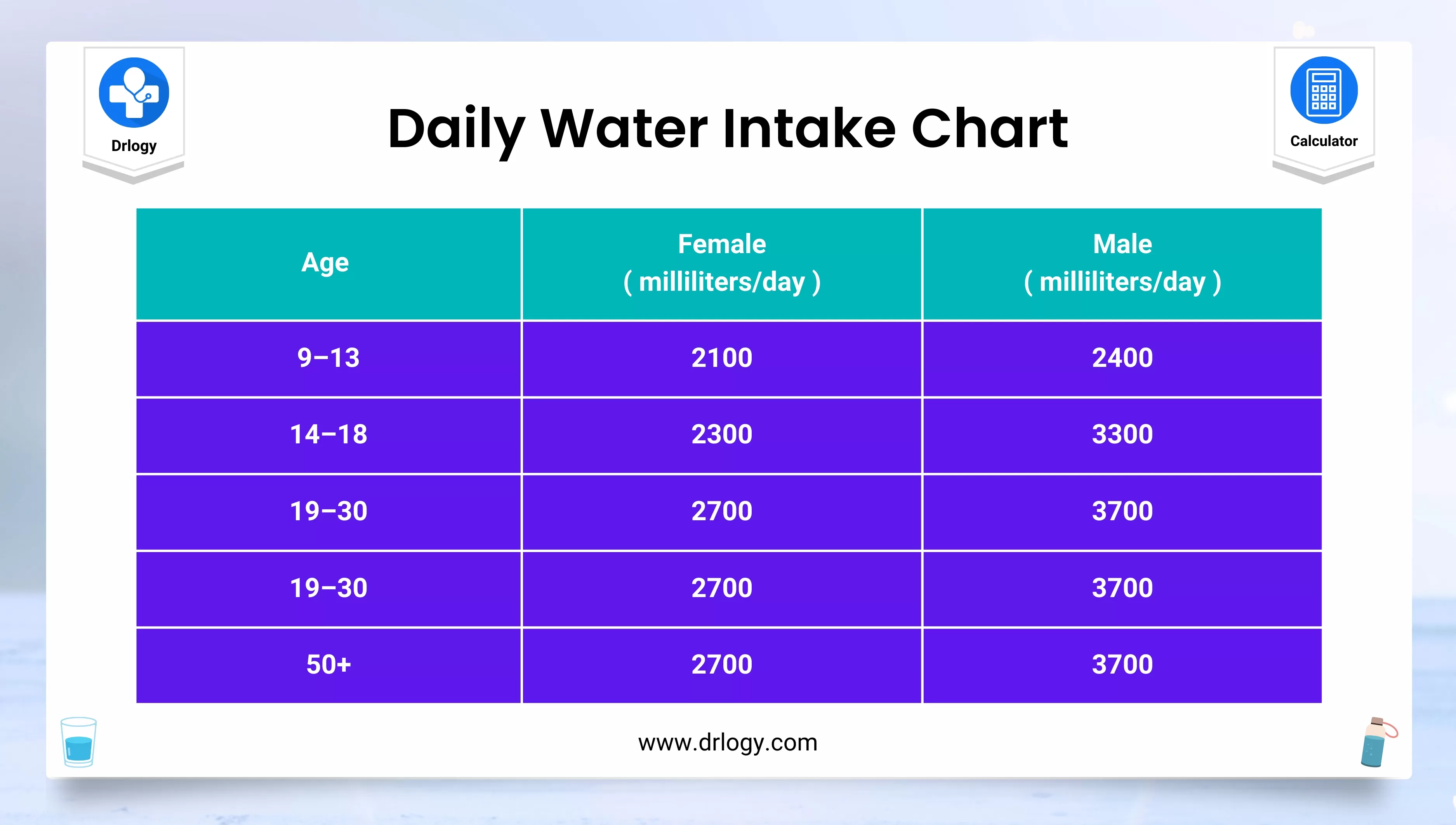
The underlying algorithms often build upon established guidelines, such as the Adequate Intake (AI) from the Institute of Medicine, which recommends roughly 15.5 cups (3.7 liters) of fluids for men and 11.5 cups (2.7 liters) of fluids for women per day, with further adjustments for specific factors. Digital calculators automate these complex calculations, providing immediate and tailored results.
Customization for Individual Needs
The real power of these tools lies in their capacity for customization. Unlike a static chart, a digital calculator can dynamically adjust its recommendations as your life changes. Gaining weight, starting a new exercise regimen, or even moving to a different climate can be factored in instantly. This adaptability makes them far more practical and relevant than one-size-fits-all advice, offering a truly personalized hydration strategy that evolves with the user.
Navigating the Digital Hydration Landscape
The market for hydration technology is diverse, encompassing everything from simple web-based tools to sophisticated mobile applications integrated with broader health ecosystems. Understanding the different types and their features is key to selecting the right solution.
Standalone Apps vs. Integrated Health Platforms
- Standalone Apps: These are dedicated mobile applications whose sole or primary purpose is to calculate and track water intake. They often boast user-friendly interfaces, visual progress trackers, and reminder functions. Examples include apps like WaterMinder, Plant Nanny, or Hydro Coach. Their strength lies in their focused functionality and often intuitive design, making them easy to adopt for users whose main goal is hydration.
- Integrated Health Platforms: Many comprehensive health and fitness applications, such as MyFitnessPal, Apple Health, Google Fit, or dedicated smart scale apps, include water intake tracking as one feature among many. These platforms benefit from consolidating all health data in one place, allowing users to see how hydration correlates with diet, exercise, sleep, and overall wellness. The integration can provide a more holistic view of health, but the hydration-specific features might be less granular than those found in dedicated apps.
Key Features to Look For
When evaluating a “how much water per day calculator,” whether standalone or integrated, several features enhance its utility:
- Customizable Targets: The ability to manually adjust the recommended intake if a user has specific medical advice or preferences.
- Easy Input Mechanism: Quick and intuitive ways to log water intake, such as pre-set cup sizes, drag-and-drop interfaces, or voice commands.
- Reminder Notifications: Timely alerts throughout the day to prompt users to drink water, often customizable in frequency and tone.
- Progress Tracking and Visuals: Graphs, charts, and daily summaries that visualize intake over time, showing streaks, averages, and achievement of daily goals. This gamification element can be a powerful motivator.
- Data Syncing: Integration with wearable devices (smartwatches, fitness trackers), other health apps, or cloud services to seamlessly transfer data and provide a unified health dashboard.
- Drink Variety: Support for tracking different types of fluids (water, tea, coffee, juice), with some advanced calculators factoring in the diuretic effects of certain beverages like coffee.
- Educational Content: Some apps provide articles or tips on the benefits of hydration, signs of dehydration, and healthy fluid choices.
The Mechanics of Calculation: A Deeper Dive
Beyond the basic inputs, the effectiveness of a water intake calculator lies in how it processes information and presents it back to the user in an actionable format.
Input Data: Beyond Basic Metrics
While age, weight, and activity are foundational, cutting-edge calculators can consider more subtle inputs:
- Pregnancy/Lactation Status: Pregnant and breastfeeding individuals have significantly increased fluid needs to support both their own physiological processes and the needs of their baby.
- Medication Use: Certain medications can impact fluid balance, either increasing the need for water or requiring careful monitoring of intake. While not typically a direct input for calculators, some might offer warnings or prompts to consult a physician.
- Dietary Habits: A diet rich in water-dense fruits and vegetables contributes to overall fluid intake, which some sophisticated calculators might consider, though this is less common.
These additional inputs allow for an even more granular and accurate personalized recommendation, moving beyond approximations to precise estimations based on a broader spectrum of physiological and lifestyle factors.
Output Interpretation and Actionable Insights
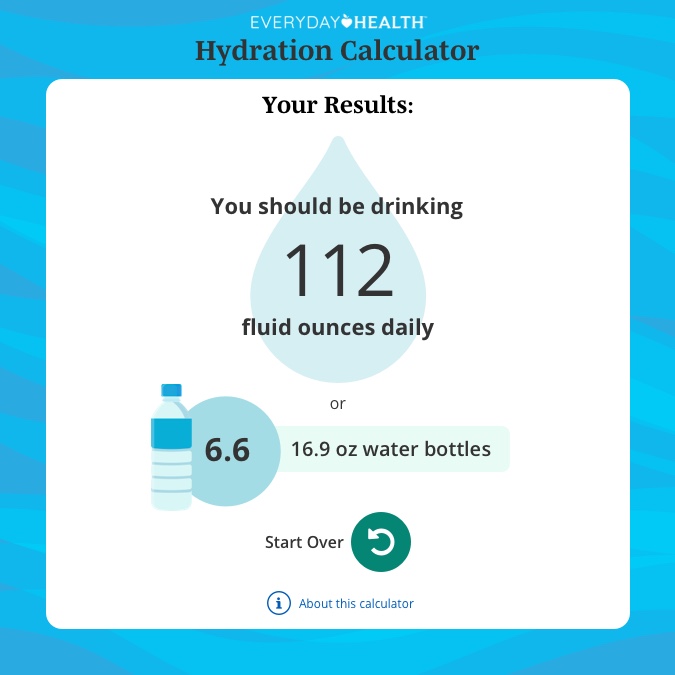
The output of a water calculator isn’t just a number; it should be a springboard for action. A well-designed tool translates the recommended daily intake into practical, manageable targets, often breaking it down into hourly or daily intervals. For example, instead of just stating “drink 3 liters,” it might suggest “drink one 500ml bottle every two hours starting at 8 AM.”
Furthermore, many apps provide insights into:
- Progress towards goals: How close you are to your daily target.
- Consistency over time: Charts showing daily intake over weeks or months, identifying patterns or inconsistencies.
- Impact of variables: For instance, showing how a high-intensity workout day required more water than a sedentary day, reinforcing the importance of dynamic hydration.
- Electrolyte balance (in advanced models): Some calculators, especially those geared towards athletes, might also offer guidance on electrolyte replenishment, though this often requires manual input of electrolyte consumption.
Enhancing Hydration Habits Through Technology
The true value of these calculators extends beyond mere calculation; they serve as powerful behavioral change tools, leveraging principles of psychology and user experience design to foster healthier habits.
Gamification and Reminders
- Gamification: Many apps incorporate game-like elements to make hydration more engaging. This includes earning badges for consistent intake, competing with friends, filling up virtual plants or characters as you drink, or reaching daily “streaks.” These elements tap into intrinsic motivation, turning a mundane task into a rewarding challenge.
- Personalized Reminders: Smart reminders are a cornerstone of effective hydration apps. They can be scheduled at regular intervals, intelligently adjusted based on your progress, or even triggered by external factors like weather alerts. The ability to customize reminder sounds, messages, and frequency ensures they are helpful rather than intrusive, gently nudging users towards their goals without being overbearing.
Data Sync and Ecosystem Integration
The seamless integration of water intake data with other health metrics is a significant technological advantage. When a hydration calculator syncs with a fitness tracker, a smart scale, or a nutrition app, it creates a comprehensive picture of an individual’s health. This interconnectedness allows for:
- Holistic Health Tracking: Seeing how hydration affects energy levels, workout performance, or even weight management within a single platform.
- Automated Adjustments: Potentially, a future where data from a smart watch (e.g., heart rate during exercise, sweat rate estimation) could automatically adjust the daily water recommendation in real-time.
- Personalized Insights: Algorithms that can cross-reference hydration with other data points to offer more profound insights, such as “On days you met your hydration goal, your sleep quality improved by X%.”
The Future of Personalized Hydration Tech
The evolution of the “how much water per day calculator” is intertwined with broader trends in health technology, particularly in wearables, AI, and big data. The future promises even more precise, proactive, and integrated hydration management.
Wearable Integration and Real-time Monitoring
Current wearables can track heart rate, activity levels, and sometimes even skin temperature, all of which indirectly relate to hydration. The next generation of wearables could incorporate more direct hydration sensing technologies. Non-invasive sensors that estimate sweat rate, electrolyte loss, or even interstitial fluid levels could provide real-time data, allowing hydration calculators to make dynamic, moment-by-moment adjustments to fluid recommendations. Imagine a watch that not only tells you to drink water but why and how much based on your current physiological state and environment.
AI-Driven Adaptive Recommendations
Artificial intelligence and machine learning are poised to revolutionize personalized hydration. Instead of relying solely on pre-set formulas, AI-powered calculators could:
- Learn from user patterns: Analyze a user’s historical intake, activity, and environmental factors to predict their optimal hydration needs more accurately over time.
- Proactive adjustments: Forecast increased fluid needs based on upcoming weather forecasts (e.g., a heatwave approaching) or scheduled intense workouts, prompting users to pre-hydrate.
- Contextual reminders: Deliver reminders not just based on time, but on location, activity, or even biometric signals, ensuring they are delivered at the most opportune and effective moments. For example, a reminder to drink water after a strenuous climb detected by a smartwatch.
- Personalized education: Provide highly tailored educational content based on individual habits and challenges, helping users understand not just what to do, but why and how to maintain optimal hydration.
The “how much water per day calculator” has evolved from a simple conversion tool into a sophisticated digital health companion. By leveraging technology to personalize recommendations, track progress, and encourage consistent habits, these tools are playing an increasingly vital role in helping individuals achieve and maintain optimal hydration, contributing significantly to overall well-being in an era defined by data-driven health management.
aViewFromTheCave is a participant in the Amazon Services LLC Associates Program, an affiliate advertising program designed to provide a means for sites to earn advertising fees by advertising and linking to Amazon.com. Amazon, the Amazon logo, AmazonSupply, and the AmazonSupply logo are trademarks of Amazon.com, Inc. or its affiliates. As an Amazon Associate we earn affiliate commissions from qualifying purchases.