
The question “How much money will I have when I retire?” is one of the most significant financial inquiries an individual can pose. It’s a question that blends ambition with anxiety, hope with uncertainty, and requires more than a simple numerical answer. Instead, it demands a comprehensive understanding of personal finance, investment principles, and long-term planning. For many, the prospect of retirement is a distant horizon, yet the actions taken today are the sole determinants of that future financial landscape. This article delves into the multi-faceted nature of retirement savings, exploring the critical factors, actionable strategies, and essential tools that empower you to not just estimate, but actively shape your financial destiny in retirement.

Retirement isn’t a single event but a prolonged phase of life where earned income often ceases, making your accumulated wealth your primary resource. Therefore, understanding the trajectory of your savings and projecting your future financial standing is paramount to ensuring a comfortable and secure later life. It’s about building a robust financial fortress that can withstand the tests of time, inflation, and unexpected life events, allowing you to live your post-work years on your terms.
The Complex Equation of Retirement Wealth
Determining your future retirement wealth is far from a simple calculation. It’s an intricate equation influenced by numerous variables, both within and beyond your control. Rather than seeking a definitive number today, which is inherently speculative, it’s more productive to understand the levers you can pull to increase your probability of reaching your financial goals. This journey begins with introspection and a clear understanding of financial principles.
Defining Your Retirement Vision
Before crunching any numbers, it’s crucial to define what retirement means to you. Do you envision traveling the world, pursuing a passion project, volunteering, or simply enjoying a quiet life at home? Your desired lifestyle will dictate your expenditure, and consequently, the total nest egg required. A lavish retirement with frequent international travel will naturally demand a larger sum than a modest lifestyle focused on local activities. Be specific about your anticipated expenses, including housing, healthcare, hobbies, and leisure. This vision acts as the North Star guiding your financial planning.
The Role of Time: Compounding’s Power
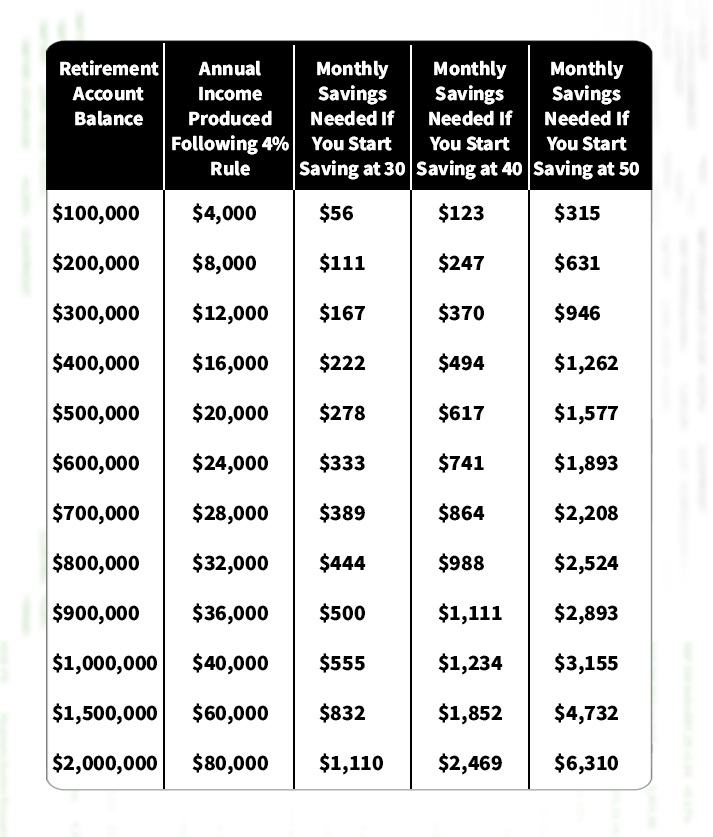
Perhaps the most potent force in wealth accumulation is compound interest. Albert Einstein reportedly called it the “eighth wonder of the world.” Simply put, compounding is the process where your investment earnings also earn returns, leading to exponential growth over time. The earlier you start saving and investing, the more time your money has to compound, resulting in a significantly larger sum without necessarily increasing your personal contributions. Delaying retirement savings by even a few years can have a profound negative impact on your final balance, illustrating why time is your most valuable asset in this equation.
Understanding Your Current Financial Snapshot
To project your future, you must first grasp your present. This involves a clear-eyed assessment of your current income, expenses, debts, and existing assets. Are you living within your means? Do you have high-interest debt that’s hindering your savings potential? What is your current savings rate? Understanding your cash flow and net worth provides the essential baseline from which all retirement projections must emanate. Tools like budgeting apps and personal finance software can be invaluable in painting this picture.
Key Variables Influencing Your Retirement Nest Egg
While the concept of retirement wealth is multifaceted, several core variables consistently emerge as primary drivers of your final balance. Mastering these elements is fundamental to building a substantial retirement fund.
Contribution Rates and Consistency
The most direct way to influence your retirement savings is by how much you contribute and how consistently. Whether through a 401(k), IRA, or other investment vehicles, regular contributions, ideally automatically deducted from your paycheck, ensure steady growth. Maxing out your employer-sponsored retirement plans, especially if they offer a matching contribution, is often the most impactful step you can take. A consistent, disciplined approach, even with modest amounts, will outperform sporadic, larger contributions due to the power of compounding.
Investment Growth and Asset Allocation
The rate at which your investments grow is another critical factor. This is largely determined by your asset allocation – the mix of different asset classes (like stocks, bonds, and real estate) in your portfolio. Stocks generally offer higher potential returns but come with greater volatility, while bonds are typically more stable but offer lower returns. Your risk tolerance, time horizon, and financial goals should guide your asset allocation strategy. As you approach retirement, many advisors suggest gradually shifting towards a more conservative portfolio to protect accumulated wealth. However, maintaining some growth-oriented assets even in retirement can be crucial for outpacing inflation.
Inflation’s Erosion and Longevity Risk
Two silent but powerful forces can diminish your retirement purchasing power: inflation and longevity risk. Inflation, the gradual increase in the cost of goods and services, means that a dollar today will buy less in the future. Your retirement savings must not only grow but grow at a rate that outpaces inflation to maintain your standard of living. Longevity risk refers to the possibility of outliving your savings. With increasing life expectancies, a 30-year retirement is no longer uncommon. Your projections must account for a potentially very long retirement period, requiring a larger nest egg than previous generations might have needed.
Social Security and Other Income Streams
For many, Social Security will form a foundational layer of retirement income. While it’s not designed to be a sole source of income, understanding your projected benefits is crucial for comprehensive planning. Additionally, consider other potential income streams, such as pensions (if applicable), rental properties, part-time work in retirement, or annuities. These can significantly reduce the pressure on your investment portfolio and provide a diversified income base.
Strategies to Optimize Your Retirement Savings
Understanding the variables is only half the battle; the other half is implementing effective strategies to leverage them to your advantage. Proactive planning and disciplined execution are key.
Maximizing Retirement Account Contributions

Take full advantage of tax-advantaged retirement accounts.
- 401(k) / 403(b): Contribute at least enough to get the full employer match, which is essentially free money. If possible, maximize your contributions annually. These accounts allow your investments to grow tax-deferred.
- Traditional IRA: Contributions might be tax-deductible, and growth is tax-deferred. Withdrawals in retirement are taxed as ordinary income.
- Roth IRA: Contributions are made with after-tax money, but qualified withdrawals in retirement are entirely tax-free. This is particularly beneficial if you expect to be in a higher tax bracket in retirement.
- Health Savings Account (HSA): If you have a high-deductible health plan, an HSA offers a triple tax advantage: tax-deductible contributions, tax-free growth, and tax-free withdrawals for qualified medical expenses. It can also function as an investment account for retirement healthcare costs.
Diversifying Your Investment Portfolio
Don’t put all your eggs in one basket. A diversified portfolio across various asset classes (stocks, bonds, real estate, commodities) and geographies helps mitigate risk. If one sector or market underperforms, others may compensate. Within stocks, diversify across different company sizes (large-cap, mid-cap, small-cap) and industries. Rebalancing your portfolio periodically ensures it remains aligned with your risk tolerance and goals.
The Power of Catch-Up Contributions
If you’re over a certain age (currently 50 for most retirement accounts), the IRS allows you to make “catch-up contributions” above the standard annual limits. This is a valuable opportunity to boost your savings in the years leading up to retirement, especially if you started saving later or want to accelerate your progress.
Considering Professional Financial Guidance
Navigating the complexities of retirement planning can be daunting. A qualified financial advisor can provide personalized advice, help you create a comprehensive financial plan, optimize your investment strategy, and guide you through various financial decisions. They can offer an objective perspective and ensure you’re on track to meet your goals, often justifying their fees through improved returns or smarter tax planning.
Projecting and Monitoring Your Retirement Finances
Your retirement plan isn’t a static document; it’s a living roadmap that requires regular review and adjustment. Tools and consistent monitoring are crucial for staying on course.
Utilizing Retirement Calculators and Planning Software
Online retirement calculators and sophisticated financial planning software are invaluable for estimating how much you’ll have. These tools allow you to input variables like your current savings, contribution rates, desired retirement age, and expected returns to project your future nest egg. They can also help you perform “what-if” scenarios, showing the impact of increasing your savings, delaying retirement, or changing your investment returns. While these are estimates, they provide critical benchmarks and motivation.
Regular Portfolio Reviews and Adjustments
Your investment portfolio needs periodic review, ideally annually. Assess its performance against your benchmarks, rebalance if necessary, and ensure your asset allocation still aligns with your risk tolerance and time horizon. Life events – a new job, marriage, children, unexpected expenses – can also necessitate adjustments to your financial plan. Don’t set it and forget it; actively manage your path.
Planning for Healthcare Costs in Retirement
One of the largest and most unpredictable expenses in retirement is healthcare. Medicare covers a significant portion, but it doesn’t cover everything. Long-term care, prescription drugs, and out-of-pocket expenses can be substantial. Factor these potential costs into your retirement projections. Saving in an HSA, if eligible, or considering long-term care insurance can be strategic moves to mitigate this risk.
Beyond the Numbers: Holistic Retirement Planning
While the financial figures are central, true retirement planning extends beyond just the monetary aspects. A fulfilling retirement encompasses various dimensions of your life.
Lifestyle Considerations and Budgeting
Revisit your retirement vision regularly. As life changes, so might your ideal retirement lifestyle. Create a projected retirement budget that reflects these aspirations, including both fixed costs (housing, utilities) and discretionary spending (travel, hobbies). Having a realistic budget helps you understand the income needed and the withdrawals you can safely make from your savings.
Legacy Planning and Estate Considerations
For many, retirement planning also involves thinking about the legacy they wish to leave. This includes estate planning – wills, trusts, and beneficiaries – to ensure your assets are distributed according to your wishes. Considering charitable giving or financial support for future generations can also be part of this broader planning.
The Importance of Adaptability
Life is unpredictable. Economic downturns, health issues, or unexpected expenses can derail even the most meticulously planned retirement. The ability to adapt your plan, adjust your spending, or even work part-time in retirement if needed, is a vital component of a resilient financial strategy. Flexibility and a willingness to course-correct are powerful assets.
Ultimately, “How much money will I have when I retire?” is a question that empowers you to take control. While no one has a crystal ball, by understanding the key drivers, implementing sound strategies, utilizing available tools, and regularly monitoring your progress, you can build a robust financial foundation that provides security, freedom, and peace of mind in your golden years. The journey to a financially secure retirement is a marathon, not a sprint, and every step you take today brings you closer to that desired future.
aViewFromTheCave is a participant in the Amazon Services LLC Associates Program, an affiliate advertising program designed to provide a means for sites to earn advertising fees by advertising and linking to Amazon.com. Amazon, the Amazon logo, AmazonSupply, and the AmazonSupply logo are trademarks of Amazon.com, Inc. or its affiliates. As an Amazon Associate we earn affiliate commissions from qualifying purchases.