
In the vast landscape of personal finance, few questions resonate as profoundly and universally as “How much does it pay?” This seemingly simple inquiry, however, opens a complex discussion far beyond a mere numerical value. It delves into the multifaceted world of compensation, income streams, investment returns, and the underlying factors that determine financial reward. For individuals, businesses, and investors alike, understanding the true nature of “pay” is crucial for strategic planning, career progression, and ultimately, financial well-being. This article will explore the dimensions of earning potential, dissecting what influences it, how to maximize it, and the broader implications for your financial journey.

Understanding the Nuances of Compensation
The concept of “pay” extends far beyond the direct deposit hitting your bank account. It encompasses a spectrum of financial and non-financial benefits that collectively determine the true value of an opportunity or investment. Dissecting these components is the first step toward a comprehensive financial understanding.
Beyond the Salary: Total Compensation Package
While a base salary forms the bedrock of most employment compensation, it rarely tells the whole story. A robust total compensation package includes a variety of elements designed to attract, retain, and motivate talent. These can range from health insurance, retirement plans (like 401(k)s with employer matching), and paid time off, to more nuanced perks such as stock options, profit-sharing, performance bonuses, tuition reimbursement, wellness programs, and even company discounts. For an individual evaluating an offer, overlooking these supplementary benefits can lead to a significant underestimation of the actual financial value. For instance, a lower base salary might be offset by a generous employer-funded retirement contribution or comprehensive health benefits, which represent substantial savings on out-of-pocket expenses. Understanding the full scope allows for a more accurate comparison between opportunities.
Factors Influencing Pay Scales
The determination of “how much it pays” is a dynamic interplay of numerous factors. At the macro level, market demand for specific skills and roles dictates general salary ranges. Industries experiencing rapid growth or facing talent shortages often command higher compensation. Geographic location also plays a significant role, with higher costs of living in metropolitan areas typically correlating with higher salaries, though purchasing power can vary greatly.
At the micro level, individual attributes are pivotal. A candidate’s level of education, specialized certifications, years of experience, and demonstrated proficiency in high-demand skills directly impact their earning potential. Furthermore, soft skills like leadership, communication, and problem-solving, while harder to quantify, are increasingly valued by employers and can lead to faster promotions and higher pay grades. The size and profitability of an organization can also influence its capacity to offer competitive compensation packages, with larger, more successful firms often having greater financial flexibility.
The Role of Experience and Education
The adage “experience pays” holds significant truth in the financial world. As professionals accumulate years in a particular field, they typically gain specialized knowledge, refine their skills, and develop a valuable network, all of which contribute to increased earning power. Seniority often brings with it greater responsibility, strategic oversight, and the ability to mentor others, justifying higher compensation. Similarly, higher levels of education – bachelor’s degrees, master’s degrees, and doctorates – often unlock access to more specialized, higher-paying roles and can accelerate career progression. Certain professions, such as medicine or law, inherently require advanced degrees and extensive training, which are reflected in their substantially higher earning potentials. However, it’s not merely the degree itself but the practical application of knowledge and the continuous pursuit of learning that truly drive long-term financial growth.
Navigating Diverse Income Streams
The modern economic landscape offers a rich tapestry of ways to generate income, moving beyond the traditional single-employer model. Understanding these diverse streams is critical for anyone looking to build financial resilience and pursue varied opportunities.
Traditional Employment: Salary vs. Hourly
Traditional employment remains the most common form of income generation, typically categorized into salaried or hourly positions. Salaried employees receive a fixed amount of pay over a set period (e.g., bi-weekly or monthly), regardless of the exact hours worked, often with the expectation of meeting certain objectives and sometimes working beyond standard hours. This structure provides income stability and often comes with comprehensive benefits. Hourly employees, on the other hand, are compensated based on the number of hours they log, sometimes with overtime pay for hours exceeding a standard workweek. This model offers flexibility in hours and often a direct correlation between effort and immediate income, but may lack the stability or benefits of salaried roles. Both models have their advantages and disadvantages depending on an individual’s financial goals, lifestyle preferences, and career stage.
The Gig Economy: Project-Based Earnings
The rise of the gig economy has dramatically reshaped the concept of work and pay. Platforms like Uber, Upwork, and Etsy connect freelancers, contractors, and independent workers with short-term projects or task-based assignments. Pay in the gig economy is typically project-based, task-based, or commission-based, offering unprecedented flexibility and the ability to dictate one’s own schedule. This model allows individuals to supplement primary income, transition into full-time self-employment, or explore entrepreneurial ventures with lower initial overhead. While it offers autonomy and variety, income can be less predictable, and workers are often responsible for their own benefits, taxes, and business expenses. Success in the gig economy hinges on strong self-management, marketing skills, and the ability to consistently deliver high-quality work.
Entrepreneurship: Profit vs. Payout
For the entrepreneurial spirit, “how much does it pay” shifts from a question about salary to one about profit and sustainable payouts. Starting and running a business involves significant risk, capital investment, and often, an initial period where owners may draw little to no salary, reinvesting profits back into the venture. The “pay” for an entrepreneur comes in the form of business profits, which can be reinvested for growth, distributed as owner’s draws or dividends, or realized through the eventual sale of the business. The potential for financial reward in entrepreneurship is often uncapped, far exceeding traditional employment salaries, but it requires resilience, innovation, and a keen understanding of market dynamics, finance, and operational efficiency. The payout is directly tied to the business’s success, making it a high-risk, high-reward path to financial independence.
Unlocking Earning Potential: Strategies for Growth
Maximizing “how much it pays” is not a passive endeavor but an active pursuit involving strategic planning, continuous self-improvement, and effective negotiation. Individuals who proactively manage their careers and financial literacy are better positioned for substantial income growth.
Skill Development and Continuous Learning

In a rapidly evolving global economy, the shelf life of skills is shrinking. To command higher pay, individuals must commit to continuous learning and skill development. This involves identifying in-demand skills within one’s industry or adjacent fields and actively acquiring them through courses, certifications, workshops, or hands-on experience. Digital literacy, data analysis, project management, and specialized technical skills are particularly valuable across various sectors. The investment in upskilling or reskilling pays dividends by increasing marketability, opening doors to new opportunities, and providing leverage during salary negotiations. Companies are often willing to pay a premium for employees who bring unique and valuable competencies to the table.
Negotiation Tactics for Higher Compensation
Understanding one’s market value is crucial, but successful negotiation is the key to realizing that value. Many individuals leave money on the table by not negotiating their initial job offers or subsequent raises. Effective negotiation requires thorough research into industry benchmarks, a clear articulation of one’s contributions and value, and a confident, professional demeanor. It’s not just about demanding more; it’s about presenting a compelling case for why you deserve more, highlighting achievements, responsibilities, and future potential. Furthermore, negotiation extends beyond base salary to encompass the entire compensation package – asking for a signing bonus, more vacation days, flexible work arrangements, or professional development funds can significantly enhance the overall value of an offer.
Building a Strategic Professional Network
“Your network is your net worth” is a common adage, and for good reason. A robust professional network can be an invaluable asset in increasing earning potential. Connections can lead to insights about new opportunities, referrals for high-paying roles, mentorship, and even entrepreneurial collaborations. Engaging with peers, industry leaders, and potential employers through professional organizations, conferences, and online platforms not only broadens one’s perspective but also establishes a reputation and visibility that can translate into lucrative prospects. The trust and goodwill cultivated within a strong network can open doors that might otherwise remain closed, significantly impacting career trajectory and financial advancement.
The Financial Impact of Investment and Passive Income
While actively earning income is fundamental, true financial independence often hinges on making your money work for you through strategic investments and the cultivation of passive income streams. This is where the question of “how much does it pay” takes on a different dimension – focusing on returns.
Returns on Investment: Stocks, Real Estate, and More
Investing is arguably the most powerful way to accelerate wealth accumulation. Different asset classes offer varying levels of “pay” in terms of returns, risk, and liquidity. Investing in the stock market, through individual stocks, mutual funds, or exchange-traded funds (ETFs), offers the potential for capital appreciation and dividends, with historical average annual returns often outpacing inflation. Real estate investment can yield returns through rental income, property value appreciation, and tax benefits. Other avenues include bonds, commodities, private equity, and even alternative investments like cryptocurrency or fine art, each with its own risk-reward profile. The “pay” from investments isn’t always immediate cash; it can be growth in net worth, which provides financial security and future options. Understanding the principles of diversification, risk tolerance, and long-term planning is paramount to successful investing.
Cultivating Passive Income Streams
Passive income refers to earnings derived from an enterprise in which one is not actively involved. Unlike active income from a job or gig, passive income requires an initial investment of time or money, but then continues to generate revenue with minimal ongoing effort. Examples include rental properties, royalties from creative works, dividends from stocks, interest from savings accounts or bonds, affiliate marketing, or income from a well-established online course or digital product. The beauty of passive income is its potential to decouple income from time, offering financial freedom and the ability to scale earnings without increasing active work hours. While not entirely “hands-off,” successful passive income streams require strategic setup and occasional oversight, but the long-term payouts can be transformative for financial independence.
Balancing Risk and Reward for Financial Gain
Every investment or income-generating activity carries an inherent level of risk, and understanding this balance is crucial for optimizing financial gain. Generally, higher potential returns come with higher risk. For instance, growth stocks may offer significant upside but also greater volatility than stable dividend stocks or government bonds. Entrepreneurship, while offering uncapped earning potential, also carries the risk of business failure. Personal finance strategies often involve assessing one’s individual risk tolerance, setting clear financial goals, and diversifying investments across different asset classes to mitigate risk. A balanced approach ensures that while pursuing attractive returns, one also protects against significant losses, thus creating a more stable and sustainable path to increasing “how much it pays” over time.
Future-Proofing Your Earnings: Adaptability in a Changing Market
The question “how much does it pay?” is not static; it evolves with economic shifts, technological advancements, and societal changes. To ensure long-term financial health, individuals and businesses must cultivate adaptability and foresight.
Identifying High-Demand Skills and Industries
Staying ahead of the curve involves continually monitoring market trends to identify emerging high-demand skills and growth industries. For example, in recent years, roles related to artificial intelligence, data science, cybersecurity, renewable energy, and digital marketing have seen exponential growth in demand and corresponding compensation. Proactively acquiring these skills positions individuals as valuable assets, making them more resilient to economic downturns and enhancing their bargaining power. This foresight allows for strategic career pivots or targeted education investments that can significantly boost future earning potential.
The Importance of Financial Literacy and Planning
At the heart of future-proofing one’s earnings is robust financial literacy. Understanding budgeting, saving, debt management, investment principles, and tax implications empowers individuals to make informed decisions that maximize their financial outcomes. Beyond earning income, effective financial planning involves setting clear financial goals (e.g., retirement, homeownership, education), creating a budget, building an emergency fund, managing debt strategically, and planning for long-term investments. A comprehensive financial plan helps ensure that the money earned is not only protected but also grown and leveraged effectively to meet future needs and aspirations.
Embracing New Economic Models
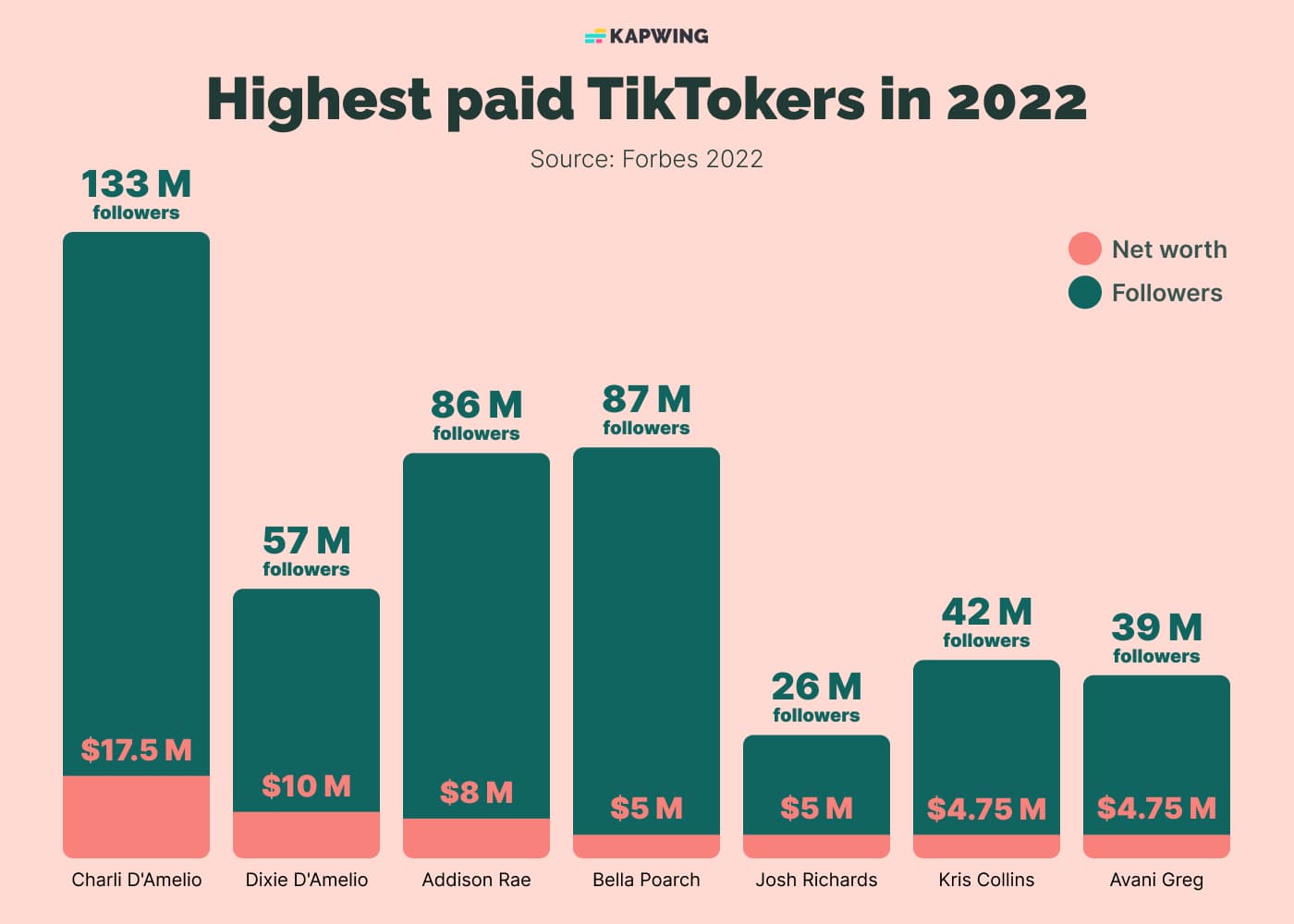
The global economy is constantly evolving, giving rise to new ways of working and earning. Embracing new economic models – from the collaborative economy and remote work to decentralized finance and the creator economy – is vital for long-term earning potential. Being open to alternative work arrangements, exploring digital platforms, and understanding emerging financial technologies can unlock unprecedented opportunities. This adaptability allows individuals to diversify their income streams, reduce dependence on traditional employment structures, and capitalize on innovations that reshape how value is created and exchanged. The future of “how much does it pay” will undoubtedly be shaped by those who are agile enough to navigate and thrive within these emerging paradigms.
In conclusion, “How much does it pay?” is a powerful question that serves as a gateway to understanding personal finance, career strategy, and wealth creation. By looking beyond the surface-level number, recognizing the diverse components of compensation, actively pursuing skill development, strategically investing, and maintaining financial literacy, individuals can proactively shape their earning potential and build a robust, resilient financial future.
aViewFromTheCave is a participant in the Amazon Services LLC Associates Program, an affiliate advertising program designed to provide a means for sites to earn advertising fees by advertising and linking to Amazon.com. Amazon, the Amazon logo, AmazonSupply, and the AmazonSupply logo are trademarks of Amazon.com, Inc. or its affiliates. As an Amazon Associate we earn affiliate commissions from qualifying purchases.