
Understanding your financial qualification potential is a cornerstone of effective personal and business finance. Whether you’re eyeing a new home, consolidating high-interest debt, funding a small business venture, or simply seeking to access credit, the question of “how much do I qualify for” underpins countless financial decisions. This isn’t a single, static figure, but rather a dynamic assessment based on a multitude of financial health indicators that lenders and financial institutions meticulously evaluate. Grasping these metrics and knowing how to improve them empowers you to secure better terms, lower interest rates, and ultimately achieve your financial aspirations more efficiently.

Decoding Your Financial Qualification Landscape
The phrase “qualify for” generally refers to a lender’s willingness to extend credit or provide a financial service based on their assessment of your ability and likelihood to repay. This assessment is fundamental because it dictates the amount of money you can borrow, the interest rate you’ll pay, and the terms of repayment. From a lender’s perspective, it’s about managing risk; from your perspective, it’s about opportunity and access.
Qualification applies to a broad spectrum of financial products:
Residential Mortgages
The largest loans most individuals will ever take, mortgages require extensive qualification, primarily focused on your income stability, debt load, credit history, and down payment. Qualification determines not just the amount you can borrow, but also the type of loan (e.g., conventional, FHA, VA) and the interest rate.
Personal Loans
These can be secured (backed by collateral) or unsecured (no collateral), used for purposes ranging from debt consolidation to home improvements or unexpected expenses. Qualification typically hinges on credit score, income, and existing debt.
Credit Cards
Qualification for credit cards dictates your credit limit and the Annual Percentage Rate (APR). Lenders assess your credit history, income, and existing obligations to determine your risk profile and spending capacity.
Auto Loans
Similar to personal loans, but secured by the vehicle itself, auto loan qualification considers credit score, income, debt-to-income ratio, and sometimes the age and value of the car.
Small Business Loans and Lines of Credit
For entrepreneurs, qualification is critical for growth and operational liquidity. Lenders scrutinize business financials (revenue, cash flow, profitability), the business plan, and often the personal credit and assets of the business owner.
Other Financial Opportunities
Beyond traditional lending, qualification can also apply to investment opportunities (e.g., accredited investor status), insurance products, or even certain government assistance programs, each with its own specific set of criteria.
Understanding this landscape is the first step toward strategically positioning yourself for the financial support you need.
Core Pillars of Your Qualification Potential
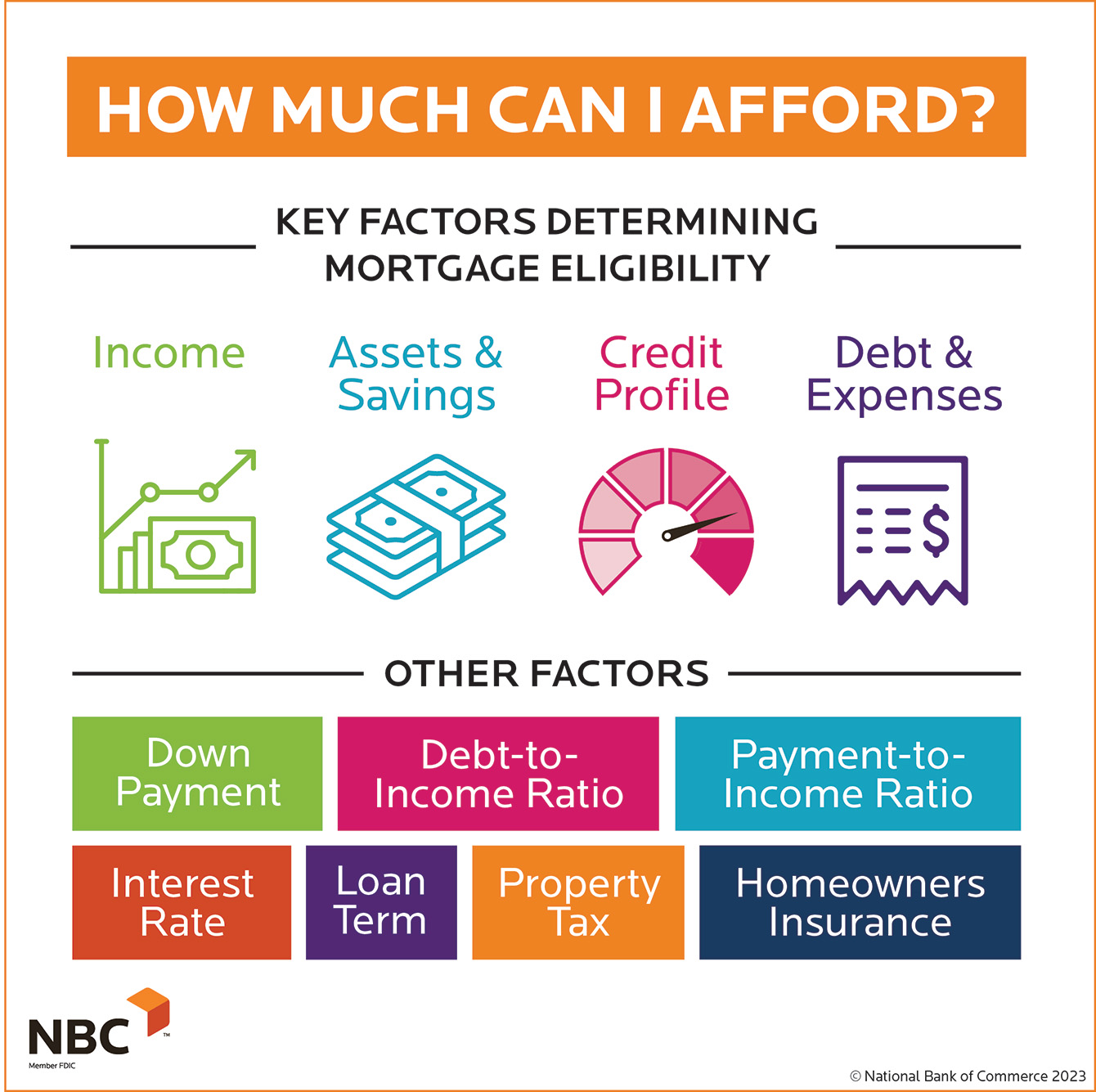
Lenders employ a rigorous framework to evaluate your financial profile. While specific criteria can vary between institutions and product types, several core factors consistently emerge as paramount in determining how much you qualify for.
Credit Score and Credit History
This is often the single most influential factor. Your credit score (e.g., FICO, VantageScore) is a numerical representation of your creditworthiness, while your credit history provides the detailed narrative of how you’ve managed credit in the past.
- Payment History: On-time payments are crucial. Late payments, collections, bankruptcies, or foreclosures significantly damage your score and history.
- Credit Utilization: How much of your available credit you’re using. Keeping this below 30% is generally advised.
- Length of Credit History: A longer history of responsible credit use is favorable.
- Credit Mix: Having a healthy mix of different credit types (e.g., installment loans, revolving credit) can be positive.
- New Credit: Numerous recent applications for credit can signal higher risk.
Income and Employment Stability
Lenders need assurance that you have a consistent and sufficient income stream to meet your repayment obligations.
- Gross vs. Net Income: Lenders typically look at your gross income (before taxes and deductions).
- Employment History: A stable employment history, ideally with the same employer for at least two years, demonstrates reliability.
- Income Verification: Lenders will require documentation such as pay stubs, W-2s, tax returns, and bank statements to verify income. For self-employed individuals, this often involves several years of tax returns and profit & loss statements.
Debt-to-Income (DTI) Ratio
Your DTI ratio is a critical metric that compares your total monthly debt payments to your gross monthly income.
- Calculation: Total monthly debt payments (including the prospective new loan payment) divided by gross monthly income.
- Lender Thresholds: For mortgages, many lenders prefer a DTI ratio below 36%, though some may go up to 43-50% depending on the loan type and other compensating factors. For other loans, thresholds can vary but consistently aim to ensure you’re not overextending yourself. A lower DTI indicates less financial strain and a greater ability to handle additional debt.
Assets and Down Payment
Having liquid assets or a substantial down payment can significantly enhance your qualification, especially for larger loans like mortgages.
- Cash Reserves: Showing savings in bank accounts or readily accessible investments demonstrates financial stability.
- Down Payment: A larger down payment reduces the loan amount and the lender’s risk, often leading to better interest rates and terms.
- Equity: For existing homeowners, equity in your home can be leveraged for secured loans or lines of credit.
Collateral (for Secured Loans)
For secured loans (e.g., mortgages, auto loans, certain business loans), the asset itself serves as collateral, reducing the lender’s risk. The value and liquidity of the collateral directly influence the loan amount and terms.
Strategic Moves to Enhance Your Qualification Potential
Knowing the factors is one thing; actively managing and improving them is another. Proactive steps can significantly boost the amount you qualify for and improve the terms you’re offered.
Cultivate a Strong Credit Profile
- Pay Bills On Time, Every Time: Set up automatic payments or reminders to ensure you never miss a due date.
- Reduce Credit Utilization: Pay down revolving credit balances. Aim to keep individual card balances below 30% of their limit, and ideally even lower.
- Review Credit Reports Regularly: Obtain free annual credit reports from Equifax, Experian, and TransUnion (via AnnualCreditReport.com) to check for errors and dispute any inaccuracies.
- Avoid Unnecessary New Credit: Each hard inquiry can slightly lower your score. Only apply for credit when genuinely needed.
- Maintain Older Accounts: The length of your credit history matters, so avoid closing old accounts, especially those with good payment history.
Optimize Your Income and Employment Standing
- Demonstrate Stability: Aim for consistent employment. If you change jobs, try to maintain continuity in your field.
- Document All Income: Ensure all sources of income (salary, bonuses, commissions, side hustles, rental income) are properly documented and verifiable through pay stubs, tax returns, and bank statements.
- Consider Income Growth: Strategically advancing your career or developing additional income streams can bolster your financial standing.
Reduce Your Debt-to-Income Ratio
- Prioritize Debt Repayment: Focus on paying down existing debts, especially those with high-interest rates or substantial monthly payments.
- Increase Income: While paying down debt, explore opportunities to increase your gross income through raises, promotions, or side income.
Build Your Savings and Assets
- Establish an Emergency Fund: Lenders view a healthy savings cushion as a sign of financial responsibility and stability.
- Save for a Down Payment: A larger down payment, especially for a mortgage, can drastically improve your qualification amount and interest rate.
- Diversify Assets: Beyond cash, having investments or other valuable assets can strengthen your overall financial profile.
Research and Compare Lenders
Different lenders have varying risk appetites and qualification criteria. What one lender might consider a borderline application, another might approve with favorable terms.
- Pre-qualification/Pre-approval: Utilize soft credit checks for pre-qualification to get an estimate without impacting your credit score. For mortgages, a pre-approval provides a more definitive commitment from the lender.
- Shop Around: Don’t settle for the first offer. Compare interest rates, fees, and terms from multiple lenders.
Navigating Specific Qualification Scenarios
The general principles of qualification apply across the board, but specific financial products come with their unique nuances.
Mortgage Qualification
Beyond DTI and credit score, mortgage lenders delve deep into your financial history. They consider the loan-to-value (LTV) ratio, which compares the loan amount to the home’s appraised value. The type of mortgage (e.g., conventional, FHA, VA, USDA) also impacts criteria, with FHA loans, for example, often accommodating lower credit scores and smaller down payments but requiring mortgage insurance.
Small Business Financing Qualification
For entrepreneurs, personal credit scores are often scrutinized alongside business financials, especially for newer businesses. Lenders will examine your business’s revenue, cash flow, profitability, and repayment capacity. A solid business plan outlining projections and how the funds will be used is frequently a key requirement, as is sometimes a personal guarantee from the business owner.
Student Loan and Financial Aid Qualification
Qualification for federal student aid largely depends on your (and your parents’, if applicable) financial need as determined by the Free Application for Federal Student Aid (FAFSA). Grants and subsidized loans are need-based, while unsubsidized loans are available regardless of need. Private student loans, conversely, are credit-based, mirroring personal loan qualification criteria.
Leveraging Financial Tools and Expert Guidance
You don’t have to navigate the qualification process alone. A range of tools and professionals can provide invaluable support.
Online Calculators and Prequalification Tools
Many bank and lender websites offer online calculators for mortgages, personal loans, and DTI ratios. Prequalification tools use basic financial information to give you an estimated qualification amount without a hard credit inquiry.
Credit Monitoring Services
These services help you track your credit score and history, alerting you to changes or potential fraud. Many credit card companies offer free FICO scores, and free services like Credit Karma provide VantageScore updates.
Financial Advisors and Mortgage Brokers
A financial advisor can provide a holistic review of your financial situation, helping you create a strategy to improve your qualification potential. Mortgage brokers act as intermediaries, connecting you with multiple lenders whose criteria align with your profile, potentially securing better rates and terms.

Credit Counseling Agencies
If you’re struggling with debt or have a poor credit history, a non-profit credit counseling agency can help you develop a debt management plan and offer advice on credit repair.
Ultimately, knowing “how much you qualify for” is about understanding your financial standing, identifying areas for improvement, and strategically preparing yourself for the opportunities that financial access can provide. By focusing on your credit health, income stability, debt management, and asset accumulation, you empower yourself to achieve your financial goals with confidence and favorable terms.
aViewFromTheCave is a participant in the Amazon Services LLC Associates Program, an affiliate advertising program designed to provide a means for sites to earn advertising fees by advertising and linking to Amazon.com. Amazon, the Amazon logo, AmazonSupply, and the AmazonSupply logo are trademarks of Amazon.com, Inc. or its affiliates. As an Amazon Associate we earn affiliate commissions from qualifying purchases.