
For millions of Americans, Social Security stands as a foundational pillar of their retirement income, a testament to decades of hard work and contributions. Yet, despite its widespread importance, the intricacies of how Social Security benefits are calculated and the various factors that influence one’s eventual payout remain a mystery to many. Understanding “how much can I collect on Social Security” isn’t merely about knowing a number; it’s about strategizing to maximize a vital resource that could significantly impact your financial well-being in your golden years. This comprehensive guide will demystify the process, illuminate the critical variables at play, and offer actionable insights to help you optimize your Social Security benefits.
Understanding the Fundamentals of Social Security Benefits
Before diving into strategies, it’s essential to grasp the core components that determine your Social Security benefits. These foundational elements form the basis of your monthly check, influenced primarily by your lifetime earnings.
The AIME Calculation: How Your Earnings Impact Benefits
Your Social Security benefit is directly tied to your earnings history. Specifically, the Social Security Administration (SSA) uses a formula based on your Average Indexed Monthly Earnings (AIME). This isn’t just a simple average; it’s a weighted average of your highest 35 years of indexed earnings.
“Indexed earnings” means that your past wages are adjusted to reflect changes in the national average wage level over time. This ensures that your earnings from decades ago have a comparable value to current earnings, accounting for inflation and economic growth. If you have fewer than 35 years of earnings, zero earnings will be factored in for the missing years, potentially lowering your overall AIME. This underscores the importance of a consistent work history. Working longer, particularly if your later career years are your highest earning, can replace lower-earning years from earlier in your career, thereby increasing your AIME.
The Primary Insurance Amount (PIA): Your Baseline Benefit
Once your AIME is calculated, it’s converted into your Primary Insurance Amount (PIA). The PIA is the monthly benefit you would receive if you start collecting Social Security benefits at your Full Retirement Age (FRA). The calculation of PIA involves “bend points,” which are essentially income thresholds at which a different percentage of your AIME is used to determine your benefit. For example, a higher percentage of your lower AIME is counted, while lower percentages are applied to higher portions of your AIME. This progressive formula ensures that lower-income workers receive a higher percentage of their average indexed monthly earnings back in benefits compared to higher-income workers.
It’s crucial to understand that your PIA is the starting point. Any decision to claim benefits before or after your FRA will result in an adjustment—either a reduction or an increase—to this baseline amount.
What is Your Full Retirement Age (FRA)?
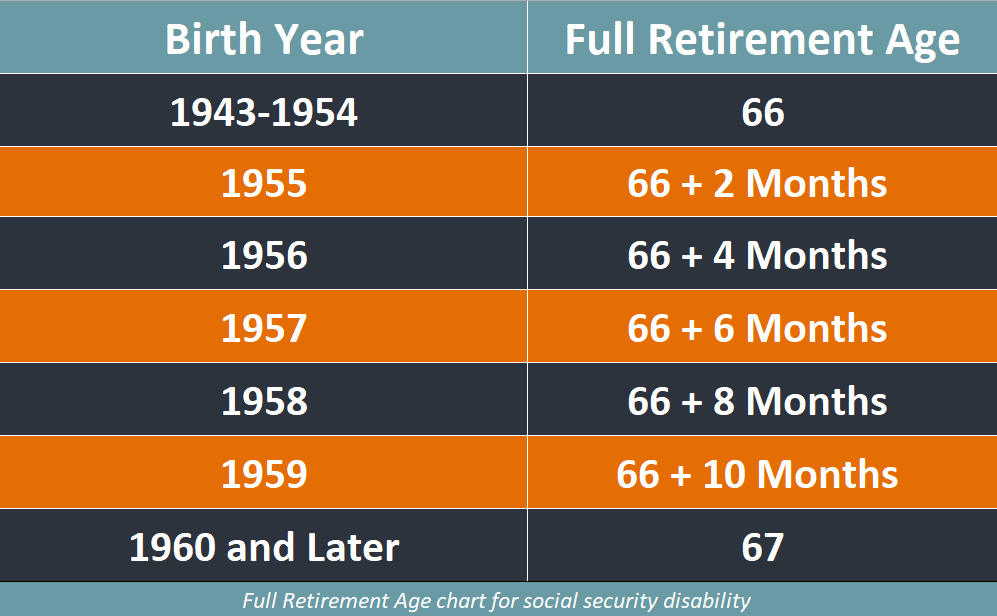
Your Full Retirement Age (FRA) is a critical concept in Social Security planning. It’s the age at which you are entitled to receive 100% of your Primary Insurance Amount (PIA). Your FRA is determined by your birth year:
- Born in 1943-1954: FRA is 66.
- Born in 1955: FRA is 66 and 2 months.
- Born in 1956: FRA is 66 and 4 months.
- Born in 1957: FRA is 66 and 6 months.
- Born in 1958: FRA is 66 and 8 months.
- Born in 1959: FRA is 66 and 10 months.
- Born in 1960 or later: FRA is 67.
Knowing your specific FRA is vital because it dictates the benchmarks for claiming early benefits with reductions or delaying benefits for increases.
Key Factors Influencing Your Social Security Payouts
Beyond your earnings history, several significant decisions and life circumstances can dramatically alter the amount of Social Security you ultimately collect. These factors provide levers you can pull to optimize your benefit.
The Impact of Claiming Age: Early vs. Delayed Benefits
The single most influential decision you make regarding your Social Security benefits is when you choose to claim them.
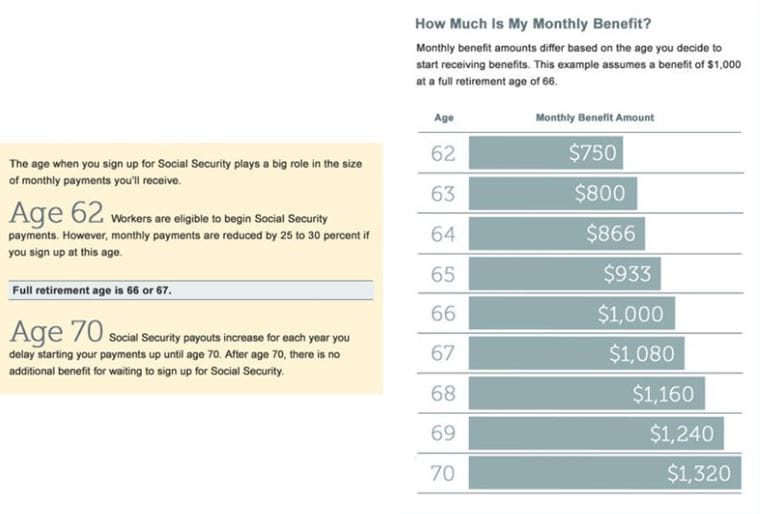
- Claiming Early (as early as age 62): You can start receiving benefits as early as age 62, but doing so results in a permanent reduction from your PIA. The reduction is approximately 5/9 of 1% for each month before your FRA, up to 36 months, and 5/12 of 1% for each month beyond that. For someone with an FRA of 67, claiming at 62 would result in a permanent reduction of about 30%. While appealing for immediate income, this significantly lowers your lifetime benefit.
- Claiming at Full Retirement Age (FRA): This is the sweet spot where you receive exactly 100% of your PIA, without reduction or increase.
- Delaying Benefits (up to age 70): For every year you delay claiming benefits past your FRA, up to age 70, you earn Delayed Retirement Credits (DRCs). These credits permanently increase your annual benefit by 8% per year. For someone with an FRA of 67, delaying until age 70 could mean a benefit that is 124% of their PIA (3 years x 8% = 24% increase). This is often the most powerful strategy for maximizing monthly payouts.
The decision of when to claim hinges on various factors, including your health and longevity expectations, your current financial needs, and the availability of other retirement income sources.
Spousal and Survivor Benefits: Leveraging Family Accounts
Social Security isn’t just for individual workers; it also provides crucial benefits for family members.
- Spousal Benefits: If you are married, divorced (under certain conditions), or widowed, you may be eligible for benefits based on your spouse’s (or ex-spouse’s) earnings record. A spouse can receive up to 50% of the working spouse’s PIA if they claim at their own FRA. If they claim early, their spousal benefit will also be reduced. For married couples, strategic coordination of claiming ages can significantly enhance their combined lifetime benefits.
- Survivor Benefits: When a covered worker dies, certain family members—including surviving spouses, divorced spouses, and dependent children—may be eligible for survivor benefits. A surviving spouse can receive up to 100% of the deceased worker’s benefit, but the amount depends on the survivor’s age at claim and other factors. This provides a critical safety net for families.
Understanding these benefits is especially important for married couples who need to coordinate their claiming strategies, and for individuals who have lost a loved one.
Working While Collecting: Earnings Limits
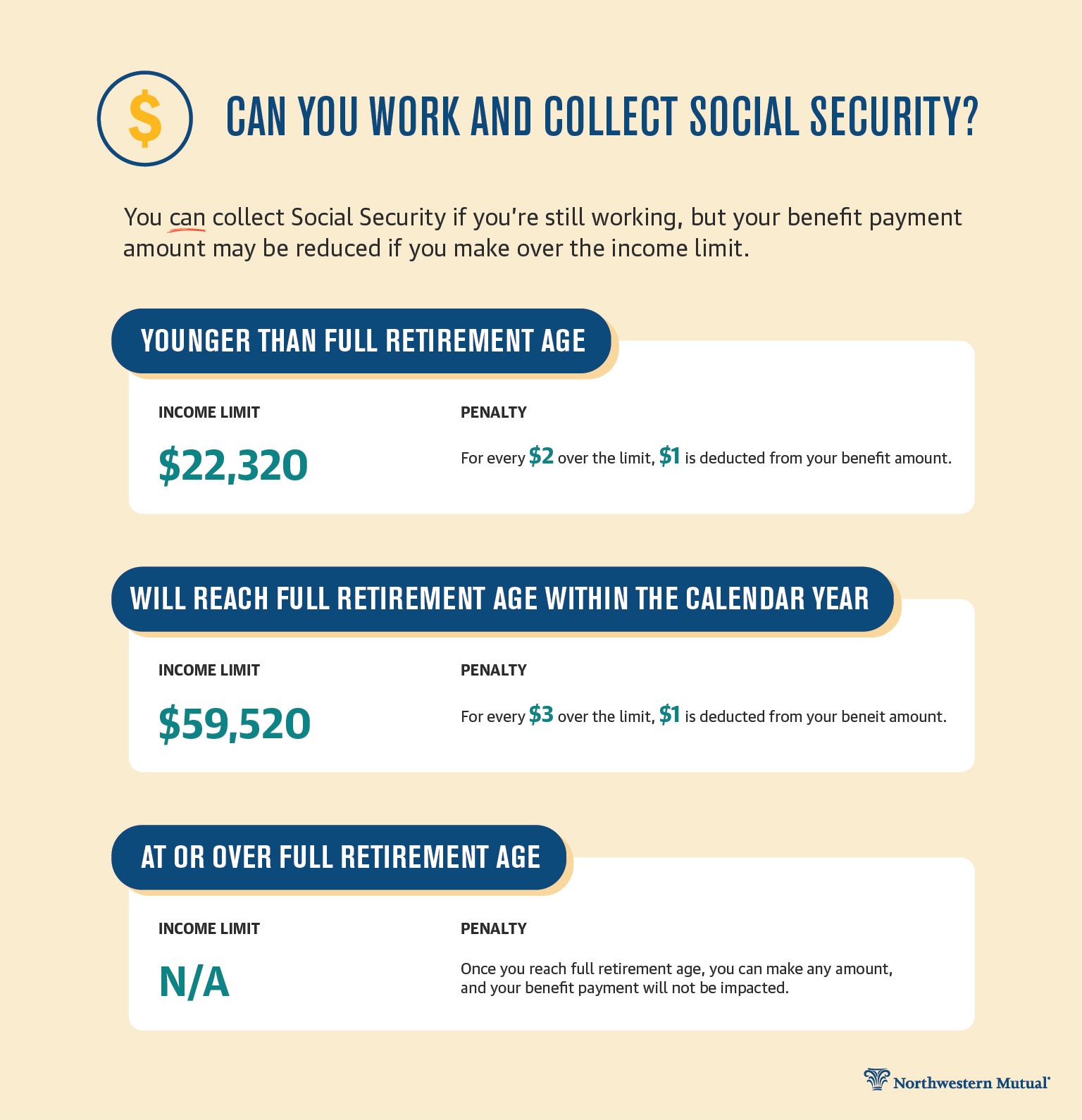
If you decide to claim Social Security benefits before your Full Retirement Age and continue to work, your benefits may be reduced if your earnings exceed specific annual limits.
- Before FRA: For every $2 you earn above the annual limit (which changes each year, e.g., around $22,320 in 2024), $1 will be withheld from your benefits.
- In the year you reach FRA: A higher earnings limit applies, and $1 is withheld for every $3 you earn above that limit.
- At or After FRA: Once you reach your Full Retirement Age, the earnings limit disappears, and you can earn as much as you want without your Social Security benefits being reduced.
It’s important to note that any benefits withheld due to exceeding the earnings limit are not lost forever; your monthly benefit will be recalculated at your FRA to account for the withheld amounts, effectively increasing your future payments. However, it’s a crucial consideration for those planning to work part-time in early retirement.
Strategies to Maximize Your Social Security Benefits
Armed with a solid understanding of how benefits are calculated and influenced, you can now implement specific strategies to increase the amount you collect.
Review Your Earnings Record Annually
This is a fundamental, yet often overlooked, step. The SSA maintains a record of your lifetime earnings, which directly feeds into your AIME and, subsequently, your PIA. Errors can occur due to employer misreporting, name changes, or other administrative issues.
- Action: Create an account on the SSA’s website (ssa.gov/myaccount) and regularly review your Social Security Statement. Check that all your earnings from each year are accurately recorded.
- Benefit: Correcting any discrepancies ensures your benefit calculation is based on your true earnings, preventing potential shortfalls in your retirement income. The sooner you identify and correct errors, the easier the process.
Strategize Your Claiming Age
As discussed, your claiming age is paramount. There isn’t a single “best” age for everyone; the optimal choice depends on your individual circumstances.
- Consider Your Health and Longevity: If you anticipate a shorter lifespan due to health conditions, claiming early might make sense to receive benefits for more years. Conversely, if you expect to live a long life, delaying benefits until age 70 offers the highest possible monthly payout, providing more inflation-adjusted income over a longer period.
- Evaluate Your Financial Needs: Do you need the income immediately to cover living expenses or bridge a gap before other retirement funds become available? Or do you have sufficient savings to delay claiming and allow your benefit to grow?
- Assess Other Income Sources: If you have substantial pensions, 401(k)s, or other investments, you might be in a better position to delay Social Security.
Coordinate Benefits with Your Spouse
For married couples, Social Security becomes a joint planning exercise. Strategic claiming can significantly increase the total lifetime benefits received by both spouses.
- The “Higher Earner Delays” Strategy: Often, the most effective strategy involves the higher-earning spouse delaying their claim until age 70 to maximize their benefit, which will also become the basis for the survivor benefit if they pass away first. The lower-earning spouse might claim earlier, potentially at their FRA, to provide some income to the household while the higher earner’s benefit grows.
- “Restricted Application for Spousal Benefits” (for those born before Jan 2, 1954): If you were born before this date, you might be eligible to file a “restricted application” at your FRA, allowing you to claim only your spousal benefit while your own benefit continues to grow with DRCs until age 70. This option is no longer available to those born after the cutoff date due to legislative changes.
- Divorced Spouse Benefits: Even after divorce, you may be eligible for spousal benefits based on an ex-spouse’s record if the marriage lasted at least 10 years, you are currently unmarried, and are at least 62 years old, among other criteria.
Increase Your Lifetime Earnings
Since your benefits are based on your 35 highest earning years, taking steps to boost your income during your working life can have a direct impact.
- Work Longer: If you have fewer than 35 years of earnings, working additional years (especially high-earning ones) can replace zero-earning years, significantly increasing your AIME.
- Maximize Earning Potential: Focus on career advancement, skill development, and negotiating fair salaries throughout your working life. Every dollar you earn up to the annual Social Security earnings limit contributes to your future benefits.
Common Misconceptions and Important Considerations
Navigating Social Security often involves clarifying common misunderstandings and preparing for broader financial realities.
Social Security is Not Designed to Be Your Sole Retirement Income
A critical misconception is viewing Social Security as a comprehensive retirement solution. While vital, it’s typically intended to replace only about 40% of an average worker’s pre-retirement income. For higher earners, this percentage is even lower.
- The “Three-Legged Stool” Concept: Sound retirement planning relies on a “three-legged stool”: Social Security, employer-sponsored plans (like 401(k)s or pensions), and personal savings (IRAs, investments). Diversifying your retirement income sources is essential for financial security.
Taxation of Social Security Benefits
Many recipients are surprised to learn that their Social Security benefits can be taxable, depending on their “provisional income.” Provisional income includes your adjusted gross income, tax-exempt interest income, and 50% of your Social Security benefits.
- Tax Thresholds: If your provisional income exceeds certain thresholds (e.g., $25,000 for individuals, $32,000 for married filing jointly), a portion of your benefits (up to 50% or 85%) may be subject to federal income tax. Some states also tax Social Security benefits.
- Planning Implications: This means that even if you maximize your benefits, a portion could still be siphoned off by taxes, making comprehensive tax planning crucial in retirement.
Future of Social Security
Concerns about the long-term solvency of Social Security are common. While projections show that the trust funds may only be able to pay a reduced percentage of promised benefits in the coming decades without congressional action, it’s important to understand a few points:
- Not Going Away: Social Security is not “going broke.” It’s a pay-as-you-go system, and as long as workers are contributing, benefits will continue to be paid.
- Potential Adjustments: Future adjustments might include changes to the FRA, tax rates, earnings limits, or the benefit formula. However, benefits are highly likely to continue, perhaps with some modifications.
- Plan Based on Current Rules: For now, it’s best to plan your retirement based on the current rules, while remaining aware of potential future legislative changes.
Conclusion
Understanding “how much can I collect on Social Security” is a critical component of effective retirement planning. It’s not a static number, but rather a dynamic outcome influenced by your lifetime earnings, your claiming age, and your family situation. By diligently reviewing your earnings record, strategically choosing your claiming age, coordinating with a spouse, and understanding the system’s nuances, you can significantly optimize your Social Security benefits. While Social Security provides a vital safety net, remember it’s just one piece of your retirement puzzle. Proactive planning, consistent saving, and seeking personalized advice from a qualified financial advisor will empower you to build a secure and fulfilling retirement, making the most of every dollar Social Security offers.
aViewFromTheCave is a participant in the Amazon Services LLC Associates Program, an affiliate advertising program designed to provide a means for sites to earn advertising fees by advertising and linking to Amazon.com. Amazon, the Amazon logo, AmazonSupply, and the AmazonSupply logo are trademarks of Amazon.com, Inc. or its affiliates. As an Amazon Associate we earn affiliate commissions from qualifying purchases.