
Navigating the landscape of health insurance can often feel like a daunting financial puzzle, particularly when the term “Obamacare” – officially known as the Affordable Care Act (ACA) – enters the conversation. Far from being a monolithic program, the ACA is a comprehensive piece of legislation designed to make health insurance more accessible and affordable for millions of Americans. For individuals and families, understanding how to “get Obamacare” is fundamentally about making astute financial decisions regarding one of life’s most critical expenses: healthcare. This guide delves into the financial underpinnings of the ACA, providing a professional, insightful, and engaging roadmap to securing coverage that aligns with your budget and needs.
Understanding the Financial Landscape of the Affordable Care Act
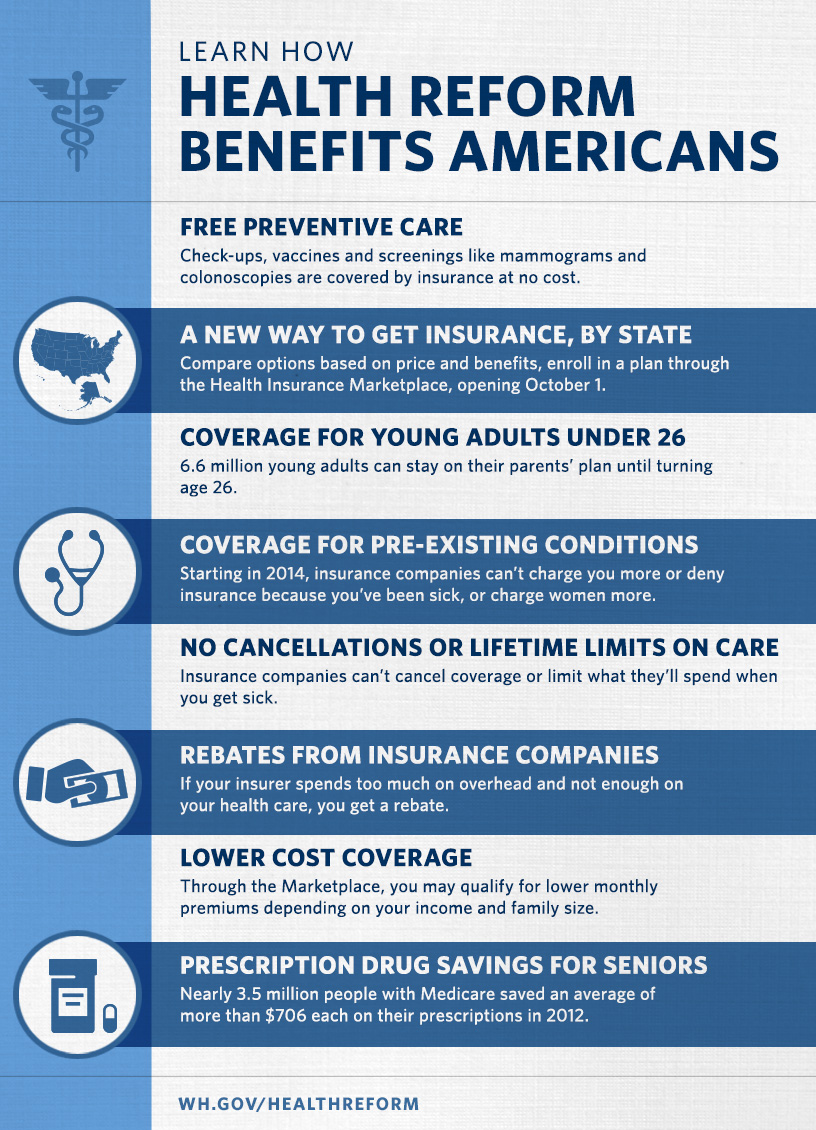
At its core, the Affordable Care Act is a financial mechanism to mitigate the high costs of healthcare. It aims to prevent medical debt, encourage preventive care, and provide a safety net against unforeseen health crises. But how does it achieve this from a financial perspective?
The Core Purpose: Affordability and Access
Before the ACA, many individuals found themselves priced out of the health insurance market or denied coverage due to pre-existing conditions. The ACA reformed these practices, mandating that insurers cover essential health benefits and prohibiting denials based on health status. Financially, this means a broader segment of the population can access crucial services without facing bankruptcy. The “affordability” aspect is primarily addressed through financial subsidies designed to lower the net cost of insurance premiums and out-of-pocket expenses for eligible individuals and families. This directly impacts household budgets, freeing up funds that might otherwise be consumed by exorbitant medical bills or unaffordable premiums.
Key Components: Subsidies and Cost-Sharing Reductions
The two most significant financial tools embedded within the ACA are Premium Tax Credits (PTCs) and Cost-Sharing Reductions (CSRs). These are not loans; they are government subsidies that directly reduce the financial burden on consumers.
- Premium Tax Credits (PTCs): These are advanceable, refundable tax credits that can be used immediately to lower your monthly health insurance premium payments. Eligibility is based on household income relative to the federal poverty level (FPL). For many, these credits transform an otherwise unaffordable monthly premium into a manageable expense, making quality health insurance accessible.
- Cost-Sharing Reductions (CSRs): These subsidies reduce the amount you have to pay for deductibles, copayments, and coinsurance. They are exclusively available if you enroll in a “Silver” plan through the Health Insurance Marketplace and meet specific income thresholds. CSRs directly impact your out-of-pocket expenses, offering significant financial relief when you actually use healthcare services. Without CSRs, a higher deductible or copay could derail a household budget, even with premium assistance.
Understanding the interplay of these financial components is crucial. They are designed to work in tandem, addressing both the upfront cost of insurance and the subsequent costs of receiving care, thereby providing a more comprehensive financial safety net.
Who Benefits Most from ACA Financial Aid?
The ACA’s financial assistance programs are primarily targeted at individuals and families with moderate incomes who do not have access to affordable health insurance through an employer or government programs like Medicaid or Medicare. Generally, individuals and families earning between 100% and 400% of the Federal Poverty Level (FPL) are eligible for premium tax credits. For 2021 and 2022, the American Rescue Plan Act (ARPA) expanded eligibility for premium tax credits, eliminating the 400% FPL income cap and making more people eligible for larger subsidies. This expansion has been extended through 2025, providing substantial financial relief to even middle-income households. Those earning between 100% and 250% of the FPL are also typically eligible for Cost-Sharing Reductions, offering additional financial protection.
Navigating the Marketplace: Your Path to Financial Savings
The primary gateway to “getting Obamacare” and accessing its financial benefits is the Health Insurance Marketplace, also known as the exchange. This online platform is where individuals and families can compare health plans and apply for financial assistance.
The Health Insurance Marketplace: Your One-Stop Shop
The Health Insurance Marketplace (healthcare.gov, or state-based exchanges) serves as an online shopping mall for health insurance. It streamlines the process of comparing plans from various private insurers, all of which must cover a set of essential health benefits. From a financial perspective, the Marketplace is invaluable because it’s the only place where you can apply for and receive Premium Tax Credits and Cost-Sharing Reductions. Trying to purchase an ACA-compliant plan directly from an insurer outside the Marketplace means you forgo these crucial financial subsidies, potentially costing you thousands of dollars annually.
Essential Information for Application: Income and Household Size
To determine your eligibility for financial assistance, the Marketplace application requires detailed information about your household income and size. This includes:
- Estimated household income for the upcoming year: This is critical because subsidies are based on projected income. Accurate estimation is key to avoiding issues come tax time. If your income changes significantly during the year, it’s important to update your information with the Marketplace to adjust your subsidy.
- Number of people in your household: This determines your household’s FPL percentage and impacts the subsidy calculation.
- Access to other affordable coverage: The Marketplace will also ask if you have access to affordable health insurance through an employer or government program. If an employer offers coverage deemed “affordable” (generally, premiums for self-only coverage cost less than 9.12% of household income for 2023) and meets minimum value standards, you might not be eligible for Marketplace subsidies.
Providing precise and up-to-date financial information ensures you receive the correct amount of assistance, optimizing your financial savings.
Deciphering Plan Tiers: Bronze, Silver, Gold, Platinum and Their Costs
Plans on the Marketplace are categorized into “metal tiers” – Bronze, Silver, Gold, and Platinum – each representing a different cost-sharing structure between you and your insurance company.
- Bronze plans: Have the lowest monthly premiums but the highest deductibles and out-of-pocket costs. They cover about 60% of your medical costs on average, making you responsible for the remaining 40%. Financially suitable if you expect minimal healthcare use or want the lowest upfront cost, but are prepared for high costs if you need significant care.
- Silver plans: Offer moderate monthly premiums and moderate deductibles. They cover about 70% of medical costs on average. These are the only plans eligible for Cost-Sharing Reductions, making them a financially attractive option for those who qualify for CSRs, as the government effectively upgrades your plan’s financial value.
- Gold plans: Have higher monthly premiums but lower deductibles and out-of-pocket costs. They cover about 80% of medical costs. A good financial choice if you expect to use a fair amount of medical care.
- Platinum plans: Have the highest monthly premiums but the lowest deductibles and out-of-pocket costs. They cover about 90% of medical costs. Financially appealing if you expect significant medical needs and prefer predictable, lower costs when you receive care, despite the high premium.
Understanding these tiers from a financial perspective is crucial to selecting a plan that balances your monthly budget against your potential healthcare usage and risk tolerance.
Unlocking Financial Assistance: Tax Credits and CSRs
The heart of the ACA’s financial benefit lies in its robust system of subsidies. Understanding their mechanics is key to maximizing your savings.
Premium Tax Credits: Lowering Your Monthly Payments
Premium Tax Credits (PTCs) are the cornerstone of ACA affordability. They are calculated on a sliding scale, meaning the less you earn (relative to the FPL), the larger your credit will be. These credits can be taken in advance to reduce your monthly premium, or you can claim them as a lump sum when you file your taxes. Opting for advance payments is typically more financially prudent for most households, as it immediately lowers their monthly cash outflow. The exact amount of your PTC is tied to the cost of the “second-lowest-cost Silver plan” in your area, adjusted so that the premium for that benchmark plan does not exceed a certain percentage of your income. This ensures that even if you choose a more expensive plan, the credit helps offset a significant portion of the cost.
Cost-Sharing Reductions: Reducing Out-of-Pocket Expenses
Cost-Sharing Reductions (CSRs) are a unique financial benefit, specifically tied to Silver plans. If your household income falls between 100% and 250% of the FPL, and you choose a Silver plan, the government essentially “supercharges” your plan. Your deductible, copayments, and coinsurance amounts will be significantly lower than what someone with the same Silver plan but a higher income would pay. This is a substantial financial advantage, as it protects you from high out-of-pocket costs when you actually need medical care. For instance, a CSR-eligible Silver plan might have a deductible similar to a Gold or even Platinum plan, but at a Silver plan’s premium level, making it one of the best financial deals on the Marketplace for those who qualify.
Eligibility Requirements and How They Impact Your Wallet
Eligibility for PTCs and CSRs depends heavily on your Modified Adjusted Gross Income (MAGI) and household size. Crucially, you generally must not be offered “affordable” health insurance through an employer or be eligible for other government programs like Medicaid or Medicare.
- MAGI: This isn’t just your gross income; it’s a specific calculation used by the IRS. It’s important to understand how different income sources (e.g., self-employment income, investments, Social Security benefits) are counted.
- Household Size: This includes you, your spouse (if married and filing jointly), and anyone you claim as a tax dependent.
The impact on your wallet can be profound. Without these subsidies, many individuals and families would face premiums consuming a disproportionate share of their income, or prohibitive out-of-pocket costs that could lead to medical debt. With subsidies, quality healthcare becomes a manageable line item in a personal or family budget, rather than a catastrophic expense.
Beyond the Marketplace: Alternative Avenues and Financial Considerations
While the Marketplace is the primary avenue, it’s not the only way to secure affordable healthcare, and understanding alternatives is crucial for comprehensive financial planning.
Medicaid and CHIP: Low-Cost Options for Specific Income Brackets
For individuals and families with lower incomes, Medicaid and the Children’s Health Insurance Program (CHIP) represent significantly low-cost or even free healthcare options. These programs are jointly funded by federal and state governments and offer extensive benefits. In states that have expanded Medicaid under the ACA, eligibility extends to individuals and families with incomes up to 138% of the FPL. For those who qualify, Medicaid can cover a wide range of services with minimal or no out-of-pocket costs, providing an invaluable financial lifeline. CHIP provides similar benefits for children in families who earn too much for Medicaid but cannot afford private insurance. Checking eligibility for these programs should be the first step for lower-income households before exploring the Marketplace.
Employer-Sponsored Plans vs. Marketplace: A Cost Comparison
Many Americans receive health insurance through their employers. From a financial standpoint, it’s essential to compare these options. Employer-sponsored plans often come with a portion of the premium subsidized by the employer, making them financially attractive. However, depending on your income and the generosity of the employer plan, a Marketplace plan with significant subsidies might be more cost-effective, especially if you have a large family or anticipate high healthcare usage and qualify for strong CSRs. It’s crucial to calculate the total cost of each option – including premiums, deductibles, copays, and out-of-pocket maximums – before making a decision. Remember, if your employer’s plan is considered affordable and provides minimum value, you typically won’t qualify for Marketplace subsidies.
Special Enrollment Periods: When Life Changes Impact Your Coverage Needs
Life events often have significant financial implications, and the ACA acknowledges this through Special Enrollment Periods (SEPs). Outside of the annual Open Enrollment Period (usually November 1st to January 15th for coverage starting the following year), certain life events qualify you to enroll in a Marketplace plan or change your existing one. These include:
- Marriage or divorce
- Having a baby or adopting a child
- Losing other health coverage (e.g., job loss, aging off a parent’s plan)
- Moving to a new area
- Significant changes in household income (though this might primarily trigger subsidy adjustments rather than a new enrollment period)
Understanding SEPs is vital for continuous financial protection. An unexpected life event shouldn’t leave you uninsured and vulnerable to massive medical bills.
Making an Informed Financial Decision: Tips for Smart Enrollment
Securing “Obamacare” is more than just checking a box; it’s about making an informed financial decision that protects your health and your wallet.
Comparing Plans: Beyond Just the Premium
While the monthly premium is an obvious financial consideration, it’s a mistake to choose a plan based solely on this figure. A lower premium often means higher deductibles, copayments, and coinsurance.
- Deductible: The amount you pay out-of-pocket before your insurance company starts paying.
- Copay: A fixed amount you pay for a covered service after your deductible is met (or sometimes before).
- Coinsurance: A percentage of the cost of a covered service you pay after you’ve met your deductible.
- Out-of-Pocket Maximum: The most you’ll have to pay for covered services in a plan year. This is a critical financial protection against catastrophic medical costs.
For instance, a low-premium Bronze plan might look attractive upfront, but if you anticipate needing surgery, its high deductible could be financially devastating compared to a higher-premium Gold plan with a much lower deductible. Conversely, if you are generally healthy and rarely visit the doctor, a Bronze plan (with an emergency fund to cover the high deductible) might be the most financially savvy choice.
Understanding Deductibles, Copays, and Coinsurance
These terms represent your direct financial contributions to your healthcare costs.
- High Deductible Plans (HDHPs): Often paired with Health Savings Accounts (HSAs), these plans have lower premiums but require you to pay a significant amount out-of-pocket before insurance kicks in. An HSA allows you to save and invest money for healthcare expenses on a tax-advantaged basis, making HDHPs a potentially smart financial move for those who can afford the high deductible and want tax benefits.
- Copays vs. Coinsurance: Copays are predictable fixed costs (e.g., $30 for a doctor visit), while coinsurance is a percentage of a larger bill (e.g., 20% of a $5,000 hospital stay). Understanding which applies to different services helps you estimate future costs.
These elements dictate your financial exposure when you actually use your health insurance, and understanding them is paramount to effective financial planning.

Seeking Expert Financial Guidance
If the complexities of income eligibility, plan tiers, and cost-sharing prove overwhelming, consider seeking advice from certified navigators, assisters, or licensed insurance brokers. These professionals can provide personalized guidance, helping you understand your financial options and select a plan that best fits your budget and healthcare needs, all at no cost to you. Their expertise can ensure you maximize your financial subsidies and avoid costly mistakes.
In conclusion, “getting Obamacare” is fundamentally a financial endeavor. It involves understanding government subsidies, navigating online marketplaces, comparing various financial structures of insurance plans, and making a choice that secures your health without jeopardizing your financial well-being. By leveraging the tools and information available, individuals and families can turn the complexity of healthcare reform into a powerful opportunity for financial stability and peace of mind.
aViewFromTheCave is a participant in the Amazon Services LLC Associates Program, an affiliate advertising program designed to provide a means for sites to earn advertising fees by advertising and linking to Amazon.com. Amazon, the Amazon logo, AmazonSupply, and the AmazonSupply logo are trademarks of Amazon.com, Inc. or its affiliates. As an Amazon Associate we earn affiliate commissions from qualifying purchases.