
Understanding your salary is far more than just knowing the number that hits your bank account every pay period. It involves a meticulous breakdown of your gross earnings, a clear comprehension of various deductions, and an appreciation for the full scope of your compensation package. For many, the transition from an advertised annual figure to the actual take-home pay can be a source of confusion. This guide aims to demystify the process, empowering you with the knowledge to accurately calculate and, more importantly, fully understand your salary, ensuring you can make informed financial decisions.

Deconstructing Your Gross Salary: The Starting Point
Your journey to understanding your salary begins with grasping the concept of “gross salary.” This is the total amount of money your employer agrees to pay you before any deductions are taken out. It’s the headline figure often quoted in job offers and annual reviews.
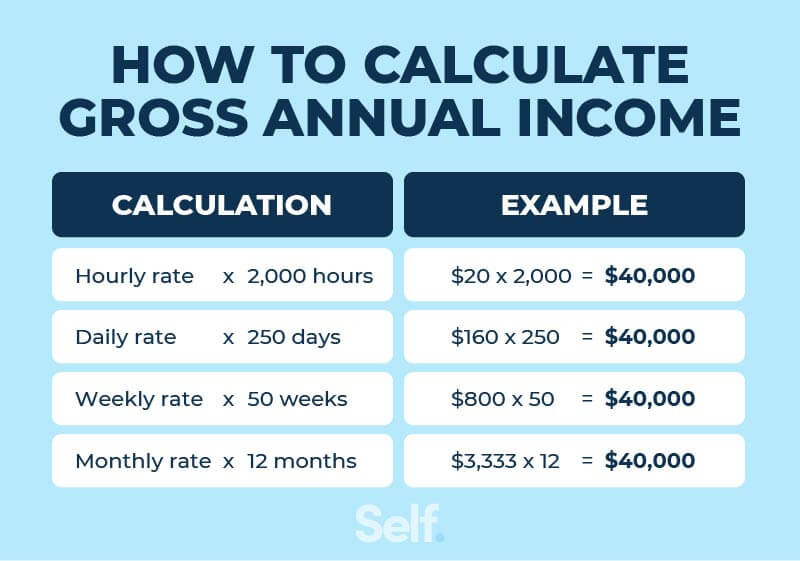
Understanding Different Pay Structures
The way your gross salary is determined often depends on your employment type:
- Salaried Employees: These individuals are typically paid a fixed annual amount, divided into regular pay periods (e.g., bi-weekly, semi-monthly, or monthly). For example, if you have an annual salary of $60,000 and are paid bi-weekly, your gross pay per period would be $60,000 / 26 = $2,307.69. This structure usually implies consistent pay regardless of the exact hours worked, though it often comes with expectations of fulfilling job responsibilities.
- Hourly Employees: Paid based on the number of hours worked at a specific hourly rate. Their gross pay fluctuates with their work schedule. For instance, if you earn $20 per hour and work 40 hours in a week, your gross weekly pay is $20 * 40 = $800. Any overtime hours, typically paid at 1.5 times the regular rate (time and a half) or even double time, would further increase this.
- Commission-Based or Performance-Based Employees: A significant portion, or even all, of their income is derived from sales, project completion, or specific performance metrics. Their gross pay can vary significantly from one period to another. Often, there might be a lower base salary supplemented by commission.
Base Pay vs. Additional Earnings
While base pay forms the core of your gross salary, many roles include additional elements that can significantly boost your overall earnings:
- Overtime: For hourly employees, hours worked beyond a standard threshold (e.g., 40 hours per week in the U.S.) are often compensated at a higher rate. It’s crucial to understand your company’s overtime policy and local labor laws.
- Commissions: Common in sales roles, commissions are a percentage of the revenue generated by an individual. They act as a powerful incentive and can form a substantial part of a salesperson’s income.
- Bonuses: These can be performance-based (tied to individual or company success), signing bonuses (paid upon joining), or retention bonuses (paid to encourage an employee to stay). Bonuses are typically non-recurring but can be a significant addition to annual gross income.
- Tips: Predominantly in service industries, tips are direct payments from customers. While often received in cash, many employers now process tips through payroll, which impacts tax calculations.
- Stipends and Allowances: These might include travel allowances, housing stipends, or per diems, designed to cover specific work-related expenses. While some might not be taxable, others are, and they contribute to your overall compensation.
The Importance of Your Offer Letter
Your initial offer letter from an employer is perhaps the most critical document for understanding your gross salary. It clearly outlines your base pay, any promised bonuses, commission structures, and details about benefit eligibility. Always review this document meticulously and ask for clarification on any ambiguous points before accepting. It serves as your primary reference for the agreed-upon compensation package.
Navigating Deductions: What Comes Out of Your Paycheck?
Once your gross salary is established, the next critical step is to understand the various deductions that reduce this figure to your actual take-home pay. These deductions fall into two main categories: mandatory and voluntary.
Mandatory Deductions: Taxes
These are payments required by law and are withheld from your paycheck by your employer, who then remits them to the appropriate government agencies.
- Federal Income Tax: This is a progressive tax levied by the U.S. federal government. The amount withheld depends on your total income, filing status (single, married filing jointly, etc.), and the allowances you claim on your W-4 form. The more allowances you claim, the less tax is withheld, potentially leading to a larger refund or a tax liability at year-end.
- State Income Tax: Most states also levy an income tax, though a few do not (e.g., Florida, Texas, Washington). The rates and rules vary significantly by state.
- Local Income Tax: Some cities and counties also impose their own income taxes, adding another layer of deduction.
- FICA Taxes (Social Security and Medicare): The Federal Insurance Contributions Act (FICA) funds Social Security and Medicare.
- Social Security Tax: As of current regulations, this is 6.2% of your gross earnings up to an annual maximum income threshold (which changes yearly). This funds retirement, disability, and survivor benefits.
- Medicare Tax: This is 1.45% of all your gross earnings, with no income limit. It funds healthcare for seniors and people with disabilities.
- Employers also pay an equal share of FICA taxes, meaning the total contribution is double these percentages.
Voluntary Deductions: Benefits
These are amounts you choose to have withheld from your pay to fund various benefits and services. They are often pre-tax deductions, meaning they are subtracted from your gross pay before income taxes are calculated, which can lower your taxable income.
- Health Insurance Premiums: Your share of the cost for medical, dental, and vision insurance plans offered by your employer.
- Retirement Contributions:
- 401(k) / 403(b) Contributions: Money you elect to contribute to your employer-sponsored retirement plan. These are typically pre-tax, reducing your current taxable income.
- Roth 401(k) Contributions: While also for retirement, these are made with after-tax dollars, meaning withdrawals in retirement are tax-free.
- Health Savings Accounts (HSAs) / Flexible Spending Accounts (FSAs): These accounts allow you to set aside pre-tax money for healthcare expenses. HSAs also offer investment growth and can be carried over year-to-year, while FSAs typically have a “use-it-or-lose-it” rule.
- Life and Disability Insurance: Premiums for supplemental life insurance or long-term/short-term disability coverage.
- Commuter Benefits: Pre-tax deductions for public transit passes or parking.
Other Deductions
Less common but still possible deductions include:
- Wage Garnishments: Court-ordered deductions to satisfy debts like child support, alimony, student loan defaults, or unpaid taxes.
- Loan Repayments: If you have taken a loan from your employer’s retirement plan (e.g., a 401(k) loan), the repayments are typically deducted directly from your paycheck.
- Union Dues: If you are part of a union, your membership dues will be automatically deducted.
From Gross to Net: Calculating Your Take-Home Pay
The ultimate goal of calculating your salary is to arrive at your “net pay” – the actual amount of money you receive after all deductions. This is your true take-home pay, the figure you use for budgeting and financial planning.
The Calculation Formula: Gross – Total Deductions = Net Pay
The formula is straightforward:
Gross Pay (from your pay period) – Total Mandatory Deductions – Total Voluntary Deductions = Net Pay
Let’s illustrate with a simplified example for a bi-weekly paid salaried employee:
- Gross Bi-Weekly Pay: $2,307.69 (from $60,000 annual)
- Mandatory Deductions (Estimates):
- Federal Income Tax: -$250
- State Income Tax: -$80
- Social Security (6.2%): -$143.08
- Medicare (1.45%): -$33.46
- Total Mandatory Deductions: -$506.54
- Voluntary Deductions (Estimates):
- Health Insurance Premium: -$100
- 401(k) Contribution: -$150
- Total Voluntary Deductions: -$250
- Total Deductions: $506.54 + $250 = $756.54
- Net Pay: $2,307.69 – $756.54 = $1,551.15
This example highlights how quickly your gross pay can be reduced once all deductions are applied.
Pay Stubs as Your Primary Resource
Your pay stub (or earnings statement) is a vital document provided by your employer with each payment. It meticulously breaks down your gross pay, lists every single deduction, and clearly shows your net pay. Always review your pay stub to ensure accuracy and to understand where your money is going. If you spot any discrepancies, contact your HR or payroll department immediately. Pay stubs often include year-to-date (YTD) totals for both earnings and deductions, which are useful for tracking your financial progress throughout the year.
Understanding Withholding Allowances (W-4 Form)
The amount of federal income tax withheld from your paycheck is heavily influenced by the information you provide on your W-4 form (Employee’s Withholding Certificate). This form, updated by the IRS in 2020, no longer uses “allowances” in the traditional sense. Instead, it asks for specific information to help your employer calculate the correct amount of federal income tax to withhold, such as:
- Your filing status (Single, Married Filing Separately, Married Filing Jointly, Head of Household).
- Whether you have multiple jobs or if your spouse also works.
- Any dependents you claim.
- Other income (not from jobs), deductions beyond the standard deduction, or additional tax you want withheld.
Accurately completing your W-4 is crucial. If you withhold too little, you might owe a significant tax bill at year-end or even face penalties. If you withhold too much, you’re essentially giving the government an interest-free loan throughout the year, missing out on that money for immediate use or investment. Reviewing and adjusting your W-4 annually, or after significant life events (marriage, birth of a child, new job), is a smart financial practice.
Beyond the Paycheck: Total Compensation and Future Planning
Calculating your salary effectively means looking beyond just the net pay. Your total compensation package is a far broader concept that includes the value of non-monetary benefits, which can significantly enhance your financial well-being.
The Value of Employee Benefits
Many benefits offered by employers represent a substantial financial contribution that would otherwise come directly out of your pocket.
- Healthcare Coverage: The employer’s portion of health insurance premiums can be thousands of dollars annually.
- Retirement Plan Contributions: Many employers offer matching contributions to 401(k) or 403(b) plans. This “free money” is a powerful tool for building retirement savings and is a significant part of your total compensation.
- Paid Time Off (PTO): Vacation days, sick leave, and holidays represent paid time you are not working, but still receiving your salary. The value of these days can be substantial.
- Life and Disability Insurance: Employer-provided basic life insurance or disability coverage offers financial protection.
- Tuition Reimbursement: Programs that help employees pay for higher education or professional development.
- Wellness Programs: Gym memberships, health screenings, or mental health support programs.
- Flexible Work Arrangements: While not a direct monetary benefit, options like telecommuting or flexible hours can improve quality of life and save on commuting costs.
Understanding the monetary value of these benefits helps you appreciate your true worth to an employer and provides a more holistic view of your compensation. When comparing job offers, always consider the full benefits package, not just the base salary.
Hidden Costs and Benefits for Employers
It’s also insightful to consider that your gross salary isn’t the employer’s total cost. Employers bear additional expenses for each employee, including their share of FICA taxes, unemployment insurance, workers’ compensation insurance, and often a significant portion of benefit premiums. This perspective reinforces the substantial investment employers make in their workforce and helps contextualize salary negotiations.
Financial Planning with Your Net Salary
Once you understand your net salary, you have the most crucial figure for personal financial planning:
- Budgeting: Your net pay is the foundation for creating a realistic budget. It tells you exactly how much money you have available to allocate to housing, food, transportation, entertainment, and debt repayment.
- Savings and Investing: A clear understanding of your net income allows you to set achievable goals for savings (emergency fund, down payment) and investments (brokerage accounts, additional retirement contributions).
- Debt Management: Knowing your disposable income after essential expenses helps you strategize debt repayment, whether it’s credit cards, student loans, or other personal loans.
- Future Goal Setting: Whether it’s buying a home, planning for a child’s education, or early retirement, all significant financial goals are anchored by your consistent net income.
Tools and Resources for Salary Calculation and Management
Fortunately, you don’t have to navigate these calculations manually. A variety of tools and resources can simplify the process and help you manage your finances.
Online Salary Calculators
Numerous websites offer free salary calculators that can estimate your net pay based on your gross salary, location (state and sometimes city), filing status, and common deductions. These are excellent for getting a quick estimate when considering a new job offer or planning your budget. Popular options include calculators from ADP, PaycheckCity, and NerdWallet. Remember, these are estimates and your actual pay stub is the most accurate source.
Personal Finance Software and Apps
Digital tools have revolutionized personal finance management. Many apps and software platforms can link directly to your bank accounts and investment portfolios, allowing you to:
- Track Income and Expenses: Automatically categorize transactions from your net pay, giving you real-time insights into your spending habits.
- Create Budgets: Set spending limits for various categories and receive alerts if you’re approaching them.
- Monitor Savings Goals: Track your progress towards financial objectives.
- Net Worth Calculation: Get a comprehensive view of your assets and liabilities.
- Investment Tracking: Integrate with brokerage accounts to monitor investment performance.
- Examples include Mint, YNAB (You Need A Budget), Personal Capital, and Quicken.
Seeking Professional Financial Advice
For more complex financial situations, such as significant investments, retirement planning, tax optimization, or navigating major life changes, consulting a certified financial planner (CFP) can be invaluable. A professional can provide personalized advice, help you understand the nuances of your compensation package, and develop a robust financial strategy tailored to your specific goals. While there is a cost associated with their services, the long-term benefits of expert guidance often outweigh the expense.

Conclusion
Calculating your salary goes far beyond a simple sum; it’s an essential exercise in financial literacy. By meticulously understanding your gross pay, navigating the maze of mandatory and voluntary deductions, and appreciating the full scope of your total compensation, you gain a powerful command over your financial future. Your pay stub is not just a receipt; it’s a blueprint for your financial life. Empower yourself by reviewing it regularly, utilizing available tools, and continually educating yourself about your earnings. This proactive approach will not only help you budget and save effectively but also enable you to make smarter decisions that propel you towards lasting financial well-being.
aViewFromTheCave is a participant in the Amazon Services LLC Associates Program, an affiliate advertising program designed to provide a means for sites to earn advertising fees by advertising and linking to Amazon.com. Amazon, the Amazon logo, AmazonSupply, and the AmazonSupply logo are trademarks of Amazon.com, Inc. or its affiliates. As an Amazon Associate we earn affiliate commissions from qualifying purchases.