
In the fast-paced world of global finance, one question serves as a universal pulse check for the American economy: “What is the Dow at?” Whether whispered on the floor of the New York Stock Exchange or checked via a smartphone app during a morning commute, the Dow Jones Industrial Average (DJIA) remains the most iconic financial benchmark in history. While seasoned investors and casual observers alike track its daily fluctuations, understanding what those numbers truly represent—and how they influence personal wealth—is essential for anyone looking to navigate the modern market.
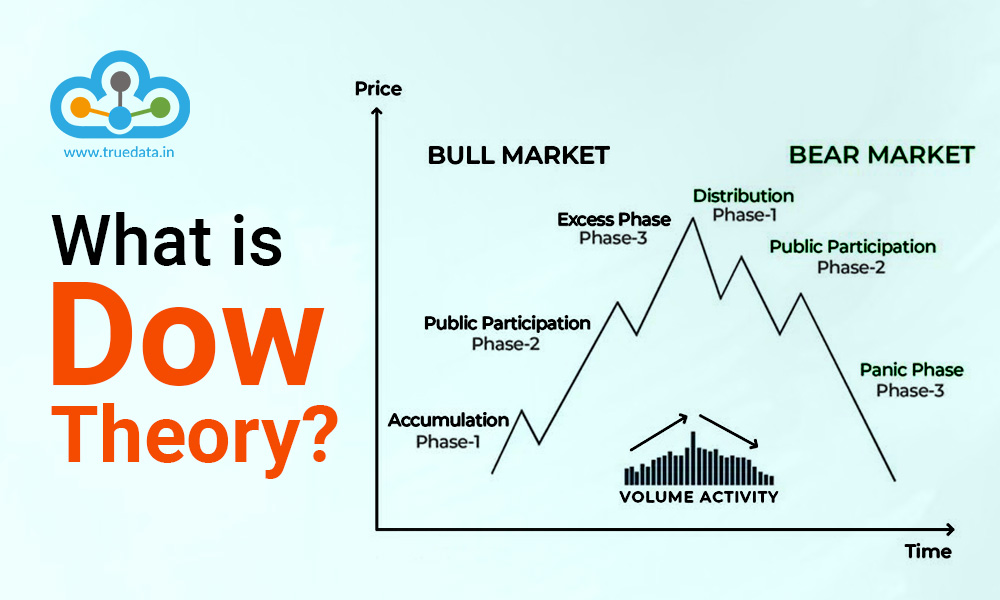
The Dow is more than just a number; it is a weighted snapshot of thirty of the most significant publicly owned companies in the United States. To understand where the Dow is “at,” one must look beyond the triple-digit gains or losses of a single afternoon and explore the mechanics, history, and strategic importance of this venerable index.
1. Demystifying the Dow: How It Works and Why It Matters
The Dow Jones Industrial Average was created by Charles Dow and Edward Jones in 1896. Originally consisting of just twelve companies, it was designed to provide a simple, digestible metric for the health of the U.S. industrial sector. Today, while the “industrial” label remains for historical reasons, the index encompasses sectors ranging from technology and healthcare to retail and entertainment.
The Price-Weighted Calculation
Unlike the S&P 500 or the Nasdaq, which are market-capitalization-weighted (meaning larger companies have a bigger impact based on their total market value), the Dow is price-weighted. This means that stocks with higher share prices exert more influence over the index’s movement than those with lower share prices. For example, a $1 move in a stock trading at $300 has the same impact on the Dow as a $1 move in a stock trading at $50, regardless of the companies’ actual sizes.
The Selection Process of the 30 Blue-Chip Stocks
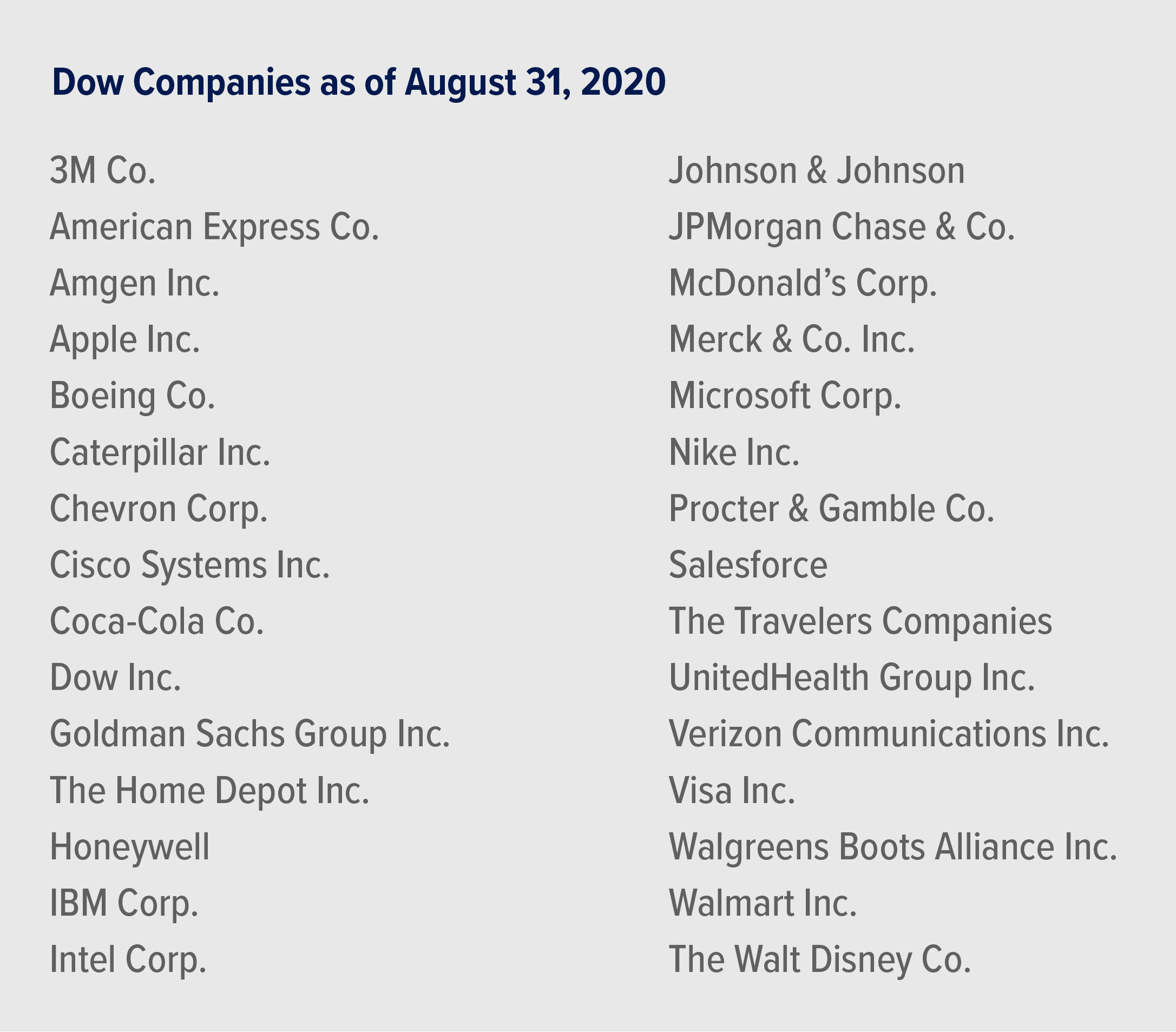
The Dow is not a computer-generated list based on rigid mathematical formulas. Instead, the components are selected by a committee at S&P Dow Jones Indices. They look for “Blue-Chip” companies: organizations with excellent reputations, sustained growth, and broad interest among investors. The goal is to represent the backbone of the U.S. economy. When a company’s relevance fades—as was the case with General Electric after over a century on the index—it is replaced by a rising giant like Walgreens or Amazon to ensure the index remains a contemporary reflection of American business.
2. Analyzing “What the Dow is At”: Interpreting the Numbers
When an investor asks what the Dow is “at,” they are looking for the current point value. However, the raw points are often less important than the context surrounding them. Understanding the difference between price movements and percentage shifts is the first step in sophisticated financial analysis.
Points vs. Percentages
A “500-point drop” sounds catastrophic, and in the 1980s, it would have been. However, as the Dow has climbed from the 2,000s to the 30,000s and beyond, a 500-point move represents a much smaller percentage of the total value. Professional investors focus on the percentage change. A 1% move is a standard day of volatility, whereas a 5% move signals a significant macroeconomic event. When checking the Dow, always look at the percentage change to gauge the true intensity of the market’s mood.
Market Volatility and Intra-day Shifts
The Dow is a living entity that fluctuates second by second during trading hours. High volatility—often measured by the VIX or “fear index”—can cause the Dow to swing hundreds of points within minutes. These shifts are often driven by “big data” releases, such as Consumer Price Index (CPI) reports, Federal Reserve interest rate announcements, or geopolitical news. Understanding that the Dow’s position at 10:00 AM may be vastly different from its position at the 4:00 PM closing bell is crucial for those who engage in active trading or short-term financial management.
3. The Dow as a Barometer for the U.S. Economy
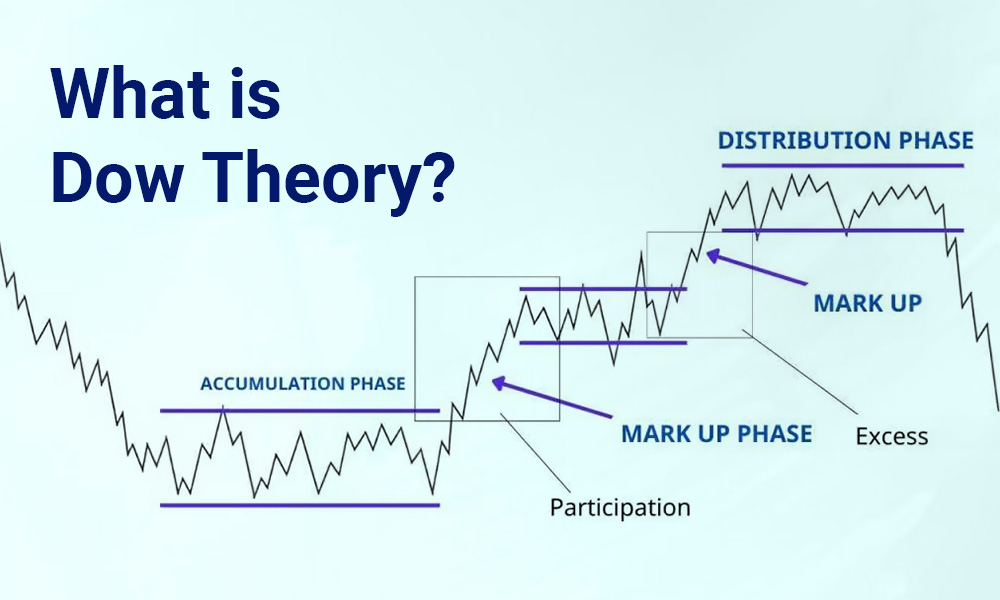
Critics often argue that thirty companies cannot possibly represent the entirety of the vast U.S. economy. While this is mathematically true, the Dow functions as a psychological and symbolic barometer that influences consumer confidence and corporate sentiment.
Historical Significance and “The Divisor”
To maintain continuity through stock splits and dividends, the Dow uses a mathematical tool called the “Dow Divisor.” This number is used to divide the sum of the prices of the 30 stocks. Because the divisor changes whenever a component stock splits or undergoes a major structural change, the index maintains a smooth historical line. This allows investors to compare what the Dow is “at” today to where it was during the Great Depression, the post-WWII boom, or the 2008 financial crisis, providing a long-term perspective on American resilience.
Comparison with S&P 500 and Nasdaq
To get a full picture of the market, investors often compare the Dow’s performance against other indices.
- The S&P 500: Offers a broader view of 500 large-cap stocks and is often preferred by institutional investors for its market-cap weighting.
- The Nasdaq Composite: Heavily weighted toward technology and growth stocks, making it more sensitive to innovation cycles and interest rate changes.
If the Dow is up while the Nasdaq is down, it suggests a “rotation” in the market—investors moving money out of risky tech stocks and into the stable, “value” companies that populate the Dow.
4. Strategies for Investing Based on Dow Performance
Tracking what the Dow is “at” is only useful if it informs a sound investment strategy. Because the Dow represents stable, dividend-paying companies, it is often the cornerstone of a conservative, long-term portfolio.
Index Funds and ETFs
An individual cannot “buy” the Dow Jones Industrial Average directly because it is an index, not a stock. However, one can invest in Exchange-Traded Funds (ETFs) that track it. The most famous is the SPDR Dow Jones Industrial Average ETF Trust (known by its ticker: DIA or “Diamonds”). By purchasing shares of DIA, an investor gains exposure to all thirty companies in the index proportionally. This is an efficient way to achieve diversification within the blue-chip sector without having to manage thirty individual positions.
The “Dogs of the Dow” Strategy
For those looking for a more active approach to the index, the “Dogs of the Dow” is a popular value-investing strategy. It involves identifying the ten companies in the Dow with the highest dividend yields at the beginning of the year and investing an equal amount in each. The theory is that high-yield blue-chip companies are temporarily undervalued, and as their stock prices recover, investors benefit from both capital appreciation and high dividend income. This strategy emphasizes the “Money” niche’s focus on cash flow and disciplined rebalancing.
5. The Future of the Dow in a Changing Financial Landscape
As we look toward the future, the question “What is the Dow at?” will continue to evolve. The index is no longer just about steel, oil, and cars; it is increasingly defined by software, healthcare innovation, and global consumerism.
Tech-Heavy Shifts and Digital Transformation
The recent inclusion of companies like Amazon and the heavy weighting of Microsoft and Apple signal a shift. The Dow is acknowledging that the “industrials” of the 21st century are data and cloud computing. This modernization ensures that the index remains relevant, but it also means the Dow may become more correlated with the Nasdaq than it was in previous decades. Investors must be aware that the traditional “safety” of the Dow is now partially tied to the volatility of the tech sector.
Global Economic Influences
While the Dow tracks American companies, these firms are global behemoths. A significant portion of the revenue for Dow components—such as Coca-Cola, McDonald’s, and Boeing—comes from outside the United States. Therefore, what the Dow is “at” is often a reflection of global trade health, currency fluctuations, and international stability. In an interconnected financial world, the Dow remains the ultimate indicator of how American corporate power is performing on the global stage.
Conclusion
Asking “What is the Dow at?” is the beginning of a much deeper conversation about wealth, economic health, and investment philosophy. For the modern investor, the Dow Jones Industrial Average is a bridge between the storied history of American capitalism and the high-tech, globalized future of finance. By understanding how the index is calculated, how to interpret its daily movements, and how to utilize it within a diversified portfolio, you can transform a simple news headline into a powerful tool for building lasting financial security. Whether the Dow is at a record high or weathering a temporary downturn, its thirty components represent the enduring engine of the economy—an engine that continues to drive the world of money forward.
aViewFromTheCave is a participant in the Amazon Services LLC Associates Program, an affiliate advertising program designed to provide a means for sites to earn advertising fees by advertising and linking to Amazon.com. Amazon, the Amazon logo, AmazonSupply, and the AmazonSupply logo are trademarks of Amazon.com, Inc. or its affiliates. As an Amazon Associate we earn affiliate commissions from qualifying purchases.