
Twenty percent. It’s a seemingly simple number, yet in the world of personal finance, business, and wealth building, it acts as a remarkably powerful and ubiquitous benchmark. From the down payment on your first home to the recommended percentage of income to save, and from the standard tip for excellent service to a significant sales discount, 20 percent consistently appears as a critical threshold. Understanding “how much is 20 percent” goes far beyond a mere mathematical calculation; it’s about grasping a fundamental financial lever that, when understood and applied correctly, can significantly impact your financial health, accelerate your goals, and secure your future.
This article will delve into the multifaceted role of 20 percent across various financial landscapes. We’ll demystify its calculation, explore its prevalence in personal budgeting, investing, and commercial transactions, and ultimately reveal how you can leverage this powerful percentage to make smarter financial decisions and achieve your monetary aspirations. Prepare to unlock the true financial power hidden within this seemingly modest number.
The Foundational Math: Deconstructing 20 Percent
Before we explore the practical applications, it’s essential to solidify our understanding of what 20 percent actually represents mathematically. While many might instinctively reach for a calculator, a deeper grasp of its underlying principles empowers more intuitive and rapid financial assessments.
Basic Calculation Methods
Twenty percent is, at its core, a fraction or a decimal that represents a portion of a whole.
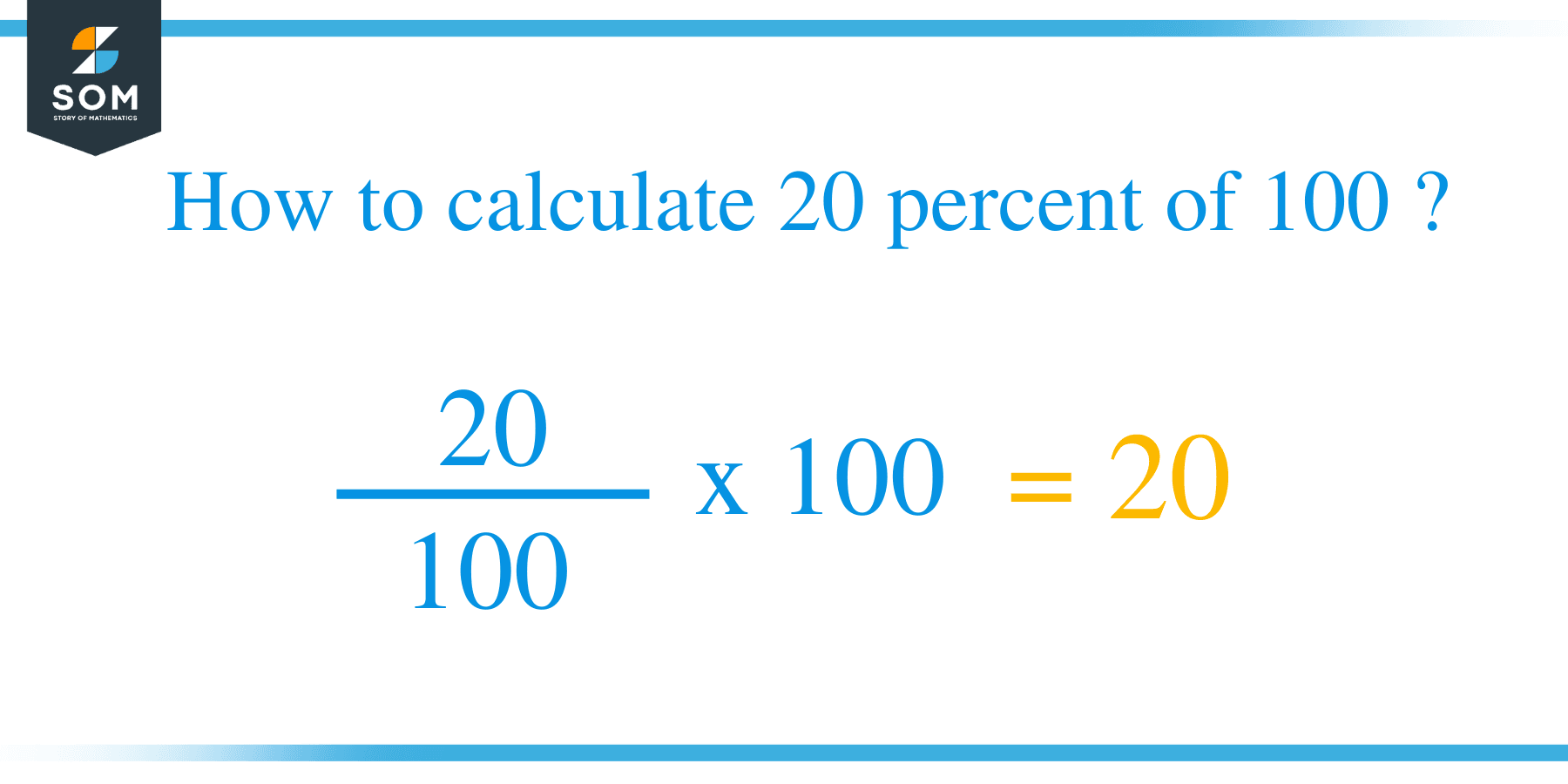
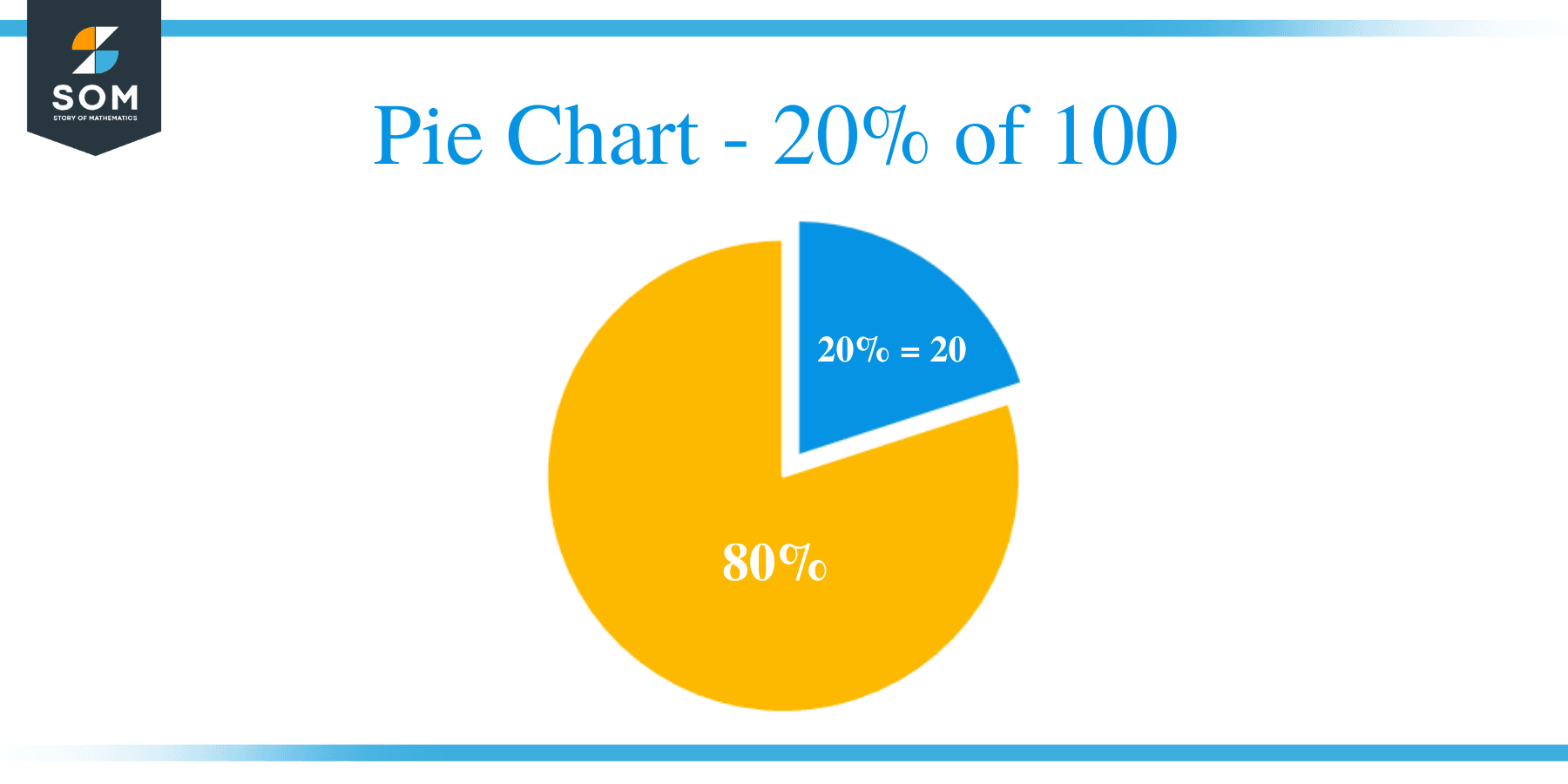
- As a Fraction: Twenty percent translates directly to 20 out of 100, which simplifies to 1/5. This is perhaps the easiest way to think about it for mental math: finding 20 percent of a number is simply finding one-fifth of that number. For instance, 20 percent of $500 is $500 / 5 = $100.
- As a Decimal: To convert a percentage to a decimal, you divide it by 100. So, 20 percent becomes 0.20. This is the most common format for calculations using a calculator or spreadsheet. To find 20 percent of a number, you multiply that number by 0.20. For example, 20 percent of $500 is $500 * 0.20 = $100.
- Mental Math Tricks: For numbers ending in zero or easily divisible by five, thinking of 20% as 1/5 is incredibly helpful. Alternatively, you can find 10% (which is easy: just move the decimal one place to the left) and then double it. So, for $500, 10% is $50, and 20% is $50 * 2 = $100.
- Using a Calculator: The most straightforward method involves simply entering the number, multiplying it by 20, and then pressing the percent (%) button, or multiplying by 0.20.
The Percentage Formula Explained
The universal formula for calculating percentages is:
Part = Whole × (Percent / 100)
Where:
- Part: The resulting value that represents the percentage of the whole.
- Whole: The total amount or original number.
- Percent: The percentage value (e.g., 20).
Let’s say you want to find 20% of $750.
Part = $750 × (20 / 100)
Part = $750 × 0.20
Part = $150
Understanding these methods allows you to quickly assess various financial situations, whether you’re calculating a discount, a tip, or a savings contribution. This foundational mathematical understanding is the first step in leveraging 20 percent for financial empowerment.
20 Percent in Personal Finance: Your Budget’s Best Friend
In personal finance, the 20 percent rule frequently appears as a guiding principle, acting as a beacon for sound financial management, particularly in budgeting and saving for major life milestones.
The 50/30/20 Budgeting Rule
Perhaps the most famous application of 20 percent in personal finance is within the 50/30/20 budgeting rule. Popularized by Senator Elizabeth Warren in her book “All Your Worth: The Ultimate Lifetime Money Plan,” this framework simplifies budgeting into three main categories:
- 50% for Needs: This covers essential living expenses like housing (rent/mortgage), utilities, groceries, transportation, and minimum debt payments.
- 30% for Wants: This includes discretionary spending such as dining out, entertainment, hobbies, vacations, and shopping for non-essentials.
- 20% for Savings & Debt Repayment: This crucial slice of your income is dedicated to building wealth and reducing financial liabilities. This includes contributions to an emergency fund, retirement accounts (401k, IRA), investment accounts, and accelerating high-interest debt payments beyond the minimum.
Adhering to the 20% savings and debt repayment goal is transformative. It ensures that a significant portion of your income is consistently working towards your financial future, rather than merely covering present expenses. This consistent allocation is a cornerstone of long-term financial security and freedom.
Down Payments and Major Purchases
The 20 percent threshold is critically important when planning for major purchases, most notably a home.
- Mortgages and Private Mortgage Insurance (PMI): Lenders traditionally prefer a 20% down payment on a home. The primary reason is that it signifies less risk for the lender. More importantly for the borrower, putting down 20% often allows you to avoid Private Mortgage Insurance (PMI). PMI is an additional monthly cost that protects the lender, not you, in case you default on your loan. By saving and providing that 20% up front, you can save thousands of dollars over the life of your loan and significantly reduce your monthly housing expenses.
- Other Large Assets: While not as strictly enforced, a 20% down payment is also often recommended for financing vehicles or other large assets. It reduces the amount you need to borrow, lowers your monthly payments, and helps you build equity faster, ultimately saving you money on interest.
Savings Goals and Emergency Funds
Aiming to save 20 percent of each paycheck is an ambitious but highly effective strategy for building a robust emergency fund and achieving other short- and medium-term savings goals. Whether it’s a down payment for a car, a future vacation, or simply a safety net for unexpected expenses, consistently setting aside 20% can accelerate your progress dramatically. An emergency fund, ideally three to six months of living expenses, is crucial for financial resilience, and tackling this with a 20% savings rate can help you reach that target much faster than sporadic, smaller contributions.
20 Percent in Investing and Wealth Building
Beyond budgeting and saving, 20 percent takes on a different, yet equally vital, significance in the realm of investing and long-term wealth creation.
The Power of 20% Investment Returns (and Reality Checks)
While a consistent 20% annual return on investment is a high benchmark, often aspirational and not guaranteed, understanding its impact highlights the incredible power of compounding. If an investment consistently returned 20% annually, your capital would grow exponentially. For instance, $10,000 invested at a 20% annual return would become:
- Year 1: $12,000
- Year 2: $14,400
- Year 3: $17,280
- Year 4: $20,736 (Your money has more than doubled in just four years!)
While historical stock market averages are typically closer to 7-10% annually over long periods, grasping the potential of higher percentages underscores the importance of intelligent investment choices, managing risk, and understanding market dynamics. For investors, seeking opportunities that can deliver strong, sustainable returns—even if they’re not a consistent 20% year after year—is key to accelerated wealth building.
Retirement Contributions and Portfolio Allocation
Many financial advisors recommend aiming to save at least 10-15% of your income for retirement, but aggressively contributing 20% or more can significantly improve your chances of achieving a comfortable retirement, especially if you start later in life or aim for early retirement. This high contribution rate, especially when compounded over decades, can lead to substantial retirement nest eggs.
Furthermore, 20 percent can play a role in portfolio allocation. While often more dynamic, a common strategy for younger investors might involve allocating around 80% to growth assets (like stocks) and 20% to more conservative assets (like bonds or cash). As you near retirement, this allocation might shift, with the bond allocation increasing to 20% or more to reduce risk. These percentages are guidelines, but they illustrate how 20% can be a component in strategic asset distribution.
Understanding Investment Fees
The seemingly small percentage of 20% also serves as a stark reminder of the corrosive effect of high investment fees. While an expense ratio of, say, 0.20% (or 0.002) seems tiny, over decades, it can erode a significant portion of your potential returns. Conversely, understanding that high-performing investments might aim for a profit margin of 20% or more helps contextualize the value created. Being diligent about minimizing fees (even those that seem small) ensures more of your capital remains invested and working for you.
Beyond Personal Finances: Business, Discounts, and Debt
The significance of 20 percent extends well beyond personal budgets and investment portfolios, permeating commercial transactions, business operations, and consumer interactions.
Discounts and Sales: Maximizing Your Savings
“20% off!” is a common and enticing offer you see everywhere, from clothing stores to online retailers. Understanding how to quickly calculate this discount ensures you know exactly how much you’re saving. If an item costs $150 and it’s 20% off, you save $30 ($150 * 0.20), meaning you pay $120. Recognizing the value of a 20% discount can guide your purchasing decisions, especially for larger ticket items where the savings can be substantial. Strategically waiting for a 20% off sale can be a smart way to manage your budget and acquire desired goods at a lower cost.
Tipping and Service Charges: Fair Compensation
In many service industries, particularly hospitality, a 20 percent tip has become the widely accepted standard for good service. Whether it’s a restaurant server, a delivery driver, or a hairdresser, calculating 20% of the bill ensures that those providing the service are fairly compensated for their effort and skill. For a $75 restaurant bill, a 20% tip would be $15 ($75 * 0.20). This cultural expectation plays a direct role in the income of millions of service professionals.
Understanding Tax Rates and Business Margins
In the world of business and taxation, 20 percent can represent various critical figures.
- Tax Brackets: Individuals and businesses often fall into tax brackets where a certain portion of their income is taxed at a 20% rate. Understanding these thresholds is vital for financial planning and optimizing tax liabilities.
- Profit Margins: For businesses, a 20% profit margin can be a healthy indicator of efficiency and profitability. This means that for every dollar of revenue, 20 cents remains as profit after all expenses. Companies strive for strong margins, and 20% is often considered a respectable benchmark, though it varies widely by industry.
- Cost Reductions: Businesses might target a 20% reduction in operational costs to improve their bottom line, showcasing how this percentage is used in strategic financial goals.
The Impact of 20% on Debt Repayment
While the 50/30/20 rule dedicates 20% of income to debt and savings, applying an extra 20% to your minimum debt payments can dramatically accelerate your journey out of debt. If your minimum credit card payment is $100, paying an extra $20 ($120 total) might seem minor, but over time, especially on high-interest debt, this additional payment can save you significant money in interest and shorten your repayment period by months or even years. This strategy leverages the power of 20% to compound against your debt, rather than allowing interest to compound against you.
Leveraging 20 Percent for Financial Freedom
The omnipresence of 20 percent in financial discussions isn’t arbitrary. It’s a sweet spot—a number large enough to make a tangible impact, yet often manageable enough to integrate into various financial strategies. Leveraging its power effectively can be a cornerstone of achieving true financial freedom.
Consistent Application is Key
The true power of 20 percent is realized not in one-off calculations but through consistent, disciplined application.
- Automate Savings: Set up automatic transfers so that 20% of your paycheck goes directly into your savings or investment accounts before you even see it. This “pay yourself first” strategy removes the temptation to spend.
- Regular Budget Review: Periodically review your budget to ensure you are consistently allocating 20% towards savings and debt. Adjust as your income or expenses change.
- Strategic Spending: Consciously look for 20% discounts on items you genuinely need, and factor in a 20% tip for services received, making it a habit rather than an afterthought.
Tools and Resources
Several financial tools can assist you in consistently applying the 20 percent rule:
- Budgeting Apps: Many apps (e.g., YNAB, Mint, Personal Capital) allow you to categorize your spending and track your progress against the 50/30/20 rule or custom percentages.
- Financial Calculators: Online calculators for mortgages, debt repayment, and compound interest can help you visualize the long-term impact of a 20% down payment, an extra 20% payment, or a 20% savings rate.
- Robo-Advisors: These platforms can help you set up automated investment contributions, ensuring that your 20% (or more) investment target is met without manual intervention.
The Long-Term Perspective
The cumulative effect of consistently applying the 20 percent principle is where its real magic lies. A 20% savings rate for retirement, consistently applied over 30-40 years, can build a multi-million dollar portfolio. Avoiding PMI through a 20% down payment on a home saves tens of thousands of dollars over the mortgage term. Accelerating debt repayment by an extra 20% can shave years off your repayment schedule and save you substantial interest. These seemingly small, consistent actions compound into life-altering financial advantages.
Conclusion
“How much is 20 percent?” is a question whose answer extends far beyond a simple numerical value. It is a critical financial benchmark, a strategic budgeting tool, a key to wealth accumulation, and a ubiquitous presence in our commercial lives. From helping you save for a significant down payment to guiding your investment contributions and ensuring fair compensation for service providers, the 20 percent rule is a powerful, versatile concept. By understanding its mathematical underpinnings and consciously integrating it into your financial decisions, you empower yourself to build a stronger financial foundation, achieve your monetary goals faster, and ultimately, secure a more prosperous future. Embrace the power of 20 percent; it’s a small number with immense financial leverage.
aViewFromTheCave is a participant in the Amazon Services LLC Associates Program, an affiliate advertising program designed to provide a means for sites to earn advertising fees by advertising and linking to Amazon.com. Amazon, the Amazon logo, AmazonSupply, and the AmazonSupply logo are trademarks of Amazon.com, Inc. or its affiliates. As an Amazon Associate we earn affiliate commissions from qualifying purchases.