
For both seasoned investors and curious newcomers, understanding when the stock market opens and closes is far more than a trivial detail; it’s a foundational piece of knowledge that shapes investment strategies, influences trading decisions, and dictates the rhythm of global finance. The stock market, a complex ecosystem of buyers and sellers exchanging shares of publicly traded companies, operates within specific timeframes. These windows of activity, often referred to as “trading hours,” are critical because they define when transactions can be executed, when prices fluctuate most dynamically, and when market-moving news tends to have its most immediate impact.
Beyond the simple clock-watching, delving into the intricacies of market opening and closing times reveals a sophisticated interplay of liquidity, volatility, and information dissemination. It highlights why certain hours are more active than others, how pre-market and after-hours trading function, and how different global markets operate on staggered schedules, creating a near 24/7 financial landscape. This article will demystify the stock market’s operational hours, providing insights into their significance and equipping investors with the knowledge to navigate these crucial financial frontiers effectively.
The Core Trading Hours: A Global Perspective
The concept of “stock market opening” primarily refers to the regular trading hours of major exchanges. While these hours are standard within a given country, they vary significantly across different global markets, reflecting local business cultures, time zones, and regulatory frameworks.
Major U.S. Stock Exchanges (NYSE and Nasdaq)
In the United States, the two primary stock exchanges, the New York Stock Exchange (NYSE) and the Nasdaq Stock Market, adhere to the same standard trading schedule.
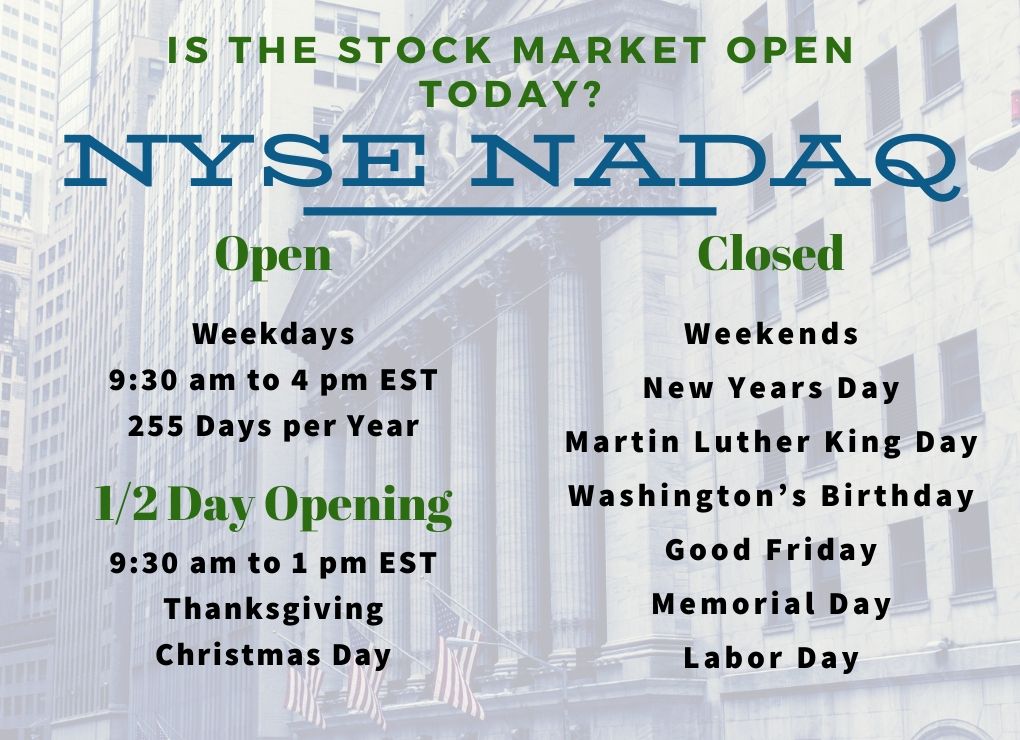
The regular trading session for both exchanges is from 9:30 AM to 4:00 PM Eastern Time (ET), Monday through Friday.
During these hours, the vast majority of trading volume occurs, liquidity is at its peak, and prices are most reflective of broad market sentiment. These are the hours when the iconic opening and closing bells ring, symbolizing the start and end of the official trading day. It’s important to remember that these hours exclude weekends and designated market holidays, which are announced well in advance by regulatory bodies and the exchanges themselves.
Pre-Market and After-Hours Trading
While 9:30 AM to 4:00 PM ET constitutes the “regular” trading day, the exchanges actually facilitate trading beyond these core hours. This extended trading primarily occurs in two phases:
- Pre-Market Trading: This typically runs from 4:00 AM to 9:30 AM ET. During this period, investors can place trades before the official market opening.
- After-Hours Trading: This usually extends from 4:00 PM to 8:00 PM ET. This allows trading to continue after the regular session closes.
Extended-hours trading offers flexibility, enabling investors to react to news released outside of regular hours, such as earnings reports or geopolitical developments. However, it comes with distinct characteristics: liquidity is generally lower, bid-ask spreads can be wider, and volatility can be higher due to fewer participants. This environment is often favored by institutional investors or those with sophisticated trading strategies, though retail investors increasingly have access through modern brokerage platforms. The lower liquidity means that large orders can have a more significant impact on price, and it can be harder to execute trades at desired prices.
International Markets: A Snapshot
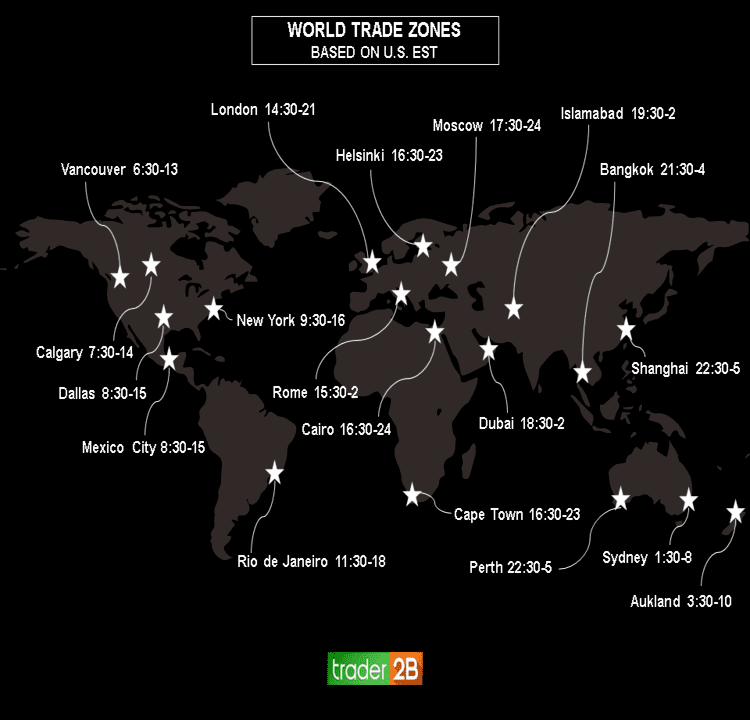
The global nature of finance means that as one market closes, another is often opening. Understanding these staggered schedules is vital for investors with international exposure or those tracking global economic trends.
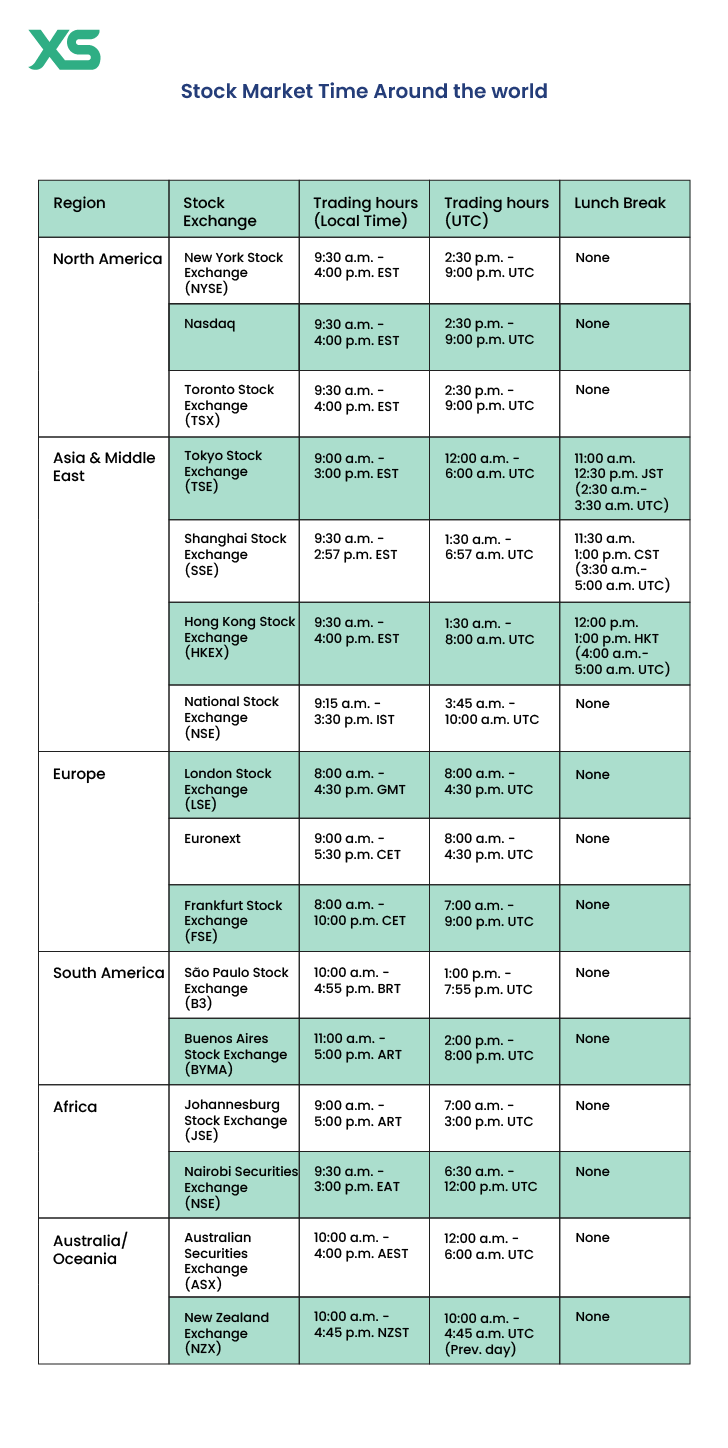
- European Markets: Major exchanges like the London Stock Exchange (LSE) operate from 8:00 AM to 4:30 PM GMT, the Euronext exchanges (Paris, Amsterdam, Brussels, Lisbon) typically from 9:00 AM to 5:30 PM CET, and the Deutsche Börse (Frankfurt) from 9:00 AM to 5:30 PM CET. These markets often have their own pre-market and after-hours sessions as well.
- Asian Markets: The Tokyo Stock Exchange (TSE) generally operates from 9:00 AM to 11:30 AM JST and 12:30 PM to 3:00 PM JST (with a lunch break), while the Shanghai Stock Exchange operates from 9:30 AM to 11:30 AM CST and 1:00 PM to 3:00 PM CST. The Hong Kong Stock Exchange (HKEX) runs from 9:30 AM to 12:00 PM HKT and 1:00 PM to 4:00 PM HKT.
This continuous cycle of global trading underscores the interconnectedness of financial markets, where events in one region can influence asset prices when markets open in another.
Why Trading Hours Matter for Investors
The timing of market operations isn’t merely a logistical detail; it profoundly impacts market behavior and investor strategy. Understanding the nuances of different trading periods can give investors a significant edge in managing risk and identifying opportunities.
Volatility and Liquidity
The opening and closing hours of the regular trading session are often characterized by heightened volatility and increased liquidity.
- Opening Bell: The initial minutes after the market opens are typically a flurry of activity as investors react to overnight news, economic data releases, and pre-market trading action. This often leads to sharp price movements and higher trading volumes, making it a critical period for day traders and those looking to capitalize on immediate reactions.
- Closing Bell: Similarly, the final hour before the market closes, often called the “power hour,” sees another surge in activity as institutions and traders close positions, adjust portfolios, or place orders to execute at the day’s end. Liquidity remains robust, but volatility can also spike as market participants try to complete their transactions.
In contrast, mid-day trading often features lower volatility and thinner liquidity, though significant news can still trigger price swings.
Market-Moving News and Earnings Releases
Companies and regulatory bodies often strategically time the release of important information around market hours to manage their impact.
- Before Opening/After Closing: Earnings reports, merger announcements, and significant economic data (like inflation or employment figures) are frequently released either before the market opens (e.g., 8:30 AM ET) or after it closes (e.g., 4:05 PM ET). This allows investors and analysts time to digest the information and formulate strategies before or during the next trading session, theoretically leading to more orderly price discovery. However, these releases often drive considerable price action during pre-market and after-hours trading.
- During Trading Hours: Less impactful news or updates might be released during regular hours, but highly sensitive information is typically reserved for off-hours to prevent immediate, chaotic market reactions and allow for a more considered response. Investors must monitor these news cycles vigilantly, as unexpected announcements can dramatically shift stock prices.
Day Trading vs. Long-Term Investing Strategies
The relevance of market hours varies significantly depending on an investor’s strategy:
- Day Traders: For day traders, who aim to profit from short-term price movements within a single trading day, understanding market hours is paramount. They thrive on the volatility and liquidity present during the opening and closing hours, carefully monitoring real-time price action to enter and exit positions rapidly. Extended-hours trading also presents opportunities, albeit with higher risk due to lower liquidity.
- Swing Traders: Those who hold positions for a few days or weeks also pay close attention to market openings and closings, especially around earnings releases or major news events that could trigger significant gaps or shifts in price.
- Long-Term Investors: While long-term investors (those holding assets for months or years) might not need to track daily opening and closing times with the same intensity as day traders, understanding market hours is still crucial. It helps them interpret price movements, understand why a stock might gap up or down significantly at the open, and know when they can place orders to buy or sell if they decide to rebalance their portfolio or make new investments. For them, the overall trend and fundamental value outweigh hourly fluctuations, but an awareness of market mechanics remains a part of informed decision-making.
Navigating Market Holidays and Disruptions
While the stock market generally follows a predictable Monday-to-Friday schedule, there are specific days and situations when these rules are suspended or altered. Being aware of these exceptions is crucial for planning trades and managing expectations.
Stock Market Holidays
Stock exchanges observe various holidays throughout the year, during which they remain closed for regular trading. In the U.S., for instance, both the NYSE and Nasdaq observe federal holidays such as New Year’s Day, Martin Luther King, Jr. Day, Presidents’ Day, Good Friday, Memorial Day, Juneteenth National Independence Day, Independence Day, Labor Day, Thanksgiving Day, and Christmas Day.
These closures are typically announced far in advance and are critical for investors to note. Trading platforms and financial news websites provide calendars listing these holidays. During market holidays, investors cannot execute trades in the affected market, though pre-market and after-hours trading facilities are also typically closed. These breaks can sometimes lead to pent-up trading activity when markets reopen, as investors react to any news that occurred during the closure.
Early Closures and Special Trading Sessions
Beyond full-day holidays, exchanges occasionally have early closures. For example, in the U.S., markets might close early on the day before Independence Day or on Black Friday (the day after Thanksgiving). These early closures reduce the trading day duration, often resulting in lower trading volumes and potentially higher volatility in the shortened final hours.
Special trading sessions are rare but can occur in extraordinary circumstances, such as for specific bond market operations or to facilitate particular types of transactions. However, for the typical equity investor, the focus remains on regular and extended hours, with keen attention paid to announced closures.
Unforeseen Market Disruptions
While less common, market operations can also be disrupted by unforeseen events:
- Circuit Breakers: These are pre-defined mechanisms designed to temporarily halt trading across the entire market (or specific securities) if prices fall or rise too rapidly. They are intended to prevent panic selling or buying and allow investors to absorb information before trading resumes. For example, the U.S. market has three levels of circuit breakers that trigger a trading halt of varying durations based on the S&P 500’s decline.
- Technical Issues: System failures, glitches, or cyberattacks can lead to temporary trading halts or even full-day closures of an exchange. While rare due to robust infrastructure, these events highlight the technological backbone of modern markets.
- Geopolitical Events or Natural Disasters: Extreme events, such as major terrorist attacks or widespread natural disasters, can prompt exchanges or regulators to close markets temporarily to ensure stability and safety, as seen after 9/11.
In such scenarios, investors may find themselves unable to execute trades, and the market could reopen with significant price gaps or heightened volatility. Staying informed through official exchange announcements and reputable financial news sources is paramount during these unusual circumstances.
Tools and Strategies for Staying Informed
In today’s fast-paced financial world, access to real-time information and effective tools is indispensable for investors to keep track of market opening and closing times, holidays, and any potential disruptions.
Financial News Outlets and Platforms
Reputable financial news sources are the primary go-to for market information. Websites like The Wall Street Journal, Bloomberg, Reuters, CNBC, and Yahoo Finance consistently publish updated market calendars, breaking news, and analyses that can impact trading hours.
- Market Calendars: Most of these platforms feature dedicated market holiday calendars for major global exchanges, often integrated with economic data releases.
- Real-time News Feeds: Subscribing to their news feeds or alerts ensures that investors are immediately aware of any unexpected market closures, early dismissals, or critical news that might affect specific stocks or the broader market. These outlets also provide in-depth reporting that helps interpret the significance of opening and closing dynamics.
Brokerage Platforms and Apps
Modern brokerage platforms and their accompanying mobile applications are designed to provide investors with immediate access to market status.
- Market Status Indicators: Virtually all trading interfaces prominently display whether the market is open, closed, or in extended hours. This is often indicated by a simple color code (e.g., green for open, red for closed) or text notification.
- Order Placement Logic: Brokerage systems are typically smart enough to handle orders placed outside regular hours. A “market order” placed after hours will usually execute at the next market open, while “limit orders” can be set to be valid for extended hours or only during regular hours. Understanding these distinctions is vital to avoid unexpected trade executions.
- Notifications: Many apps offer customizable push notifications for market openings, closings, and specific stock-related news, helping investors stay engaged without constant manual checking.
Setting Alerts and Notifications
Leveraging technology to set up personalized alerts can be a highly effective strategy for staying informed:
- Calendar Reminders: Simple calendar applications on smartphones or computers can be set to remind investors of market openings and closings, especially for international markets they might be following.
- Brokerage Alerts: As mentioned, most brokerage apps allow users to set alerts for market status, price targets, news releases, or even specific market events.
- Third-Party Financial Apps: Many independent financial tracking apps offer customizable alerts and provide comprehensive market data, including trading hours for various global exchanges. By configuring these tools, investors can ensure they are always aware of when they can act on their investment decisions, preventing missed opportunities or unexpected delays.
Beyond Opening Bell: The 24/7 Global Financial Landscape
While the concept of a “stock market opening” is central to equity investing, it’s crucial to acknowledge that the broader financial world never truly sleeps. Other asset classes and global interdependencies ensure that financial activity is a continuous, worldwide phenomenon.
Forex and Cryptocurrency Markets
Unlike traditional stock markets with fixed trading hours, the foreign exchange (Forex) market and the cryptocurrency market operate virtually 24 hours a day, seven days a week.
- Forex Market: This is the largest and most liquid financial market globally. It operates through an interconnected network of banks, institutions, and individual traders across different time zones. As one major financial center (e.g., Sydney) closes, another (e.g., Tokyo, London, New York) opens, ensuring seamless, continuous trading from Sunday evening ET through Friday afternoon ET. This constant activity means currency pairs are always reacting to global news and economic data.
- Cryptocurrency Market: Cryptocurrencies like Bitcoin and Ethereum are decentralized and not tied to any physical exchange or specific trading hours. Trading occurs peer-to-peer or through various online exchanges globally at any time, day or night. This 24/7 nature contributes to their characteristic volatility, as reactions to news or sentiment shifts can occur instantaneously without waiting for a market opening.
The Interconnectedness of Global Markets
The fixed hours of major stock exchanges don’t mean they operate in isolation. The financial world is highly interconnected:
- Ripple Effects: What happens in Asia overnight can significantly influence how European markets open, which in turn sets the tone for the U.S. market opening later in the day. For example, a major economic announcement from China or an earnings miss from a tech giant in Japan could cause U.S. futures to react before the NYSE or Nasdaq officially opens.
- Futures Markets: Stock index futures (e.g., E-mini S&P 500 futures) often trade for nearly 24 hours a day, providing a barometer for how the underlying stock market might open. Many professional traders and institutional investors use these futures markets to hedge or speculate on market movements outside regular stock market hours.
Adapting to a Dynamic Environment
For investors, this continuous global financial activity means that staying informed extends beyond simply knowing when the local stock market opens. It requires:
- Global Awareness: Understanding major economic releases and geopolitical developments across different regions.
- Adaptability: Being prepared for the potential impact of overnight news on portfolio holdings when the market opens.
- Technological Engagement: Utilizing tools and platforms that offer continuous market data, global news feeds, and extended-hours trading capabilities if such strategies align with their investment goals.
In essence, while the stock market’s opening bell signifies the start of a new trading day for equities, it’s just one pulse in the broader, ceaseless heartbeat of the global financial system.
Understanding when the stock market opens and closes is more than just a logistical query; it’s a fundamental component of effective investing. These specific trading hours define periods of peak liquidity and volatility, dictate when market-moving news has its most immediate impact, and influence the strategies of diverse investors, from day traders to long-term holders. While the U.S. markets adhere to a standard 9:30 AM to 4:00 PM ET schedule, pre-market and after-hours trading, alongside the staggered operations of international exchanges, create a dynamic and interconnected global financial landscape.
Being aware of market holidays, early closures, and the potential for unforeseen disruptions further refines an investor’s ability to navigate these waters. Leveraging modern financial tools—from news platforms to brokerage apps—is essential for staying informed and making timely decisions. Ultimately, recognizing that the financial world operates in a near 24/7 cycle, with the Forex and cryptocurrency markets leading the charge, empowers investors to engage with a comprehensive understanding of market dynamics, transcending the simple ringing of an opening bell to embrace the continuous rhythm of global capital. This holistic perspective is crucial for informed decision-making and sustainable financial success in today’s intricate market environment.
aViewFromTheCave is a participant in the Amazon Services LLC Associates Program, an affiliate advertising program designed to provide a means for sites to earn advertising fees by advertising and linking to Amazon.com. Amazon, the Amazon logo, AmazonSupply, and the AmazonSupply logo are trademarks of Amazon.com, Inc. or its affiliates. As an Amazon Associate we earn affiliate commissions from qualifying purchases.