
For investors residing in the Pacific Time Zone, understanding the precise closing hours of the major U.S. stock exchanges is not merely a matter of trivia; it’s a critical component of effective financial strategy. The rhythm of the market dictates when orders can be executed, when news can dramatically shift valuations, and when one can step away from the screens. While the primary U.S. exchanges, such as the New York Stock Exchange (NYSE) and NASDAQ, operate on Eastern Time (ET), investors across the vast expanse of the American West Coast must translate these hours to their local clocks. This translation is crucial for everything from placing last-minute trades to interpreting financial news and managing one’s portfolio without missing a beat. Delving into the nuances of market hours, including standard sessions and extended trading, offers a significant advantage in navigating the fast-paced world of investing.
Understanding Standard Market Hours
The foundation of stock market operations lies in its standard trading hours. These are the periods when most trading volume occurs, liquidity is highest, and institutional investors are most active. While seemingly straightforward, the specific timing, especially when viewed through the lens of different time zones, requires careful attention.
The Core Trading Window (EST/ET)
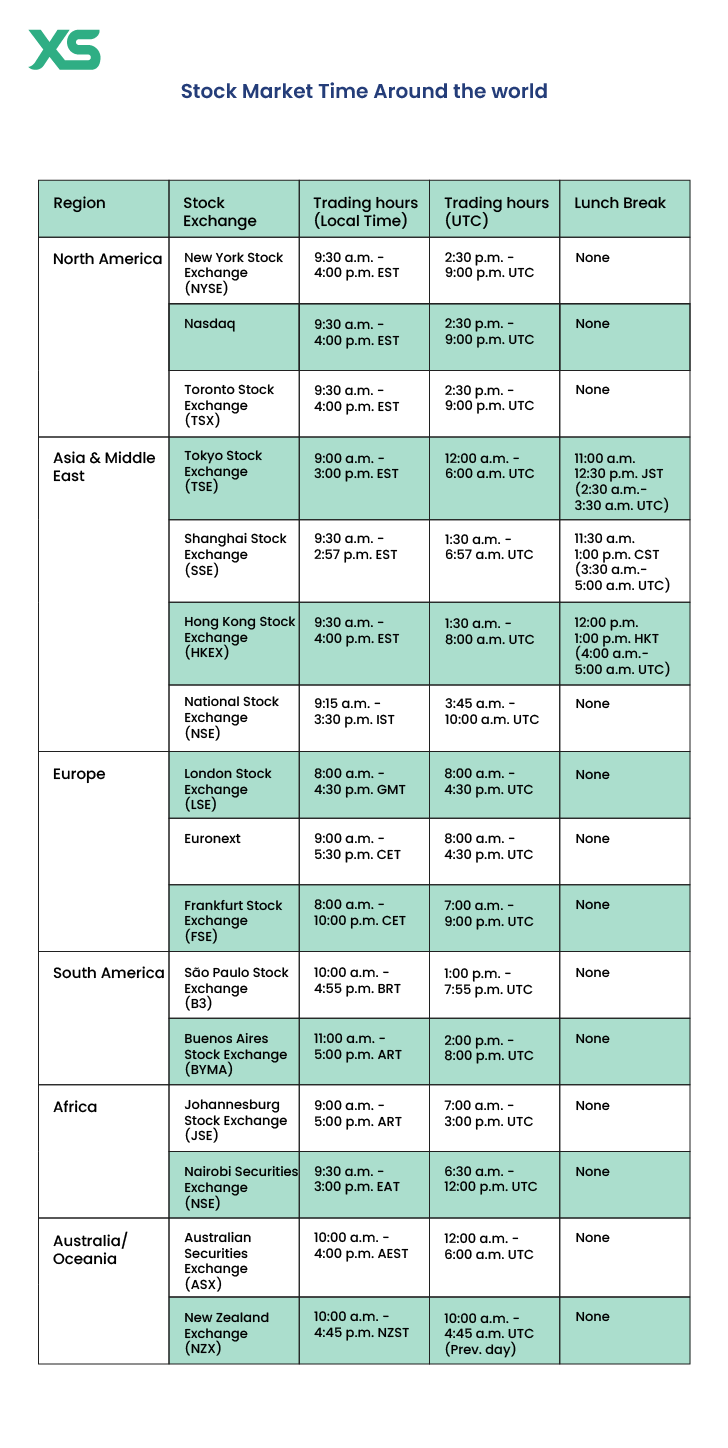
The heartbeat of the U.S. stock market pulsates from New York City. Both the New York Stock Exchange (NYSE) and the NASDAQ Stock Market, the two largest exchanges globally, adhere to Eastern Time (ET). Their standard trading session typically runs from 9:30 AM ET to 4:00 PM ET on weekdays. This seven-and-a-half-hour window is where the vast majority of daily trading activity takes place, where companies announce earnings, and where economic data releases often trigger immediate market reactions. For anyone involved in U.S. equities, these are the hours that truly define the market’s operational day. Understanding this core window is the first step in synchronizing one’s investment activities with the market’s pulse, regardless of one’s geographical location.
Translating to Pacific Time
Given that the major U.S. stock exchanges close at 4:00 PM ET, investors in the Pacific Time Zone (PT) need to perform a simple time zone conversion. The Pacific Time Zone is three hours behind the Eastern Time Zone. Therefore, when the market closes at 4:00 PM ET, it is 1:00 PM PT on the West Coast. This means that Pacific Time investors have a morning-centric trading day, starting at 6:30 AM PT and concluding shortly after lunch. This earlier closing time can have significant implications for daily routines, the ability to react to afternoon news cycles, and the overall rhythm of an investor’s day. Being acutely aware of this 1:00 PM PT closing time is paramount for making informed decisions and executing trades within the standard session. It ensures that orders are placed and managed before the final bell, preventing missed opportunities or unexpected delays.
The Impact of Early Closes and Holidays
While the 1:00 PM PT closing time is standard for regular trading days, the stock market’s schedule is not entirely rigid. There are specific instances when market hours are altered, most notably due to holidays or certain market events. Stock exchanges observe U.S. federal holidays, meaning they are completely closed on days like New Year’s Day, Memorial Day, Independence Day, Labor Day, Thanksgiving Day, and Christmas Day. Beyond full closures, there are also scheduled early closes. For example, the market often closes at 1:00 PM ET (which translates to 10:00 AM PT) on the day before or after certain holidays, such as the day after Thanksgiving (Black Friday) or Christmas Eve. These early closures are crucial to note, as they significantly shorten the trading day for Pacific Time investors, compressing their effective trading window even further. Staying informed about the annual holiday schedule and any announced early closures is a non-negotiable aspect of effective market participation for all investors, particularly those managing time zone differences. Financial news outlets, brokerage platforms, and exchange websites routinely publish these schedules well in advance, providing ample opportunity for investors to adjust their strategies accordingly.
Beyond Regular Hours: Extended Trading
The notion that stock market activity begins at 9:30 AM ET and ends at 4:00 PM ET is an oversimplification. While these are the standard hours with the highest liquidity, significant trading also occurs outside this window. These extended sessions, known as pre-market and after-hours trading, offer both unique opportunities and heightened risks for informed investors.
What is Pre-Market Trading?
Pre-market trading refers to the period before the official 9:30 AM ET market open. For most U.S. exchanges, this session typically begins at 4:00 AM ET and runs until the market opens. Translating this to Pacific Time, pre-market trading starts as early as 1:00 AM PT. This early window allows investors to react to news that breaks overnight, such as international market movements, corporate earnings reports released before the market opens, or significant geopolitical events. Price discovery during pre-market hours can often set the tone for the standard trading session. However, pre-market trading is characterized by significantly lower liquidity compared to regular hours, meaning fewer buyers and sellers are present. This lower liquidity can lead to wider bid-ask spreads and increased price volatility, making it challenging to execute large orders without impacting the stock price. For Pacific Time investors, this early start means that market-moving news requires attention in the very early hours of the morning, demanding a high level of dedication and access to robust trading platforms.
What is After-Hours Trading?
Conversely, after-hours trading occurs once the standard 4:00 PM ET market close has passed. This session typically extends until 8:00 PM ET, though some platforms may offer even longer periods. For Pacific Time investors, after-hours trading begins at 1:00 PM PT (right after the regular market close) and can run until 5:00 PM PT. This period is often where companies release earnings reports or significant news after the market close, providing investors an immediate opportunity to react. The implications of after-hours trading can be profound, as a stock’s price can move dramatically based on these late announcements, setting the stage for the next day’s opening. Similar to pre-market, after-hours trading suffers from reduced liquidity, higher volatility, and wider spreads. While it offers flexibility for investors to act on late-breaking information, the risks associated with these conditions are considerable, requiring a cautious approach and an understanding of the mechanisms that govern these non-standard sessions.
Risks and Opportunities in Extended Sessions
Extended trading sessions present a dual-edged sword. The primary opportunity is the ability to react quickly to breaking news outside of standard hours. This can be particularly beneficial for institutional investors or active traders who aim to capitalize on immediate price movements before the broader market opens or closes. For example, a company announcing better-than-expected earnings after 4 PM ET might see its stock price surge in after-hours trading, allowing early entrants to benefit. Conversely, a negative announcement could lead to a steep decline. However, the risks are substantial. Lower liquidity means fewer shares are traded, making it harder to buy or sell at desired prices. A single large order can significantly impact a stock’s price, leading to exaggerated volatility. Wider bid-ask spreads mean the difference between the buying and selling price is larger, increasing transaction costs. Furthermore, news flow can be inconsistent, and many individual investors may not have the sophisticated tools or real-time data feeds available to professional traders during these hours. Pacific Time investors engaging in extended trading must be acutely aware of these factors, ensuring their trading strategies are tailored to the unique characteristics of these less liquid periods.
Practical Implications for Pacific Time Investors
Living and investing on the West Coast introduces a distinct set of considerations when interacting with the primarily East Coast-centric U.S. stock market. The time difference isn’t just a numerical conversion; it fundamentally reshapes the daily experience of an investor.
Real-Time Monitoring and Decision Making
For Pacific Time investors, the market opens at 6:30 AM PT and closes at 1:00 PM PT. This means the entire standard trading day happens during what is, for many, the early to mid-morning. This compressed window can be both an advantage and a challenge. On one hand, it allows investors to finish their market-related activities by early afternoon, freeing up the rest of the day. On the other hand, it demands intense focus and proactive decision-making in the morning. Real-time monitoring becomes critical, as there’s less buffer time to react to unfolding events. Economic reports released at 8:30 AM ET (5:30 AM PT) or Federal Reserve announcements at 2:00 PM ET (11:00 AM PT) require immediate attention and interpretation. For active traders, missing a few minutes of market action can mean missing crucial entry or exit points. Consequently, West Coast investors must cultivate disciplined routines, ensuring they are prepared to engage with the market from its open until its close at 1 PM PT, without the luxury of a full business day to process information.
Leveraging Technology for Timely Trades

The geographical distance and time zone difference amplify the need for robust technological solutions. Pacific Time investors heavily rely on sophisticated financial tools and trading platforms to stay connected and execute timely trades. High-speed internet access is non-negotiable, and advanced charting software, real-time data feeds, and alert systems become invaluable. Many platforms offer customizable dashboards that track preferred stocks, display real-time news, and even provide pre- and after-hours trading capabilities. Mobile trading apps are also crucial, allowing investors to monitor their portfolios and place orders even if they are away from their desks during the compressed trading window. Furthermore, utilizing tools that can automatically convert Eastern Time market events to Pacific Time can help prevent errors and ensure accurate scheduling. Features like stop-loss orders, limit orders, and “good ’til canceled” orders are particularly useful, allowing investors to set their parameters in advance and have the system execute trades even if they are not actively monitoring the market at the precise moment.
Managing News and Economic Releases
The flow of market-moving information is relentless, and its timing is predominantly aligned with the East Coast schedule. This means that many crucial economic reports, corporate earnings announcements, and analyst upgrades/downgrades are released either before the market opens (typically 8:30 AM ET / 5:30 AM PT) or after it closes (4:00 PM ET / 1:00 PM PT). For Pacific Time investors, this necessitates an early start to process pre-market news and a diligent approach to monitoring after-hours announcements. For instance, a Consumer Price Index (CPI) report released at 8:30 AM ET will require interpretation and potential action by 5:30 AM PT, well before many other daily activities commence. Conversely, earnings reports released after 4 PM ET will impact stocks during their local afternoon. Strategic investors on the West Coast often develop routines around these release times, integrating financial news digests and market calendars into their morning and early afternoon schedules. Understanding when these reports are due, and having a plan to react to them, is crucial for mitigating risks and capitalizing on opportunities that arise from new information.
The Global Perspective: Other Markets and Time Zones
While the focus has been on U.S. stock market hours, the world of finance extends far beyond New York. For Pacific Time investors, understanding how other global markets operate, and how they interact with U.S. hours, can offer broader context and diversified investment opportunities.
Synchronicity and Overlap with Asian/European Markets
The global financial system operates in a continuous cycle, with markets opening and closing sequentially across different time zones. For Pacific Time investors, this means the Asian markets (like Tokyo and Hong Kong) will have already closed their trading day by the time the U.S. market opens at 6:30 AM PT. News and sentiment from these markets can significantly influence the U.S. open. The European markets (like London and Frankfurt), on the other hand, overlap considerably with U.S. trading hours. When the U.S. market opens at 6:30 AM PT, the European markets are typically in their mid-day session, and they will usually close around 8:00 AM PT to 9:00 AM PT, still within the U.S. market’s operational window. This overlap allows for a degree of synchronized trading and shared market catalysts. Monitoring major European indices during this overlap can provide real-time insights into global investor sentiment, which can sometimes foreshadow trends in U.S. equities. For investors with international holdings or those tracking global macroeconomic trends, this interplay of time zones is a constant, dynamic puzzle.
The 24/7 Nature of Forex and Crypto
In stark contrast to the structured, finite trading hours of traditional stock exchanges, certain asset classes operate virtually 24 hours a day, seven days a week. The Foreign Exchange (Forex) market is a prime example. As an over-the-counter (OTC) market, Forex trading follows the sun, moving from Sydney to Tokyo, London, and then New York, ensuring that there’s always a major financial center open somewhere in the world. This continuous operation means that currency pairs can be traded at any time, day or night, which can be particularly advantageous for Pacific Time investors who might prefer to trade outside of typical U.S. stock market hours. Similarly, the cryptocurrency market is famously decentralized and operates around the clock, every day of the year. Digital assets like Bitcoin and Ethereum are traded on global exchanges that never close. For Pacific Time investors, this 24/7 availability removes the constraints of market opening and closing times, offering unparalleled flexibility but also requiring constant vigilance for those actively involved in crypto trading. The implications for portfolio diversification and risk management are significant, offering alternatives to traditional equity investments.
Diversification Across Time Zones
For sophisticated investors, especially those with larger portfolios or a global outlook, understanding international market hours and their interaction with Pacific Time opens up strategies for diversification across time zones. By allocating investments across different geographical markets—Asian, European, and American—investors can potentially mitigate risks associated with a single market’s performance and also capitalize on opportunities that arise during different segments of the 24-hour global trading cycle. For a Pacific Time investor, this might mean having exposure to European stocks that are actively trading in their morning, or monitoring Asian markets for late-night news. This approach requires a deeper understanding of various economic calendars, geopolitical factors, and market holidays specific to each region. It transforms the time zone challenge into a strategic advantage, allowing for a broader, more resilient investment posture that isn’t solely dependent on the performance of the U.S. market during its relatively short 6:30 AM to 1:00 PM PT window.
Strategic Considerations for Different Investor Types
The implications of market closing times, especially for Pacific Time investors, vary significantly depending on an individual’s investment philosophy and trading style. What is critical for a day trader might be less impactful for a long-term investor, highlighting the need for tailored strategies.
Day Traders and Active Investors
For day traders and other active investors, precision and speed are paramount, and the market’s closing time at 1:00 PM PT represents a hard deadline. These investors thrive on volatility and intraday price movements, often aiming to close out positions before the market shuts down to avoid overnight risk. For a Pacific Time day trader, the morning hours are intense, requiring constant vigilance from the 6:30 AM PT open until the 1:00 PM PT close. They must be prepared to react instantly to news, technical pattern formations, and order flow within this compressed window. Extended trading hours, while offering opportunities, also introduce magnified risks due to lower liquidity and higher volatility, demanding even greater discipline. Tools for rapid execution, real-time data analysis, and immediate access to financial news feeds are not just helpful; they are essential for success. The shorter trading day means decisions must be made quickly, without the luxury of prolonged contemplation, putting immense pressure on rapid analysis and execution.
Long-Term Investors
In contrast, long-term investors generally focus on a company’s fundamentals, growth prospects, and overall market trends over months, years, or even decades. For them, the exact minute the market closes at 1:00 PM PT is far less critical. While they still need to be aware of market hours for placing orders or rebalancing portfolios, the daily fluctuations and the specific timing of the closing bell have minimal impact on their overarching strategy. Their investment horizon allows them to weather short-term volatility, and they are less concerned with intraday price movements or extended-hours trading. For a long-term investor on the West Coast, the market’s opening at 6:30 AM PT and closing at 1:00 PM PT simply defines the window when they can place or modify their long-term buy-and-hold orders, review quarterly reports, or adjust their asset allocation. Their focus remains on the strategic aspects of investing, such as dollar-cost averaging, dividend reinvestment, and broad market analysis, rather than tactical, time-sensitive trading.
International Investors
International investors, whether they are U.S. citizens investing abroad or foreign nationals investing in the U.S. market, face an even more complex web of time zones. For a Pacific Time investor looking at European or Asian markets, their own morning might be the latter part of another market’s trading day, or even after it has closed. Conversely, a European investor looking at the U.S. market will find that the NYSE and NASDAQ open in their afternoon and close late into their evening. This necessitates a sophisticated approach to managing multiple time zone conversions, tracking various market holiday schedules, and understanding the different regulatory environments. For these investors, leveraging technology that offers integrated global market data and multi-currency trading capabilities is crucial. They must also develop strategies for managing orders across non-overlapping trading windows, potentially using after-hours trading or overnight orders to bridge the time gaps effectively. The ability to seamlessly navigate these global time differences is a hallmark of truly diversified and strategically adept international investing.

Conclusion
Understanding when the stock market closes, particularly from the perspective of Pacific Time, is far more than a simple time conversion; it’s a foundational element of effective investment strategy. For investors on the West Coast, the U.S. stock market’s 1:00 PM PT closing bell dictates the rhythm of their trading day, impacting everything from real-time monitoring and decision-making to the interpretation of financial news.
While the standard session provides the primary trading window, extended hours offer opportunities to react to late-breaking news, albeit with increased risks due to lower liquidity. Strategic use of technology becomes indispensable for Pacific Time investors, enabling timely trades and informed responses to market-moving events that often align with East Coast scheduling. Furthermore, embracing a global perspective, recognizing the synchronicity with other international markets, and understanding the 24/7 nature of assets like Forex and cryptocurrencies, can lead to broader diversification and more resilient portfolios.
Ultimately, whether one is a high-frequency day trader or a patient long-term investor, acknowledging and adapting to the market’s operational hours in relation to one’s own time zone is crucial. It allows for more precise order placement, better risk management, and a more engaged, proactive approach to navigating the dynamic world of finance. For the Pacific Time investor, the market may close earlier in the day, but the strategic thinking required never truly stops.
aViewFromTheCave is a participant in the Amazon Services LLC Associates Program, an affiliate advertising program designed to provide a means for sites to earn advertising fees by advertising and linking to Amazon.com. Amazon, the Amazon logo, AmazonSupply, and the AmazonSupply logo are trademarks of Amazon.com, Inc. or its affiliates. As an Amazon Associate we earn affiliate commissions from qualifying purchases.