
The world of financial markets can often seem complex, especially for newcomers. Among the most fundamental pieces of information for anyone looking to engage with stock trading is understanding market hours. Specifically, knowing “when does the Nasdaq open” is crucial, as it dictates when investors can buy, sell, and react to market-moving news. The Nasdaq Stock Market, renowned for listing many of the world’s most prominent technology and growth companies, operates within defined trading windows that shape everything from liquidity to investment strategy. This guide will delve into the precise opening and closing times, explore extended trading sessions, and discuss the broader implications of market hours for investors and the global economy.
Understanding the Nasdaq Stock Market
Before dissecting its trading schedule, it’s essential to appreciate the Nasdaq’s unique position in the financial landscape. Unlike the New York Stock Exchange (NYSE), which historically operated as a physical trading floor, Nasdaq was the world’s first electronic stock market. Established in 1971, its innovative computer-based trading system revolutionized how securities were bought and sold, paving the way for modern market infrastructure.
A Brief History and Its Significance
Nasdaq stands for “National Association of Securities Dealers Automated Quotations.” From its inception, it aimed to provide a more transparent and efficient market for securities trading by aggregating bid and ask prices electronically. This digital-first approach made it particularly attractive to burgeoning tech companies that valued innovation and efficiency. Over the decades, Nasdaq grew to become the second-largest stock exchange by market capitalization globally, home to giants like Apple, Microsoft, Amazon, Google (Alphabet), and Tesla. Its performance is often seen as a bellwether for the technology sector and broader economic growth.
The significance of the Nasdaq extends beyond just tech stocks. It offers a diverse range of companies and industries, but its identity remains strongly tied to innovation and growth. For investors, understanding the Nasdaq means understanding a crucial segment of the modern economy that drives technological advancement and market trends.
Key Characteristics of Nasdaq-Listed Companies
Nasdaq’s listing requirements, while rigorous, are designed to attract companies with significant growth potential. These often include:
- Innovation Focus: A high concentration of technology, biotechnology, and growth-oriented firms.
- Electronic Trading: The market operates purely electronically, facilitating rapid transactions and high liquidity.
- Market-Maker System: Instead of a single specialist, multiple market makers compete to buy and sell securities, providing continuous liquidity.
- Global Reach: Many Nasdaq-listed companies have a global presence, and their performance can be influenced by international economic factors.
These characteristics collectively shape the trading environment on the Nasdaq, making its operating hours particularly relevant for those tracking dynamic, fast-moving stocks.
Nasdaq’s Standard Trading Hours
The standard trading session is the core period when most market activity occurs, characterized by the highest liquidity and typically the tightest bid-ask spreads. Knowing these hours is fundamental for all investors, from day traders to long-term holders.
The Opening Bell: Exact Times and EST Consideration
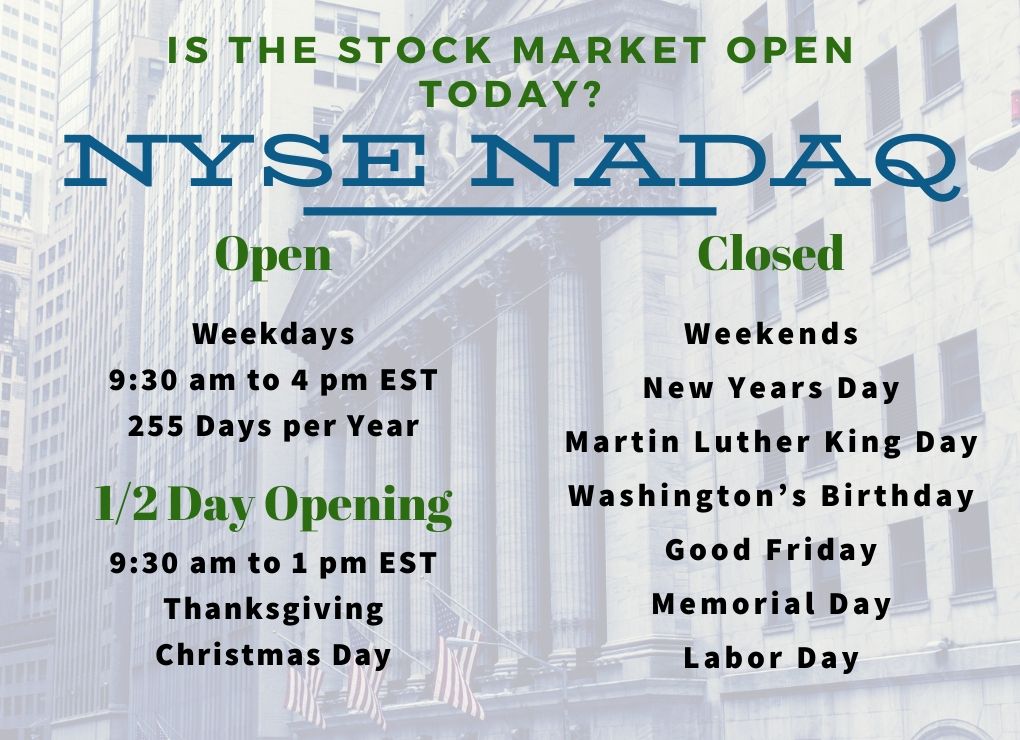
The Nasdaq Stock Market opens its standard trading session at 9:30 AM Eastern Time (ET). This moment is famously symbolized by the “opening bell,” an event often featuring executives of listed companies or notable figures ringing a ceremonial bell to mark the start of the trading day.
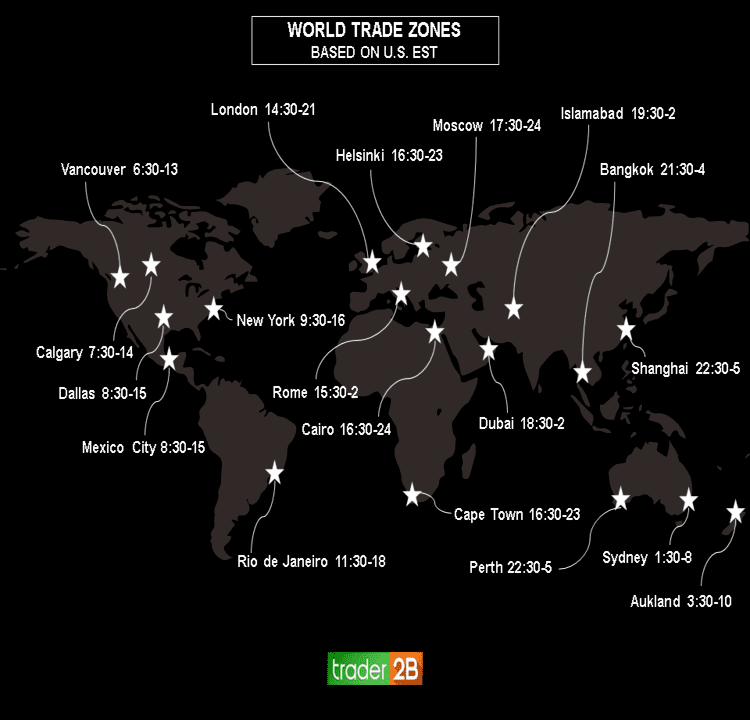
It’s crucial to specify “Eastern Time” because the United States spans multiple time zones. For investors in other regions, converting 9:30 AM ET to their local time is essential. For instance:
- Pacific Time (PT): 6:30 AM PT
- Central Time (CT): 8:30 AM CT
- Mountain Time (MT): 7:30 AM MT
- London (GMT): 2:30 PM GMT (during Daylight Saving Time in the US)
- Tokyo (JST): 10:30 PM JST (during Daylight Saving Time in the US)
This 9:30 AM ET start time applies consistently throughout the year, adjusting only for the change between Eastern Standard Time (EST) and Eastern Daylight Time (EDT) as seasons change in the U.S.
The Closing Bell: End of Standard Trading
The standard trading session on the Nasdaq concludes at 4:00 PM Eastern Time (ET). Similar to the opening, the “closing bell” signifies the end of regular trading for the day. While some activity continues in after-hours sessions, the 4:00 PM ET mark is when the bulk of institutional and retail trading ceases.
Again, converting this to other time zones is important for global investors:
- Pacific Time (PT): 1:00 PM PT
- Central Time (CT): 3:00 PM CT
- Mountain Time (MT): 2:00 PM MT
- London (GMT): 9:00 PM GMT (during Daylight Saving Time in the US)
- Tokyo (JST): 5:00 AM JST (the following day, during Daylight Saving Time in the US)
These regular trading hours, from 9:30 AM ET to 4:00 PM ET, provide a 6.5-hour window for active trading on weekdays.
Weekends and Federal Holidays: When the Market Stays Shut
Like most major stock exchanges worldwide, the Nasdaq operates only on weekdays. This means it is closed on Saturdays and Sundays.
Furthermore, the Nasdaq observes a number of U.S. federal holidays. On these days, the market is typically closed entirely, allowing investors and market participants to observe the holiday. Common holidays when the Nasdaq is closed include:
- New Year’s Day
- Martin Luther King, Jr. Day
- Presidents’ Day
- Good Friday
- Memorial Day
- Juneteenth National Independence Day
- Independence Day (Fourth of July)
- Labor Day
- Thanksgiving Day
- Christmas Day
Occasionally, the Nasdaq may also have early closures on days preceding or following a major holiday, such as the day after Thanksgiving (Black Friday) or Christmas Eve, if they fall on a weekday. It is always advisable for investors to check the official Nasdaq website or a reputable financial news source for the exact market holiday schedule each year, as dates can vary for certain holidays.
Beyond Standard Hours: Pre-Market and After-Hours Trading
While the 9:30 AM to 4:00 PM ET window defines standard trading, the market’s activity doesn’t begin and end precisely with those bells. Electronic trading systems allow for sessions that extend beyond these core hours, known as pre-market and after-hours trading.
Pre-Market Trading: Opportunities Before the Open
Pre-market trading on the Nasdaq typically begins at 4:00 AM Eastern Time (ET). This session allows institutional investors, professional traders, and increasingly, retail investors to react to news released before the market opens, such as earnings reports, economic data, or breaking company announcements.
Key aspects of pre-market trading include:
- Earlier Reaction: Provides an opportunity to trade on news before the general public, potentially capitalizing on immediate price movements.
- Lower Liquidity: Generally, there are fewer participants in pre-market sessions compared to standard hours. This can lead to wider bid-ask spreads and greater price volatility.
- Limited Order Types: Not all order types available during regular hours may be supported.
For investors, pre-market trading can be a double-edged sword. While it offers early access, the reduced liquidity and potentially higher volatility demand caution and a keen understanding of market dynamics.
After-Hours Trading: Navigating Post-Close Activity
After-hours trading on the Nasdaq usually extends from 4:00 PM ET to 8:00 PM Eastern Time (ET). Similar to pre-market, this session enables market participants to trade after the closing bell, often in response to news that breaks late in the day or to adjust positions based on end-of-day analysis.
Characteristics of after-hours trading largely mirror those of pre-market:
- Reaction to Post-Close News: Many companies release earnings or significant announcements after the market closes, making after-hours trading crucial for immediate reactions.
- Reduced Liquidity and Increased Volatility: Like pre-market, fewer market participants can result in less liquidity, wider spreads, and more pronounced price swings on smaller trading volumes.
- Impact of Global Markets: As U.S. markets close, trading shifts to Asian and European markets, and after-hours trading can sometimes reflect early reactions to global sentiment.
Engaging in after-hours trading requires a similar level of caution and strategic awareness as pre-market trading. The reduced depth of the market can amplify the impact of individual trades.
Key Differences and Risks of Extended Hours Trading
While pre-market and after-hours sessions offer flexibility, they come with inherent differences and risks compared to standard trading:
- Liquidity: Significantly lower liquidity, meaning fewer buyers and sellers. This can make it harder to execute trades at desired prices, especially for larger orders.
- Price Volatility: Prices can fluctuate more dramatically due to lower liquidity and fewer market makers to absorb large orders.
- Wider Spreads: The difference between the bid (highest price a buyer is willing to pay) and ask (lowest price a seller is willing to accept) can be much wider, leading to less favorable execution prices.
- Order Execution: Orders may be executed at prices significantly different from the last reported trade due to rapid shifts in supply and demand.
- Limited News Flow: While some news is released, the overall volume of market-moving information is typically lower, and individual pieces of news can have an outsized impact.
Investors considering extended-hours trading should understand these risks and often use limit orders to control their execution price, rather than market orders which prioritize speed of execution over price.
The Rationale Behind Market Hours
The specific timing of market operations isn’t arbitrary; it’s a carefully considered framework designed to optimize market functionality and investor confidence.
Promoting Liquidity and Fair Pricing
Concentrating trading activity within defined hours helps to pool buyers and sellers, which is critical for liquidity. High liquidity ensures that investors can buy or sell assets quickly without significantly impacting the price. Without this concentration, trading would be fragmented, leading to wider bid-ask spreads and less efficient price discovery. The intense competition among market participants during standard hours helps ensure that prices accurately reflect all available information, fostering fair pricing.
Extended hours, while offering flexibility, illustrate the inverse: lower liquidity directly leads to less efficient pricing and increased volatility.
Global Market Interconnections
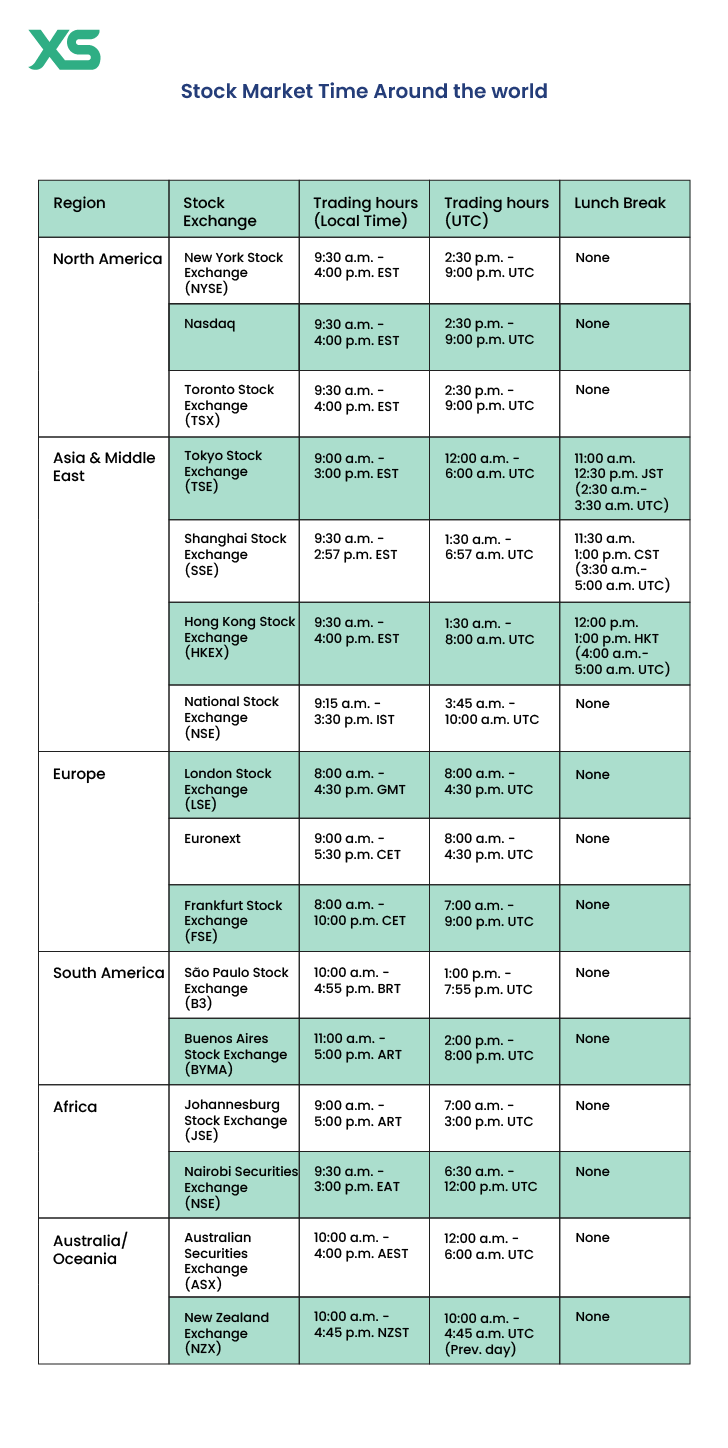
While U.S. market hours are set domestically, they operate within a globally interconnected financial system. The 9:30 AM to 4:00 PM ET window allows for some overlap with European markets in their afternoon sessions and precedes the opening of Asian markets, creating a continuous chain of trading activity across different time zones. This overlap facilitates cross-border capital flows and enables investors to react to global economic news without excessively long delays.
Impact on Investor Behavior and Strategy
Market hours also profoundly influence investor behavior and strategy. Day traders, for example, rely entirely on the daily fluctuations within standard trading hours. Long-term investors, while less focused on minute-to-minute movements, still benefit from the robust liquidity and transparent pricing during the regular session.
The periods around the opening and closing bells are often characterized by heightened volatility and trading volume, as investors react to overnight news or position themselves for the next day. This “power hour” at the end of the day, and the initial rush at the open, are often targeted by active traders seeking to capitalize on these specific dynamics.
Strategic Considerations for Traders and Investors
Understanding Nasdaq’s opening and closing times is more than just knowing a schedule; it’s about developing an informed strategy for engagement.
Volatility Around Open and Close
The first and last hour of the trading day are often the most volatile. At the opening, accumulated overnight news, pre-market activity, and fresh investor sentiment collide, leading to sharp price movements and high trading volumes. Many professional traders either avoid these volatile periods or specialize in strategies designed to capitalize on them.
Similarly, the closing hour sees increased activity as traders close positions, institutions rebalance portfolios, and options contracts expire. This “power hour” can also present significant opportunities and risks. For less experienced investors, observing these periods rather than actively trading in them might be a prudent approach.
Utilizing Trading Hours for Different Strategies
- Day Trading: Relies exclusively on intraday price movements within standard trading hours, often leveraging the volatility around the open and close.
- Swing Trading: Focuses on capturing short-to-medium term gains over a few days or weeks, meaning market hours are important for entry and exit points, but not necessarily for continuous monitoring.
- Long-Term Investing: For buy-and-hold investors, the precise timing of the market opening or closing is less critical than fundamental analysis. However, understanding typical market liquidity during standard hours ensures efficient execution of larger orders.
- News-Based Trading: For those reacting to earnings or economic reports, pre-market and after-hours trading can be critical, though with the associated risks of lower liquidity.
Each strategy dictates a different level of engagement with the market’s clock. Regardless of the strategy, a basic understanding of market hours is essential for responsible trading.
Tools and Resources for Tracking Market Hours
In today’s digital age, numerous tools and resources are available to help investors keep track of market hours:
- Brokerage Platforms: Most online brokerage accounts display current market status (open/closed) and often provide countdown timers to the next open or close.
- Financial News Websites: Reputable sites like Bloomberg, Reuters, The Wall Street Journal, and CNBC frequently publish market hours, holiday schedules, and news affecting trading times.
- Stock Market Apps: Many mobile applications provide real-time market data, including trading hours and alerts.
- Official Exchange Websites: The Nasdaq official website (nasdaq.com) is the definitive source for current and upcoming market holidays and operational schedules.
By leveraging these resources, investors can ensure they are always informed about when the Nasdaq is open for business, empowering them to make timely and well-informed decisions in the dynamic world of investing.
In conclusion, knowing “when does the Nasdaq open” is far more than a simple fact; it’s a gateway to understanding market dynamics, liquidity, risk, and strategic trading. From the precise 9:30 AM ET opening bell to the 4:00 PM ET close, and the extended hours that bookend the regular session, each period offers unique opportunities and challenges. By grasping these fundamental timings and their implications, investors can navigate the Nasdaq with greater confidence and make more effective financial decisions.
aViewFromTheCave is a participant in the Amazon Services LLC Associates Program, an affiliate advertising program designed to provide a means for sites to earn advertising fees by advertising and linking to Amazon.com. Amazon, the Amazon logo, AmazonSupply, and the AmazonSupply logo are trademarks of Amazon.com, Inc. or its affiliates. As an Amazon Associate we earn affiliate commissions from qualifying purchases.