
Understanding the operating hours of financial markets is fundamental for every investor, from the seasoned day trader to the long-term passive investor. While the popular image of a bustling trading floor and the ringing of the opening and closing bells might suggest a straightforward schedule, the reality of market operations is more nuanced, encompassing regular hours, extended sessions, and various global schedules. Grasping these intricacies is crucial for making informed investment decisions, executing trades effectively, and managing risk.
Understanding Standard Stock Market Trading Hours
For most individual investors in the United States, “the stock market” primarily refers to the New York Stock Exchange (NYSE) and the Nasdaq Stock Market (NASDAQ). These two major exchanges facilitate the trading of the vast majority of publicly listed American companies. Their standard operating hours define the core trading day when liquidity is highest and price discovery is most efficient.
Regular Session: NYSE and NASDAQ
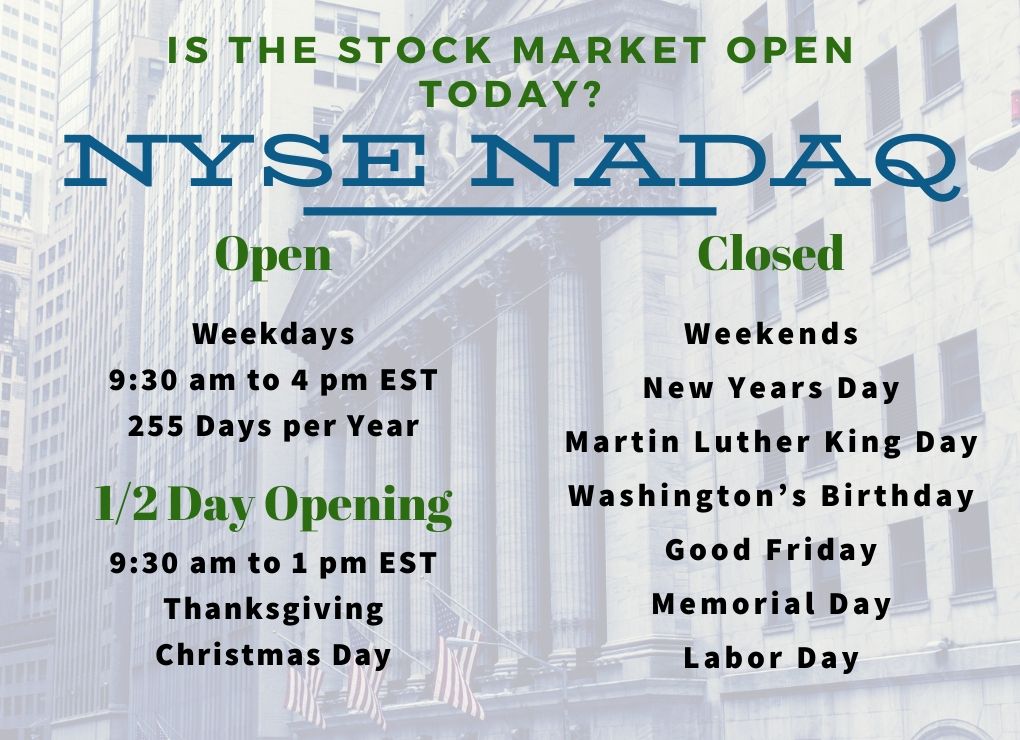
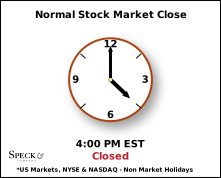
The regular trading session for both the NYSE and NASDAQ runs from 9:30 AM Eastern Time (ET) to 4:00 PM ET, Monday through Friday. This six-and-a-half-hour window is often referred to as “market hours” or the “cash session.” During these hours, the exchanges are fully operational, processing millions of trades daily.
The significance of these hours cannot be overstated. This is when the majority of trading volume occurs, leading to tighter bid-ask spreads and generally greater liquidity. Major news events, earnings releases, and economic data are often strategically scheduled to occur either before the market opens or after it closes to allow participants to digest the information before trading resumes, thereby aiming to minimize extreme volatility during active trading. However, the first and last hours of the regular session are frequently characterized by heightened activity and volatility, often referred to as the “opening print” and “closing print.” The opening bell marks the formal start of trading, allowing orders accumulated overnight to be executed, while the closing bell signals the end of the official trading day, with a flurry of activity as participants square off positions or participate in the closing auction.
Weekends and Holidays: When Markets Are Shut
Beyond the daily closing time, investors must also be aware of periods when the markets are completely shut. The NYSE and NASDAQ observe all federal holidays, and occasionally, other days as well. On these days, no trading occurs, and all market functions cease until the next scheduled trading day. This is a critical point for investors to consider, especially when anticipating news or economic data that might be released during a market holiday.
Common holidays on which U.S. stock markets are closed include:
- New Year’s Day (January 1)
- Martin Luther King, Jr. Day (third Monday in January)
- Presidents’ Day (third Monday in February)
- Good Friday (varies, usually March or April)
- Memorial Day (last Monday in May)
- Juneteenth National Independence Day (June 19)
- Independence Day (July 4)
- Labor Day (first Monday in September)
- Thanksgiving Day (fourth Thursday in November)
- Christmas Day (December 25)
It’s important to note that if a holiday falls on a weekend, the market typically observes it on the preceding Friday or the following Monday. For example, if Christmas Day falls on a Saturday, the market might be closed on Friday, December 24th, or the following Monday, December 27th, depending on the official observation. Always consult the official exchange holiday calendar for precise dates.
Beyond the Bell: Pre-Market and After-Hours Trading
While 9:30 AM to 4:00 PM ET defines the regular trading session, the stock market’s activity extends well beyond these hours through pre-market and after-hours trading. These extended sessions allow investors to react to news and events that occur outside of standard market hours, providing opportunities but also presenting unique challenges.
Navigating Pre-Market Sessions
Pre-market trading typically begins as early as 4:00 AM ET and runs until 9:30 AM ET. During this period, trading occurs electronically, primarily through Electronic Communication Networks (ECNs) rather than the physical exchange floors.
The characteristics of pre-market trading differ significantly from the regular session. It generally exhibits lower liquidity, meaning there are fewer buyers and sellers actively participating. This reduced liquidity can lead to higher volatility and wider bid-ask spreads, making it more challenging to execute trades at desired prices. However, it also offers a chance for investors to act on news released overnight or early in the morning, potentially positioning themselves ahead of the official market open. For instance, a company announcing better-than-expected earnings before the market opens might see its stock price surge in pre-market trading, offering an early opportunity for some investors.
Exploring After-Hours Trading
After-hours trading picks up immediately after the regular session closes at 4:00 PM ET and can extend as late as 8:00 PM ET. Similar to pre-market trading, this session is conducted electronically via ECNs.
After-hours trading shares many characteristics with pre-market sessions: lower liquidity, increased volatility, and wider spreads. This is often the time when companies release their quarterly earnings reports, make significant corporate announcements, or when major economic data is published. Investors might choose to trade after hours to react to such news, aiming to capitalize on immediate price movements. However, the same risks associated with pre-market trading apply—namely, the difficulty of executing large orders without significantly impacting the price and the potential for greater price swings due to limited participation.
Electronic Communication Networks (ECNs) and Their Role
ECNs are automated systems that match buy and sell orders electronically. They play a crucial role in facilitating extended-hours trading by providing a platform for investors to trade outside the traditional exchange hours. Unlike traditional exchanges where human market makers might provide liquidity, ECNs simply match existing orders, which contributes to the lower liquidity often seen in pre-market and after-hours sessions. Understanding that trading in these extended hours is often a transaction between individual participants rather than through a central market maker is key to understanding the potential for price discrepancies and reduced order flow.
Global Perspectives: International Market Hours and Time Zones
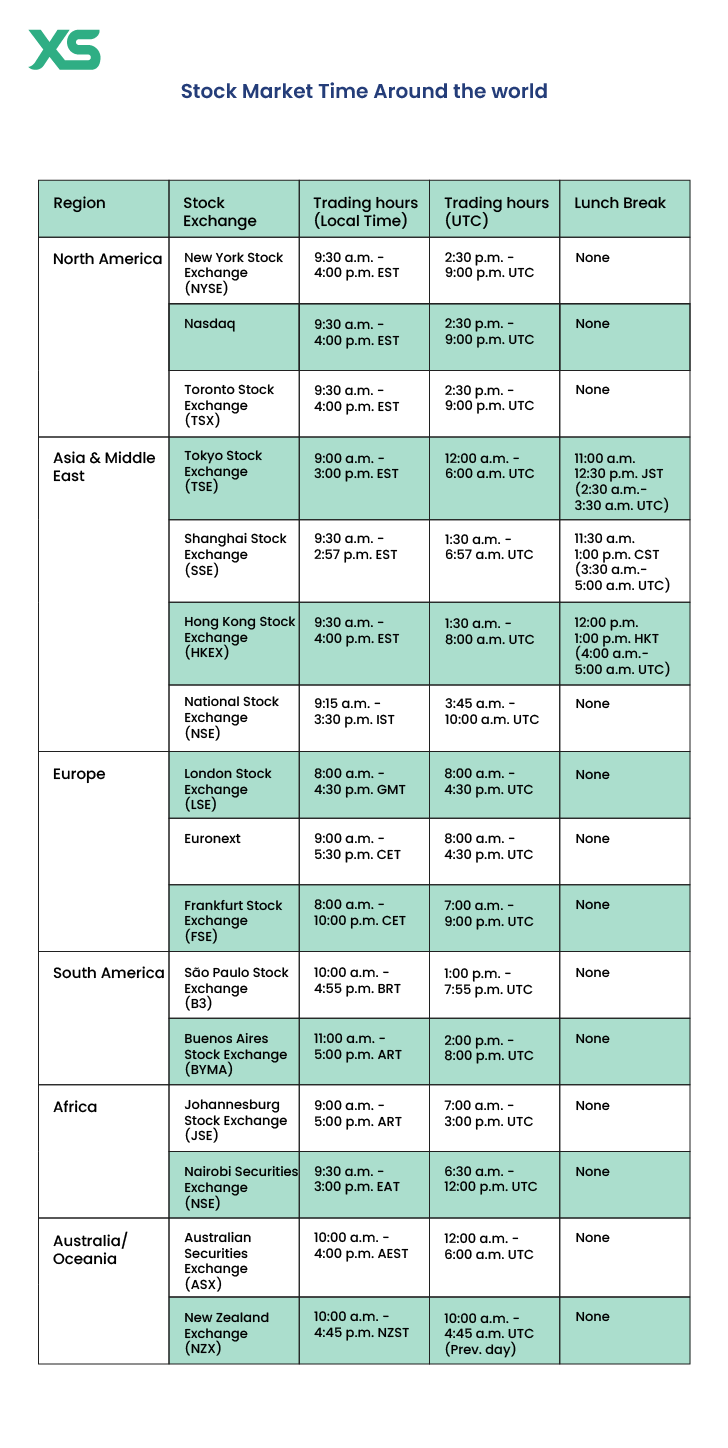
While the focus for many U.S.-based investors is naturally on NYSE and NASDAQ hours, “the stock market” is a global entity operating across different time zones. Major exchanges around the world each have their own specific opening and closing times, creating an almost continuous cycle of equity trading somewhere on the planet.
Key Global Trading Hubs and Their Schedules
Major international exchanges include:
- London Stock Exchange (LSE): Typically operates from 8:00 AM to 4:30 PM GMT (Greenwich Mean Time).
- Tokyo Stock Exchange (TSE): Generally trades from 9:00 AM to 3:00 PM JST (Japan Standard Time), with a lunch break from 11:30 AM to 12:30 PM.
- Shanghai Stock Exchange (SSE): Operates from 9:30 AM to 3:00 PM CST (China Standard Time), also with a lunch break.
- Deutsche Börse (XTRA/Frankfurt): Typically runs from 9:00 AM to 5:30 PM CET (Central European Time).
The distinct closing times of these global markets are crucial for international investors or those trading global ETFs and ADRs (American Depositary Receipts). For example, significant news from Asia might impact European markets when they open, and then subsequently influence U.S. markets. This interconnectedness means that even when the U.S. market is closed, global events can be shaping the sentiment and positioning for the next U.S. trading day.
The 24/5 Nature of Forex and Crypto Markets (Contrast)
It’s important to contrast equity market hours with other financial assets. For instance, the foreign exchange (forex) market operates 24 hours a day, five days a week, continuously from Sunday evening ET through Friday afternoon ET, as trading shifts between major financial centers globally (Sydney, Tokyo, London, New York). Cryptocurrency markets, on the other hand, operate 24 hours a day, seven days a week, without any official closing times or holidays, reflecting their decentralized and global nature. This “always-on” characteristic of forex and crypto markets highlights the more structured and regulated operating hours of traditional stock exchanges.
Strategic Implications of Market Hours for Investors
Understanding when markets close, and when they are open for extended sessions, has significant strategic implications for investors. It influences how orders are placed, how news is reacted to, and how risk is managed.
Impact on Order Execution and Volatility
The closing bell, much like the opening bell, often sees increased trading volume and volatility. Investors placing market orders near the close might experience price discrepancies due to this heightened activity. Limit orders, which specify a maximum or minimum price, offer more control during volatile periods but risk not being executed if the specified price isn’t met. The closing price itself is a crucial data point used for calculating daily returns and often influences the sentiment for the next day’s trading.
Planning Around Earnings Reports and Economic Data Releases
Many public companies strategically release their quarterly earnings reports and other significant news outside of regular trading hours—either before the market opens or after it closes. This practice aims to give investors and analysts time to process the information before reactivating trading. Astute investors track these release schedules closely, as they often drive significant price movements in pre-market or after-hours trading, setting the tone for the next regular session. Similarly, key economic data (e.g., inflation reports, jobs numbers) are often released at 8:30 AM ET, before the market open, to allow for a more orderly reaction.
Managing Risk in Extended Trading Sessions
While pre-market and after-hours trading offer flexibility, they also come with amplified risks. The lower liquidity means that executing large orders can be difficult and may move the stock price against the investor. Wider bid-ask spreads mean that the difference between the price buyers are willing to pay and sellers are willing to accept is greater, translating to higher transaction costs. Furthermore, since fewer participants are involved, sudden news can cause dramatic and swift price changes, making it challenging for individual investors to react effectively. Therefore, caution and a clear understanding of order types (e.g., using limit orders instead of market orders) are paramount when trading in extended hours.
When Markets Close Early: Half-Day Sessions
In addition to full holidays, U.S. stock markets also occasionally observe half-day sessions, where trading concludes earlier than the standard 4:00 PM ET. These shortened days are typically associated with holidays or specific events.
Navigating Half-Day Trading
Common instances of half-day trading include:
- The day before Independence Day (if it falls on a weekday)
- The day after Thanksgiving (Black Friday)
- Christmas Eve (if it falls on a weekday)
On these days, the market might close at 1:00 PM ET, significantly shortening the regular trading window. For investors, this means being acutely aware of these altered schedules, as it impacts the time available for order placement, execution, and reaction to any news that might break during the shortened day. Liquidity can still be robust during the shortened session, but volume often tapers off rapidly as the early close approaches, and volatility can be pronounced in the final hour of trading. Always consult the official exchange calendar to avoid surprises and plan trading strategies accordingly.
In conclusion, knowing what times the stock market closes extends far beyond the 4:00 PM ET bell. It involves understanding the nuances of regular hours, the opportunities and risks of extended sessions, the global context of international markets, and the specific strategic considerations for effective investment management. A comprehensive grasp of these schedules is an indispensable tool for any financially astute individual.
aViewFromTheCave is a participant in the Amazon Services LLC Associates Program, an affiliate advertising program designed to provide a means for sites to earn advertising fees by advertising and linking to Amazon.com. Amazon, the Amazon logo, AmazonSupply, and the AmazonSupply logo are trademarks of Amazon.com, Inc. or its affiliates. As an Amazon Associate we earn affiliate commissions from qualifying purchases.