
The New York Stock Exchange (NYSE) stands as an undisputed titan of global finance, a symbol of American capitalism, and the world’s largest stock exchange by market capitalization. For countless investors, traders, and financial professionals worldwide, understanding its operational hours is not merely a logistical detail but a critical component of informed decision-making. These hours dictate when orders can be placed, when trades execute, and when the vast ocean of capital truly comes alive. Delving into the specific timeframe the NYSE operates offers a foundational understanding for anyone looking to navigate the complex yet rewarding world of investing, whether you’re a seasoned institutional investor or just beginning your journey into personal finance.

The rhythm of the NYSE sets the pace for much of the global equity market. Its opening and closing bells are more than ceremonial; they mark the definitive boundaries of the primary trading session, influencing liquidity, volatility, and information flow. But the concept of “NYSE hours” extends beyond just the standard trading day, encompassing crucial pre-market and after-hours sessions, as well as an intricate calendar of holidays and special closures. Mastering these nuances is essential for managing risk, capitalizing on opportunities, and developing a robust investment strategy.
Understanding the Core Trading Day
At the heart of the NYSE’s operations is its standard trading day, a defined period when the vast majority of transactions occur. This traditional window is where market forces are most concentrated, and the interplay of buyers and sellers generates the price movements that define daily market performance.
Standard Market Schedule
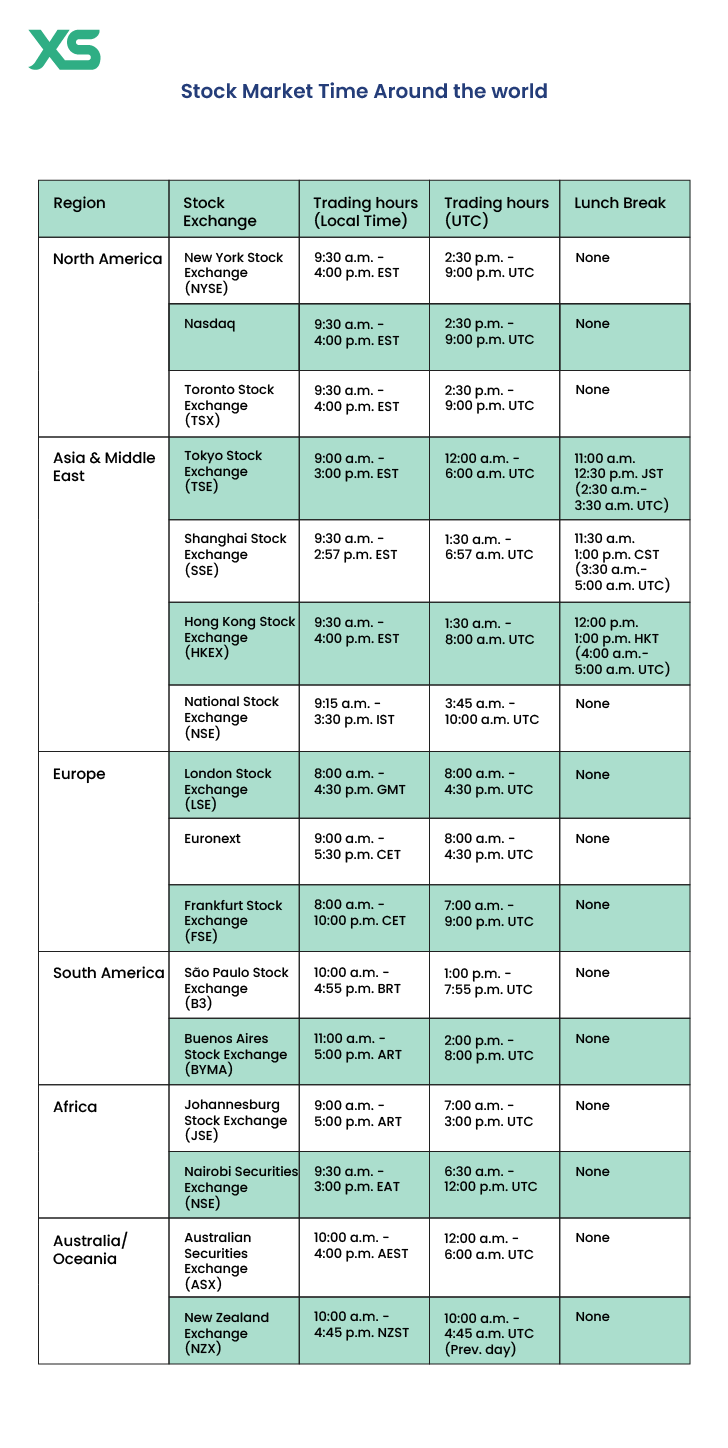
The standard operating hours for the New York Stock Exchange are from 9:30 AM to 4:00 PM Eastern Time (ET), Monday through Friday. This six-and-a-half-hour window constitutes the “regular trading session” or “core trading hours.” During this period, the iconic trading floor hums with activity, and electronic order books process millions of transactions per second. This consistent schedule provides a predictable framework for market participants, allowing for planning and execution of trading strategies.
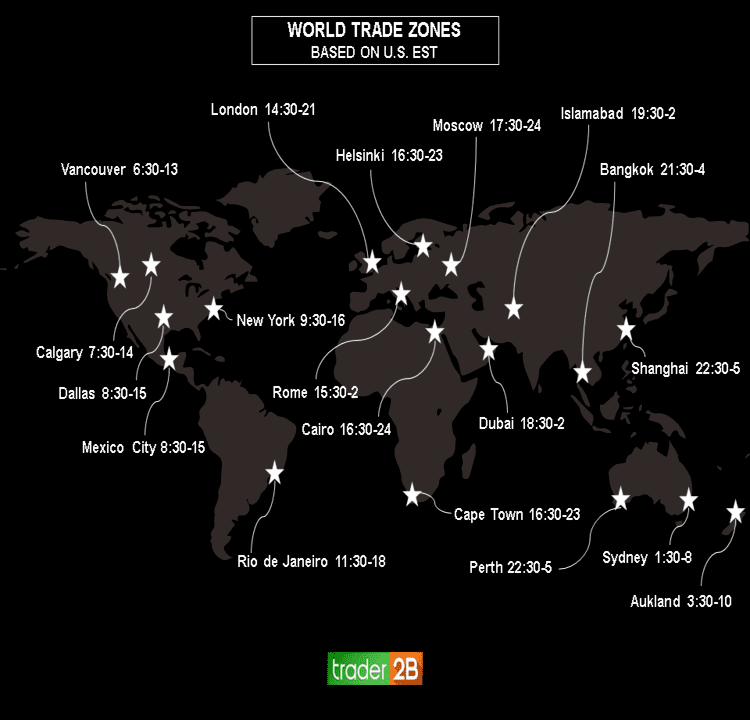
It’s crucial for investors to remember that all times refer to Eastern Time. For those located in different time zones, converting to ET is a fundamental step in ensuring timely market participation. For instance, an investor on the West Coast of the United States (Pacific Time) would observe the market opening at 6:30 AM PT and closing at 1:00 PM PT. Similarly, international investors must account for significant time differences, which can sometimes mean trading in the middle of their night.
The Rationale Behind Fixed Hours
The concept of fixed trading hours, while seemingly conventional today, has deep historical roots and serves several critical purposes for market stability and efficiency. Historically, trading was a physical endeavor, requiring all participants to be present, hence the need for a common timeframe. While technology has largely automated the process, the fixed hours persist for robust reasons:
- Orderly Market Function: Defined hours help concentrate liquidity, ensuring there’s a sufficient volume of buyers and sellers to facilitate fair and efficient price discovery. Without fixed hours, liquidity could become fragmented and thin, leading to greater price volatility and wider bid-ask spreads.
- Information Processing: The period outside trading hours provides a crucial window for investors to digest news, financial reports, economic data, and corporate announcements without immediate market pressure. This allows for more considered reactions when the market reopens.
- Operational Management: Fixed hours allow brokerage firms, clearinghouses, and regulatory bodies to perform essential back-office functions, such as trade settlement, risk management, and system maintenance, without interrupting live trading.
- Investor Protection: By limiting the trading window, regulators can better monitor market activity for manipulation or unfair practices.
Impact on Day Traders and Long-Term Investors
The standard NYSE hours hold different implications for various types of investors:
- Day Traders: For day traders, who aim to profit from intra-day price movements and close all positions before the market closes, the 9:30 AM to 4:00 PM ET window is their entire universe. Their strategies are meticulously timed around the market open (often characterized by high volatility and volume) and market close, as well as key news events occurring within this period. Precise timing and real-time data are paramount for this group.
- Long-Term Investors: While long-term investors (those holding assets for months, years, or even decades) are less concerned with minute-by-minute price fluctuations, the standard hours are still relevant. Major news affecting their portfolio companies is often released before market open or after market close, providing an opportunity to reassess their positions. During market hours, they can execute buy or sell orders for rebalancing, dividend reinvestment, or responding to significant, lasting shifts in market sentiment. Understanding the core hours helps them know when their orders will most likely be filled at competitive prices due to higher liquidity.
Navigating Pre-Market and After-Hours Trading
While the core trading day defines the primary action, the NYSE’s influence extends beyond these conventional hours through pre-market and after-hours trading sessions. These extended periods offer both unique opportunities and heightened risks for informed investors.
The Dynamics of Pre-Market Sessions
Pre-market trading typically begins around 4:00 AM ET and runs until the market opens at 9:30 AM ET. During this window, institutional investors, professional traders, and increasingly, retail investors, can execute trades before the general public has access to the full market.
- Key Drivers: Pre-market activity is often driven by corporate earnings reports, significant economic data releases, or major news announcements that occur overnight or early in the morning. A company reporting better-than-expected earnings before the market opens might see its stock price jump significantly in pre-market trading, signaling a strong opening once regular hours commence.
- Lower Liquidity, Higher Volatility: The most significant characteristic of pre-market trading is its thinner liquidity compared to the regular session. Fewer participants mean that relatively small orders can have a disproportionately large impact on stock prices, leading to increased volatility and wider bid-ask spreads. This can be a double-edged sword: it offers opportunities for swift gains but also carries higher risks of unfavorable price execution.
- Limited Access: While many online brokerages offer pre-market trading capabilities, access can vary. Investors need to ensure their broker supports these extended hours and understand any associated fees or order limitations.
Opportunities and Risks in After-Hours Trading
After-hours trading typically commences right after the market closes at 4:00 PM ET and can extend until 8:00 PM ET. Similar to pre-market, this period allows for transactions outside the standard session.
- News Reactions: Corporate announcements, particularly earnings reports and guidance updates, are frequently released immediately after the market closes. After-hours trading provides an immediate avenue for investors to react to this information, rather than waiting until the next trading day. Political developments, global events, or late-breaking news can also fuel after-hours activity.
- Flexibility for Global Investors: For investors in significantly different time zones, after-hours trading can offer a more convenient window to participate in the U.S. market without having to stay up late or wake up early.
- Increased Risk: Just like pre-market trading, after-hours sessions are characterized by lower liquidity and higher volatility. Spreads can be wider, and it might be harder to get an order filled at the desired price. Furthermore, important news can sometimes be released during after-hours, leading to rapid price swings that are difficult for individual investors to track and react to effectively. The absence of traditional market makers and the more fragmented nature of order flow contribute to these risks.
How Electronic Communication Networks (ECNs) Facilitate Extended Trading
The advent of Electronic Communication Networks (ECNs) has been pivotal in enabling pre-market and after-hours trading. Before ECNs, most trading occurred on physical exchanges or through direct phone calls between brokers. ECNs are automated systems that match buy and sell orders electronically, bypassing traditional brokers and exchanges. They operate 24/7 or for extended hours, providing the infrastructure for trading outside the standard NYSE session.
When you place a pre-market or after-hours order through your brokerage, it is often routed through an ECN. These networks pool orders from various participants, creating a digital marketplace that allows for continuous price discovery even when the NYSE trading floor is quiet. Understanding that ECNs are distinct from the primary exchange during these extended hours helps explain the difference in liquidity and trading dynamics.
Market Holidays and Special Closures
Understanding the regular trading hours is only part of the equation; investors must also be aware of when the NYSE is completely closed or operates on a reduced schedule. These planned interruptions are crucial for financial planning and avoiding missed opportunities or unexpected delays.
Recognizing Key NYSE Holidays
The NYSE observes a set calendar of federal holidays, during which the market is fully closed. These closures are typically aligned with U.S. national holidays and are consistent year after year, though specific dates may shift slightly for holidays that fall on a weekend.
Common NYSE Holidays include:
- New Year’s Day (January 1)
- Martin Luther King, Jr. Day (Third Monday in January)
- Washington’s Birthday / Presidents’ Day (Third Monday in February)
- Good Friday (Friday before Easter)
- Memorial Day (Last Monday in May)
- Juneteenth National Independence Day (June 19)
- Independence Day (July 4)
- Labor Day (First Monday in September)
- Thanksgiving Day (Fourth Thursday in November)
- Christmas Day (December 25)
If a holiday falls on a Saturday, the market may close on the preceding Friday. If it falls on a Sunday, the market may close on the following Monday. The NYSE officially publishes its holiday schedule well in advance on its website, which is an invaluable resource for investors.
Early Closures and Unforeseen Interruptions
Beyond full-day holidays, the NYSE also observes certain days with early closures. These typically occur on the day before or after major holidays, such as the Friday after Thanksgiving (Black Friday) or Christmas Eve. On these days, the market might close at 1:00 PM ET instead of the usual 4:00 PM ET. These shortened sessions still offer trading opportunities but with a condensed timeframe and often reduced liquidity, requiring investors to adjust their strategies accordingly.
In rarer instances, the market may experience unscheduled closures or delays due to unforeseen circumstances. These could include:
- Severe Weather Events: Major snowstorms or hurricanes that affect New York City can sometimes lead to market closures or delayed openings for the safety of employees and the integrity of operations.
- National Emergencies: Events of national significance, such as major crises or historical tragedies, have historically led to market closures to allow for reflection and to prevent panic selling or buying.
- Technical Glitches: While extremely rare, significant technical failures in market infrastructure could theoretically lead to temporary halts or closures.
The NYSE has established protocols for communicating such events promptly through financial news outlets and its official channels.
Planning Your Investments Around Market Downtime
Awareness of market holidays and special closures is vital for effective financial planning:
- Order Placement: If you place an order on a day the market is closed, it will not execute until the next open trading day. This can be critical for time-sensitive strategies.
- Settlement Times: Trade settlements (the actual transfer of securities and cash) typically take two business days (T+2). Market closures extend this period. If you sell shares on a Wednesday before a long weekend, your funds might not settle until the following Tuesday, impacting your ability to reinvest or withdraw cash.
- Dividend Payments: Dividend payment schedules are usually fixed, but if a payment date falls on a market holiday, the payment might be processed on the next business day.
- News Reactions: Major economic data or corporate news might still be released on a market holiday. While you cannot trade immediately, being aware allows you to formulate your strategy for when the market reopens.
Why NYSE Hours Matter for Your Investment Strategy
Beyond the mechanics, the NYSE’s operating hours profoundly impact various facets of investment strategy, from liquidity management to global market synchronization and access to critical information.
Liquidity and Volatility Considerations
The most significant implication of NYSE hours for individual investors is their direct link to market liquidity and volatility.
- High Liquidity During Core Hours: The regular trading session (9:30 AM – 4:00 PM ET) offers the highest liquidity. With the maximum number of buyers and sellers participating, it’s generally easier to buy or sell securities at competitive prices. This high volume minimizes the bid-ask spread (the difference between the highest price a buyer is willing to pay and the lowest price a seller is willing to accept), making transactions more efficient. For most retail investors, placing orders during these hours is advisable to ensure better execution prices.
- Increased Volatility at Open and Close: The first and last hour of the trading day are often the most volatile. The market open sees a surge of orders accumulated overnight, reacting to pre-market news. The market close sees traders squaring off positions, last-minute order placements, and institutional adjustments. This heightened volatility can present opportunities for short-term traders but also carries increased risk for those unfamiliar with these dynamics.
- Lower Liquidity in Extended Hours: As discussed, pre-market and after-hours trading have significantly lower liquidity. This means fewer participants, wider bid-ask spreads, and the potential for a single large order to dramatically move a stock’s price. While offering flexibility, investors must exercise caution and potentially use limit orders (which only execute at a specified price or better) to protect themselves from adverse price movements.
Synchronizing Global Markets
The NYSE’s hours, along with those of other major global exchanges, create a complex tapestry of overlapping and sequential trading windows that impact international investment strategies.
- Interconnectedness: While the NYSE is closed, other major markets, like those in Asia and Europe, are often active. News and economic data emerging from these regions can significantly influence U.S. futures markets and set the tone for the NYSE’s opening. For example, a major economic announcement from China or a policy decision by the European Central Bank can cause ripple effects that U.S. investors will observe in pre-market trading or upon the NYSE’s opening.
- Currency and Commodities: The hours also indirectly affect related markets such as foreign exchange (Forex) and commodities (like oil and gold), which often trade globally on extended or near 24-hour schedules. Price movements in these markets outside NYSE hours can indicate potential pressures on U.S. equities tied to these sectors.
- International Investment Opportunities: For investors looking to diversify internationally, understanding the overlapping hours is key. For example, when the NYSE closes, many European markets are still active for a few hours. This allows for continuous monitoring of global portfolio components.
The Importance of Real-Time Information
In today’s fast-paced financial world, information is currency, and the timing of its release relative to market hours is paramount.
- News Cycle Alignment: Many public companies strategically release earnings reports, press releases, and other market-moving news either before the market opens (e.g., 7:00-8:00 AM ET) or after it closes (e.g., 4:15-5:00 PM ET). This allows investors and analysts time to process the information without the pressure of immediate trading, theoretically leading to more rational reactions when trading resumes.
- Economic Data Releases: Key economic indicators (e.g., inflation reports, jobs data, GDP figures) are typically released at specific times, often 8:30 AM ET, just before the market opens. Investors must factor these releases into their pre-market analysis and trading plans.
- Informed Decision Making: Understanding when information will likely come out in relation to trading hours enables investors to position themselves to react promptly and intelligently. Staying updated with a financial calendar that lists corporate earnings and economic releases is crucial. Relying on outdated or delayed information can lead to poor investment choices, especially in volatile market conditions.
Tools and Strategies for Monitoring Market Hours
For any investor serious about navigating the financial markets, developing a systematic approach to monitoring NYSE hours and related market activity is indispensable. This involves utilizing modern financial tools and cultivating disciplined routines.
Utilizing Financial News Platforms
In the digital age, a wealth of financial news and data platforms offer real-time information and market insights that are invaluable for tracking market hours and anticipating shifts.
- Major Financial News Outlets: Reputable sources like Bloomberg, Reuters, The Wall Street Journal, CNBC, and Yahoo Finance provide continuous coverage, including real-time quotes, breaking news, market analysis, and economic calendars. Many offer mobile apps and customizable alerts for key market events or company-specific news.
- Market Calendars: Most financial platforms feature detailed market calendars that list upcoming economic reports, corporate earnings announcements, dividend dates, and, crucially, market holidays and early closures. Regularly consulting these calendars ensures you are aware of when the market will be active or closed.
- Pre-Market and After-Hours Scanners: Some advanced platforms offer scanners that identify significant price movements and volume surges in pre-market and after-hours trading, helping investors spot potential catalysts before the main session begins.
Brokerage Tools and Alerts
Your online brokerage platform is not just for placing trades; it’s a powerful tool for monitoring market hours and managing your investments.
- Real-Time Quotes and Charts: Most brokerages offer real-time stock quotes, interactive charts, and level II data (showing bid and ask prices from various market participants), which are essential for understanding current market sentiment and price action during trading hours.
- Customizable Alerts: Set up price alerts for specific stocks or indices, news alerts for companies in your portfolio, and market open/close notifications. These alerts can be delivered via email or push notifications to your mobile device, ensuring you stay informed even when you’re not actively watching the market.
- Order Types: Familiarize yourself with different order types (market order, limit order, stop-loss order, trailing stop order). Limit orders are particularly useful for pre-market and after-hours trading to ensure your trade executes only at or better than a specified price, protecting you from unfavorable price swings in illiquid conditions.
Developing a Disciplined Trading Routine
Beyond tools, a disciplined approach to managing your interaction with market hours is key to long-term success in investing.
- Pre-Market Preparation: Dedicate time before the market opens to review news, analyze pre-market movers, and check for any overnight developments that could impact your portfolio or watch list. Formulate a plan for the day, even if it’s just to monitor.
- During Market Hours: If actively trading, stick to your strategy. Avoid impulsive decisions driven by short-term volatility. For long-term investors, this is when you might execute planned rebalancing or respond to significant, sustained market shifts.
- After-Hours Review: After the market closes, review your day’s trades, assess overall market performance, and check for any post-market news releases. This allows for reflection and preparation for the next trading day without the pressure of live market action.
- Respect Market Downtime: Utilize market holidays and weekends not just for rest, but for deeper research, portfolio analysis, and long-term strategy adjustment without the distraction of daily price movements. Understanding that markets are closed allows you to set realistic expectations for when your orders will be filled and when capital becomes available.
In conclusion, understanding “what are the NYSE hours” is far more than knowing when the market opens and closes. It’s about grasping the intricate rhythms of finance – the ebb and flow of liquidity, the dance of volatility, the strategic release of information, and the global interconnectedness of capital. By mastering these hours and employing the right tools and disciplines, investors can position themselves for greater success, making informed decisions that align with their financial goals within the dynamic world of the New York Stock Exchange.
aViewFromTheCave is a participant in the Amazon Services LLC Associates Program, an affiliate advertising program designed to provide a means for sites to earn advertising fees by advertising and linking to Amazon.com. Amazon, the Amazon logo, AmazonSupply, and the AmazonSupply logo are trademarks of Amazon.com, Inc. or its affiliates. As an Amazon Associate we earn affiliate commissions from qualifying purchases.