
Experiencing grief is a deeply personal journey, but when it impacts our professional lives, navigating the workplace and offering support requires a delicate balance of empathy, professionalism, and practical understanding. The demands of a career rarely pause for personal tragedy, leaving individuals to manage immense emotional pain alongside work responsibilities. This can be particularly challenging when colleagues or team members are the ones experiencing grief. Understanding how to offer appropriate support without overstepping boundaries, while acknowledging the unique pressures of the professional environment, is crucial for fostering a compassionate and productive workplace.
This article, drawing on the core principles of technology, branding, and finance, aims to equip you with the insights and language to effectively support a grieving colleague. We’ll explore how to approach these sensitive conversations, the importance of creating a supportive professional brand, and how financial considerations can intersect with grief in the workplace.
Understanding the Professional Landscape of Grief
Grief, at its core, is a natural response to loss. However, the professional world introduces a distinct set of considerations. Unlike the often private sphere of personal life, grief at work can be observed, judged, and may even impact team dynamics and productivity. This doesn’t diminish the validity of the grief, but it does necessitate a different approach to support.
The Impact of Grief on Professional Performance
When someone is grieving, their cognitive functions can be significantly impaired. Concentration, memory, decision-making, and emotional regulation can all be affected. This can manifest in various ways professionally:
- Reduced Productivity: Tasks that were once routine may become overwhelming. Deadlines might be missed, and the quality of work could decline.
- Increased Errors: A lack of focus can lead to a higher incidence of mistakes.
- Withdrawal and Isolation: A grieving individual might pull back from team interactions, avoiding meetings or social events, impacting collaboration.
- Emotional Volatility: While not always overt, suppressed emotions can surface unexpectedly, leading to frustration or uncharacteristic reactions.
- Absenteeism or Presenteeism: Some individuals may take time off (absenteeism), while others might come to work despite not being fully capable (presenteeism), potentially exacerbating their struggles.
Professionalism and Emotional Expression
The workplace often operates under unwritten rules about emotional expression. While a degree of emotional intelligence is valued, overt displays of intense grief can sometimes be met with discomfort or uncertainty from colleagues who are unsure how to respond. This is where our understanding of professional communication and brand comes into play. It’s not about suppressing emotions, but about communicating them in a way that is understood and managed within the professional context.
The Role of Leadership and HR
Management and Human Resources departments play a pivotal role in setting the tone for how grief is handled within an organization. Their policies and attitudes towards employee well-being, mental health support, and flexible work arrangements can significantly influence the experience of a grieving employee. A proactive and empathetic approach from leadership can normalize conversations around grief and encourage a supportive environment.
Crafting Empathetic and Professional Communication
The question “what to say” is often fraught with anxiety. The fear of saying the wrong thing can lead to saying nothing at all, which can be more detrimental. The key is to be genuine, concise, and offer practical support.
H2: The Art of the Simple Acknowledgment
Often, the most impactful words are the simplest. When you learn of someone’s loss, a brief, sincere acknowledgment is a good starting point. Avoid platitudes or attempting to minimize their pain.
H3: What to Say (and What Not to Say)
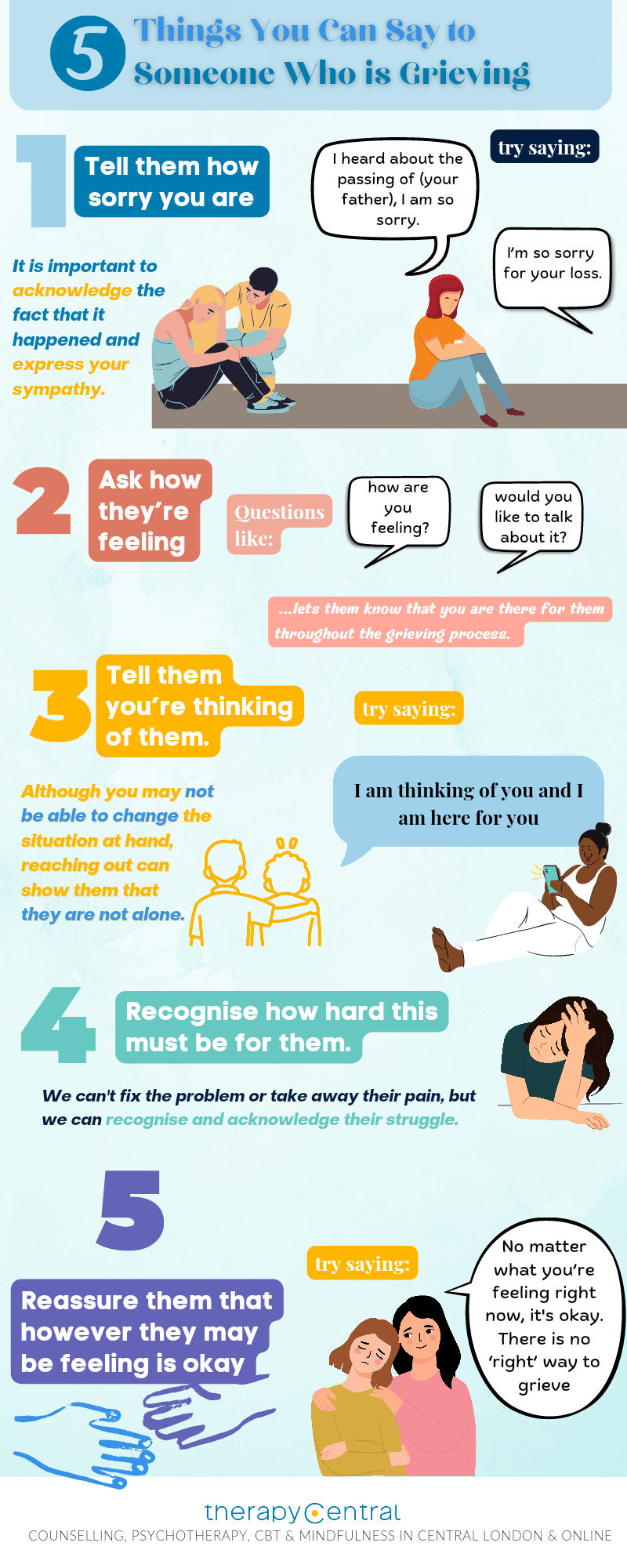
- “I’m so sorry for your loss.” This is universally appropriate and conveys genuine sympathy.
- “I was so sad to hear about [name of deceased/situation].” Personalizing it slightly makes it feel more sincere.
- “I’m thinking of you during this difficult time.” This offers emotional support without demanding a response.
- “Please let me know if there’s anything I can do to help.” This is a crucial offer, but it needs to be followed up with specific suggestions.
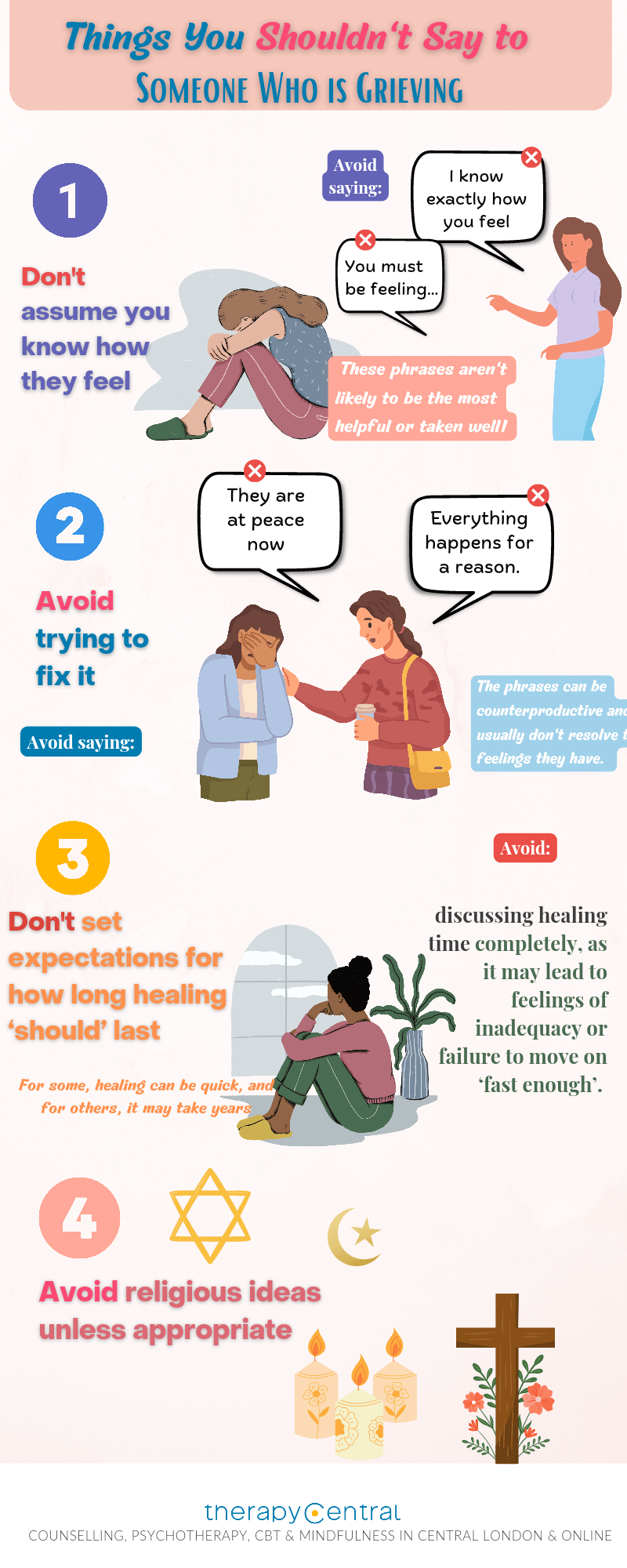
What to avoid:

- “I know how you feel.” Grief is subjective. Unless you have experienced an identical loss, this can feel dismissive.
- “Everything happens for a reason.” This can feel insensitive and invalidating.
- “You need to be strong.” This pressures the grieving person to suppress their emotions.
- Asking intrusive questions about the cause or details of the loss.
- Sharing your own lengthy grief stories. While well-intentioned, this can shift the focus away from the grieving individual.
H2: Offering Practical and Tangible Support
Beyond words, concrete actions can be incredibly valuable in a professional setting. Think about how technology, brand, and financial considerations can inform the types of support you offer.
H3: Leveraging Technology for Support
In today’s digital workplace, technology can be a powerful tool for connection and assistance.
- Shared Task Management: If you’re on a project team, offer to take on a few of their immediate tasks or help them prioritize. Project management software can facilitate this seamless handover. Tools like Asana, Trello, or Monday.com allow for clear task delegation and tracking.
- Communication Channels: Be mindful of their preferred communication methods. If they’re overwhelmed by emails, perhaps a quick instant message or a brief in-person check-in would be better. Platforms like Slack or Microsoft Teams can be used to coordinate team efforts.
- Information Gathering: If they need to access company policies, HR contacts, or information related to bereavement leave, offer to find and compile it for them. This reduces their cognitive load.
- Digital Well-being: Encourage them to disconnect when needed. If their role involves constant digital presence, subtly suggest taking breaks or utilizing “do not disturb” features.
H3: Supporting Their Professional Brand and Reputation
A grieving period can inadvertently impact how someone’s professional brand is perceived. Your support can help maintain their standing and reputation.
- Internal Communication: If appropriate and with their consent, you can subtly manage expectations with other team members or stakeholders. For example, ” [Colleague’s Name] is navigating a personal challenge right now, and we’re all here to support them. We’ll be adjusting project timelines slightly to accommodate this.” This frames their absence or reduced capacity not as a failure, but as a temporary adjustment due to understandable circumstances.
- Protecting Their Work: If you have insight into their ongoing projects, offer to cover for them in meetings or ensure their contributions are acknowledged. This prevents their work from being overlooked or perceived as incomplete.
- Maintaining Professional Image: Help them maintain a professional image by being understanding if they appear tired or distracted. Avoid gossip or sharing observations about their emotional state with others. Your discretion contributes to a safe and supportive professional environment.
H3: Addressing Financial Considerations with Sensitivity
Grief can often be accompanied by significant financial stress, whether due to funeral costs, loss of income, or increased expenses. While you may not be able to solve these issues directly, acknowledging and offering support can be impactful.
- Understanding Company Benefits: Be aware of and discreetly point them towards company resources for bereavement leave, EAP (Employee Assistance Programs) which often offer financial counseling, and any insurance benefits that might be relevant.
- Practical Financial Help (with caution): If you are close to the grieving individual and it feels appropriate, you might offer very specific, practical financial assistance if you are able. This could be a small gift towards expenses or offering to help them navigate benefits paperwork. However, this is highly dependent on your relationship and should be approached with extreme caution and respect.
- Time Off and Flexibility: Advocate for or support flexible work arrangements that can help them manage financial responsibilities or allow them time to grieve without immediate financial pressure. This might involve understanding their need for time off beyond standard bereavement leave.
Building a Culture of Empathy and Resilience
Supporting a grieving colleague isn’t just about individual interactions; it’s about contributing to a broader organizational culture that values well-being and resilience.
H2: The Long-Term Impact of Supportive Actions
Your considerate words and actions can have a lasting positive impact. When an employee feels supported during a difficult time, it fosters loyalty, trust, and a stronger sense of belonging. This, in turn, can lead to:
- Increased Employee Retention: People are more likely to stay with an organization that cares about their well-being.
- Enhanced Team Morale: A supportive environment benefits everyone, creating a more cohesive and empathetic team.
- Improved Productivity in the Long Run: Allowing space for grief and recovery ultimately leads to a more engaged and productive workforce.
H2: Normalizing Conversations Around Grief and Loss
The more we talk about grief in a healthy, professional manner, the less stigmatized it becomes. By approaching these conversations with empathy, understanding, and a willingness to offer practical support, we contribute to a workplace where individuals feel safe to be human, even in the face of profound loss. Remember, your role is not to fix their grief, but to walk alongside them, offering a steady hand and a compassionate voice in the professional realm. By integrating insights from technology, brand, and finance, we can provide a holistic and effective form of support that acknowledges the multifaceted nature of their experience.
aViewFromTheCave is a participant in the Amazon Services LLC Associates Program, an affiliate advertising program designed to provide a means for sites to earn advertising fees by advertising and linking to Amazon.com. Amazon, the Amazon logo, AmazonSupply, and the AmazonSupply logo are trademarks of Amazon.com, Inc. or its affiliates. As an Amazon Associate we earn affiliate commissions from qualifying purchases.