
Yahoo. The name evokes a cascade of memories for anyone who navigated the early internet. From its origins as “Jerry and David’s Guide to the World Wide Web” to its metamorphosis into a ubiquitous portal offering search, email, news, and more, Yahoo was once an undisputed titan of the digital realm. Today, while its visibility may have receded from its peak, the question of “how much is Yahoo worth?” remains a complex and fascinating inquiry. This isn’t just an exercise in historical curiosity; it’s a deep dive into the business finance principles applied to a legacy internet brand that has undergone multiple transformations, acquisitions, and strategic shifts. Understanding Yahoo’s valuation requires dissecting its current asset base, revenue streams, market positioning, and the strategic objectives of its latest private equity owners.
The Evolving Narrative of Yahoo’s Valuation
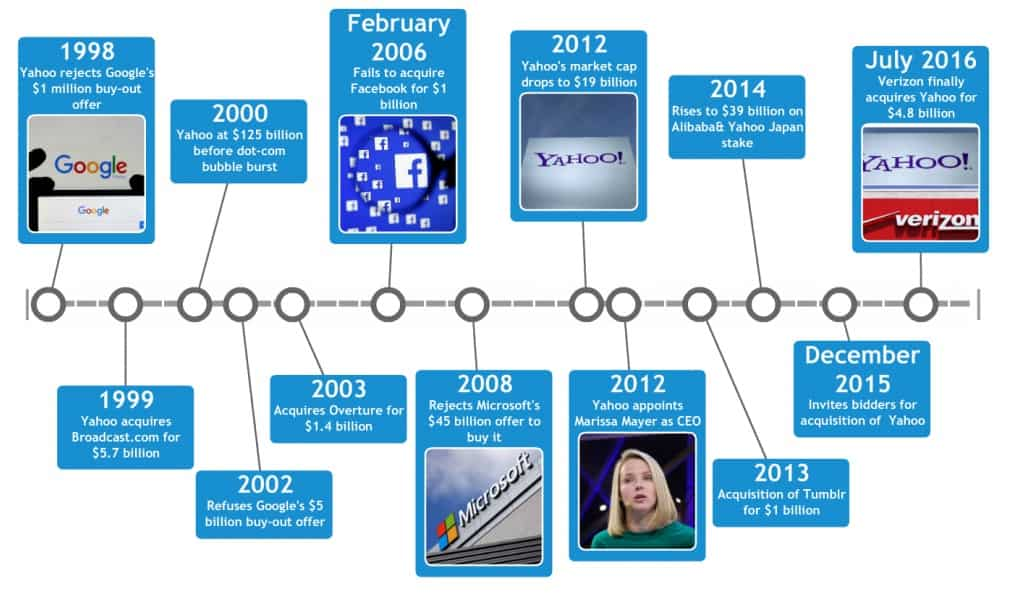
Yahoo’s journey through the digital landscape is a dramatic saga of soaring highs, challenging lows, and relentless adaptation, each chapter profoundly impacting its perceived and actual worth. To grasp its current financial standing, one must trace this evolution.
From Internet Giant to Acquisition Target
In the late 1990s, Yahoo Inc. commanded a market capitalization that dwarfed many established corporations. It was the gateway to the internet for millions, a powerhouse of advertising revenue, and a darling of the dot-com boom. Its valuation was astronomical, fueled by user growth, media dominance, and seemingly boundless future potential. However, the rise of Google, with its superior search algorithm and ad revenue model, slowly began to chip away at Yahoo’s core business. Despite attempts to innovate, acquire, and pivot, Yahoo struggled to regain its technological edge and market share. This period saw its stock price decline significantly, leading to shareholder activism and a series of leadership changes. The once-unthinkable idea of Yahoo becoming an acquisition target gradually materialized, marking a stark re-evaluation of its worth based on declining performance and strategic missteps.
The Verizon Chapter and Beyond
The next significant chapter in Yahoo’s financial narrative began in 2017 when Verizon acquired the bulk of Yahoo’s operating business for approximately $4.48 billion. This transaction, following a previously agreed-upon $4.8 billion deal that was adjusted down due to data breaches, effectively separated Yahoo’s core internet operations from its valuable stakes in Alibaba Group and Yahoo Japan (now Z Holdings). Under Verizon, Yahoo was merged with AOL to form “Oath,” later rebranded as Verizon Media. The vision was to create a strong third player in digital advertising, leveraging content, data, and ad tech platforms.
However, Verizon’s ambitious plan did not fully materialize. Verizon Media struggled to compete effectively against the duopoly of Google and Meta (Facebook) in the digital advertising space. Its valuation within Verizon’s portfolio subsequently faced significant write-downs, indicating that its performance did not meet initial projections. By 2021, Verizon decided to divest the struggling media unit. Apollo Global Management, a prominent private equity firm, acquired 90% of Verizon Media – which included Yahoo, AOL, TechCrunch, Engadget, and more – for approximately $5 billion. Verizon retained a 10% stake. This acquisition by Apollo marks the current era for Yahoo, signifying a renewed focus on profitability, operational efficiency, and potentially, a future public offering or strategic sale under private equity stewardship. The $5 billion valuation reflects a more grounded assessment of its diverse assets in a highly competitive digital media landscape.
Key Assets and Revenue Streams Driving Yahoo’s Value
To ascertain Yahoo’s worth today, it’s crucial to examine the tangible and intangible assets it possesses, along with the revenue channels these assets generate. Under Apollo’s ownership, the focus is undoubtedly on optimizing these components for maximum return.
Advertising and Media Properties
At its core, Yahoo remains a robust digital media and advertising company. Its portfolio includes widely recognized properties such as:
- Yahoo Finance: A leading platform for financial news, data, and investing tools, boasting a dedicated and affluent user base. This property alone holds significant value due to its strong brand recognition and consistent traffic.
- Yahoo Mail: While no longer the dominant email provider, it still serves millions of active users globally, representing a valuable, albeit aging, user base.
- Yahoo News, Sports, and Entertainment: These portals continue to attract substantial audiences, providing content consumption and advertising inventory.
- Ad Tech Platforms: Yahoo operates sophisticated advertising technology (ad tech) platforms that enable advertisers to reach audiences across its own properties and a network of third-party sites. This programmatic advertising infrastructure is a critical revenue driver.
The value derived from these properties comes primarily from display advertising, native advertising, and search advertising (though its search market share is modest compared to its heyday). The ability to monetize its vast user data and audience segments through targeted advertising is central to its financial model.
Technology Infrastructure and Data
Beyond its front-facing media properties, Yahoo possesses a substantial underlying technology infrastructure. This includes data centers, content delivery networks, cloud computing resources, and proprietary software for content management, ad serving, and user analytics. This technological backbone is essential for the operation of its various services and for maintaining competitive performance.
Furthermore, Yahoo sits on a trove of user data – aggregated, anonymized information about user preferences, behaviors, and demographics. In the digital economy, data is often referred to as “the new oil,” and Yahoo’s long history has allowed it to accumulate a significant reservoir. The ability to ethically and effectively leverage this data to enhance advertising targeting, personalize user experiences, and inform business strategies adds substantial intangible value to the company.
Strategic Investments and Joint Ventures
While the massive stakes in Alibaba and Yahoo Japan that once underpinned Yahoo Inc.’s public valuation are no longer part of the operating company owned by Apollo, Yahoo still engages in strategic partnerships and minor investments. The historical context of these massive investments is vital to understanding the complexity of its past valuations. These divestitures allowed a clearer focus on the core operational business, albeit at a significantly lower valuation than its peak. Any current strategic ventures would be aimed at enhancing its core media and ad tech business, potentially through content partnerships, technology integrations, or niche market expansions.
Methodologies for Valuing a Complex Digital Entity

Determining Yahoo’s worth is not a simple calculation; it involves applying various financial methodologies that account for its unique blend of assets, revenue models, and market position.
Discounted Cash Flow (DCF) Analysis
A primary method for valuing any operating business is the Discounted Cash Flow (DCF) analysis. This approach projects Yahoo’s future free cash flows (the cash generated by the business after accounting for cash outflows to support operations and capital expenditures) over a specified period, typically five to ten years. These projected cash flows are then “discounted” back to their present value using a discount rate that reflects the risk associated with Yahoo’s business and the cost of capital. A terminal value, representing the value of Yahoo beyond the projection period, is also calculated and discounted. The sum of these present values provides an intrinsic valuation of the company. For Yahoo, a DCF model would need to carefully consider the volatile nature of digital advertising, the maturity of some of its assets, and the growth potential under Apollo’s strategic direction.
Comparative Company Analysis (Comps)
Another crucial valuation technique is Comparative Company Analysis, or “Comps.” This method involves identifying publicly traded companies or recent acquisition targets that are similar to Yahoo in terms of business model, industry, size, and growth prospects. Valuation multiples (e.g., Enterprise Value/Revenue, Enterprise Value/EBITDA, Price/Earnings) derived from these comparable companies are then applied to Yahoo’s own financial metrics.
For Yahoo, comparable companies might include other digital media conglomerates, ad tech providers, or even parts of larger tech companies that have similar revenue streams. The challenge lies in finding truly “comparable” entities, given Yahoo’s unique blend of legacy internet properties, content production, and ad tech. Apollo’s acquisition provides a recent private market transaction multiple that can serve as a benchmark.
Asset-Based Valuation
While less common for a mature operating company like Yahoo, an asset-based valuation approach can provide a floor for its worth. This method assesses the fair market value of Yahoo’s individual assets, both tangible (e.g., technology infrastructure, real estate if any) and intangible (e.g., brand value, patents, user base, customer lists, software). For a company with a long history and diverse portfolio, attributing precise values to intangible assets like brand equity or its user base can be subjective but vital. The sum of these asset values, minus liabilities, yields a net asset value. This method can be particularly useful in understanding the breakup value of a company or its floor valuation in a distress scenario, though Yahoo under Apollo is not in distress.
Challenges and Opportunities Shaping Future Value
Yahoo’s current valuation reflects its present state and potential under Apollo’s ownership, but its future worth will be shaped by a dynamic interplay of ongoing challenges and emerging opportunities.
Competition and Market Disruption
The digital advertising and media landscape is fiercely competitive. Yahoo continues to face immense pressure from dominant players like Google and Meta, as well as emerging platforms like TikTok and renewed competition from Amazon. These competitors not only command larger audiences but also possess more advanced data capabilities and innovation pipelines. Furthermore, changes in privacy regulations (e.g., cookie deprecation, iOS privacy changes) continue to disrupt traditional advertising models, requiring significant investment and adaptation from all players, including Yahoo. Navigating this highly fragmented and evolving market remains a perpetual challenge.
Innovation and Growth Initiatives
Under Apollo’s ownership, Yahoo has the opportunity to redefine its growth strategy. As a private entity, it can make long-term investments without the immediate pressure of public market quarterly earnings. Potential growth initiatives include:
- Content Specialization: Doubling down on successful verticals like Yahoo Finance and Yahoo Sports to build deeper engagement and premium advertising opportunities.
- Ad Tech Enhancement: Investing in AI and machine learning to improve its programmatic advertising platforms, offering better targeting and ROI for advertisers.
- Strategic Acquisitions: Acquiring complementary technologies or niche content companies that can bolster its existing portfolio and expand its user base.
- Subscription Models: Exploring premium subscription offerings for certain content or services, diversifying revenue beyond pure advertising.
- International Expansion: Re-evaluating opportunities in specific international markets where its brand may still hold resonance or where competition is less intense.
Apollo’s expertise in operational improvements and strategic asset management will be key to unlocking these opportunities and driving future value creation.
Private Equity Influence and Strategic Divestitures
Apollo Global Management’s ownership profoundly impacts how Yahoo’s value will evolve. Private equity firms typically acquire companies with a plan to enhance their value over a 3-7 year horizon, often through operational efficiencies, strategic investments, and potential divestitures of non-core assets. Yahoo, under Apollo, is likely being optimized for an eventual exit, whether through an Initial Public Offering (IPO) or a sale to another strategic buyer. The valuation trajectory will be guided by Apollo’s ability to demonstrate consistent revenue growth, improved profitability, and market relevance, setting the stage for a higher valuation at the time of its eventual sale or public listing.

Conclusion: A Dynamic Valuation in a Shifting Digital Landscape
The question “how much is Yahoo worth?” does not yield a simple, static number. It is a dynamic valuation influenced by its rich history, its current portfolio of diverse digital assets, and the strategic direction under its current private equity ownership. From its peak valuation as an internet pioneer to its current assessment as a valuable, albeit mature, digital media and ad tech company, Yahoo’s financial journey reflects the relentless evolution of the internet economy.
Today, Yahoo’s worth is built upon its enduring brand equity in specific niches like finance, its considerable audience reach across various properties, and its underlying advertising technology infrastructure. While it no longer commands the stratospheric valuations of its dot-com era or even its public market days with the Alibaba stake, its current estimated value in the billions reflects its continued operational strength and potential for strategic growth. Under Apollo’s stewardship, the focus is on optimizing these assets, driving efficiency, and pursuing targeted growth to ultimately realize a significant return on investment. For investors and market watchers, Yahoo remains a fascinating case study in business finance, demonstrating how value is continuously re-assessed and reimagined in the ever-changing digital landscape.
aViewFromTheCave is a participant in the Amazon Services LLC Associates Program, an affiliate advertising program designed to provide a means for sites to earn advertising fees by advertising and linking to Amazon.com. Amazon, the Amazon logo, AmazonSupply, and the AmazonSupply logo are trademarks of Amazon.com, Inc. or its affiliates. As an Amazon Associate we earn affiliate commissions from qualifying purchases.