
Investing in the stock market can seem daunting, a complex world reserved for financial gurus and high-rollers. Yet, for millions, it’s a fundamental pathway to building wealth, achieving financial freedom, and securing a comfortable future. Whether you dream of early retirement, funding a child’s education, or simply growing your savings beyond traditional bank accounts, understanding how to invest in stocks is an invaluable skill. This guide will demystify the process, breaking down the essentials into actionable steps for anyone ready to embark on their investment journey.
1. Understanding the Basics of Stock Market Investing
Before diving in, it’s crucial to grasp the foundational concepts that underpin stock market investing. This isn’t just about picking “good” companies; it’s about understanding what you’re buying, why you’re buying it, and the inherent risks and rewards involved.
What is a Stock?
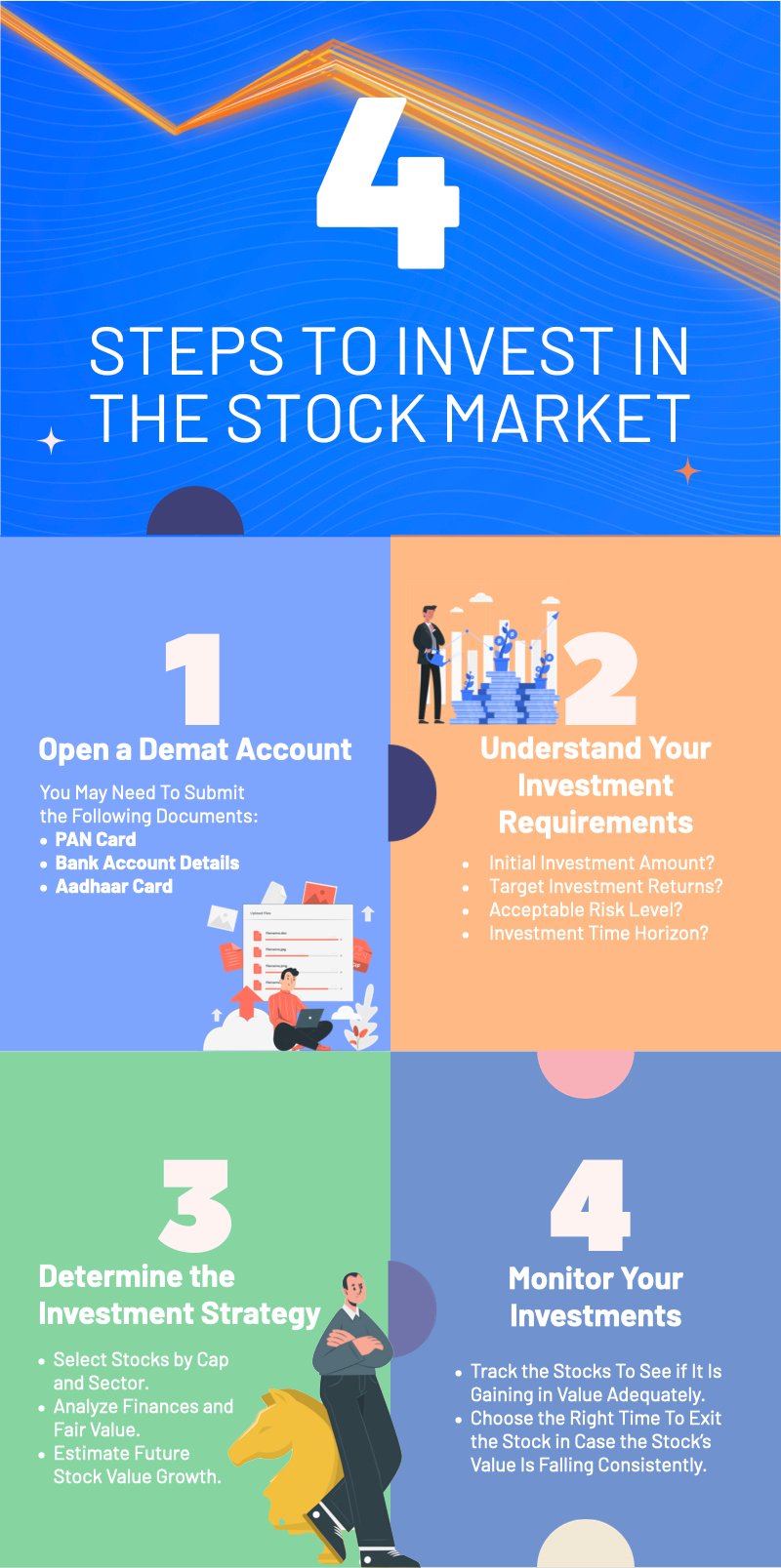
At its core, a stock (also known as equity) represents a small ownership stake in a company. When you buy a share of stock, you become a part-owner of that company. As a shareholder, you have a claim on the company’s assets and earnings proportional to the number of shares you own. Publicly traded companies issue stocks to raise capital, which they use to fund operations, expand, develop new products, or repay debts. The value of a stock can fluctuate based on a multitude of factors, including company performance, industry trends, economic conditions, and investor sentiment.
Why Invest in Stocks? Potential Rewards and Risks
The primary allure of stock investing is its potential for significant returns over the long term, often outpacing inflation and other investment vehicles like savings accounts or bonds. Historically, the stock market has offered average annual returns in the high single to low double digits. These returns come from two main sources:
- Capital Appreciation: The stock price increases, and you sell your shares for more than you paid for them.
- Dividends: Some companies distribute a portion of their profits to shareholders in the form of regular payments.
However, stocks are not without risk. The value of your investment can decrease, and there’s no guarantee of returns. Key risks include:
- Market Risk: The overall market declines, pulling down even good company stocks.
- Company-Specific Risk: A particular company performs poorly due to bad management, competition, or other factors.
- Liquidity Risk: Difficulty selling your shares quickly without affecting the price (less common for large, publicly traded stocks).
- Inflation Risk: Your investment returns don’t keep pace with inflation, eroding your purchasing power.
Understanding these risks is not meant to deter you but to equip you with a realistic perspective. A balanced approach involves understanding that risk and reward are often intertwined.
Common Misconceptions About Stock Investing
Many newcomers are held back by pervasive myths. Let’s dispel a few:
- It’s only for the wealthy: With fractional shares and low-cost brokerages, you can start investing with very little money.
- You need to be a financial expert: While knowledge helps, many successful investors start with basic principles and learn over time. You don’t need a finance degree to invest.
- It’s like gambling: While there’s risk, investing is based on research, analysis, and long-term strategy, not pure chance. Gambling is about short-term speculation; investing is about long-term growth.
- You need to constantly monitor the market: For long-term investors, a “set it and forget it” approach with occasional rebalancing is often more effective than daily trading.
2. Preparing for Your Investment Journey
Before you even think about opening a brokerage account, laying a solid financial foundation is paramount. Rushing into investments without proper preparation can negate potential gains and expose you to unnecessary stress.
Defining Your Financial Goals and Risk Tolerance
Your investment strategy should be a direct reflection of your personal financial goals and how comfortable you are with risk.
- Financial Goals: Are you saving for retirement in 30 years, a down payment on a house in 5 years, or a new car in 2 years? Your timeline will heavily influence the types of investments you choose. Long-term goals generally allow for more aggressive, higher-growth investments (like stocks), while short-term goals necessitate lower-risk options.
- Risk Tolerance: How would you react if your investment portfolio dropped by 10%, 20%, or even 30% in a short period? Would you panic and sell, or would you see it as a buying opportunity? Understanding your emotional response to market fluctuations is critical. There are many online questionnaires that can help assess your risk tolerance, but ultimately, it’s about honest self-reflection.
Building an Emergency Fund and Managing Debt
These two steps are non-negotiable prerequisites for investing.
- Emergency Fund: Before allocating money to stocks, ensure you have an easily accessible emergency fund with 3-6 months’ worth of living expenses saved in a high-yield savings account. This fund acts as a financial safety net, preventing you from being forced to sell your investments at an inopportune time if unexpected expenses arise.
- High-Interest Debt: Prioritize paying off high-interest debt, such as credit card balances or personal loans, before investing. The guaranteed return from eliminating a 15-20% interest rate debt is usually far greater and less risky than potential stock market returns. Low-interest debt, like a mortgage, can sometimes coexist with investing, but high-interest debt is a wealth killer.
Determining How Much to Invest
Once your foundation is solid, decide how much you can comfortably invest regularly. A common guideline is to “pay yourself first” – allocate a portion of your income to investments before other discretionary spending. Even small, consistent contributions can grow significantly over time due to the power of compounding. Start with an amount that doesn’t strain your budget and can be maintained consistently, whether it’s $50, $100, or more per month. Remember, consistency often trumps sporadic large investments.
3. Choosing Your Investment Path
With your financial house in order, the next step is to decide how you want to access the stock market and which types of investments best suit your goals and risk tolerance.
Direct Stock Purchases vs. Funds (ETFs & Mutual Funds)
You don’t have to buy individual stocks right away, or ever.
- Individual Stocks: Buying shares of specific companies (e.g., Apple, Microsoft, Coca-Cola). This allows for targeted investments and potentially higher returns if your chosen companies perform exceptionally well. However, it requires more research and carries higher individual company risk.
- Exchange-Traded Funds (ETFs): These are baskets of stocks (or other assets) that trade like individual stocks on an exchange. ETFs offer instant diversification, often track specific market indices (like the S&P 500), industries, or asset classes, and generally have low expense ratios. They are an excellent choice for beginners.
- Mutual Funds: Similar to ETFs in offering diversification, but they are actively managed by a fund manager and priced once a day after the market closes. They often have higher expense ratios than ETFs and sometimes load fees. Index mutual funds, which passively track an index, are a popular low-cost option.
For most beginners, investing in diversified funds (ETFs or index mutual funds) is highly recommended over picking individual stocks. It provides broad market exposure, reduces risk, and requires less active management.
Brokerage Accounts: Types and Selection
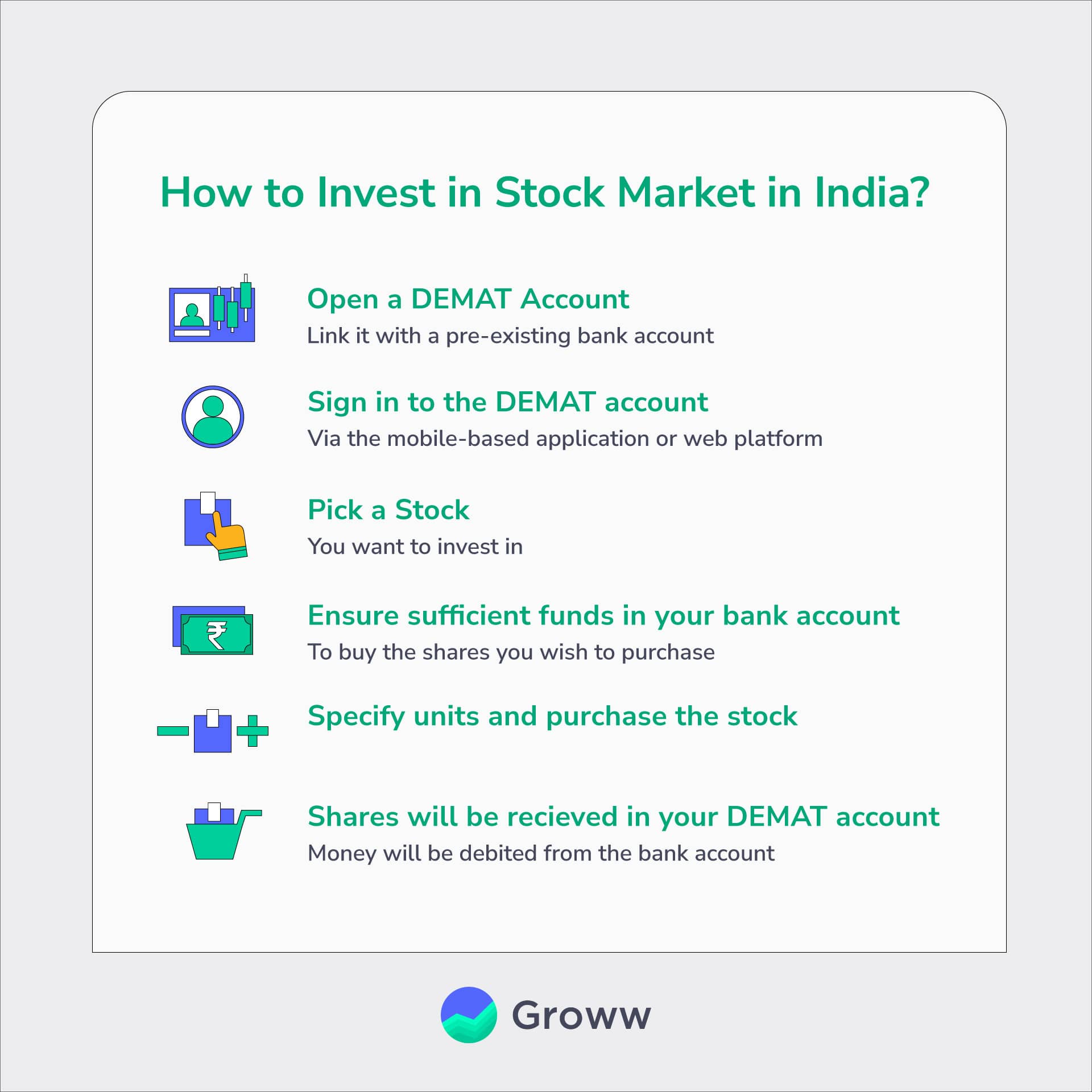
To buy stocks or funds, you’ll need a brokerage account. These are accounts specifically designed for holding investments.
- Taxable Brokerage Accounts: Standard investment accounts where capital gains and dividends are typically taxed annually.
- Retirement Accounts (e.g., IRA, Roth IRA): Offer significant tax advantages (tax-deferred growth or tax-free withdrawals in retirement) but come with contribution limits and rules regarding withdrawals. If eligible, maxing out these accounts should be a priority.
When choosing a brokerage, consider:
- Fees: Look for zero-commission stock and ETF trades.
- Minimums: Some brokers have minimum deposit requirements, though many are now $0.
- Investment Options: Does it offer the stocks, ETFs, and mutual funds you’re interested in?
- Tools & Research: User-friendly platforms, educational resources, and research tools can be very helpful.
- Customer Service: Good support is crucial, especially when you’re starting out.
Popular brokers include Fidelity, Charles Schwab, Vanguard, E*TRADE, and Merrill Edge.
Robo-Advisors vs. Traditional Financial Advisors
Depending on your comfort level and portfolio size, you might seek professional guidance.
- Robo-Advisors: Automated, algorithm-driven platforms (like Betterment, Wealthfront) that build and manage diversified portfolios based on your goals and risk tolerance. They are low-cost, convenient, and ideal for hands-off investors.
- Traditional Financial Advisors: Human professionals who provide personalized advice, create comprehensive financial plans, and manage portfolios. They are more expensive but offer tailored strategies for complex financial situations.
For most beginners, a robo-advisor or simply self-managing a portfolio of low-cost index ETFs through a reputable brokerage is a cost-effective and efficient starting point.
4. Strategies for Smart Stock Investing
Successful investing isn’t about timing the market; it’s about time in the market and adopting sound, disciplined strategies.
Diversification: The Golden Rule
The most critical principle in investing is diversification – don’t put all your eggs in one basket. By spreading your investments across different companies, industries, asset classes (stocks, bonds, real estate), and geographical regions, you reduce the impact of any single investment performing poorly. If one stock or sector dips, others may rise or remain stable, cushioning the blow to your overall portfolio. This is why funds (ETFs and mutual funds) are so powerful for beginners, as they inherently provide diversification.
Long-Term Investing vs. Short-Term Trading
For nearly all beginners, long-term investing is the recommended strategy. This involves buying quality assets and holding them for many years, allowing them to grow over time. It capitalizes on the power of compounding and historical market uptrends.
Short-term trading, on the other hand, involves frequent buying and selling to profit from small price fluctuations. It’s highly speculative, extremely risky, and generally unsuitable for new investors, requiring significant time, research, and emotional discipline. Focus on the long game.
Dollar-Cost Averaging: A Disciplined Approach
Dollar-cost averaging (DCA) is a simple yet powerful strategy where you invest a fixed amount of money at regular intervals (e.g., $100 every month), regardless of market fluctuations.
- When prices are high, your fixed amount buys fewer shares.
- When prices are low, your fixed amount buys more shares.
Over time, this strategy averages out your purchase price, reduces the risk of investing a lump sum at a market peak, and instills a disciplined savings habit. It’s particularly effective for long-term investors.
Fundamental vs. Technical Analysis (Brief Overview)
While beginners are often advised to start with diversified funds, understanding these terms provides context for how professional investors analyze companies:
- Fundamental Analysis: Involves evaluating a company’s intrinsic value by examining its financial statements, management, industry, competitive advantages, and economic outlook. The goal is to identify undervalued companies with strong long-term growth potential.
- Technical Analysis: Focuses on analyzing price charts and trading volumes to identify patterns and predict future price movements. It’s more often used by short-term traders.
For long-term investors in diversified funds, deep dives into either are less critical, but understanding a company’s fundamentals is always beneficial if you choose to buy individual stocks.
5. Navigating the Investment Process and Beyond
You’ve built your foundation, chosen your path, and understood the strategies. Now it’s time to put it all into action and maintain your investment growth.
Placing Your First Trade
Once your brokerage account is open and funded, placing your first trade is usually straightforward.
- Search: Use the search bar to find the ticker symbol of the ETF, mutual fund, or stock you wish to buy (e.g., SPY for an S&P 500 ETF).
- Order Type: Select “Buy.” For beginners, a “Market Order” executes the trade immediately at the best available price. A “Limit Order” allows you to specify the maximum price you’re willing to pay. For small, liquid investments, a market order is often fine, but limit orders can provide more control.
- Quantity: Specify the number of shares or the dollar amount (if fractional shares are available) you want to invest.
- Review & Confirm: Double-check all details before confirming the trade.
Congratulations, you’re now an investor!
Monitoring Your Investments and Rebalancing
While long-term investing doesn’t require daily vigilance, occasional monitoring and rebalancing are essential.
- Monitor: Periodically (e.g., quarterly or semi-annually) check your portfolio’s performance. Focus on the overall trend and your progress towards your goals, rather than daily fluctuations.
- Rebalancing: Over time, some assets in your portfolio will grow faster than others, causing your asset allocation (e.g., 80% stocks, 20% bonds) to drift from your target. Rebalancing involves selling a portion of your overperforming assets and buying more of your underperforming ones to bring your portfolio back to your desired allocation. This helps maintain your target risk level and ensures you’re buying low and selling high over time. Many robo-advisors do this automatically.
The Importance of Continuous Learning
The investment world is dynamic, and continuous learning is key to becoming a more confident and successful investor.
- Read Books & Blogs: Explore resources from reputable financial experts and institutions.
- Follow Financial News (Critically): Understand major economic trends without reacting impulsively to every headline.
- Utilize Brokerage Resources: Most brokerages offer extensive educational content, webinars, and research tools.
- Learn from Experience: Your own investment journey will be your best teacher. Analyze your decisions, understand market behavior, and adapt your strategies as you gain experience.

Conclusion
Investing money in stocks is a powerful step towards achieving your financial aspirations. It doesn’t require a crystal ball or immense wealth, but rather a solid understanding of the fundamentals, a disciplined approach, and a commitment to long-term growth. By understanding the basics, preparing your finances, choosing appropriate investment vehicles, employing smart strategies like diversification and dollar-cost averaging, and continuously learning, you can confidently navigate the stock market and build a robust financial future. Start small, stay consistent, and remember that the most valuable asset you bring to investing is patience.
aViewFromTheCave is a participant in the Amazon Services LLC Associates Program, an affiliate advertising program designed to provide a means for sites to earn advertising fees by advertising and linking to Amazon.com. Amazon, the Amazon logo, AmazonSupply, and the AmazonSupply logo are trademarks of Amazon.com, Inc. or its affiliates. As an Amazon Associate we earn affiliate commissions from qualifying purchases.