
The ebb and flow of the US stock market are a daily spectacle, driven by a complex interplay of economic indicators, geopolitical events, corporate performance, and human psychology. While a single day’s decline might feel alarming, it’s rarely due to an isolated factor. Instead, it’s often the culmination of various forces converging to shift investor sentiment. Understanding these underlying drivers is crucial for both seasoned investors and those new to the financial markets, allowing for a more informed perspective beyond the immediate headlines. Today’s market downturn, like many before it, likely reflects a tapestry of concerns that have pushed investors towards caution or profit-taking.
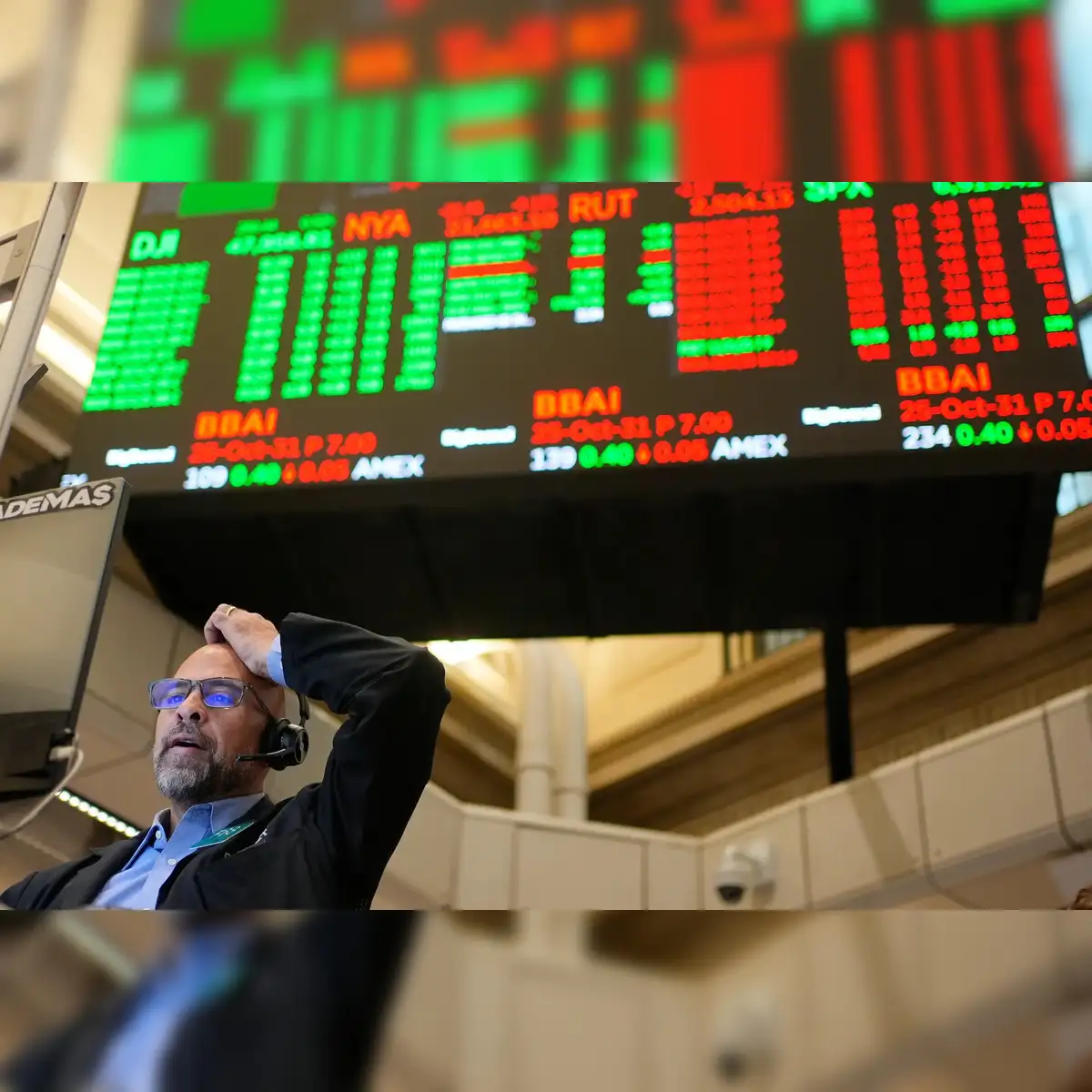
Macroeconomic Headwinds Weighing on Investor Sentiment
One of the most significant forces impacting the stock market on any given day, particularly during periods of uncertainty, is the broader macroeconomic environment. These overarching economic trends dictate the health of businesses and consumer spending, which are the fundamental drivers of corporate profitability and, by extension, stock valuations.
Inflationary Pressures and Interest Rate Hikes
Persistent inflation has been a dominant theme in recent economic discussions, eroding the purchasing power of consumers and increasing the cost of raw materials and labor for businesses. When inflation runs hot, central banks, like the US Federal Reserve, typically respond by raising benchmark interest rates. Higher interest rates serve a dual purpose: they make borrowing more expensive for both consumers and corporations, thereby cooling demand and economic activity, and they also make “risk-free” investments like government bonds more attractive. For the stock market, this means a few things: higher borrowing costs can squeeze corporate profit margins, reduce investment in growth projects, and make future earnings streams less valuable when discounted at a higher rate. Consequently, growth stocks, which derive a significant portion of their valuation from projected future earnings, can be particularly vulnerable to rising rates. Today’s market decline might be a direct reaction to recent inflation data, anticipation of further rate hikes, or the actual announcement of monetary policy tightening, leading investors to re-evaluate their portfolios.
Economic Slowdown Concerns and Recession Fears
Closely tied to inflation and interest rate hikes are growing concerns about an impending economic slowdown or even a recession. A recession, generally defined as two consecutive quarters of negative GDP growth, translates directly into reduced consumer spending, lower corporate revenues, and ultimately, diminished profits. Investors are constantly trying to foresee these downturns, and any new data point — be it a weaker-than-expected manufacturing index, a dip in consumer confidence, or revised GDP forecasts — can trigger a sell-off. Companies that are highly sensitive to economic cycles, such as those in the consumer discretionary, industrial, or materials sectors, often bear the brunt of these fears. A downturn today could be reflecting new evidence suggesting that the economy is decelerating faster than previously anticipated, prompting investors to de-risk their portfolios in anticipation of tougher times ahead. The fear of a “hard landing” versus a “soft landing” (where inflation is tamed without triggering a recession) is a constant source of market volatility.
Labor Market Dynamics
The health of the labor market is a double-edged sword for the stock market. On one hand, a robust job market with low unemployment and rising wages signifies strong consumer demand and economic health. On the other hand, a labor market that is “too hot” can fuel inflation, especially wage-push inflation, compelling central banks to continue their aggressive rate-hiking campaigns. If today’s market is down, it could be reacting to fresh labor market data: perhaps an unexpected jump in unemployment claims signaling an economic slowdown, or, conversely, continued strong wage growth that suggests inflation remains entrenched, necessitating further monetary tightening. Both scenarios, albeit for different reasons, can create uncertainty and pressure stock prices. The delicate balance between full employment and price stability is a tightrope walk for policymakers, and any wobble can send ripples through the financial markets.
Geopolitical Tensions and Global Economic Ripple Effects
Beyond domestic macroeconomic factors, the interconnected nature of the global economy means that international events can have a profound impact on the US stock market. Geopolitical stability is a cornerstone of investor confidence, and any perceived threat can trigger capital flight and increase market volatility.
International Conflicts and Supply Chain Disruptions
Ongoing or emerging international conflicts, whether military or political, introduce a significant element of uncertainty into global markets. Such conflicts can disrupt critical supply chains, particularly for essential commodities like oil, natural gas, and various raw materials. When the flow of goods is impeded, it leads to higher production costs for businesses, which are often passed on to consumers as higher prices, exacerb exacerbating inflationary pressures. Furthermore, conflicts can create a general sense of unease, causing investors to flee riskier assets like stocks in favor of safe havens such as government bonds or gold. Today’s market downturn might be influenced by escalating tensions in a key region, new developments in an existing conflict, or the resulting impact on global commodity prices and logistics networks. The ripple effect can be felt across various sectors, from transportation to manufacturing, ultimately dampening corporate outlooks.
Trade Policy and Tariffs
Trade relations between major economies can also significantly influence corporate profitability and investor sentiment. Policies such as tariffs, import quotas, or trade embargos can increase the cost of doing business for multinational corporations, reduce their access to key markets, and disrupt global production strategies. Businesses that rely heavily on international trade for either sourcing materials or selling products are particularly vulnerable to shifts in trade policy. When trade disputes escalate, it creates uncertainty about future earnings and can lead to a devaluation of companies exposed to these risks. A market drop today could be a reaction to new trade negotiations breaking down, the implementation of new tariffs, or statements from political leaders indicating a shift towards protectionist policies, all of which introduce friction into the global economic engine.
Currency Fluctuations and Global Investor Confidence
The value of the US dollar relative to other major currencies plays a crucial role in the profitability of US multinational corporations and the broader attractiveness of US assets to foreign investors. A strong dollar makes US exports more expensive for foreign buyers, potentially reducing international sales and impacting the earnings of companies with significant overseas operations. Conversely, a strong dollar can make imports cheaper, which can help mitigate domestic inflation but also put pressure on domestic industries competing with foreign goods. Global investor confidence is also tied to currency stability. In times of global uncertainty, capital often flows into the US dollar as a safe-haven asset, strengthening it further. While this might seem positive, an overly strong dollar can be a drag on corporate earnings for US firms operating globally. Today’s market movement might be influenced by significant shifts in currency markets, either reflecting a loss of confidence in other economies, or indicating that the strong dollar is beginning to impact earnings forecasts for S&P 500 companies.
Corporate Earnings and Sector-Specific Challenges
While macroeconomic and geopolitical forces set the broader stage, the fundamental performance of individual companies and sectors often acts as the direct trigger for daily market movements. After all, a stock market is, at its core, a collection of individual businesses.
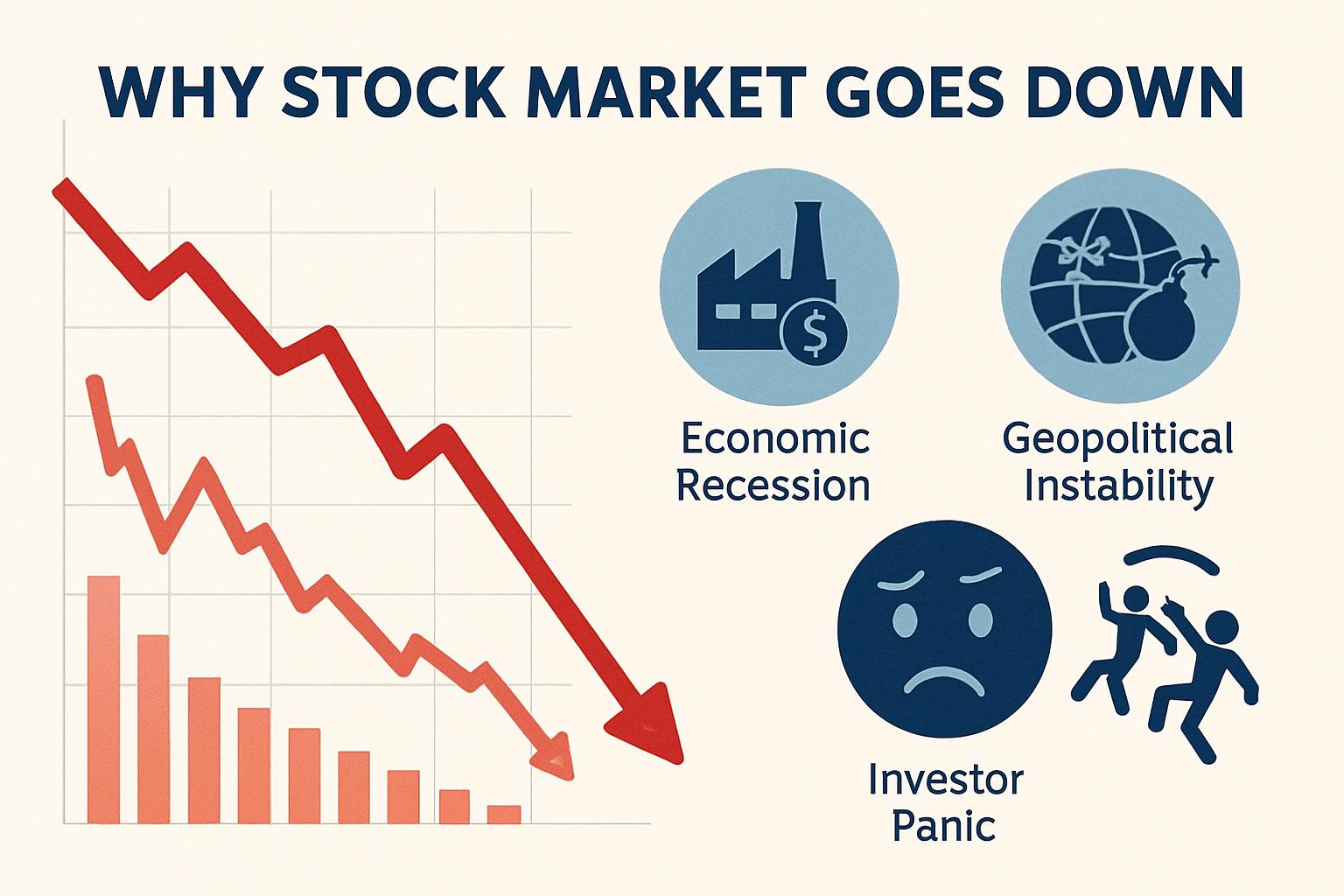
Disappointing Earnings Reports
Perhaps one of the most immediate and tangible reasons for a market downturn on any given day is a wave of disappointing corporate earnings reports. Publicly traded companies regularly release their quarterly financial results, and analysts and investors develop expectations for these reports. When a significant number of bellwether companies — or even just a few influential ones — fail to meet their revenue or profit estimates, or provide a weaker-than-expected outlook for future quarters, it can trigger a broad market sell-off. This is because poor earnings signal reduced profitability, slower growth, or operational challenges, all of which diminish a company’s intrinsic value and, by extension, the perceived value of its stock. The sentiment from these reports can quickly spread, as investors extrapolate potential issues to other companies within the same sector or even the broader market.
Industry-Specific Headwinds
Even if the overall economy appears stable, certain sectors can face unique challenges that drag down their respective stock prices and contribute to a broader market decline. For instance, the technology sector might grapple with higher interest rates impacting the present value of future earnings, making growth stocks less attractive. The consumer discretionary sector could be struggling with reduced consumer spending due to inflation. Energy companies might face volatility from fluctuating oil prices or new regulatory pressures. Financial institutions could be navigating changes in interest rate environments or lending standards. Today’s market dip could be largely attributable to specific industry news — a regulatory crackdown, a major product recall, a shift in consumer preferences, or a competitive threat — that disproportionately affects a significant portion of the market, causing a sector-wide sell-off that spills over into the broader indices.
Valuations and Profit-Taking
Sometimes, a market downturn isn’t necessarily driven by overwhelmingly negative news but rather by a recalibration of valuations or natural profit-taking after a period of sustained gains. When stock prices have risen significantly over time, their valuations (e.g., price-to-earnings ratios) might appear stretched relative to historical averages or future earnings potential. At such points, investors become more sensitive to any negative news and may decide to lock in profits, especially if they perceive that the market has gotten “ahead of itself.” This can lead to a cascade effect, where initial selling triggers further selling as others follow suit. A market downturn today could simply be a healthy correction, where investors are taking a breather and re-evaluating whether current prices accurately reflect underlying fundamentals, especially in the context of rising interest rates which make present valuations less appealing relative to historical norms.
Market Psychology and Technical Factors
Beyond the tangible economic and corporate fundamentals, the stock market is heavily influenced by human psychology, behavioral biases, and the mechanics of trading itself. These factors can often amplify movements, leading to seemingly irrational short-term fluctuations.
Investor Sentiment and the Fear Index (VIX)
Market psychology plays a profound role in daily stock movements. Fear and greed are powerful emotions that can drive investor behavior. When fear dominates, investors may rush to sell assets, leading to sharp declines. Conversely, excessive optimism can fuel unsustainable rallies. The CBOE Volatility Index (VIX), often called the “fear index,” measures market expectations of near-term volatility. A sudden spike in the VIX often accompanies market downturns, indicating heightened investor anxiety and uncertainty. Today’s market drop might be fueled by a pervasive sense of fear, a shift in overall investor sentiment, or a reaction to a specific piece of news that has triggered a “herd mentality” to sell, irrespective of long-term fundamentals. This emotional response can often accelerate declines, making them appear more severe than the underlying economic data might suggest.
Algorithmic Trading and Technical Breakdowns
In the modern financial landscape, a significant portion of trading is executed by high-frequency trading firms and algorithms. These automated systems are programmed to react instantly to market data, news, and technical indicators. If certain technical levels on stock charts (such as support levels or moving averages) are breached, these algorithms can automatically trigger large-scale sell orders. This can lead to rapid, sharp declines, often without a clear fundamental catalyst, as the automated systems amplify selling pressure. Technical breakdowns can also trigger stop-loss orders placed by individual investors, further exacerbating the downturn. A sudden, unexplained dip in today’s market could be partly attributable to a cascade of algorithmic selling, triggered by a technical level or a minor piece of news that automated systems interpreted as a sell signal.
Liquidity Concerns
Market liquidity refers to the ease with which an asset can be bought or sold without significantly affecting its price. In times of heightened uncertainty or stress, liquidity can dry up. When there are fewer buyers in the market willing to purchase stocks at current prices, even a moderate amount of selling pressure can lead to outsized price declines. Reduced liquidity means that bids for stocks are lower and asks are higher, widening the spread and making it harder for sellers to find a fair price. This can create a downward spiral, where limited liquidity leads to greater price volatility, further deterring buyers and exacerbating the decline. Today’s market performance might be influenced by reduced liquidity, making price discovery more challenging and amplifying the impact of any selling pressure.
The Broader Context: Is This a Blip or a Trend?
While a single day’s market decline can feel significant, it’s essential for investors to step back and view it within a broader context. The stock market is inherently volatile, and daily fluctuations are a normal part of its functioning.
Short-term Volatility vs. Long-term Fundamentals
It’s crucial to distinguish between short-term market volatility and long-term fundamental trends. Daily dips are common and can be influenced by a myriad of temporary factors that do not necessarily reflect a lasting deterioration in the underlying economy or corporate health. Over the long run, stock market performance tends to be driven by earnings growth, innovation, and economic expansion. A single down day, while potentially unsettling, might simply be a ‘blip’ – a temporary correction or a reaction to transient news – rather than the start of a protracted bear market. Long-term investors are often advised to look beyond daily noise and focus on the health and growth potential of the companies they own.

Opportunities Amidst Downturns
For patient, long-term investors, market downturns can actually present opportunities. Corrections or bear markets allow investors to purchase quality assets at lower prices, potentially setting the stage for greater returns when the market eventually recovers. While today’s decline might induce fear, it also creates entry points for those looking to buy into strong companies that may have been overvalued previously. Adopting a contrarian view, where one buys when others are selling in a panic, can be a cornerstone of successful long-term investing. However, this strategy requires a deep understanding of one’s risk tolerance and a belief in the long-term growth trajectory of the economy and specific companies.
In conclusion, a day when the US stock market is down is rarely due to a single, simple cause. It’s typically the confluence of several factors — be they macroeconomic shifts like inflation and recession fears, geopolitical events creating uncertainty, specific corporate earnings misses, or psychological and technical trading dynamics. Understanding these interconnected drivers helps to demystify market movements and reinforces the importance of a well-researched, diversified investment strategy. While today’s dip might prompt concern, maintaining a long-term perspective and focusing on robust fundamentals remain paramount for navigating the inherent volatility of the financial markets.
aViewFromTheCave is a participant in the Amazon Services LLC Associates Program, an affiliate advertising program designed to provide a means for sites to earn advertising fees by advertising and linking to Amazon.com. Amazon, the Amazon logo, AmazonSupply, and the AmazonSupply logo are trademarks of Amazon.com, Inc. or its affiliates. As an Amazon Associate we earn affiliate commissions from qualifying purchases.