
Embarking on the journey of stock investing can seem daunting, but with a foundational understanding and a disciplined approach, it becomes a powerful tool for wealth creation. Stocks represent ownership in companies, and by investing in them, you are participating in the growth and profitability of businesses worldwide. This guide will demystify the process, providing a clear roadmap for beginners to navigate the stock market effectively.
Understanding the Basics of Stock Investing
Before diving in, it’s crucial to grasp the fundamental concepts that underpin stock market investing.
What is a Stock?
A stock, also known as equity, signifies a fractional ownership interest in a corporation. When you buy a stock, you become a shareholder, meaning you own a tiny piece of that company. This ownership often comes with certain rights, such as voting on corporate matters (for common stock) and a claim on a portion of the company’s assets and earnings.
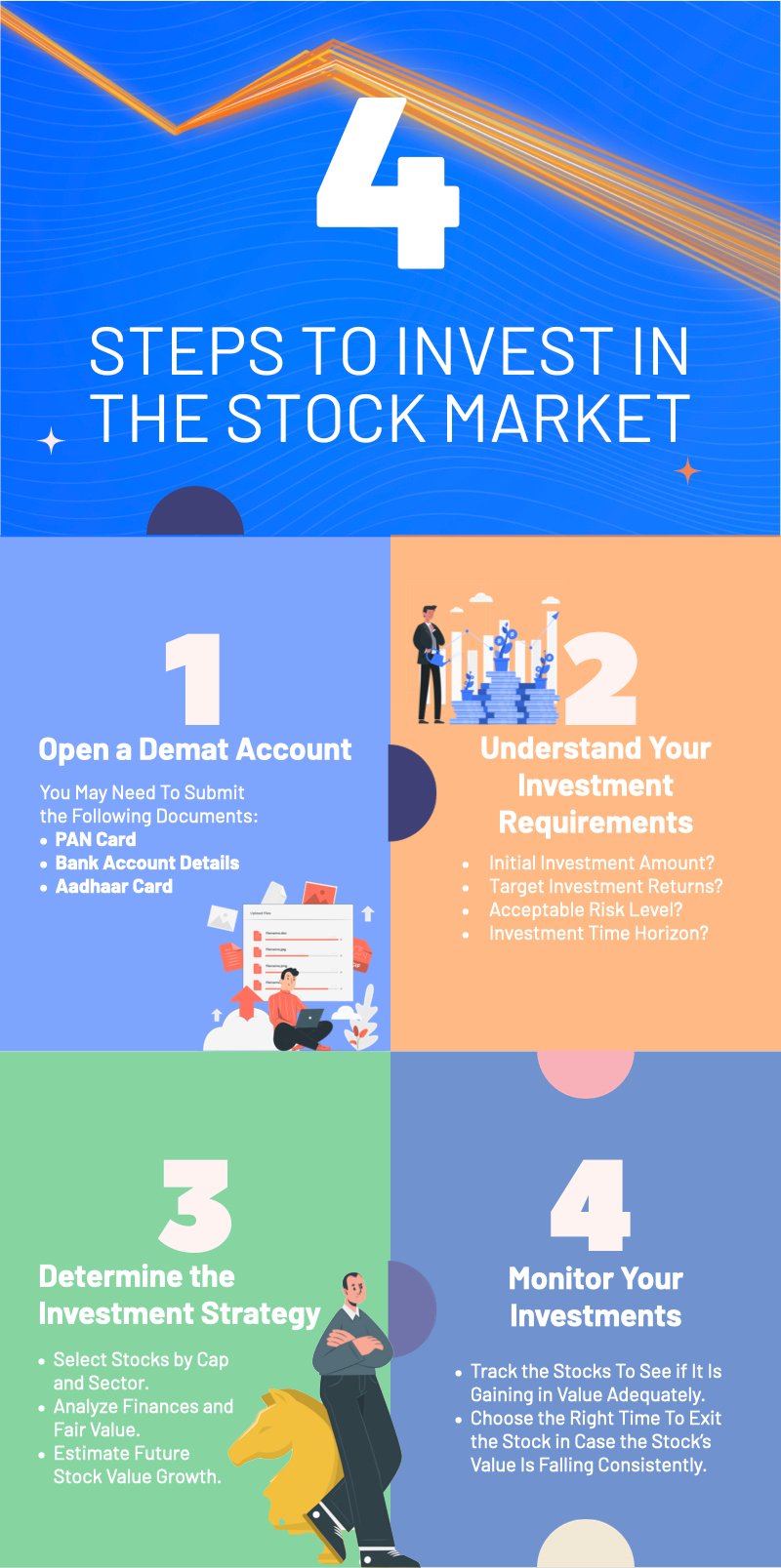
The value of a stock is determined by supply and demand in the market, influenced by various factors including the company’s financial performance, industry trends, economic conditions, and investor sentiment. Stock prices fluctuate daily, reflecting these dynamic forces. The primary ways investors profit from stocks are through capital appreciation (when the stock price increases and you sell it for more than you paid) and dividends (a portion of the company’s profits distributed to shareholders).
Why Invest in Stocks?
Investing in stocks offers several compelling advantages for long-term financial growth:
- Capital Appreciation: Historically, the stock market has provided significant returns over the long term, outperforming other asset classes like bonds and cash. This growth allows your initial investment to compound, accelerating wealth accumulation.
- Dividends: Many companies distribute a portion of their earnings to shareholders in the form of dividends, providing a regular income stream. Reinvesting these dividends can further accelerate your compounding returns.
- Inflation Hedge: Over time, inflation erodes the purchasing power of money. Stocks have historically acted as a strong hedge against inflation, as company revenues and profits tend to rise with prices.
- Accessibility: With the advent of online brokerages, investing in stocks has become more accessible and affordable than ever before, with many platforms offering commission-free trades and fractional shares.
Key Terminology
Familiarizing yourself with common stock market terms will enhance your understanding and confidence:
- Market Capitalization (Market Cap): The total value of a company’s outstanding shares, calculated by multiplying the current share price by the number of shares outstanding. Companies are often categorized by market cap (e.g., large-cap, mid-cap, small-cap).
- Earnings Per Share (EPS): A company’s net profit divided by the number of outstanding common shares. It indicates how much money a company makes for each share of its stock.
- P/E Ratio (Price-to-Earnings Ratio): The ratio of a company’s share price to its earnings per share. It’s a key valuation metric, indicating how much investors are willing to pay for each dollar of earnings.
- Dividend Yield: The annual dividend payment per share divided by the share price, expressed as a percentage. It shows the return on investment from dividends alone.
- Volatility: The degree of variation of a trading price series over time. High volatility means a stock’s price can fluctuate dramatically, while low volatility suggests more stable price movements.
- Bull Market: A period during which stock prices are generally rising.
- Bear Market: A period during which stock prices are generally falling.
Preparing for Your Investment Journey
Successful investing begins with careful preparation and a clear understanding of your personal financial landscape.
Assess Your Financial Health
Before allocating funds to stocks, ensure your basic financial house is in order.
- Build an Emergency Fund: Establish a readily accessible fund covering 3-6 months of living expenses. This acts as a financial safety net, preventing you from having to sell investments prematurely during unexpected hardships.
- Manage High-Interest Debt: Prioritize paying off high-interest debts like credit card balances or personal loans. The interest rates on these debts often exceed potential stock market returns, making debt repayment a more financially sound immediate goal.
- Create a Budget: Understand your income and expenses to identify how much money you can consistently allocate to investments without compromising your daily living.
Define Your Investment Goals
Your investment goals will dictate your strategy, risk tolerance, and time horizon.
- Short-Term vs. Long-Term: Are you saving for a down payment on a house in five years (short-term) or for retirement in 30 years (long-term)? Shorter-term goals generally call for less risky investments, while longer horizons allow for greater risk tolerance and potentially higher returns.
- Quantify Your Goals: Specific goals, such as “I want to accumulate $100,000 for retirement in 25 years,” provide direction and help you track progress.
Determine Your Risk Tolerance
Risk tolerance is your psychological comfort level with the possibility of losing money on an investment.
- Understand the Spectrum: Investors range from conservative (prioritizing capital preservation) to aggressive (seeking high returns, accepting higher risk).
- Factors Influencing Tolerance: Your age (younger investors often have a longer time horizon to recover from downturns), income stability, and overall financial situation all play a role.
- Impact on Choices: A higher risk tolerance might lead you to invest in more volatile growth stocks, while a lower tolerance might steer you towards stable blue-chip companies or diversified index funds. Be honest with yourself about how you would react to market downturns.
Choosing the Right Investment Approach and Brokerage
Once you’re financially prepared, the next step is to decide how you want to invest and where.
Active vs. Passive Investing
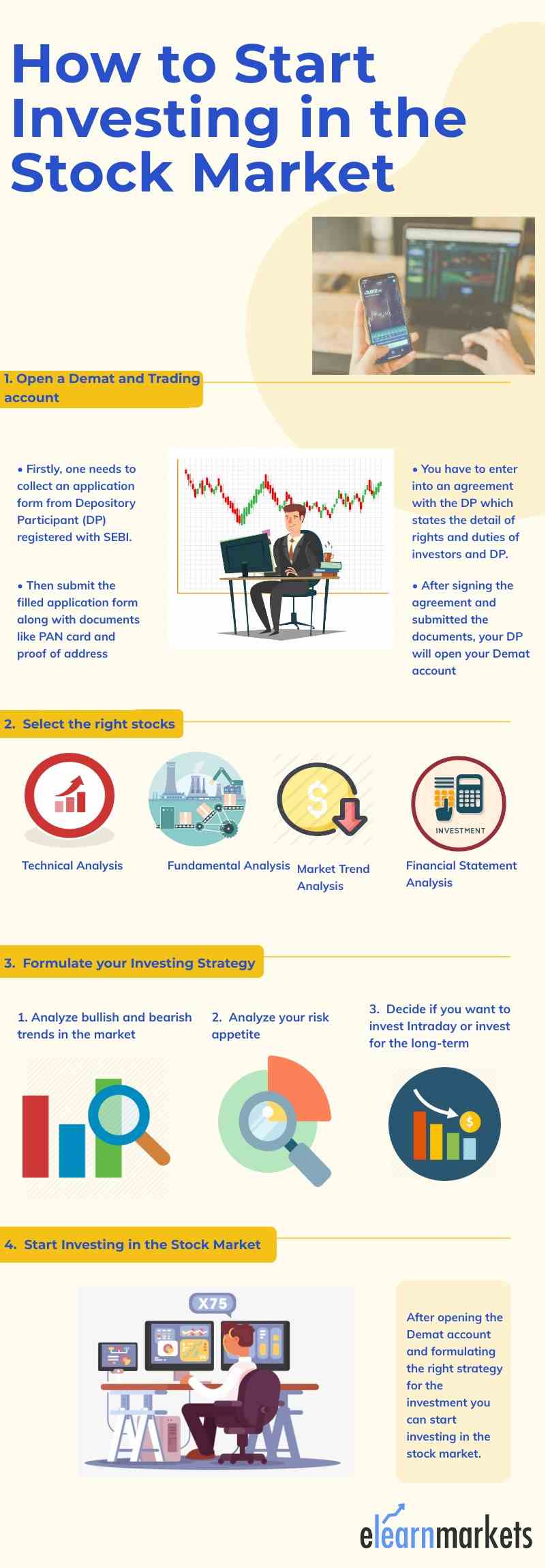
This fundamental choice influences the time and effort you’ll dedicate to managing your portfolio.
- Active Investing: Involves actively researching individual stocks, attempting to “beat the market” by picking winners and timing trades. This approach demands significant time, research, and a deep understanding of market dynamics. It also often incurs higher transaction costs. While potentially rewarding, active investing typically carries higher risk and has historically proven difficult for most individual investors to consistently outperform market benchmarks.
- Passive Investing: Focuses on mirroring the performance of a market index (like the S&P 500) rather than trying to outperform it. This is typically achieved through low-cost index funds or Exchange-Traded Funds (ETFs). Passive investing offers broad diversification, lower fees, and requires less ongoing management. It’s often recommended for beginners due to its simplicity and historical long-term effectiveness.
Types of Investment Accounts
The account you choose affects taxation and investment rules.
- Taxable Brokerage Accounts: These are general investment accounts where you pay taxes on capital gains and dividends in the year they are realized. They offer maximum flexibility in terms of contributions and withdrawals.
- Tax-Advantaged Accounts:
- IRA (Individual Retirement Account): Traditional IRAs offer tax-deductible contributions and tax-deferred growth, with taxes paid upon withdrawal in retirement. Roth IRAs feature after-tax contributions but offer tax-free growth and withdrawals in retirement.
- 401(k): An employer-sponsored retirement plan, often offering matching contributions (essentially free money) and tax benefits similar to a Traditional IRA.
These accounts are designed to incentivize long-term saving for retirement and come with specific contribution limits and withdrawal rules.
Selecting a Brokerage Platform
Your brokerage is your gateway to the stock market. Choose one that aligns with your needs.
- Fees and Commissions: Look for brokerages offering commission-free stock and ETF trades. Be aware of expense ratios for mutual funds and potential account maintenance fees.
- Available Investments: Ensure the platform offers the types of investments you plan to use (e.g., individual stocks, ETFs, mutual funds, options).
- Research Tools and Educational Resources: Good brokerages provide robust research tools, analytical reports, and educational content to help you make informed decisions.
- User Interface and Customer Service: A user-friendly platform and responsive customer support can significantly enhance your investing experience, especially as a beginner.
- Account Minimums: Some brokerages require a minimum deposit to open an account, though many now offer no-minimum options.
Popular choices include Fidelity, Charles Schwab, Vanguard (known for low-cost funds), E*TRADE, and newer platforms like Robinhood (though be mindful of its gamified interface for beginners).
Building and Managing Your Portfolio
With your account set up, it’s time to construct and maintain your investment portfolio.
Diversification Strategies
Diversification is paramount to managing risk in investing. It means spreading your investments across various assets to reduce the impact of any single investment performing poorly.
- Across Industries: Don’t put all your money into one sector (e.g., tech, healthcare, energy). If that sector faces a downturn, your entire portfolio could suffer.
- Across Company Sizes: Invest in a mix of large-cap (established, stable), mid-cap (growth potential), and small-cap (high growth, higher risk) companies.
- Geographic Diversification: Consider international stocks to reduce reliance on a single economy.
- Asset Allocation: Beyond stocks, consider allocating a portion of your portfolio to other asset classes like bonds, which tend to be less volatile and can provide stability, especially as you approach retirement. ETFs and mutual funds are excellent tools for instant diversification, as they hold a basket of many different securities.
Researching Companies
If you opt for active investing, diligent research is key.
- Fundamental Analysis: Focus on a company’s intrinsic value by examining its financial statements (revenue, earnings, debt), management quality, competitive advantages, and industry outlook.
- Key Financial Documents: Review annual reports (10-K) and quarterly reports (10-Q) filed with the SEC. These provide a comprehensive look at a company’s financial health.
- Reputable Sources: Consult financial news websites, analyst reports, and investor relations sections of company websites. Be wary of speculative “hot tips.”
- Understand the Business Model: Invest in companies whose products, services, and revenue generation you genuinely understand.
Monitoring and Rebalancing
Your portfolio isn’t a “set it and forget it” affair, though it doesn’t require daily attention.
- Regular Review: Periodically (e.g., quarterly or annually) review your portfolio’s performance against your goals. Don’t obsess over daily fluctuations.
- Rebalancing: Over time, some assets may grow faster than others, causing your portfolio’s asset allocation to drift from your target. Rebalancing involves selling some of the outperforming assets and buying more of the underperforming ones to bring your portfolio back to its original target allocation. This helps maintain your desired risk level and ensures you’re not overly exposed to any single asset class.
- Avoid Over-Trading: Frequent buying and selling can lead to higher transaction costs and can often be driven by emotion rather than strategy. Stick to your long-term plan.
Common Pitfalls and Best Practices
Navigating the stock market successfully requires not only knowledge but also discipline and emotional control.
Avoiding Emotional Decisions
Emotions are often the greatest enemy of investors.
- Fear and Greed: These powerful emotions can lead to panic selling during market downturns or chasing “hot” stocks during bull runs, often at inflated prices.
- Stick to Your Plan: Develop a clear investment plan based on your goals and risk tolerance, and adhere to it. Avoid making impulsive decisions based on market noise or headlines.
- Dollar-Cost Averaging: This strategy involves investing a fixed amount of money at regular intervals, regardless of market conditions. It averages out your purchase price over time, reducing the risk of buying everything at a market peak and removing emotional timing decisions.
Continuous Learning
The financial markets are dynamic and constantly evolving.
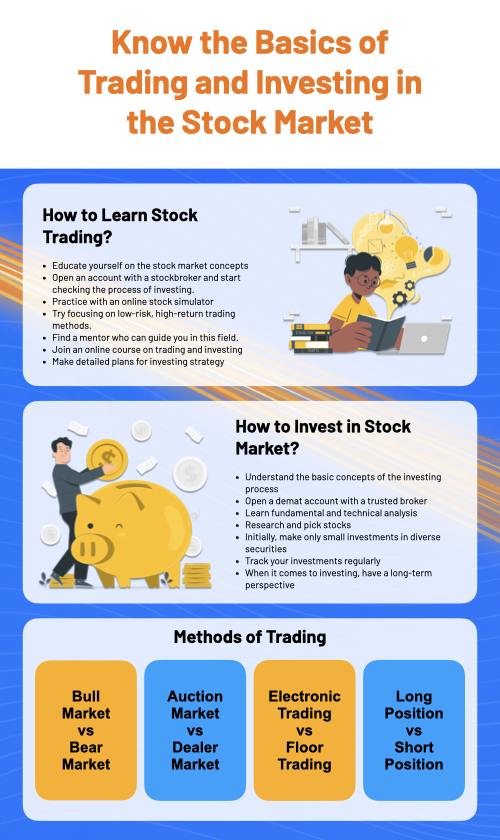
- Stay Informed: Read reputable financial news, books, and blogs. Understand economic indicators, monetary policy, and geopolitical events that can influence market trends.
- Understand Your Investments: Continuously educate yourself about the companies and funds you own.
- Patience and Perspective: Remember that stock investing is a long-term game. There will be market ups and downs. Focus on your long-term goals and stay patient through volatile periods.
Starting stock investing can be a rewarding endeavor that empowers you to build significant wealth over time. By understanding the fundamentals, preparing diligently, choosing wisely, and maintaining a disciplined approach, you can embark on this journey with confidence and achieve your financial aspirations.
aViewFromTheCave is a participant in the Amazon Services LLC Associates Program, an affiliate advertising program designed to provide a means for sites to earn advertising fees by advertising and linking to Amazon.com. Amazon, the Amazon logo, AmazonSupply, and the AmazonSupply logo are trademarks of Amazon.com, Inc. or its affiliates. As an Amazon Associate we earn affiliate commissions from qualifying purchases.