
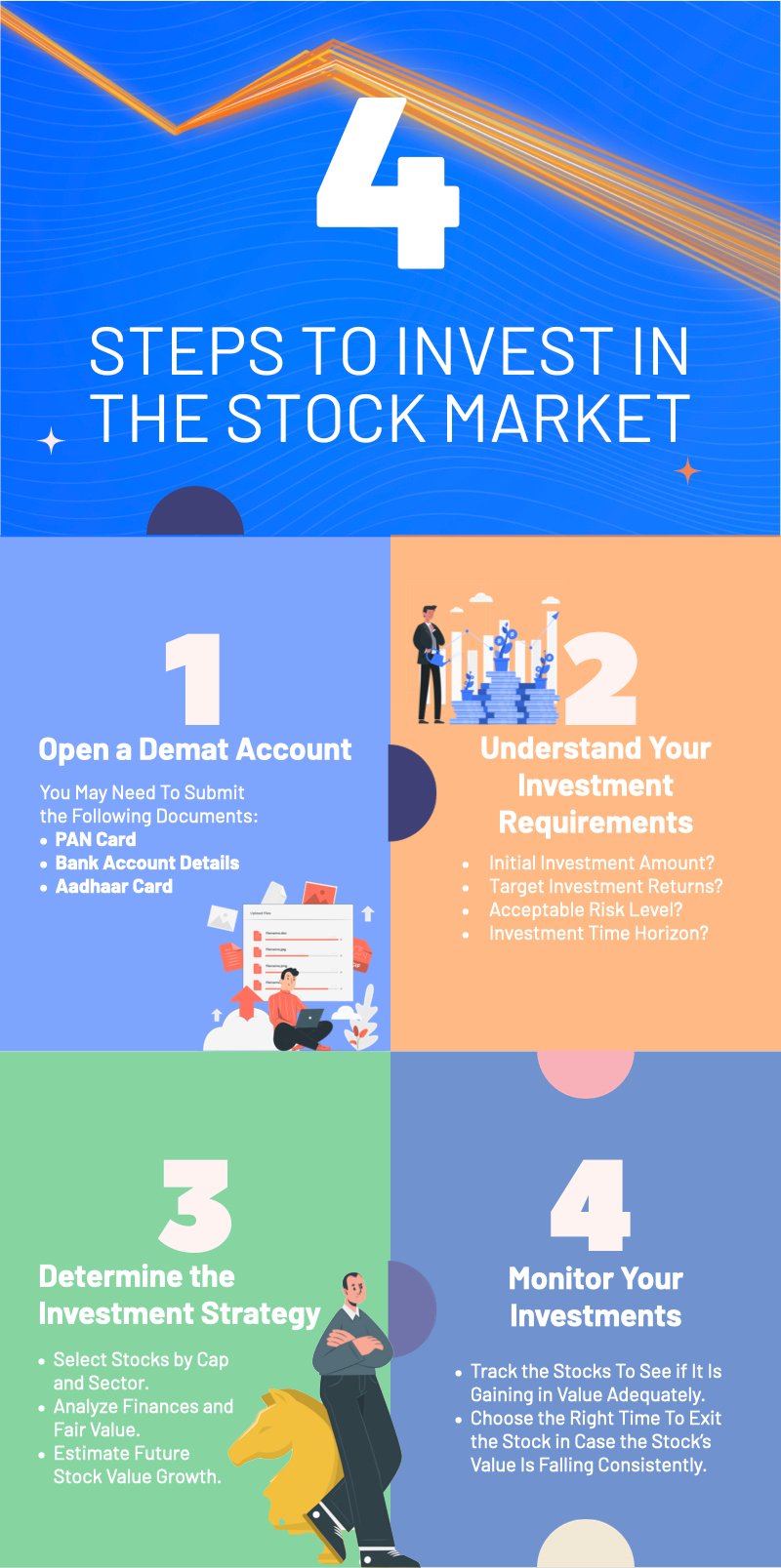
Embarking on the journey of stock market investing can seem daunting, shrouded in complex jargon and perceived high risks. However, with a foundational understanding and a disciplined approach, anyone can begin building wealth through the stock market. This guide strips away the mystique, offering a clear roadmap for beginners to navigate their first steps into the world of investing.
Laying the Financial Foundation: Before You Invest
Before you even consider opening a brokerage account, it’s crucial to ensure your personal finances are in order. A strong financial base not only provides a safety net but also maximizes your investment potential by minimizing unnecessary financial drag.
Build an Emergency Fund
The first critical step is to establish a robust emergency fund. This is typically three to six months’ worth of essential living expenses, stored in an easily accessible, liquid account like a high-yield savings account. This fund is your buffer against unexpected life events – job loss, medical emergencies, or unforeseen home repairs – preventing you from having to sell investments prematurely during market downturns, which could lock in losses. Without this safety net, market volatility can quickly turn a sound investment strategy into a forced withdrawal scenario, undermining your financial goals.
Pay Down High-Interest Debt
High-interest debt, such as credit card balances or personal loans, can severely impede your financial progress. The interest rates on these debts often far exceed the average returns you might expect from stock market investments. For instance, if your credit card charges 20% interest annually, you would need your investments to generate a return greater than 20% after taxes just to break even on that debt. Prioritizing the repayment of these debts is often considered a guaranteed return on investment, as you save on interest payments, which can then be redirected towards your investment portfolio.
Understand Your Financial Goals
Investing without clear goals is like sailing without a destination. Your financial objectives will dictate your investment horizon, risk tolerance, and the types of assets you choose. Are you saving for a down payment on a house in five years? Planning for retirement in thirty? Funding a child’s education? Short-term goals typically call for more conservative investments to preserve capital, while long-term goals allow for greater exposure to growth-oriented, potentially more volatile, assets like stocks. Defining these goals provides the necessary context for crafting an appropriate investment strategy.
Assess Your Risk Tolerance
Risk tolerance is your psychological comfort level with the potential for investment losses in exchange for higher potential returns. All investments carry some degree of risk, but stocks are generally considered higher risk than, say, bonds or cash equivalents. Understanding whether you’re comfortable with significant market fluctuations – or if the thought of a 20% portfolio drop keeps you up at night – is vital. Your risk tolerance should align with your investment choices. A high-risk tolerance might lead to a portfolio heavily weighted in stocks, while a low-risk tolerance might favor a more balanced mix of stocks and bonds. Honesty here is key to avoiding panic-selling during market downturns, which often turns temporary losses into permanent ones.
Demystifying the Stock Market: Key Concepts
With your financial foundation in place, it’s time to grasp the fundamental building blocks of the stock market. Understanding these concepts will empower you to make informed decisions rather than relying on guesswork or hype.
What is a Stock?
At its core, a stock represents a fractional ownership interest in a public company. When you buy a share of stock, you become a part-owner of that company. As an owner, you have a claim on the company’s assets and earnings. The value of your stock can increase in two primary ways: through capital appreciation (when the market price of the stock rises, allowing you to sell it for more than you paid) and through dividends (a portion of the company’s profits distributed to shareholders). Companies issue stocks to raise capital for growth, expansion, or to pay down debt.
Types of Investments Beyond Individual Stocks
While buying individual stocks can be exciting, beginners often benefit from diversified investment vehicles that offer broader market exposure and reduced individual company risk.
- Exchange Traded Funds (ETFs): ETFs are baskets of various securities, such as stocks, bonds, or commodities, that trade on exchanges like individual stocks. They offer instant diversification because a single ETF share represents ownership in many underlying assets. For example, an S&P 500 ETF holds stocks of the 500 largest U.S. companies. ETFs generally have low expense ratios (annual fees) and are highly liquid, making them an excellent choice for new investors seeking broad market exposure.
- Mutual Funds: Similar to ETFs, mutual funds pool money from multiple investors to buy a diversified portfolio of securities. However, unlike ETFs, mutual funds are typically bought and sold once a day, after the market closes, at their net asset value (NAV). They are professionally managed, meaning a fund manager actively selects investments with the goal of outperforming a benchmark or achieving a specific objective. Mutual funds can have higher expense ratios than ETFs, especially actively managed ones.
- Index Funds: These are a type of mutual fund or ETF designed to passively track a specific market index, such as the S&P 500, Dow Jones Industrial Average, or NASDAQ 100. Instead of trying to beat the market, index funds aim to mirror its performance. They are praised for their low costs, broad diversification, and long-term track record of matching market returns, making them a cornerstone of many beginner and seasoned investors’ portfolios.
Understanding Market Volatility
Market volatility refers to the rate at which the price of a security or market index increases or decreases. It’s a normal and inherent characteristic of stock market investing. Prices can fluctuate significantly due to economic news, company performance reports, political events, or even investor sentiment. While periods of high volatility can be unnerving, particularly for new investors, it’s crucial to understand that market downturns are a normal part of the economic cycle. Historically, markets have always recovered from dips over the long term. A key principle for beginners is to adopt a long-term perspective, focusing on time in the market rather than attempting to time the market.
Practical Steps to Begin Investing
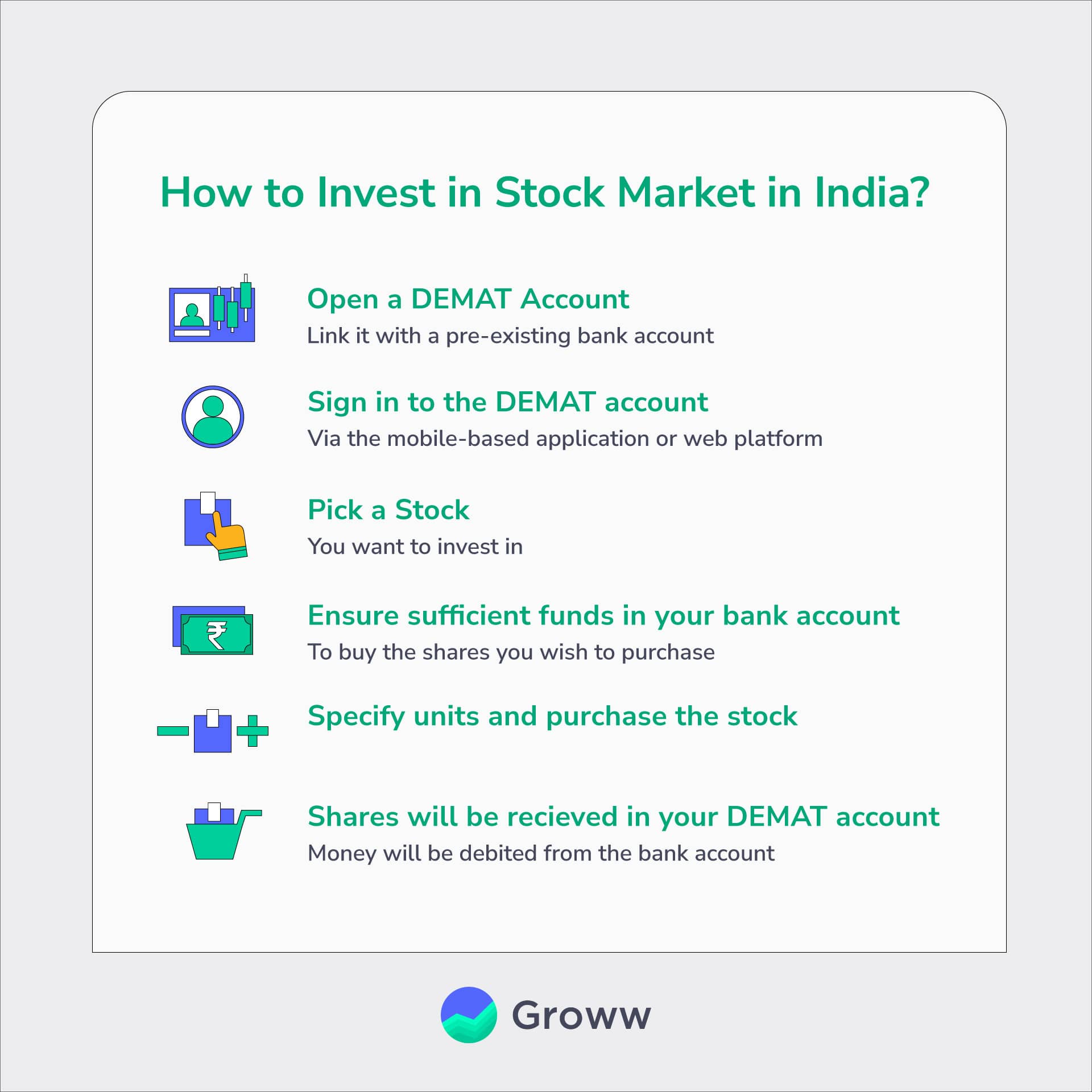
Once your financial house is in order and you understand the basics, the next step is to open an account and start allocating capital.
Choose a Brokerage Account
To invest in the stock market, you’ll need a brokerage account. This is an account with a financial institution that facilitates the buying and selling of securities.
- Types of Accounts:
- Taxable Brokerage Accounts: Standard investment accounts where capital gains and dividends are taxed annually.
- Retirement Accounts: These offer tax advantages for long-term retirement savings:
- Roth IRA: Contributions are made with after-tax money, and qualified withdrawals in retirement are tax-free.
- Traditional IRA: Contributions may be tax-deductible, and earnings grow tax-deferred until withdrawal in retirement, at which point they are taxed as ordinary income.
- Factors to Consider When Choosing a Broker:
- Fees: Look for commission-free stock and ETF trades. Be aware of annual maintenance fees, expense ratios on mutual funds, and any other hidden costs.
- Platform Features & Tools: Does the platform offer intuitive navigation, robust research tools, educational resources, and charting capabilities?
- Customer Service: Is customer support readily available and helpful?
- Minimum Deposits: Some brokers require a minimum initial deposit to open an account.
Popular online brokers like Fidelity, Charles Schwab, Vanguard, E*TRADE, and TD Ameritrade (now Schwab) are highly rated for their comprehensive offerings, low fees, and educational resources, making them excellent choices for beginners. Newer platforms like Robinhood offer commission-free trading but may have fewer research tools.
Fund Your Account
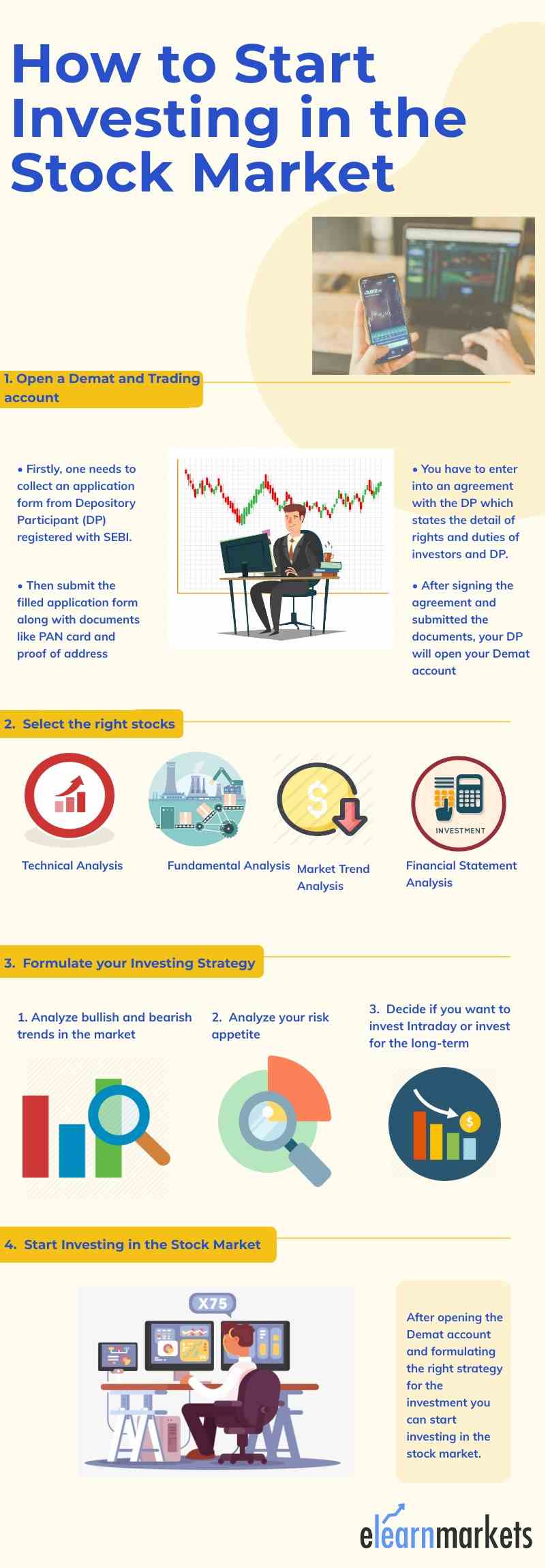
Once your account is open, you’ll need to transfer money into it. Common methods include:
- ACH Transfer: Electronically linking your bank account to your brokerage account for direct transfers (usually free, but may take a few business days).
- Wire Transfer: Faster but often incurs a fee.
- Mailing a Check: The slowest method.
Start with an amount you are comfortable with, even if it’s small. The goal is to begin the habit of investing.
Start Small, Invest Consistently
You don’t need a large sum of money to start investing. Many brokers offer fractional shares, allowing you to invest a specific dollar amount into a stock or ETF, even if it’s less than the share price. The most powerful strategy for beginners is dollar-cost averaging: investing a fixed amount of money at regular intervals (e.g., $100 every month), regardless of market fluctuations. This strategy mitigates risk by averaging out your purchase price over time – you buy more shares when prices are low and fewer when prices are high. Coupled with the power of compound interest (where your earnings generate further earnings), consistent investing, even in small amounts, can lead to substantial wealth accumulation over decades.
Diversify Your Portfolio
Diversification is the strategy of spreading your investments across various assets to reduce risk. The old adage, “Don’t put all your eggs in one basket,” perfectly encapsulates this principle. By investing in a mix of different companies, industries, and asset classes (like stocks, bonds, and international markets), you minimize the impact of any single investment performing poorly. A well-diversified portfolio might include a broad market index fund, an international stock ETF, and perhaps a bond fund, depending on your risk tolerance and goals.
Investment Strategies for Beginners
For new investors, simplicity and a long-term outlook are key. While there are countless investment strategies, focusing on a few proven approaches will yield the best results.
Passive Investing (Index Funds/ETFs)
Passive investing, primarily through broad-market index funds and ETFs, is highly recommended for beginners. This strategy involves buying and holding investments that track a specific market index, rather than actively trying to pick individual stocks or time the market.
- Benefits: Low costs (minimal management fees), broad diversification (reducing company-specific risk), and a historical track record of matching market returns.
- Why it’s good for beginners: It requires minimal ongoing research or active management, allowing you to set it and forget it, focusing on consistent contributions. This approach removes the emotional component often associated with trying to beat the market.
Active Investing (Individual Stocks)
Active investing involves regularly buying and selling individual stocks with the goal of outperforming the overall market. This strategy requires significant research, time commitment, and a deep understanding of company financials, industry trends, and macroeconomic factors.
- Higher Risk, Higher Potential Reward: While it offers the potential for greater returns if successful, it also carries substantially higher risk and can lead to significant losses if done poorly.
- Recommendation for Beginners: It’s generally advisable for beginners to focus on passive investing first. Once you’ve gained experience, confidence, and a deeper understanding of market dynamics, you might consider allocating a small portion of your portfolio to individual stocks for a more hands-on approach.
Rebalancing Your Portfolio
Over time, the performance of different assets in your portfolio will cause its allocation to drift from your initial target. For example, if stocks perform exceptionally well, they might grow to represent a larger percentage of your portfolio than you originally intended, increasing your overall risk. Rebalancing involves periodically adjusting your portfolio back to your desired asset allocation by selling some of your outperforming assets and buying more of your underperforming ones. This can be done annually or semi-annually and helps maintain your desired risk level.
Long-Term Horizon
The most crucial advice for stock market investing is to adopt a long-term perspective. The stock market is not a get-rich-quick scheme. It rewards patience and consistency. Focus on “time in the market” rather than attempting to “time the market” – repeatedly trying to buy low and sell high. Historically, the stock market has always trended upwards over extended periods (decades), despite numerous short-term corrections and bear markets. By staying invested through market fluctuations, you give your investments the best chance to recover and grow.
Common Pitfalls and How to Avoid Them
Even with the right strategies, new investors can fall prey to common mistakes. Awareness is the first step to avoidance.
Panicking During Market Downturns
When the market experiences a significant drop, it’s natural to feel fear and the urge to sell your investments to stop further losses. However, this is often the worst decision you can make. Selling during a downturn locks in your losses and prevents you from participating in the inevitable recovery. Instead, view downturns as opportunities to buy more shares at lower prices (through dollar-cost averaging) and remember your long-term goals.
Chasing Hot Stocks
Resist the temptation to jump into stocks that have seen meteoric rises based on hype or social media trends. These “hot stocks” often carry extreme volatility and are prone to sudden, steep declines. Investing based on speculation rather than sound fundamental analysis is akin to gambling. Stick to your well-researched strategy and focus on diversification.
Over-Diversification or Under-Diversification
While diversification is good, too much can be detrimental. Spreading your money across too many individual stocks or overlapping funds can dilute your returns and make it difficult to monitor your portfolio effectively. Conversely, under-diversification (e.g., investing in only one or two companies) exposes you to excessive risk. Aim for a balanced, diversified portfolio that covers various sectors and asset classes without becoming overly complex.
Ignoring Fees
Fees, even seemingly small ones, can significantly erode your investment returns over decades. High expense ratios on mutual funds, trading commissions, and account maintenance fees all eat into your profits. Always scrutinize the fee structures of your chosen investments and brokerage accounts. Opt for low-cost index funds and ETFs and commission-free trading whenever possible.
Lack of Continuous Learning
The financial world is dynamic. Commit to continuous learning about personal finance, investing principles, and market trends. Read reputable financial news, books, and educational resources. The more knowledgeable you become, the more confident and capable you will be in making sound investment decisions, adapting your strategy as your life circumstances and financial goals evolve. Investing is a journey, not a destination, and ongoing education is your compass.
aViewFromTheCave is a participant in the Amazon Services LLC Associates Program, an affiliate advertising program designed to provide a means for sites to earn advertising fees by advertising and linking to Amazon.com. Amazon, the Amazon logo, AmazonSupply, and the AmazonSupply logo are trademarks of Amazon.com, Inc. or its affiliates. As an Amazon Associate we earn affiliate commissions from qualifying purchases.