
In the rapidly evolving landscape of personal finance, SoFi Technologies (NASDAQ: SOFI) has emerged as a prominent player, aiming to revolutionize how individuals manage their money. For many investors, the question “What is SoFi stock?” goes beyond a simple definition; it delves into understanding the company’s business model, financial health, growth prospects, and the inherent risks associated with its shares. This comprehensive guide will dissect SoFi stock, offering an insightful look for those considering adding this dynamic fintech to their investment portfolio. We will explore SoFi’s journey from its origins to its current standing as a diversified financial services provider, analyze its unique value proposition, and weigh the various factors that influence its stock performance, all strictly within the realm of personal and business finance.
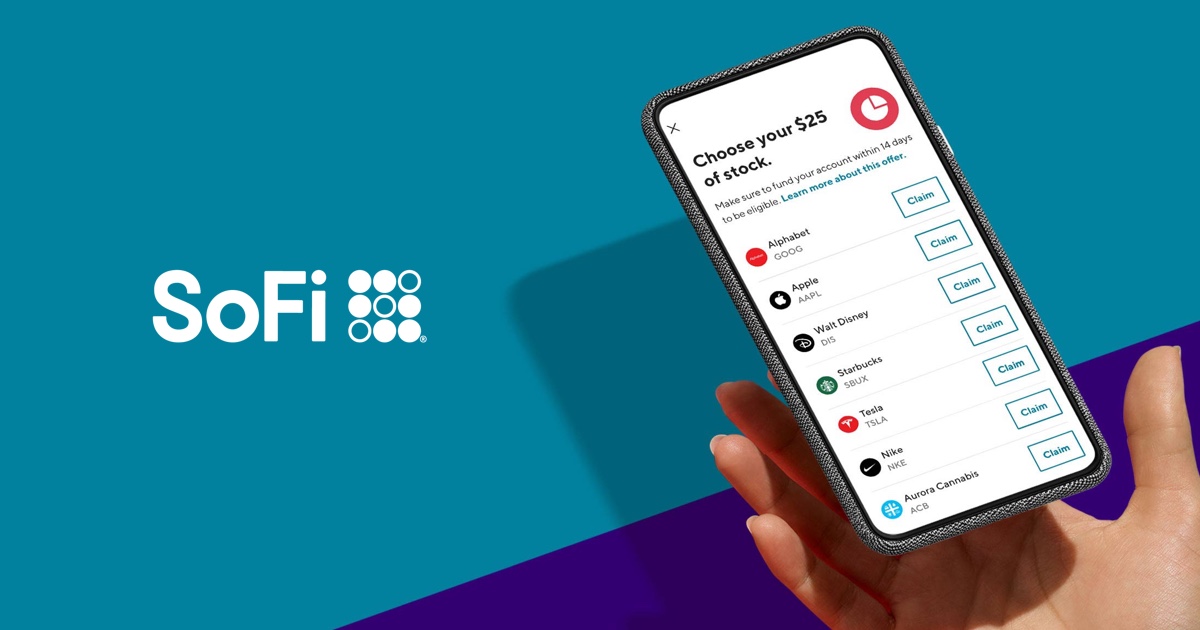
The Evolution of SoFi: From Student Loans to a Financial Powerhouse
SoFi, an acronym for Social Finance, began with a clear mission: to help individuals achieve financial independence. Its journey from a niche lender to a full-spectrum financial services platform provides crucial context for understanding its stock’s potential.
Founding and Early Focus
SoFi was founded in 2011 by four Stanford Graduate School of Business students—Mike Cagney, Dan Macklin, James Finnigan, and Ian Brady. Their initial vision was to create an alumni-funded lending program that would allow recent graduates to refinance their student loans at more favorable rates than traditional lenders. This peer-to-peer model tapped into a significant pain point for graduates burdened with high-interest student debt and quickly gained traction. The early success was built on a community-centric approach, fostering loyalty and trust among its members, which are now core tenets of its brand. This initial focus on a specific, underserved market allowed SoFi to build a strong foundation and refine its lending processes before expanding.
Diversification and Expansion
Recognizing the broader financial needs of its target demographic—often referred to as “HENRYs” (High Earners, Not Rich Yet)—SoFi strategically began diversifying its product offerings. This expansion was critical in transforming the company from a mere student loan servicer into a comprehensive financial services provider. Over time, SoFi introduced:
- Personal Loans: Unsecured loans for various purposes, offering flexible terms and competitive rates.
- Home Loans: Mortgages and refinancing options, further solidifying its presence in major life financial decisions.
- Investment Services: SoFi Invest, providing commission-free trading for stocks, ETFs, and cryptocurrencies, alongside automated investing options.
- Banking Services: SoFi Money, a hybrid checking and savings account offering high-yield interest rates and no account fees, eventually underpinned by its own national bank charter.
- Credit Cards: Rewards-based credit cards designed for its member base.
This multi-product strategy aimed to capture a larger share of its members’ financial lives, fostering deeper relationships and increasing lifetime value. The ability to cross-sell products became a cornerstone of its growth strategy, reducing customer acquisition costs over time and building a sticky ecosystem.
The Fintech Revolution
SoFi’s growth story is inextricably linked to the broader fintech revolution. By leveraging technology to streamline processes, reduce overhead, and offer more personalized and accessible financial products, SoFi challenged the dominance of traditional banks. Its digital-first approach resonated with a generation increasingly accustomed to managing their lives through apps and online platforms. The shift towards mobile banking, instant transactions, and personalized financial advice created a fertile ground for companies like SoFi to thrive. Its adoption of advanced data analytics and user-friendly interfaces positioned it at the forefront of this transformation, demonstrating how technology could make financial services more efficient and user-centric. This strategic positioning within a burgeoning industry has been a significant factor influencing investor interest in SoFi stock.
Decoding SoFi Stock (SOFI): A Deep Dive into the Company’s Financials and Business Model
Understanding SoFi stock requires an examination of the company’s core business model, its various revenue streams, and its financial performance metrics. Investors evaluate these elements to gauge the company’s current health and future profitability potential.
SoFi’s Unique Value Proposition
SoFi differentiates itself in a crowded financial market through several key aspects:
- The “One-Stop Shop” Vision: SoFi aims to be the primary financial services provider for its members, offering a comprehensive suite of products under one roof. This integrated approach simplifies financial management for users and creates cross-selling opportunities for the company.
- Focus on Affluent Individuals (HENRYs): By targeting young, high-earning, and financially savvy individuals, SoFi mitigates credit risk while building a loyal customer base with significant long-term financial needs. These members are often early adopters of technology and value convenience and innovation.
- Vertically Integrated Model: A critical differentiator is SoFi’s ownership of its technology stack through acquisitions like Galileo Financial Technologies and Technisys. Galileo provides a leading API-based program management and payments processing platform for other fintechs, while Technisys offers a next-generation core banking platform. These acquisitions not only power SoFi’s own products but also generate significant revenue by serving other financial institutions, creating a B2B segment that diversifies its business and provides a robust technological foundation.
Key Revenue Streams
SoFi generates revenue from three primary segments, each contributing to its overall financial strength:
- Lending Segment: This remains a significant portion of SoFi’s revenue. It includes interest income from student loan refinancing, personal loans, and home loans, as well as origination fees. The ability to effectively underwrite and service these loans is crucial to this segment’s profitability.
- Technology Platform Segment: Comprising Galileo and Technisys, this segment generates revenue by providing platform services, payment processing, and core banking infrastructure to various fintechs and financial institutions. This B2B revenue stream offers high margins and scalability, reducing reliance solely on consumer lending.
- Financial Services Segment: This includes revenue from SoFi Money (interchange fees, interest on deposits), SoFi Invest (brokerage fees, interest on margin loans), and SoFi Credit Card (interchange fees, interest). While often characterized by lower revenue per user, this segment is vital for customer acquisition, engagement, and fostering the “one-stop shop” experience.
Understanding SoFi’s Financial Performance
Investors closely monitor SoFi’s financial performance through several key metrics:
- Growth Metrics: SoFi emphasizes member growth, product growth (number of products members use), and overall adjusted net revenue growth. Consistent expansion in these areas indicates strong market penetration and successful cross-selling.
- Profitability Journey: Like many high-growth fintechs, SoFi’s path to GAAP (Generally Accepted Accounting Principles) profitability has been a critical focus. Investors watch for positive adjusted EBITDA and, eventually, sustained GAAP net income as signs of financial maturity and operational efficiency.
- Balance Sheet Strength: With its bank charter, the strength of SoFi’s balance sheet, including deposit growth, capital ratios, and loan loss reserves, becomes increasingly important. A robust balance sheet provides stability and regulatory compliance.
- Net Interest Margin (NIM): For its lending business, NIM (the difference between interest income generated and interest paid out) is a key indicator of profitability, especially relevant post-bank charter when it can leverage lower-cost deposits.
Investment Considerations for SoFi Stock
Investing in SoFi stock involves weighing its significant growth potential against a backdrop of inherent risks and the competitive financial services landscape.

Growth Drivers and Opportunities
SoFi benefits from several secular trends and strategic advantages that could fuel future growth:
- Continued Member and Product Adoption: There’s still vast room for SoFi to expand its member base and increase the number of products each member uses, leveraging its integrated platform.
- Leveraging Technology Platforms (Galileo/Technisys): The B2B segment offers significant scalability, with Galileo already serving numerous fintechs. Expanding this client base globally presents a substantial growth opportunity independent of SoFi’s consumer brand.
- Banking Charter Advantage: Owning a national bank charter (through the acquisition of Golden Pacific Bank) significantly reduces SoFi’s cost of capital by allowing it to fund loans with low-cost member deposits rather than expensive wholesale funding. This directly impacts profitability and competitive pricing.
- Favorable Demographics: Targeting HENRYs provides a consistent pipeline of individuals with increasing financial needs and a strong propensity to adopt digital financial solutions.
Key Risks and Challenges
Like any investment, SoFi stock is subject to various risks:
- Regulatory Scrutiny: The financial services industry is heavily regulated. Changes in regulations, increased compliance costs, or adverse regulatory actions could impact SoFi’s business model and profitability.
- Intense Competition: SoFi competes not only with traditional banks (JPMorgan Chase, Bank of America) but also with other agile fintechs (e.g., Chime, Robinhood, Block) and tech giants entering financial services.
- Macroeconomic Headwinds: Economic downturns, rising interest rates leading to reduced loan demand, or increased loan defaults could adversely affect SoFi’s lending segment. Inflation and recessionary pressures can impact consumer spending and borrowing behavior.
- Customer Acquisition Costs: While cross-selling helps, acquiring new members in a competitive market can be expensive. SoFi must maintain an efficient marketing strategy to sustain growth.
- Credit Risk Management: As a lender, SoFi is exposed to credit risk. While its underwriting models are sophisticated, unexpected economic shocks could lead to higher loan losses.
Valuation Metrics and Investor Sentiment
Valuing a high-growth fintech like SoFi often involves looking beyond traditional earnings-based metrics, especially during its path to sustained profitability.
- Price-to-Sales (P/S) Ratio: Often used for growth companies without consistent profits, comparing SoFi’s P/S to peers can offer insights, though it doesn’t account for profitability differences.
- Projected Profitability: Investors heavily weigh analyst projections for future revenue growth, adjusted EBITDA, and eventual GAAP net income. The company’s ability to meet or exceed these targets significantly impacts sentiment.
- Analyst Ratings and Price Targets: Wall Street analysts provide ratings and price targets, influencing investor perception and short-term stock movements.
- Market Volatility: As a growth stock, SoFi’s shares can experience significant volatility, influenced by broader market trends, sector-specific news, and company-specific announcements. Understanding this inherent volatility is crucial for risk management.
SoFi’s Strategic Position in the Future of Finance
SoFi’s long-term vision positions it as a potential leader in the evolving financial services landscape, driven by its unique strategy and technological backbone.
The “Financial Super App” Ambition
SoFi’s ultimate goal is to become the “operating system” for its members’ financial lives – a true financial super app. By integrating banking, investing, lending, and budgeting tools into a single, seamless platform, it aims to create an indispensable financial hub. This strategy focuses on increasing member engagement, retention, and lifetime value by making SoFi the default choice for all financial needs. Achieving this vision would create a powerful network effect, further entrenching SoFi in the daily lives of its users.
Data-Driven Personalization
At the heart of SoFi’s strategy is its ability to leverage vast amounts of data to offer highly personalized financial products and advice. By understanding a member’s full financial picture, SoFi can proactively suggest relevant products, offer tailored insights, and optimize financial outcomes. This data-driven approach enhances the user experience, builds trust, and allows for more efficient cross-selling, contributing to higher revenue per member. This capability is a significant competitive advantage in a market increasingly demanding customized solutions.
Banking Charter Advantage
The acquisition of its national bank charter in 2022 was a transformative event for SoFi. It eliminated the need to partner with third-party banks for its deposit and lending products, significantly lowering funding costs. By funding loans directly with member deposits, SoFi can improve its net interest margin, accelerate its path to profitability, and gain greater control over its balance sheet and product offerings. This charter also positions SoFi on a more level playing field with traditional banks from a regulatory perspective, while retaining its agile fintech approach.
Is SoFi Stock Right for Your Portfolio?
Deciding whether SoFi stock is a suitable investment requires careful consideration of your personal financial goals, risk tolerance, and investment horizon.
Aligning with Your Investment Goals
- Growth-Oriented Investors: SoFi might appeal to investors seeking exposure to high-growth companies in the fintech sector with long-term disruptive potential. The company is still in its growth phase, and its stock price often reflects future expectations.
- Long-Term Horizon: Given the company’s ambitious vision and the time it takes to execute complex financial strategies, SoFi is generally considered a long-term investment. Short-term fluctuations are common for growth stocks.
- Risk Tolerance: Investors should be comfortable with the volatility inherent in growth stocks and the specific risks associated with the financial services industry and a relatively young, rapidly evolving company.
Diversification and Risk Tolerance
It’s crucial to consider SoFi’s place within a diversified investment portfolio. No single stock should dominate your holdings. While SoFi offers exposure to the growing fintech sector, it’s essential to balance this with investments in other industries and asset classes to mitigate risk. Assess your personal risk tolerance honestly; if significant stock price fluctuations cause undue stress, a high-growth fintech might not be the best fit.

Due Diligence and Continuous Monitoring
Investing in SoFi stock, or any individual equity, demands ongoing due diligence. Regularly review the company’s quarterly earnings reports, management commentary, industry trends, and competitive landscape. Stay informed about macroeconomic factors that could impact the financial sector. Markets and companies are dynamic, and an investment decision made today may need re-evaluation in the future based on new information and changing circumstances.
In conclusion, SoFi stock represents an investment in a modern financial services company with a bold vision and a strong technological foundation. Its journey from student loan refinancing to a diversified financial powerhouse, underpinned by its bank charter and integrated platform, presents compelling growth opportunities. However, investors must carefully weigh these prospects against the inherent risks of a competitive, regulated industry and the company’s ongoing path to sustained profitability. By conducting thorough research and aligning with personal financial objectives, investors can make an informed decision about whether SoFi stock has a place in their portfolio.
aViewFromTheCave is a participant in the Amazon Services LLC Associates Program, an affiliate advertising program designed to provide a means for sites to earn advertising fees by advertising and linking to Amazon.com. Amazon, the Amazon logo, AmazonSupply, and the AmazonSupply logo are trademarks of Amazon.com, Inc. or its affiliates. As an Amazon Associate we earn affiliate commissions from qualifying purchases.