
Securing a business loan is often a pivotal step for entrepreneurs looking to start, expand, or sustain their ventures. Whether you’re a burgeoning startup or an established enterprise, understanding the prerequisites and navigating the application process can be daunting. The journey to obtaining the capital you need is less about luck and more about meticulous preparation, a clear understanding of your business’s financial health, and an articulate vision for the future. This comprehensive guide will illuminate the essential elements required, demystifying the path to unlocking crucial funding.
Understanding the Core Requirements: The 5 C’s of Credit
Lenders, regardless of their size or type, typically evaluate loan applications based on a set of fundamental criteria often referred to as the “5 C’s of Credit.” Mastering these concepts is paramount to presenting a compelling case for financing.
Character: Assessing Your Reputation and Reliability
Character refers to the borrower’s trustworthiness and track record. For a business, this encompasses the integrity of its leadership, its operational history, and its commitment to meeting financial obligations. Lenders will scrutinize your personal and business credit history, looking for consistent payments, a lack of defaults, and responsible financial management. They want to ensure you are a reliable individual or entity that will honor the loan agreement. A strong character can sometimes compensate for minor weaknesses in other areas, as it demonstrates a commitment to ethical business practices.
Capacity: Proving Your Ability to Repay
Capacity is perhaps the most critical “C.” It evaluates your business’s ability to generate sufficient cash flow to repay the loan on time. Lenders meticulously examine your financial statements—profit and loss statements, balance sheets, and cash flow projections—to assess your historical and projected revenue, expenses, and profitability. They’ll look at your debt-to-income ratio (for personal loans) or debt service coverage ratio (for business loans) to ensure there’s enough room in your finances to take on additional debt without undue strain. A clear, realistic, and robust financial forecast demonstrating strong repayment capacity is non-negotiable.
Capital: Your Investment in the Business
Capital refers to the amount of money you, as the business owner, have personally invested in your company. Lenders prefer to see that you have “skin in the game,” meaning you’ve committed your own resources to the venture. This personal investment mitigates the lender’s risk and shows your confidence and dedication to the business’s success. It signals that you share the risk and are personally invested in seeing the business thrive and the loan repaid. A higher personal stake often translates to more favorable loan terms.
Collateral: Securing the Loan
Collateral consists of assets that a borrower pledges to secure a loan. In the event of default, the lender has the right to seize and sell these assets to recover their losses. Common forms of business collateral include real estate, accounts receivable, inventory, equipment, and even intellectual property. For startups or smaller businesses, personal assets like a home might be required as collateral, especially if the business itself lacks sufficient assets. Providing valuable collateral reduces the lender’s risk, making them more willing to extend credit and potentially at better rates.
Conditions: External Factors and Loan Purpose
Conditions refer to the specific circumstances surrounding the loan, including the purpose for which the funds are being sought, the current economic climate, and industry trends. Lenders will assess how the loan will be used – for expansion, working capital, equipment purchase, or debt consolidation – and evaluate if that purpose aligns with the business’s strategic goals and market opportunities. They also consider broader economic conditions and specific industry risks that might impact the business’s ability to succeed and repay the loan. A well-articulated business plan outlining the loan’s purpose and its expected impact is crucial here.
Essential Documentation: Preparing Your Application Package
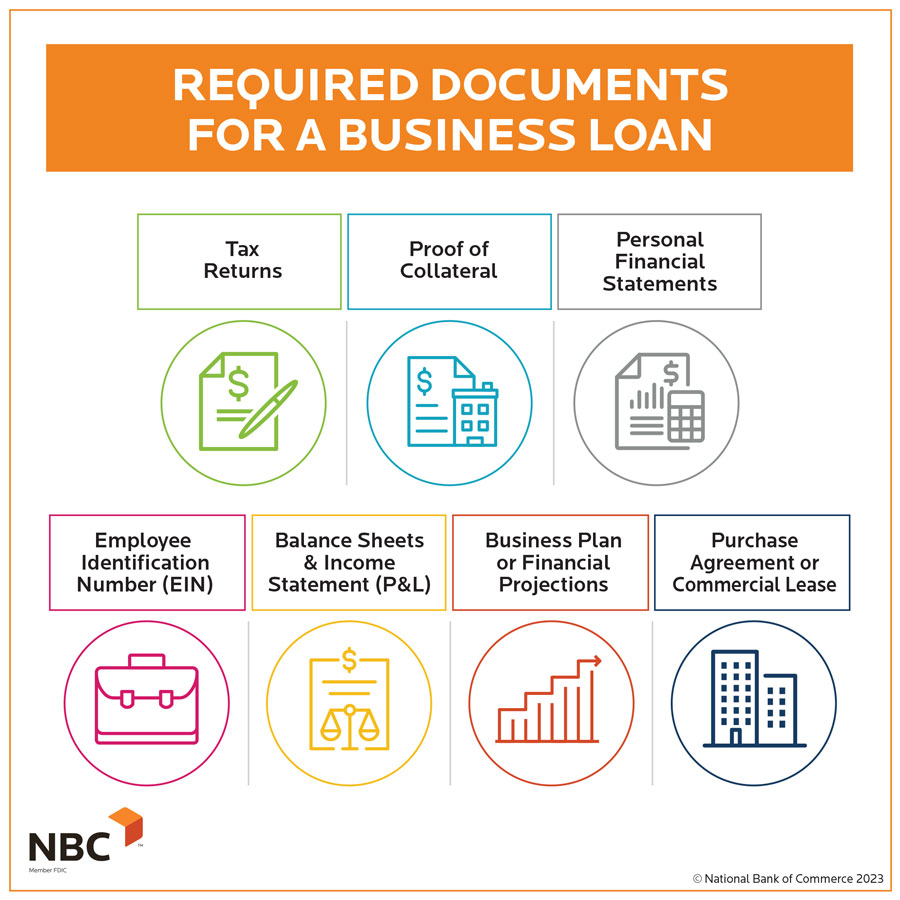
Beyond the 5 C’s, the tangible evidence of your business’s health and future potential comes in the form of a comprehensive documentation package. Presenting a well-organized and complete set of documents significantly streamlines the application process and demonstrates your professionalism.
Business Plan: Your Blueprint for Success
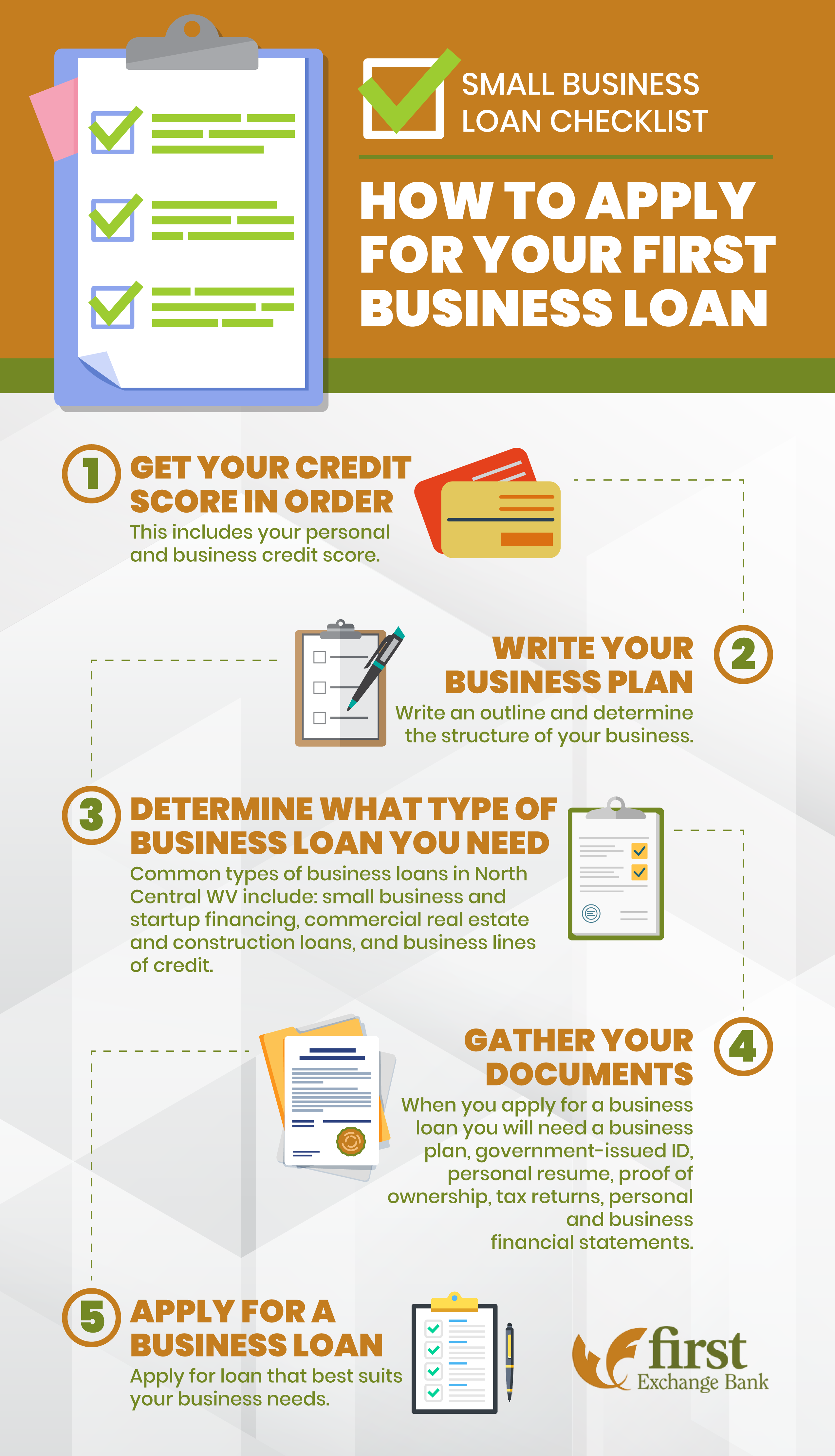
A robust and detailed business plan is the cornerstone of any loan application. It articulates your company’s mission, market analysis, organizational structure, product or service offerings, marketing and sales strategies, and, critically, your financial projections. It should clearly outline how the loan funds will be utilized and how that utilization will contribute to increased revenue and profitability, ensuring timely repayment. A compelling business plan convinces the lender that you have a clear vision and a viable strategy for success.
Financial Statements: A Clear Picture of Your Business Health
Lenders require a clear historical snapshot of your business’s financial performance. This typically includes:
- Profit and Loss (P&L) Statements: Also known as income statements, these show your revenues, costs, and profits over a specific period (e.g., quarterly, annually).
- Balance Sheets: These provide a snapshot of your company’s assets, liabilities, and equity at a particular point in time.
- Cash Flow Statements: These detail the inflow and outflow of cash, revealing your liquidity and operational efficiency.
- Tax Returns: Typically, the last 2-3 years of business tax returns (and personal tax returns for owners).
These documents are crucial for assessing your business’s capacity to repay the loan and its overall financial stability.
Personal Financial Information: Lenders Look at the Whole Picture
Especially for small businesses or startups, lenders often require personal financial statements from the principal owners. This includes personal bank statements, investment account statements, and details of personal assets and liabilities. Your personal credit score (FICO score) is also heavily weighted, as it reflects your individual financial responsibility. A strong personal credit history can often be a deciding factor, particularly if the business itself has a limited financial track record.
Legal Documents: Formalities and Compliance
You’ll need to provide legal documents confirming your business’s existence and compliance. This includes:
- Business Registration Documents: Articles of incorporation or organization, partnership agreements, or sole proprietorship certificates.
- Business Licenses and Permits: Proof that your business is legally operating in its jurisdiction.
- Employer Identification Number (EIN): Your business’s tax ID.
- Lease Agreements or Property Deeds: If applicable to your business location.
These documents confirm your business’s legal standing and operational legitimacy.
Bank Statements: Demonstrating Cash Flow
Providing the last 6-12 months of business bank statements offers a granular view of your cash flow patterns, average balances, and transactional history. This allows lenders to see how well you manage your daily finances, identify any overdrafts, and confirm the consistency of your revenue streams. It provides real-world evidence of the financial health outlined in your formal financial statements.
Navigating Different Loan Types and Lenders
Not all business loans are created equal. Understanding the various options and where to find them is critical to securing the right financing for your specific needs.
Traditional Bank Loans: SBA Loans and Term Loans
Traditional banks remain a primary source of business funding. They typically offer:
- Term Loans: A lump sum of money repaid over a fixed period with regular interest payments. Ideal for specific investments like equipment or property.
- SBA Loans: Backed by the U.S. Small Business Administration, these loans offer more flexible terms, lower down payments, and longer repayment periods, making them accessible to businesses that might not qualify for conventional bank loans.
While traditional banks often offer competitive rates, their application processes can be lengthy and require stringent qualifications.
Alternative Lenders: Online Platforms and Microloans
The rise of financial technology has ushered in a new era of alternative lending.
- Online Lenders: These platforms offer quick application processes and faster funding decisions, often with less stringent collateral requirements than traditional banks. They may specialize in certain loan types, like invoice financing or short-term working capital loans. However, interest rates can sometimes be higher.
- Microloans: Offered by non-profit organizations or community development financial institutions (CDFIs), microloans are small loans (typically under $50,000) designed for startups and small businesses, often those in underserved communities. They may come with business development support.
Lines of Credit vs. Term Loans: Choosing the Right Structure
- Term Loans are best for specific, one-time investments with a clear repayment schedule.
- Business Lines of Credit provide flexible access to funds up to a certain limit, which you can draw upon as needed and repay, making the funds available again. They are ideal for managing fluctuating cash flow, covering unexpected expenses, or financing working capital.
Equity Financing vs. Debt Financing: Understanding the Trade-offs
While the focus here is on debt financing (loans), it’s important to differentiate:
- Debt Financing: You borrow money and repay it with interest. You retain full ownership of your company.
- Equity Financing: You sell a portion of your company ownership (equity) to investors in exchange for capital. You don’t have to repay the money, but you give up some control and future profits.
The choice depends on your growth stage, risk tolerance, and willingness to share ownership.
Building a Strong Application: Tips for Success
Beyond gathering documents, strategic presentation and preparation can significantly boost your chances of approval.
Know Your Credit Score (Both Personal and Business)
Before even thinking about applying, check your personal and business credit scores. Identify any errors or negative marks and work to improve them. A higher credit score signals lower risk to lenders.
Present a Clear Use of Funds
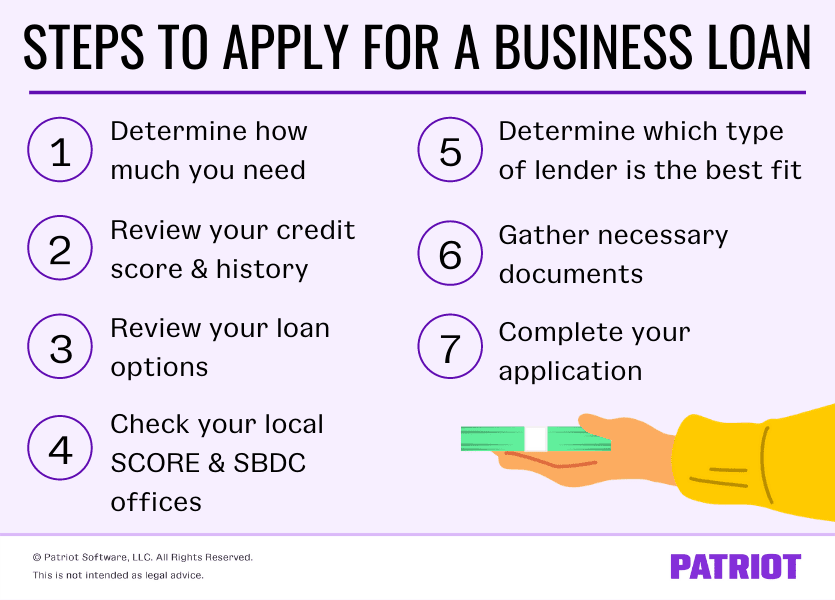
Lenders want to understand precisely how the loan money will be used and how that investment will generate a return that enables repayment. Vague requests are a red flag. Be specific and tie the loan directly to a growth strategy or operational improvement.
Demonstrate a Robust Repayment Strategy
Don’t just state you’ll repay the loan; show how. Detail your projected cash flow, highlight revenue streams, and explain how the business will generate the necessary funds. Provide contingencies for unexpected challenges.
Seek Professional Guidance
Consider consulting with a financial advisor, small business consultant, or accountant. They can help you prepare your financial statements, refine your business plan, and identify the most suitable loan products and lenders for your specific situation. Their expertise can be invaluable in crafting a compelling application.
Common Pitfalls to Avoid
Even with thorough preparation, certain missteps can derail a loan application.
Insufficient Preparation and Documentation
Submitting an incomplete application or poorly organized documents signals a lack of professionalism and attention to detail. This immediately creates a negative impression and slows down the process.
Poor Credit History
A history of late payments, defaults, or high existing debt (personal or business) is a major red flag for lenders. Proactively address these issues before applying for a loan.
Unrealistic Projections
While optimism is good, overly ambitious or unsubstantiated financial projections can undermine your credibility. Lenders prefer conservative, well-researched forecasts that demonstrate a clear path to profitability and repayment.
Applying for the Wrong Type of Loan
Applying for a short-term working capital loan when you need to finance a major equipment purchase indicates a misunderstanding of your financial needs and available products. Research and choose the loan type that best aligns with your purpose.
In conclusion, securing a business loan is a journey that demands diligence, transparency, and strategic planning. By meticulously addressing the 5 C’s of credit, preparing a comprehensive documentation package, understanding the diverse lending landscape, and avoiding common pitfalls, you significantly enhance your chances of obtaining the capital necessary to fuel your business’s success. Remember, a well-prepared borrower is a confident borrower, and confidence, backed by solid financials, is often the key to unlocking crucial funding.
aViewFromTheCave is a participant in the Amazon Services LLC Associates Program, an affiliate advertising program designed to provide a means for sites to earn advertising fees by advertising and linking to Amazon.com. Amazon, the Amazon logo, AmazonSupply, and the AmazonSupply logo are trademarks of Amazon.com, Inc. or its affiliates. As an Amazon Associate we earn affiliate commissions from qualifying purchases.