
Creating a business plan is often viewed as a daunting administrative hurdle, but in the realm of high-stakes finance and entrepreneurship, it is the most critical document you will ever produce. A business plan template serves as the blueprint for your financial future, transforming a conceptual idea into a structured, bankable asset. Whether you are launching a side hustle to generate passive income or scaling a startup for a multi-million dollar exit, the quality of your plan determines your ability to attract capital, manage risk, and ensure long-term profitability.
Writing an effective business plan template requires more than just filling in blanks; it demands a deep understanding of market mechanics, financial forecasting, and strategic positioning. By mastering the structure of this document, you provide yourself—and potential investors—with a roadmap that navigates the complexities of the modern economic landscape.
The Strategic Foundation: Defining Your Business Core
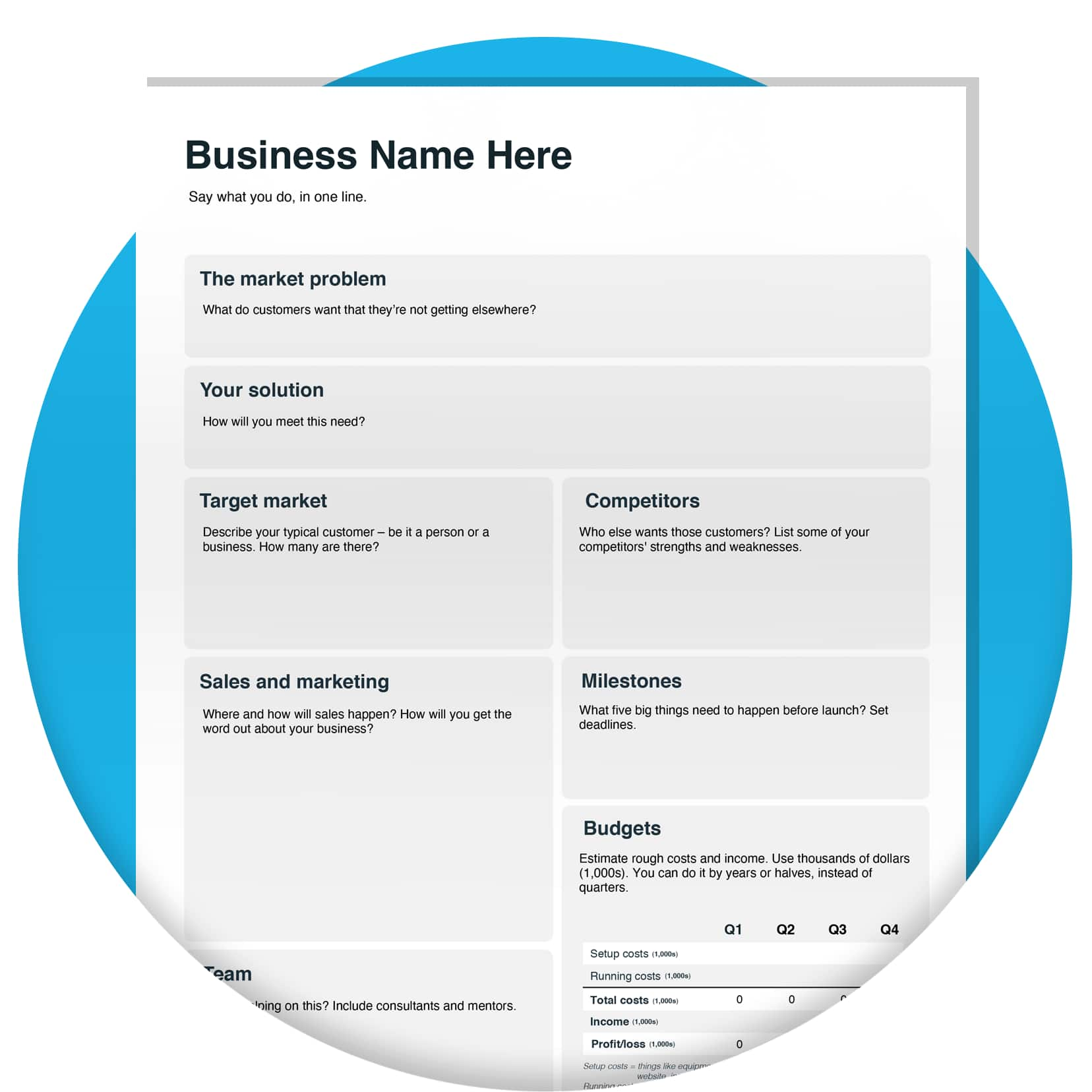
Before diving into the complex spreadsheets of a financial model, a business plan template must establish a rock-solid strategic foundation. This begins with the Executive Summary and the Company Description, two sections that act as the gatekeepers for funding and partnership opportunities.
The Executive Summary: The Financial Hook
The executive summary is arguably the most important part of your template. Although it appears first, it should be written last. For the money-conscious entrepreneur, this section must summarize the financial opportunity. It isn’t just a summary of what you do; it is a summary of how you will make money. It should highlight the problem you are solving, your unique solution, and key financial projections such as projected revenue and net profit margins over a three-to-five-year period. If you are seeking investment, this is where you clearly state your funding requirements and the anticipated return on investment (ROI).
Mission, Vision, and Value Proposition
Your business plan template must clearly articulate the “Value Proposition.” In financial terms, the value proposition is the reason a customer will choose your product or service over a competitor’s, thereby generating cash flow. Your mission statement should be concise, while your vision should look toward the future of the company’s growth. Investors look for clarity here; they want to see that you understand your niche and have a sustainable plan to capture market share.
Market Analysis and Revenue Modeling
A business plan that lacks rigorous market research is merely a wish list. To secure financing or ensure your own capital is being deployed wisely, your template must include a comprehensive analysis of the economic environment in which you will operate.
Identifying the TAM, SAM, and SOM
To build a realistic revenue model, you must calculate three critical metrics:
- Total Addressable Market (TAM): The overall market demand for a product or service.
- Serviceable Addressable Market (SAM): The segment of the TAM within your geographical reach that you can target with your current business model.
- Serviceable Obtainable Market (SOM): The portion of SAM that you can realistically capture within the first few years.
Quantifying these figures demonstrates to lenders and stakeholders that your financial goals are grounded in reality rather than optimism.
Competitor Analysis and Economic Moats
Profitability is often a function of how well you can defend your market position. Your business plan template should include a detailed competitor analysis. Identify your direct and indirect competitors and evaluate their financial strengths and weaknesses. Crucially, define your “Economic Moat”—the competitive advantage that protects your profit margins from being eroded by competitors. Whether it is a proprietary technology, a superior cost structure, or a dominant brand presence, this is what ensures your business remains a viable financial vehicle.
Mastering the Financial Plan Section
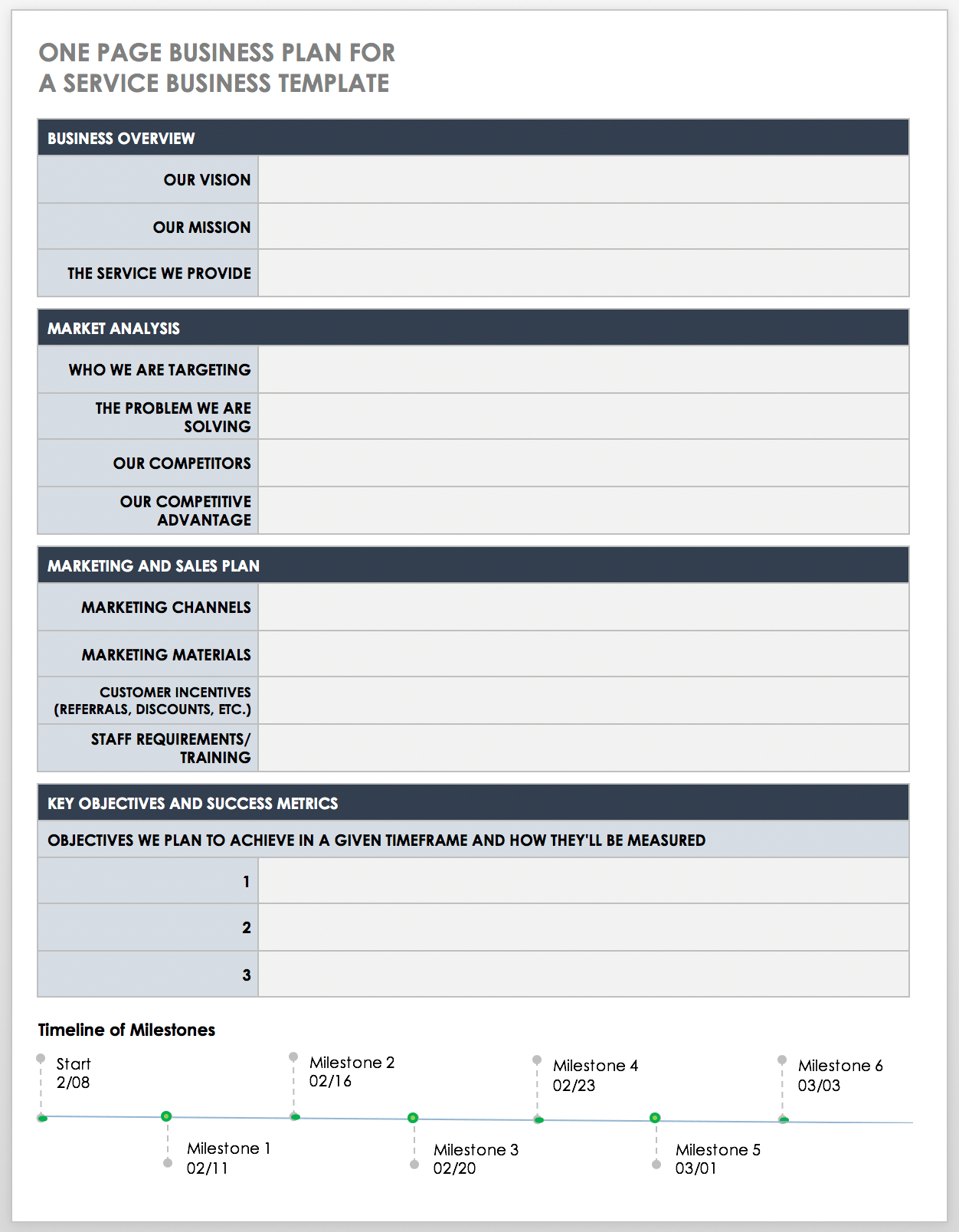
The financial section is the heart of the business plan. This is where the conceptual becomes concrete. For anyone focused on personal finance, investing, or business growth, this section requires the most precision. A robust business plan template must include at least three core financial statements.
The Income Statement (Profit and Loss)
The Income Statement provides a snapshot of your company’s profitability over a specific period. It tracks revenue, the Cost of Goods Sold (COGS), and operating expenses. When writing this section, be sure to account for both fixed costs (rent, salaries, insurance) and variable costs (materials, shipping, commissions). A high-quality template will project these figures monthly for the first year and annually for years two through five.
Cash Flow Projections: The Lifeblood of the Business
Cash flow is distinct from profit. Many profitable businesses fail because they run out of cash. Your template must include a cash flow statement that tracks the timing of money coming in and going out. This is particularly vital for side hustles or small businesses that may face seasonal fluctuations or long payment cycles from clients. Understanding your “burn rate”—the rate at which you consume cash before becoming self-sustaining—is essential for managing your personal or business finances.
The Balance Sheet and Break-Even Analysis
The balance sheet provides a summary of your assets, liabilities, and equity at a single point in time. It shows the financial health and “book value” of your business. Adjacent to this, you must conduct a Break-Even Analysis. This calculation tells you exactly how much revenue you need to generate to cover all your expenses. Knowing your break-even point is a psychological and financial milestone that informs your pricing strategy and sales targets.
Operational Logistics and Risk Mitigation
Successful wealth creation through business ownership involves minimizing downside risk while maximizing upside potential. The operational section of your business plan template outlines the logistics required to generate your projected returns.
Resource Allocation and Human Capital
How will you use your capital to drive growth? Your template should detail the physical requirements of the business, such as equipment, office space, or inventory management systems. Furthermore, it should outline your personnel needs. In the context of business finance, employees are both an investment and a liability. Clearly defining roles and the cost of talent ensures that your payroll doesn’t outpace your revenue growth.
Risk Management and Contingency Planning
Every investment carries risk. A professional business plan template does not ignore these risks; it identifies them and proposes mitigation strategies. Consider various scenarios: What happens if a key supplier raises prices by 20%? What if a new competitor enters the market with a lower price point? What if interest rates rise, increasing the cost of your debt? Including a “Sensitivity Analysis” shows that you have stress-tested your financial model and have a plan to protect your capital under adverse conditions.
The Investor’s Perspective: Turning a Template into a Pitch
If your goal is to secure external funding—whether through a bank loan, an angel investor, or a venture capital firm—your business plan template must be tailored to the audience that controls the money.
Debt vs. Equity Financing
Your template should clearly state which type of funding you are seeking. If you are pursuing a bank loan, focus heavily on your balance sheet, collateral, and your ability to service the debt through consistent cash flow. If you are seeking equity investment (selling a piece of your company), focus on your growth potential, scalability, and exit strategy. Investors want to know how they will get their money back, typically through an acquisition or an Initial Public Offering (IPO).
The “Ask” and Use of Proceeds
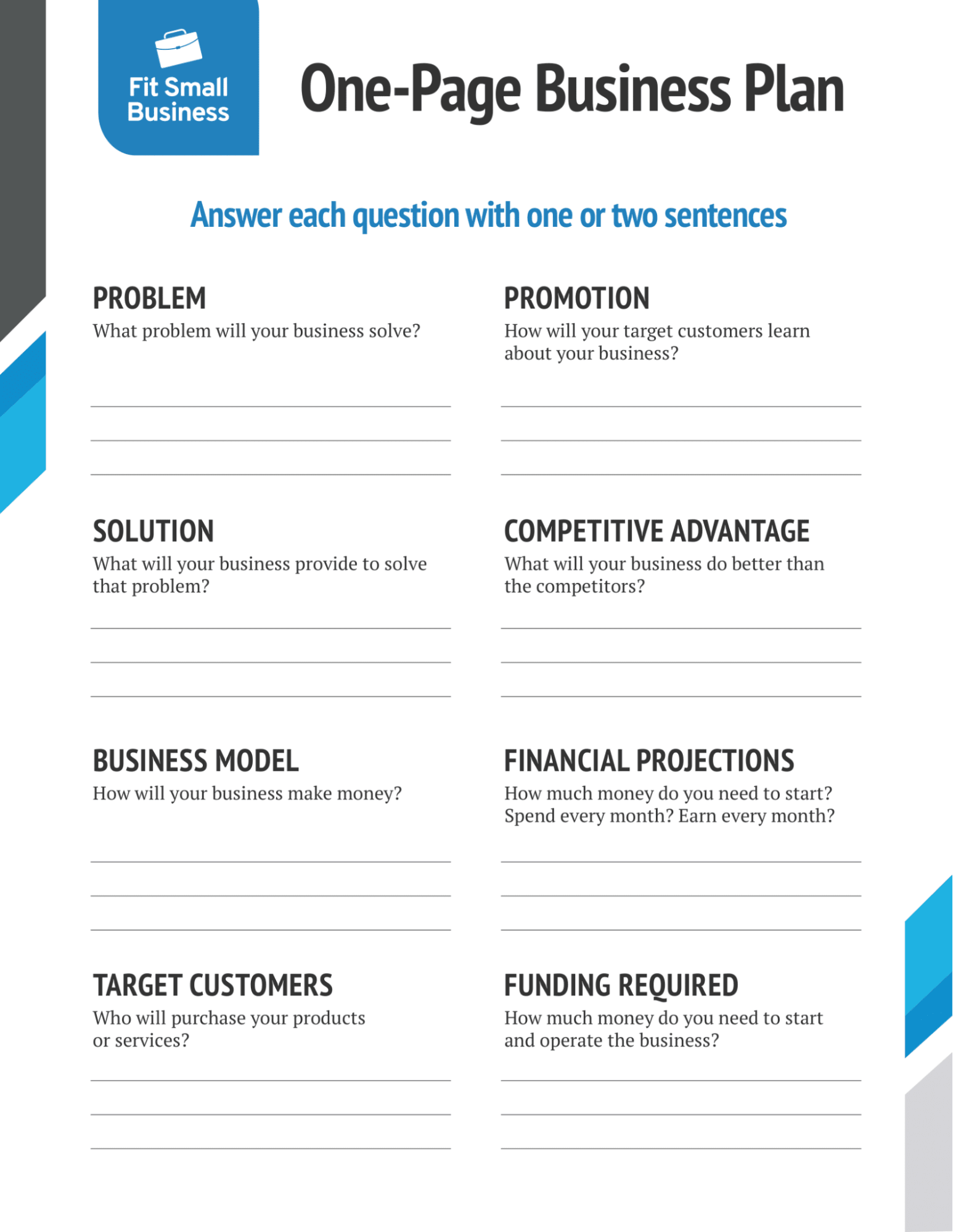
Do not be vague about how much money you need. A precise “Ask” backed by a “Use of Proceeds” table is a hallmark of financial maturity. Break down exactly where the funds will go: 40% for product development, 30% for marketing and customer acquisition, 20% for hiring, and 10% for a liquidity reserve. This level of detail builds trust with financiers and demonstrates that you are a disciplined steward of capital.
Conclusion: The Living Document
A business plan template is not a static document to be filed away once the funding is secured. In the world of finance and business, it is a living document that should be reviewed and updated quarterly. As market conditions shift and your financial tools evolve, your plan must adapt. By maintaining a rigorous, numbers-driven business plan, you ensure that your venture remains a profitable asset rather than a financial burden. Writing a business plan is the first step toward disciplined wealth management, providing the structure necessary to turn entrepreneurial vision into tangible financial success.
aViewFromTheCave is a participant in the Amazon Services LLC Associates Program, an affiliate advertising program designed to provide a means for sites to earn advertising fees by advertising and linking to Amazon.com. Amazon, the Amazon logo, AmazonSupply, and the AmazonSupply logo are trademarks of Amazon.com, Inc. or its affiliates. As an Amazon Associate we earn affiliate commissions from qualifying purchases.