
The digital age has democratized entrepreneurship, making it more accessible than ever to launch and scale a business from virtually anywhere. The allure of flexible hours, autonomy, and the potential for significant financial independence draws millions to consider starting an online venture. However, transforming a brilliant idea into a thriving online business—one that consistently generates income and builds wealth—requires far more than just technological prowess or a strong brand identity. At its core, every successful business is a financial endeavor. Understanding and mastering the financial underpinnings of your online enterprise is paramount to its longevity and profitability. This comprehensive guide will navigate the crucial financial steps, strategies, and considerations for establishing and growing a financially robust online business.
Laying the Financial Foundation for Your Online Venture
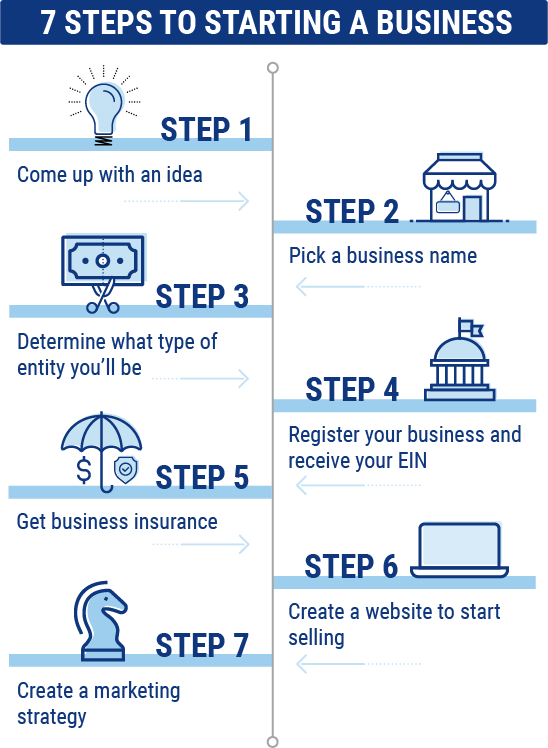
Embarking on any entrepreneurial journey demands a clear-eyed view of finances, and an online business is no exception. Before you even build your website or design your logo, a solid financial blueprint is indispensable.
Understanding Startup Costs and Funding Options
The misconception that online businesses are “free” to start can lead to significant financial missteps. While overhead can be lower than brick-and-mortar counterparts, there are definite startup costs. These typically include:
- Website and Hosting: Domain registration, web hosting services, and potentially a premium theme or website builder subscription.
- Software and Tools: Email marketing platforms, accounting software, project management tools, graphic design software, e-commerce platforms (e.g., Shopify, Etsy fees), or specific industry-related applications.
- Initial Inventory (if applicable): For e-commerce businesses, this can be a substantial upfront cost.
- Marketing and Advertising: Initial ad spend, content creation, professional photography.
- Legal and Administrative Fees: Business registration, legal consultation, acquiring necessary permits or licenses.
Identifying these costs accurately is the first step. Next, consider your funding options. Many online entrepreneurs begin by bootstrapping, using personal savings to fund their venture. This minimizes debt and maximizes control. Other options include:
- Small Business Loans: Traditional banks or online lenders offer various loan products, often requiring a solid business plan and collateral.
- Friends and Family: A common source of initial capital, though it’s crucial to treat these as formal investments with clear terms.
- Crowdfunding: Platforms like Kickstarter or Indiegogo can provide capital while simultaneously validating your product or service.
- Grants: Industry-specific or government grants can offer non-dilutive funding, though they are often competitive and niche-specific.
The goal is to secure sufficient capital to cover initial expenses and operational costs for at least the first 6-12 months, giving your business time to become profitable.
Crafting a Robust Business Plan with Financial Projections
A business plan is not merely a formality for investors; it’s a living document that serves as your financial roadmap. From a monetary perspective, it forces you to:
- Define Revenue Models: How will your business make money? (e.g., direct sales, subscriptions, advertising, commissions, service fees).
- Project Sales and Revenue: Based on market research and conservative estimates, forecast your sales volume and the revenue it will generate over time (e.g., monthly, quarterly, annually).
- Estimate Expenses: Detail all operational costs, both fixed (e.g., software subscriptions, hosting) and variable (e.g., transaction fees, marketing spend tied to sales volume).
- Conduct Break-Even Analysis: Determine the point at which your total revenue equals your total expenses, indicating when your business starts making a profit.
- Set Financial Goals: Establish clear, measurable financial targets, such as target monthly revenue, desired profit margins, and a timeline for achieving profitability.
This financial modeling allows you to stress-test your assumptions, identify potential cash flow gaps, and make informed decisions before committing significant resources.
Legal and Financial Structuring
The legal structure of your online business directly impacts your personal liability and how you’re taxed. Common structures include:
- Sole Proprietorship: Simple to set up, but offers no personal liability protection, meaning your personal assets are at risk. Income is taxed on your personal tax return.
- Limited Liability Company (LLC): Provides personal liability protection and allows for pass-through taxation (profits/losses reported on personal tax returns), or can elect to be taxed as a corporation. This is a popular choice for many online businesses due to its balance of protection and flexibility.
- S Corporation/C Corporation: More complex structures often suited for larger businesses, with specific tax implications and legal requirements.
Beyond legal structure, it’s critical to establish separate business bank accounts and credit cards. This not only simplifies bookkeeping and tax preparation but also reinforces the legal separation between your personal and business finances, which is crucial for liability protection. Understanding your basic tax obligations—from income tax to sales tax (if selling products to customers in various jurisdictions)—is also a vital early step, often requiring consultation with a tax professional.
Generating and Diversifying Online Income Streams
The digital landscape offers a myriad of ways to monetize your skills, products, and passions. Strategically identifying and developing profitable income streams is key to financial stability and growth.
Identifying Profitable Online Business Models
The “online” aspect of your business significantly expands your income-generating potential. Some of the most common and financially viable models include:
- E-commerce: Selling physical products through your own website (e.g., Shopify store), or marketplaces like Etsy, Amazon, or eBay. This can involve dropshipping, print-on-demand, or managing your own inventory. The profitability here hinges on product sourcing, efficient logistics, and effective marketing to achieve good profit margins.
- Service-Based Businesses: Offering professional services as a freelancer, consultant, or coach. This could range from web design, digital marketing, copywriting, virtual assistance, to business coaching. Profitability is often tied to your hourly rate or project fees, and the ability to scale by delegating or packaging services.
- Content Creation and Monetization: Building an audience through blogging, YouTube, podcasts, or social media. Monetization pathways include affiliate marketing (earning commissions on referred sales), advertising revenue (e.g., Google AdSense), sponsorships, and direct product sales (e.g., merch, premium content).
- Digital Products: Creating and selling downloadable products like e-books, templates, online courses, software, or stock photos. These often have high-profit margins after initial development costs, as they can be sold repeatedly without additional inventory.
- Software as a Service (SaaS): Developing and selling access to a software solution on a subscription basis. This model offers recurring revenue and high scalability, but requires significant upfront development and ongoing maintenance.
When choosing a model, consider its scalability (potential for growth without a linear increase in effort), recurring revenue potential, and your own passion and expertise.
Pricing Strategies and Value Proposition
Pricing your products or services correctly is one of the most direct ways to impact your profitability. Too low, and you undervalue your offering and struggle to cover costs; too high, and you risk alienating customers. Key strategies include:
- Cost-Plus Pricing: Calculating your total costs (production, marketing, overhead) and adding a desired profit margin. Simple, but doesn’t always reflect market value.
- Value-Based Pricing: Pricing based on the perceived value your product or service delivers to the customer, rather than just its cost. This often allows for higher prices and better margins, especially for unique solutions or high-demand services.
- Competitive Pricing: Setting prices in relation to what your competitors charge. This requires careful analysis to ensure you’re not just undercutting but strategically positioning yourself.
- Tiered Pricing: Offering different packages or versions of your product/service at varying price points to appeal to a wider range of customers and budgets (e.g., basic, premium, enterprise).
Crucially, your pricing strategy must align with your value proposition – what unique benefits or solutions you provide that justify the cost. Clearly communicating this value helps customers understand why they should invest in your offerings.
Scaling for Sustained Financial Growth
Once your online business generates consistent income, the focus shifts to strategic scaling to enhance long-term financial growth.
- Reinvesting Profits Wisely: Instead of immediately cashing out, strategically reinvest a portion of your profits back into the business. This could be for enhanced marketing, product development, technology upgrades, or hiring talent to offload tasks, ultimately fueling further growth.
- Automating Processes: Leveraging technology to automate repetitive tasks (e.g., email sequences, social media scheduling, inventory management, customer support FAQs) can significantly reduce operational costs and free up your time for high-value activities that directly impact revenue.
- Expanding Product/Service Lines: Once you have a loyal customer base, consider complementary products or services that address additional needs, creating new income streams.
- Exploring New Markets: If your current market is saturated or slowing, research opportunities to expand into new geographic regions or demographic segments.
Scaling isn’t just about getting bigger; it’s about getting more efficient and profitable. Each decision should be evaluated for its potential financial return.
Mastering Business Finance & Profitability
Understanding how money flows in and out of your business, and having the tools to track and analyze it, is non-negotiable for sustained financial health.
Essential Financial Management Practices
Effective financial management prevents cash flow crises and informs strategic decision-making.
- Bookkeeping and Accounting Basics: Meticulously record all transactions—income received, expenses paid, assets, and liabilities. This isn’t just for tax season; it provides a real-time snapshot of your financial position.
- Tracking Income and Expenses: Categorize every transaction accurately. This helps you understand where your money is coming from and going to, and identify areas for cost reduction or investment.
- Utilizing Financial Software: Tools like QuickBooks, FreshBooks, or Xero can automate much of your bookkeeping, generate financial reports, and integrate with your bank accounts and payment processors.
- Understanding Financial Statements: Learn to interpret your Profit & Loss (Income) Statement (reveals profitability over a period), Balance Sheet (snapshot of assets, liabilities, and equity at a point in time), and Cash Flow Statement (shows cash inflows and outflows). These reports are your business’s vital signs.
Cash Flow Management and Budgeting
“Cash is king” is a common adage in business for a reason. You can be profitable on paper, but if you don’t have enough cash to cover your immediate expenses, your business can fail.
- Forecasting Cash Flow: Regularly project your expected cash inflows and outflows over the coming weeks and months. This helps anticipate shortages and plan for periods of lower revenue.
- Managing Receivables and Payables: Promptly collect payments from customers (receivables) and strategically manage when you pay your suppliers (payables) to optimize cash on hand.
- Creating and Sticking to Operational Budgets: Allocate specific amounts for various business functions (marketing, tools, salaries). Regularly compare actual spending to your budget to identify deviations and adjust accordingly.
- Building an Emergency Fund: Just like personal finance, having a business emergency fund (e.g., 3-6 months of operating expenses) provides a crucial buffer against unexpected downturns or large expenses.
Analyzing Key Financial Performance Indicators (KPIs)
Financial KPIs offer measurable insights into your business’s performance, guiding your strategic decisions.
- Gross Profit Margin: (Revenue – Cost of Goods Sold) / Revenue. Indicates how much profit you make from each sale before considering overhead.
- Net Profit Margin: (Net Income / Revenue) * 100. Shows the percentage of revenue left after all expenses, including taxes, have been deducted.
- Customer Acquisition Cost (CAC): Total marketing and sales spend / Number of new customers acquired. How much it costs to get one new customer.
- Customer Lifetime Value (CLV): Average revenue per customer * Average customer lifespan. The total revenue a business can reasonably expect from a single customer account. Ideally, CLV should significantly exceed CAC.
- Return on Investment (ROI): (Net Profit from Investment / Cost of Investment) * 100. Measures the efficiency of an investment or a specific marketing campaign.
- Conversion Rates: The percentage of visitors who complete a desired action (e.g., make a purchase, sign up for a newsletter). Directly impacts revenue.
By regularly tracking and analyzing these KPIs, you can pinpoint areas of strength, identify inefficiencies, and make data-driven financial adjustments to boost profitability.
Strategic Financial Planning for Long-Term Success
A truly sustainable online business looks beyond immediate profits, engaging in strategic financial planning to ensure long-term stability and growth, both for the business and for its owner.
Planning for Taxes and Legal Compliance
Tax obligations for online businesses can be complex due to varying state, national, and international laws, especially concerning sales tax for digital products or services across borders.
- Understanding Quarterly Estimated Taxes: If you’re a sole proprietor or LLC owner, you’re generally required to pay estimated income taxes quarterly to avoid penalties.
- Deductible Expenses: Familiarize yourself with legitimate business deductions (e.g., home office expenses, software subscriptions, marketing costs, travel for business) to minimize your taxable income.
- Sales Tax Collection and Remittance: If your business has a “nexus” (a significant presence) in certain states or countries, you may be obligated to collect and remit sales tax. Tools and services can help automate this.
- Staying Compliant: Regularly consult with tax professionals and legal experts to ensure your business adheres to all relevant financial regulations and reporting requirements, avoiding costly penalties.
Proactive tax planning, rather than reactive scrambling, is a cornerstone of sound business finance.
Personal Finance Integration and Exit Strategies
Your business’s financial health is intrinsically linked to your personal financial well-being.
- How Business Income Impacts Personal Finances: Clearly define how and when you will pay yourself (salary, owner’s draw, distributions). This impacts your personal budget, savings, and investments.
- Setting Up Owner’s Pay/Draws: Establish a consistent, sustainable method for compensating yourself. Avoid erratic withdrawals that can destabilize business cash flow.
- Considering Future Personal Financial Goals: Use your online business as a vehicle to achieve personal financial goals, such as saving for retirement, a down payment on a home, or funding education. Understand how business profits can be strategically channeled into personal wealth creation.
- Thinking About Potential Exit Strategies: While it may seem premature, considering how you might eventually exit your business (e.g., selling it, passing it on, closing it down) can influence your financial decisions from the outset. Understanding business valuation metrics (e.g., multiples of revenue or profit) provides insight into your business’s potential future worth.
An online business is not just a source of income; it’s a significant asset that, if managed correctly, can contribute substantially to your overall financial portfolio.

Conclusion
Starting your own business online is an exciting path to financial independence and personal fulfillment. However, its success hinges unequivocally on astute financial management. From meticulously planning your startup costs and funding to strategically generating and diversifying income, mastering your business’s cash flow, and engaging in proactive financial planning, every step must be anchored in sound monetary principles. By prioritizing financial literacy and disciplined management, you can transform your online venture from a mere idea into a thriving, profitable enterprise that empowers your financial future. The digital world provides the platform; your financial acumen builds the empire.
aViewFromTheCave is a participant in the Amazon Services LLC Associates Program, an affiliate advertising program designed to provide a means for sites to earn advertising fees by advertising and linking to Amazon.com. Amazon, the Amazon logo, AmazonSupply, and the AmazonSupply logo are trademarks of Amazon.com, Inc. or its affiliates. As an Amazon Associate we earn affiliate commissions from qualifying purchases.