
Embarking on the entrepreneurial journey in the United States is an aspiration shared by millions. The USA offers a dynamic landscape for business growth, yet navigating its complexities, particularly the financial and legal aspects, can be daunting. This guide is crafted specifically through the lens of Money, focusing on the critical financial planning, funding strategies, legal structures with their tax implications, and ongoing financial management essential for successfully launching and sustaining a company in the USA. Understanding these monetary facets is not just about crunching numbers; it’s about building a resilient and profitable enterprise from the ground up.
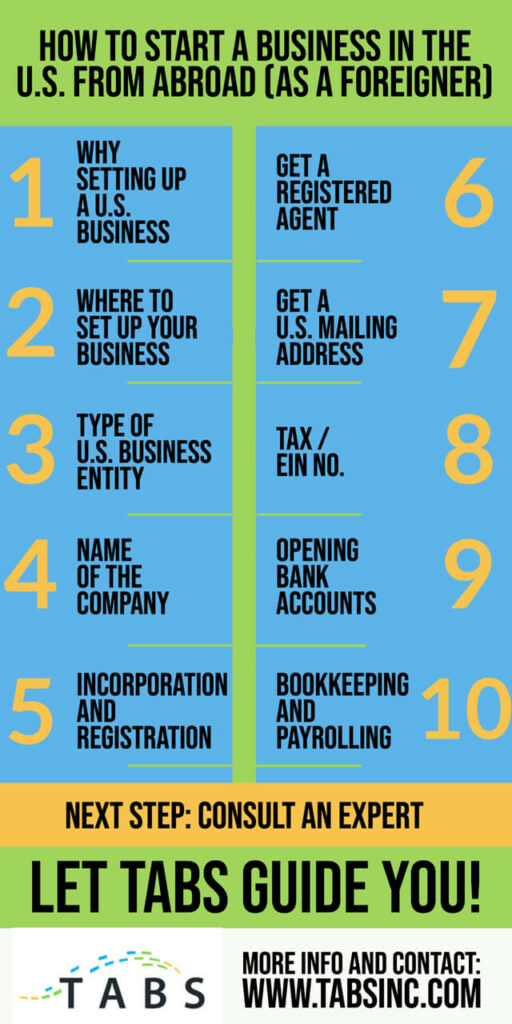
Laying the Financial Foundation: Planning & Funding Your Venture
Every successful company begins with a solid financial blueprint. Before you even register your business, a clear understanding of your financial needs, potential income streams, and funding options is paramount. This initial phase dictates the viability and trajectory of your nascent enterprise.
Calculating Your Startup Capital Needs
The first step in any financial endeavor is to understand how much money you’ll need. Startup costs can vary wildly depending on the industry, business model, and scale. These typically fall into two categories: one-time initial expenses and ongoing operational costs.
- Initial Expenses: This includes costs like business registration fees (state and federal), legal fees for incorporation, intellectual property registration (trademarks, patents), initial inventory or equipment purchases, website development, branding and marketing materials, and lease deposits for office space or retail locations. Don’t forget professional services like initial accounting setup or legal consultation, which are crucial.
- Operational Costs: These are recurring expenses necessary to keep your business running. They include rent, utilities, salaries and benefits for employees, marketing and advertising spend, software subscriptions, insurance premiums, and raw materials or inventory replenishment. A common pitfall is underestimating the initial period before profitability, so it’s wise to budget for at least 6-12 months of operational expenses without any revenue. This financial buffer is critical for survival during the early, lean months. Accurately projecting these costs requires thorough market research and industry benchmarking.
Navigating Funding Avenues
Once you have a clear picture of your capital requirements, the next challenge is securing the funds. The USA boasts a diverse ecosystem of funding opportunities, each with its own advantages and prerequisites.
- Bootstrapping: This involves self-funding your company, often through personal savings, credit cards, or early sales revenue. It allows for complete control and avoids debt or equity dilution but can limit growth speed and involve significant personal risk. Many successful “online income” ventures start as side hustles and are bootstrapped initially.
- Small Business Loans: Traditional banks and credit unions offer various loan products for small businesses, often backed by the U.S. Small Business Administration (SBA). SBA loans can offer favorable terms, lower down payments, and longer repayment periods, making them an attractive option for qualified businesses. Eligibility often depends on a solid business plan, good personal credit, and sometimes collateral.
- Angel Investors & Venture Capital (VC): For businesses with high growth potential, particularly in the tech sector or disruptive industries, angel investors (wealthy individuals investing personal capital) and venture capital firms (institutional investors managing pooled funds) can provide substantial funding. In return, they typically take an equity stake in your company and often offer mentorship. This route is highly competitive and requires a compelling business plan, a strong team, and a clear exit strategy for investors.
- Crowdfunding: Platforms like Kickstarter and Indiegogo allow businesses to raise capital from a large number of individuals, often in exchange for a product, service, or small equity stake. This method can also serve as market validation and early customer acquisition.
- Grants: Various government agencies and private foundations offer grants to businesses that align with specific objectives, such as innovation, job creation, or environmental sustainability. Grants do not require repayment but are highly competitive and often come with strict reporting requirements.
- Friends and Family: Often the first external source of capital, these investments can come with fewer strings attached than institutional funding but require clear agreements to avoid straining personal relationships.
Crafting a Robust Financial Plan
A comprehensive financial plan is more than just a document; it’s a strategic roadmap. It typically includes projected income statements, balance sheets, and cash flow statements for the next 3-5 years.
- Revenue Projections: Realistically forecasting sales based on market size, pricing strategy, and marketing efforts.
- Expense Projections: Detailed breakdown of both fixed and variable costs.
- Break-Even Analysis: Determining the point at which your total costs and total revenue are equal, indicating when your business will start generating a profit. This is a critical metric for understanding your financial viability.
- Sensitivity Analysis: Examining how changes in key assumptions (e.g., sales volume, cost of goods) would impact your financial outcomes.
- Capital Expenditure Plan: Outlining investments in assets like property, equipment, or technology.
An effective financial plan serves as a living document, guiding your decision-making, helping you secure financing, and tracking your progress against financial goals.
Legal Structure & Tax Implications: Choosing Your Entity Wisely
Choosing the correct legal structure for your company is one of the most critical decisions you’ll make. It directly impacts your personal liability, the complexity of your tax obligations, and your ability to raise capital. This decision has significant financial ramifications.
Deciphering Business Entity Types
The USA offers several common business structures, each with distinct advantages and disadvantages from a financial and liability perspective.
- Sole Proprietorship: The simplest and least expensive structure to set up. The business owner and the business are legally one and the same. This means personal assets are not protected from business debts and liabilities. Profits are taxed once as personal income. Ideal for a “side hustle” or a very small, low-risk venture initially, but often transitions as the business grows.
- Partnership (General Partnership, Limited Partnership, Limited Liability Partnership): Similar to a sole proprietorship but involves two or more owners. General partners have unlimited personal liability. Limited partnerships offer limited liability to passive investors. LLPs provide limited liability to all partners, commonly used by professional services. Taxation is generally “pass-through,” meaning profits are taxed at the individual partner level.
- Limited Liability Company (LLC): A popular choice for small to medium-sized businesses, an LLC offers personal liability protection similar to a corporation while maintaining the “pass-through” taxation benefits of a partnership or sole proprietorship. This hybrid structure protects personal assets from business debts and lawsuits. LLCs can elect to be taxed as a sole proprietorship, partnership, S-Corp, or C-Corp, offering significant flexibility in tax planning.
- S Corporation (S-Corp): This structure allows profits and losses to be passed directly to the owners’ personal income without being subject to corporate tax rates, similar to a partnership. The key advantage over an LLC taxed as a partnership is that S-Corp owners who work for the company can be paid a reasonable salary, with remaining profits distributed as dividends, which are not subject to self-employment taxes (Social Security and Medicare), offering potential tax savings. It has more administrative requirements than an LLC.
- C Corporation (C-Corp): A C-Corp is a separate legal entity from its owners, offering the strongest liability protection. Profits are taxed at the corporate level, and then again when distributed to shareholders as dividends (known as “double taxation”). However, C-Corps offer unlimited growth potential, the ability to raise capital through stock sales, and attractive benefits for employees. It’s often the preferred structure for businesses planning to seek venture capital or eventually go public.
The choice of entity should be made in consultation with legal and financial advisors, weighing liability protection, tax implications, administrative burden, and future growth plans.
Essential Financial Registrations
Beyond choosing a legal structure, several key financial registrations are mandatory to operate legally and efficiently.
- Employer Identification Number (EIN): Issued by the IRS, this nine-digit number is like a Social Security number for your business. It’s required for most business entities (LLCs, corporations, partnerships) to open a business bank account, file taxes, and hire employees. A sole proprietor might use their SSN, but an EIN is generally recommended for separating personal and business finances.
- State and Local Tax IDs: Depending on your state and locality, you may need additional tax identification numbers for state income tax, sales tax, or payroll taxes. Compliance here is crucial to avoid penalties.
- Business Licenses and Permits: The types and costs of licenses and permits vary significantly by industry, location, and specific business activities. These can range from general business licenses to specialized permits for health, safety, environmental, or professional services. Researching these requirements early can prevent costly delays or fines.

Setting Up Your Business Banking
One of the most fundamental financial steps is establishing separate bank accounts for your business. This is not merely a formality; it’s a cornerstone of sound financial management.
- Separation of Finances: Keeping personal and business finances distinct simplifies accounting, makes tax preparation easier, and is often a legal requirement for LLCs and corporations to maintain their liability protection.
- Professionalism: A dedicated business bank account and credit cards lend credibility to your operations, especially when dealing with suppliers, customers, and lenders.
- Access to Business Credit: Establishing a separate business credit profile is essential for securing business loans, lines of credit, and vendor credit in the future. Building good business credit can unlock better terms and larger funding opportunities.
Mastering Operational Finances: Budgeting, Accounting & Compliance
Once your company is established, ongoing financial management becomes paramount. This involves meticulous budgeting, accurate accounting, and diligent adherence to tax regulations. Neglecting these areas can lead to severe financial distress or legal complications.
Implementing Effective Budgeting and Cash Flow Management
Budgeting is your financial roadmap for day-to-day operations, ensuring you don’t overspend and can meet your obligations. Cash flow management, meanwhile, focuses on the movement of money in and out of your business.
- Developing an Operating Budget: Create a detailed budget outlining projected revenues and expenses over a specific period (monthly, quarterly, annually). This helps you allocate resources, track spending, and make informed financial decisions. Regular review and adjustment of your budget are crucial for responsiveness.
- Monitoring Cash Flow: Even profitable businesses can fail due to poor cash flow. It’s essential to track incoming and outgoing cash to ensure you always have enough liquidity to cover immediate expenses. Strategies include managing receivables (invoicing promptly, following up on late payments), managing payables (negotiating payment terms with suppliers), and maintaining a cash reserve.
- Working Capital Management: Efficiently managing your current assets (cash, inventory, receivables) and current liabilities (payables, short-term debt) to optimize liquidity and operational efficiency.
The Imperative of Sound Accounting Practices
Accurate and consistent accounting provides the data you need to understand your company’s financial health, make strategic decisions, and comply with tax laws.
- Bookkeeping Basics: This involves recording all financial transactions—sales, purchases, payments, and receipts. Whether you use manual ledgers, spreadsheets, or dedicated accounting software, consistency is key.
- Choosing Accounting Software: Investing in accounting software (e.g., QuickBooks, Xero, FreshBooks) can automate many bookkeeping tasks, generate financial reports, track expenses, and simplify payroll. These financial tools are invaluable for efficiency and accuracy.
- Generating Financial Statements: Regularly producing an income statement (profit and loss), balance sheet, and cash flow statement is essential. These reports offer insights into your profitability, assets, liabilities, and liquidity. You may also need to hire a qualified accountant or bookkeeper, especially as your business grows or if transactions become complex.
Understanding Your Tax Obligations
Tax compliance is a complex but non-negotiable aspect of running a business in the USA. The type and amount of taxes you owe depend on your business structure, industry, revenue, and location.
- Federal Taxes: This primarily includes income tax (corporate or individual, depending on entity), payroll taxes (Social Security, Medicare, federal unemployment tax if you have employees), and potentially excise taxes. Businesses often need to make estimated tax payments quarterly to the IRS.
- State and Local Taxes: These can include state income tax, sales tax (if you sell taxable goods or services), property tax (on real estate or equipment), and various licensing fees or specific industry taxes. Each state has unique regulations, and nexus (the connection between your business and a state) determines where you need to collect and remit sales tax.
- Tax Deductions and Credits: Understanding eligible business expenses and tax credits can significantly reduce your tax burden. Common deductions include operating expenses, employee benefits, insurance premiums, and interest on business loans. Consulting with a tax professional is highly recommended to optimize your tax strategy and ensure compliance.
Protecting Your Investment & Planning for Growth
Starting a company is a significant investment of time, effort, and money. Protecting this investment through proper insurance and strategic financial planning for future growth is crucial for long-term success.
Insuring Your Business Assets and Operations
Insurance is not merely an expense; it’s a vital financial safeguard against unforeseen events that could otherwise cripple your business.
- General Liability Insurance: Protects your business from claims of bodily injury or property damage caused by your operations, products, or services.
- Property Insurance: Covers damage to your business property (buildings, equipment, inventory) from perils like fire, theft, or natural disasters.
- Professional Liability Insurance (Errors & Omissions): Essential for service-based businesses, covering claims of negligence, errors, or omissions in the professional services you provide.
- Workers’ Compensation Insurance: Required in most states if you have employees, covering medical expenses and lost wages for employees injured on the job.
- Cyber Liability Insurance: Increasingly important in the digital age, protecting against losses from data breaches and cyberattacks.
The cost of insurance varies widely based on industry, size, location, and coverage limits. Thoroughly assess your risks and secure adequate coverage to protect your financial stability.

Strategic Financial Growth and Reinvestment
Once your company achieves profitability, strategic decisions about reinvesting profits are critical for sustainable growth.
- Reinvestment Strategies: Deciding whether to reinvest profits back into the business (e.g., expanding operations, research and development, hiring more staff, upgrading technology) or distribute them to owners. Smart reinvestment can fuel accelerated growth and increase market share.
- Managing Profits: Balancing short-term liquidity needs with long-term growth objectives. This might involve building larger cash reserves, paying down debt, or funding new initiatives.
- Future Funding Rounds: As your business scales, you may need additional capital for significant expansion. Understanding the financial implications of seeking further investment (e.g., equity dilution, debt covenants) is crucial. Strong financial performance and a clear growth strategy make your business more attractive to investors.
Starting a company in the USA is a multifaceted endeavor, but by prioritizing the financial aspects from inception, you can build a resilient and thriving business. From meticulous financial planning and securing appropriate funding to choosing the right legal structure and diligently managing your ongoing finances, every monetary decision lays a brick in the foundation of your entrepreneurial success. With careful planning, sound financial management, and a focus on compliance, your company will be well-positioned for long-term prosperity.
aViewFromTheCave is a participant in the Amazon Services LLC Associates Program, an affiliate advertising program designed to provide a means for sites to earn advertising fees by advertising and linking to Amazon.com. Amazon, the Amazon logo, AmazonSupply, and the AmazonSupply logo are trademarks of Amazon.com, Inc. or its affiliates. As an Amazon Associate we earn affiliate commissions from qualifying purchases.