
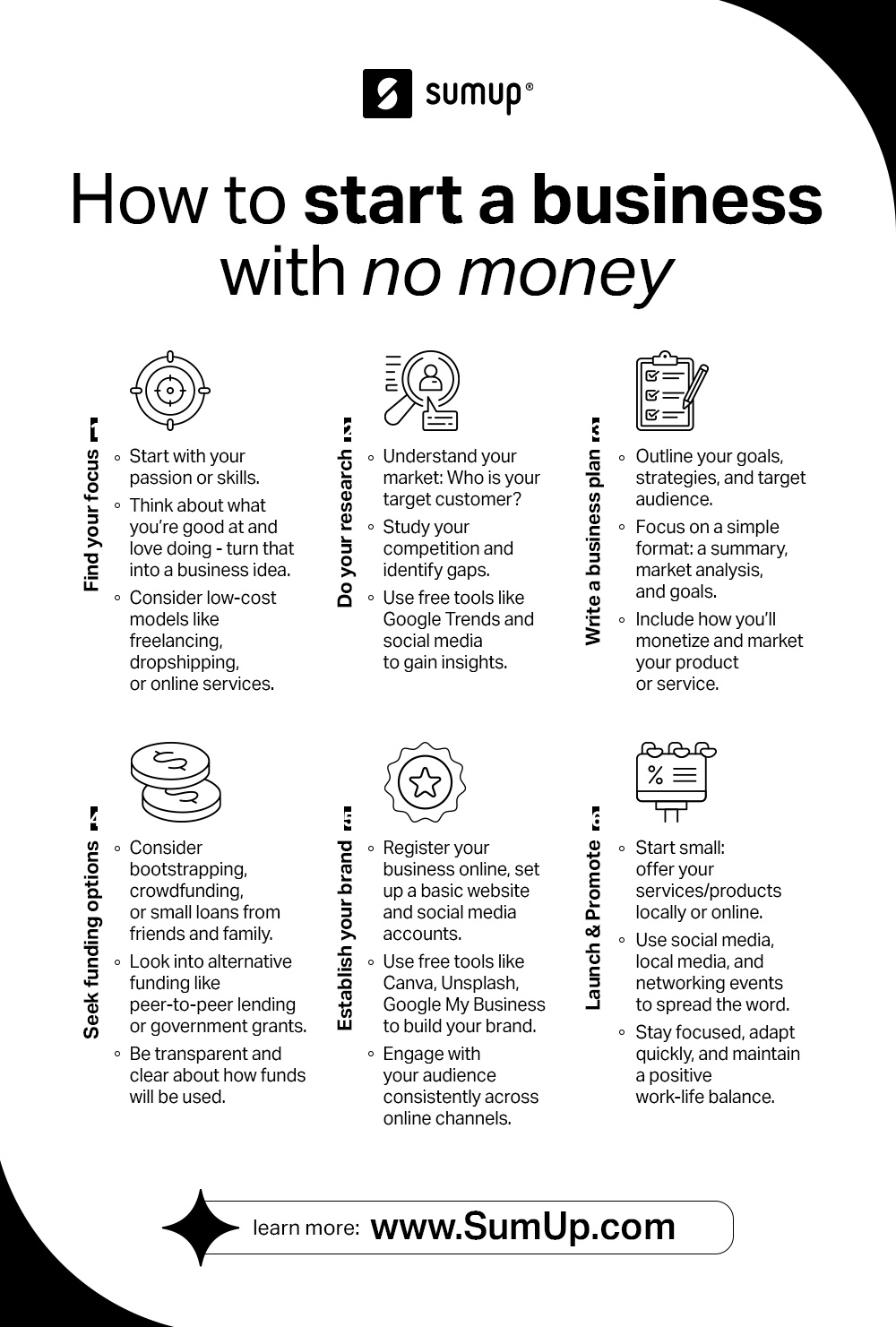
The dream of entrepreneurship often feels inextricably linked to a hefty initial investment. Many aspiring business owners find themselves paralyzed by the perceived need for significant capital, believing that without a substantial financial war chest, their ambitions are doomed. However, this belief is a pervasive myth. In today’s dynamic economic landscape, fueled by digital tools, abundant information, and a global marketplace, it is entirely possible to launch, grow, and even thrive in a business venture starting with virtually no money. This guide will dismantle the misconception that money is a prerequisite for innovation and offer actionable strategies to transform your skills, creativity, and drive into a revenue-generating enterprise, all while keeping your wallet firmly shut.

The Mindset Shift: From Capital to Creativity
The foundational step in starting a business without money isn’t about finding hidden cash; it’s about fundamentally changing your perspective. Traditional business models often demand significant upfront capital for inventory, storefronts, equipment, and marketing. A lean, no-money approach, however, demands a re-evaluation of what constitutes “capital” and a fierce embrace of creativity as your primary asset.
Re-evaluating “No Money”: Your Hidden Assets
When you think you have “no money,” you’re likely overlooking a wealth of non-financial assets at your disposal. Your skills, knowledge, experience, network, time, and even existing personal items or digital access can all be leveraged.
- Skills & Expertise: What are you good at? What do people ask you for help with? These could be anything from writing and graphic design to web development, social media management, cooking, organizing, or even specialized consulting in your professional field. These are immediate, sellable services.
- Network: The people you know – friends, family, former colleagues, acquaintances – represent a valuable resource for initial clients, feedback, referrals, and even potential partnerships. Don’t underestimate the power of word-of-mouth.
- Time & Dedication: While not a financial asset, your time is your most precious commodity. Dedicating consistent effort, even a few hours a day, can build momentum that money cannot buy.
- Existing Tools: You likely already own a smartphone, a computer, and have internet access. These are the fundamental tools for a vast array of digital businesses.
Embracing the Lean Startup Philosophy
The lean startup methodology is your guiding star. Instead of building a perfect, fully-featured product or service from day one, the lean approach advocates for developing a Minimum Viable Product (MVP). An MVP is the simplest version of your offering that can deliver core value to customers, allowing you to gather feedback and iterate quickly.
- Validate Before You Invest: The goal is to prove market demand for your idea before sinking significant resources into it. This often involves pre-selling a service, creating a simple landing page to gauge interest, or offering a beta version of a product for free.
- Bootstrapping: This means funding your business exclusively from personal savings, the cash flow generated by the business itself, or revenue from early sales. It forces financial discipline and creativity in resource allocation.
- Agility and Iteration: Be prepared to pivot. Customer feedback is invaluable, guiding your development and ensuring you’re building something people actually want and will pay for. This iterative process saves money by preventing investment in features or products that have no market.
The Power of Problem-Solving
Every successful business solves a problem or fulfills a need. Your journey to starting without money begins by keenly observing the world around you and identifying pain points that you, with your existing skills and resources, can address.
- Identify Market Gaps: What services are underserved in your local community or online niche? What frustrations do people express?
- Focus on Value Creation: Instead of focusing on what you don’t have (money), focus on the immense value you can create for others. When you genuinely solve a problem, customers are willing to pay.
- Start Small, Think Big: Don’t try to solve all problems at once. Pick one specific, immediate problem you can tackle effectively and affordably, then scale from there.
Leveraging Your Skills and Network for Profit
With a refined mindset, the next step is to actively deploy your existing assets – your skills and your network – to generate initial income. This often means starting with a service-based business, which typically requires the least financial outlay.
Service-Based Businesses: Your Skills Are Currency
Service-based businesses are the quintessential “no money” startup because your inventory is your expertise and your delivery mechanism is your time and effort.
- Freelancing: Offer your professional skills directly to clients. This could include:
- Writing & Editing: Content creation, copywriting, proofreading, technical writing.
- Graphic Design: Logos, marketing materials, social media graphics.
- Virtual Assistant Services: Administrative tasks, email management, social media scheduling.
- Web Development & Design: Building simple websites, e-commerce stores, or landing pages.
- Consulting: Leveraging your professional experience to advise individuals or businesses.
- Tutoring & Coaching: Teaching a language, an academic subject, or offering life/business coaching.
- Local Services: Consider services for your community that require minimal equipment:
- Pet Sitting/Walking: Leveraging your love for animals.
- House Cleaning/Organization: Using basic supplies you likely already have.
- Yard Work/Gardening: Utilizing personal tools or borrowing.
- Handyman Services: If you’re skilled with repairs.
The key is to identify a skill that is in demand and that you can provide reliably and professionally. Platforms like Upwork, Fiverr, Toptal, or even local community groups on social media can be starting points for finding clients.
The Gig Economy and Side Hustles as Launchpads
While not always “businesses” in the traditional sense, engaging in the gig economy or starting a side hustle can be an excellent way to generate initial capital and gain entrepreneurial experience without significant upfront investment.
- Ridesharing/Delivery Services: Platforms like Uber, Lyft, DoorDash, or Instacart allow you to use your existing vehicle and time to earn money on a flexible schedule. The income generated can then be strategically reinvested into your zero-cost business idea.
- Task-Based Services: Websites like TaskRabbit connect you with people needing help with odd jobs, from furniture assembly to errands.
- Selling Unused Items: Clear out your closet, garage, or attic. Platforms like eBay, Facebook Marketplace, or local consignment shops allow you to convert unused items into cash, which can then serve as your “seed funding.”
These activities not only provide immediate income but also help you develop crucial business skills such as customer service, time management, and financial tracking, all invaluable for your ultimate entrepreneurial venture.
Building a Network and Seeking Collaborations
Your network is not just for finding initial clients; it’s a fertile ground for strategic partnerships and collaborations that can amplify your reach and resources without costing money.
- Referral Partnerships: Connect with businesses or individuals who serve a similar target audience but offer complementary, non-competing services. You can refer clients to each other, expanding both your customer bases organically.
- Joint Ventures: Partner with someone who has a skill set or resource you lack, and vice-versa. For example, a graphic designer could partner with a copywriter to offer a complete branding package.
- Community Engagement: Actively participate in professional groups, online forums, and local business associations. Offer help, share insights, and build genuine relationships. Opportunities often arise from these interactions.
Building trust and relationships takes time, but it’s a zero-cost investment that yields immense returns in terms of credibility, opportunities, and extended reach.

Digital Strategies for Zero-Cost Launch
The internet is arguably the greatest equalizer for aspiring entrepreneurs without capital. It provides free or very low-cost avenues for marketing, sales, and even product delivery, allowing anyone with a computer and internet connection to establish a global presence.
Harnessing Free Digital Platforms
Leverage the power of platforms that offer free tiers and robust functionalities to establish your online presence.
- Social Media Marketing: Create professional profiles on platforms relevant to your target audience (e.g., LinkedIn for B2B, Instagram/TikTok for visual brands, Facebook for broader community engagement). Consistently share valuable content, engage with your audience, and build a following. This is a powerful, free way to build brand awareness and attract customers.
- Free Website Builders & Landing Pages: Platforms like Google Sites, Carrd, or even the basic free tier of WordPress.com can host a simple, professional-looking website or landing page to showcase your services, collect leads, and establish legitimacy. Focus on clarity and a strong call to action rather than complex features.
- Email Marketing with Free Tiers: Services like MailerLite or Mailchimp offer free plans for managing small subscriber lists. Build an email list by offering a free resource (e-book, checklist, webinar) in exchange for an email address. This allows you to communicate directly with potential and existing customers without advertising costs.
- Online Marketplaces: For selling products, consider platforms like Etsy (for crafts/digital products), Gumroad (for digital products), or even Facebook Marketplace, which often have low or no upfront costs, taking a small commission only upon sale.
Content Creation as a Marketing Engine
Content marketing is a long-term, highly effective, and largely free strategy for building authority, attracting an audience, and generating leads.
- Blogging: Start a free blog (e.g., on WordPress.com, Medium, or LinkedIn Articles) where you share your expertise, offer solutions to common problems, and demonstrate your value. Optimizing for search engines (SEO) can bring organic traffic over time.
- Vlogging/Podcasting: If you’re comfortable on camera or with audio, create a YouTube channel or a free podcast. Share tutorials, interviews, insights, and behind-the-scenes glimpses. These formats allow for deeper connection with your audience.
- Guest Posting/Collaborations: Offer to write articles for other established blogs or participate in podcasts within your niche. This exposes your business to a new audience and builds your credibility through association, all without direct financial cost.
The key to successful content creation is consistency, quality, and a genuine desire to provide value to your audience. Over time, this builds trust and positions you as an expert.
Dropshipping and Print-on-Demand (Minimal Upfront Inventory)
For those interested in product-based businesses, dropshipping and print-on-demand models virtually eliminate the need for upfront inventory investment, significantly reducing financial risk.
- Dropshipping: You sell products directly from a third-party supplier to the customer. You market the products, take the order, and the supplier handles storage, packaging, and shipping. Your profit is the difference between your selling price and the supplier’s price. Platforms like Shopify (paid, but can start with a free trial) integrate with dropshipping apps like Oberlo. While Shopify has a cost, initial product testing can be done with minimal subscription fees.
- Print-on-Demand (POD): You design custom graphics or text for products like T-shirts, mugs, phone cases, or posters. When a customer orders, a POD service (e.g., Printful, Printify) prints your design onto the product and ships it directly. You only pay for the product and printing when an order is placed. This allows for vast product ranges without holding any physical stock.
Both models require strong marketing and customer service, but they brilliantly solve the “no money for inventory” problem, allowing entrepreneurs to focus their initial efforts on building a brand and finding customers.
Smart Financial Management from Day One
Even when starting with no money, developing a disciplined approach to financial management is critical. Every penny earned needs to be accounted for and strategically reinvested to fuel growth without incurring debt.
Bootstrapping and Reinvesting Profits
Bootstrapping is more than just starting without external funding; it’s a continuous philosophy of self-sufficiency.
- Live Lean: Keep your personal expenses low, especially in the early stages, to reduce the pressure for the business to generate a large income immediately.
- Reinvest Prudently: As soon as your business starts generating revenue, resist the urge to immediately draw a large salary. Instead, strategically reinvest a significant portion of profits back into the business for essential growth drivers like a better website, targeted advertising, or specialized tools that genuinely improve efficiency or reach.
- Clear Financial Separation: Even without a formal business bank account initially, mentally (and ideally, physically) separate your business income and expenses from your personal finances. This makes tracking easier and prepares you for when you can open a dedicated account.
Minimizing Overhead: Home Office, Free Tools, Outsourcing Wisely
Every expense, no matter how small, can impact your ability to grow without capital. Relentlessly seek ways to minimize overhead.
- Home Office: Work from home. Your existing space is your office, eliminating rent, utilities, and commuting costs.
- Free and Freemium Tools: Leverage free versions of software for project management (Trello, Asana), communication (Slack, Google Meet), design (Canva), and CRM (HubSpot CRM free tier). Upgrade only when absolutely necessary and when the return on investment is clear.
- Strategic Outsourcing: When you do need specialized help (e.g., legal advice, complex accounting), look for pro-bono services, mentorship programs, or consider bartering your skills in exchange for theirs if appropriate. Only pay for services that directly contribute to revenue or critical business functions.
Financial Discipline and Tracking
Even if your income is initially sporadic or small, meticulous financial tracking is non-negotiable.
- Record All Transactions: Keep a clear record of every dollar earned and spent. Simple spreadsheets can suffice initially. This helps you understand your true profitability, identify wasteful spending, and prepare for tax obligations.
- Set Financial Goals: Even if it’s just covering basic operating costs, set clear, measurable financial goals for your business. This keeps you focused and motivated.
- Understand Cash Flow: Keep an eye on when money comes in and when it goes out. This is crucial for managing your financial runway, especially when you have limited capital.
Conclusion
Starting a business without any money is not merely a possibility; it’s a testament to the power of human ingenuity, adaptability, and perseverance. By shifting your mindset from a reliance on capital to an embrace of creativity, by strategically leveraging your existing skills and network, and by harnessing the unparalleled opportunities of the digital landscape, you can lay the groundwork for a thriving enterprise. The journey will demand dedication, resilience, and a willingness to learn and adapt. However, the satisfaction of building something from the ground up, fueled by your own effort rather than borrowed funds, is an unparalleled reward. Take the first step, validate your idea, solve a problem, and watch as your vision, once constrained by the perceived lack of money, begins to take concrete, profitable form.
aViewFromTheCave is a participant in the Amazon Services LLC Associates Program, an affiliate advertising program designed to provide a means for sites to earn advertising fees by advertising and linking to Amazon.com. Amazon, the Amazon logo, AmazonSupply, and the AmazonSupply logo are trademarks of Amazon.com, Inc. or its affiliates. As an Amazon Associate we earn affiliate commissions from qualifying purchases.