
Securing initial funding is often the most formidable challenge for any aspiring entrepreneur. While venture capital and angel investors capture headlines, debt financing, in the form of a business loan, remains a crucial and often more accessible pathway for many startups. Navigating the complex landscape of business lending requires a clear understanding of what lenders seek, available options, and a meticulous approach to the application process. This guide delves into the specifics of obtaining a business loan to propel your startup from concept to commercial reality.
Understanding the Startup Funding Landscape
The journey of a startup is inherently risky, a reality that significantly shapes the lending environment. Traditional financial institutions often view startups as high-risk propositions due to their lack of operating history, unproven business models, and limited assets. This perception necessitates a strategic approach from founders seeking debt financing.
The Unique Challenges of Startup Lending
Unlike established businesses with years of financial statements, a strong credit history, and tangible assets, startups typically present a different profile. Lenders are primarily concerned with repayment ability, and for a new venture, this is largely speculative. Key challenges include:
- Lack of Revenue History: Without past income to demonstrate profitability and cash flow, lenders must rely on projections, which carry inherent uncertainty.
- Limited Collateral: Many startups, particularly in service or tech sectors, may not possess substantial physical assets that can serve as collateral against a loan.
- Unproven Business Model: The market viability of a new product or service is often untested, making it difficult for lenders to assess risk accurately.
- Founder’s Personal Credit: In the absence of a business credit history, the personal credit score and financial standing of the founder(s) become paramount.
These factors make securing conventional bank loans challenging, pushing many startups towards alternative financing solutions designed to accommodate their specific circumstances.
Debt vs. Equity: A Foundational Decision
Before pursuing a loan, it’s crucial to understand the fundamental difference between debt and equity financing.
- Debt Financing (Loans): This involves borrowing money that must be repaid, typically with interest, over a set period. The lender does not take ownership in your company, and you retain full control. Debt is often preferred when founders wish to avoid diluting their ownership stake.
- Equity Financing (Investors): This involves selling a portion of your company’s ownership to investors (e.g., angel investors, venture capitalists) in exchange for capital. Investors gain a say in the company’s direction and expect a return on their investment when the company exits or becomes highly profitable.
For many startups, a blend of both approaches is common, but a business loan offers a predictable cost of capital without sacrificing ownership, making it an attractive option for growth.
Laying the Groundwork: What Lenders Look For
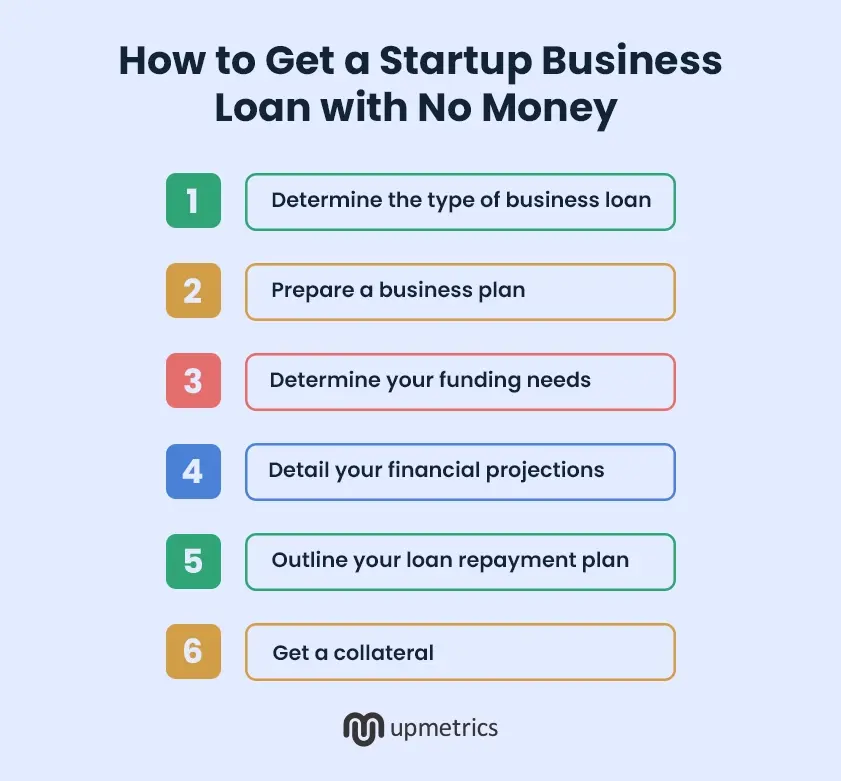
To increase your chances of securing a business loan, you must meticulously prepare and present a compelling case to potential lenders. They are looking for indicators of reliability and a clear path to repayment.
A Solid Business Plan
A well-researched, comprehensive business plan is arguably the single most important document for a startup seeking a loan. It serves as your roadmap and your pitch. It must clearly articulate:
- Executive Summary: A concise overview of your business, its mission, and its potential.
- Company Description: What your business does, its legal structure, and its unique value proposition.
- Market Analysis: In-depth research on your target market, industry trends, competition, and how you differentiate yourself.
- Organization and Management: Details about your team, their experience, and their roles. Lenders invest in people as much as ideas.
- Product or Service Line: A detailed explanation of what you’re offering and its benefits.
- Marketing and Sales Strategy: How you plan to reach customers and generate revenue.
- Financial Projections: Realistic, detailed projections for at least 3-5 years, including income statements, cash flow statements, and balance sheets. This section is critical for demonstrating repayment capacity.
- Funding Request: A clear breakdown of how much money you need and exactly how it will be used.
Strong Personal Credit
In the absence of a business credit history, lenders heavily scrutinize the personal credit score of the founder(s). A strong personal credit score (typically 680+) signals financial responsibility and reliability. Before applying for any loan, review your credit reports from all three major bureaus (Equifax, Experian, TransUnion) and dispute any errors. Pay down personal debts and make payments on time to improve your score.
Collateral and Guarantees
Many startup loans, especially from traditional banks, will require some form of collateral or a personal guarantee.
- Collateral: Assets pledged to secure a loan. If you default, the lender can seize these assets. For startups, this might include equipment, inventory, or accounts receivable. Some loans may accept personal assets like real estate.
- Personal Guarantee: A legally binding promise by the founder(s) to personally repay the loan if the business defaults. This means your personal assets could be at risk, even if the loan is to the business entity. Most startup loans will require a personal guarantee.
Demonstrating Repayment Capacity
Beyond projections, lenders want to see a credible strategy for generating the cash flow necessary to service the debt. This involves:
- Conservative Projections: While optimistic, your financial forecasts must be grounded in reality and supported by market research.
- Revenue Streams: Clearly define all anticipated revenue streams and their viability.
- Cost Management: Show a clear understanding of your operational costs and strategies for efficient management.
- Contingency Plans: Demonstrate that you have thought about potential setbacks and how your business would adapt.
Exploring Common Startup Loan Options
While traditional bank loans can be elusive for new ventures, several other avenues exist that cater specifically to startups.
SBA Loans
The U.S. Small Business Administration (SBA) doesn’t lend money directly, but it guarantees a portion of loans made by approved lenders (banks, credit unions). This guarantee reduces the risk for lenders, making them more willing to lend to startups.
- SBA 7(a) Loan Program: The most common SBA loan, offering flexible terms and a wide range of uses, from working capital to equipment purchases. Loan amounts can go up to $5 million.
- SBA Microloan Program: Provides smaller loans (up to $50,000) through non-profit community-based lenders, often to underserved populations. These are ideal for very early-stage startups needing modest capital.
SBA loans typically have lower interest rates, longer repayment terms, and smaller down payments than conventional loans, but they involve a detailed application process and require strong personal credit.
Microloans
Beyond SBA Microloans, many non-profit organizations and community development financial institutions (CDFIs) offer microloans specifically for small businesses and startups that might not qualify for traditional financing. These loans are typically smaller (under $50,000) and often come with business support services, making them a great resource for nascent entrepreneurs.
Alternative Lenders and Online Platforms
The rise of financial technology (FinTech) has brought forth numerous online lenders that offer more streamlined application processes and faster funding decisions than traditional banks.
- Online Term Loans: Offer lump sums with fixed repayment schedules, similar to traditional loans but with potentially higher interest rates and shorter terms. Some online lenders are more open to lending to businesses with less operating history, often relying on proprietary algorithms to assess risk.
- Merchant Cash Advances (MCAs): While not technically a loan, an MCA provides an upfront sum in exchange for a percentage of future credit card sales. These are extremely high-cost and should generally be avoided unless absolutely necessary for very short-term, urgent needs.
- Invoice Factoring: Selling your unpaid invoices to a third party (a “factor”) at a discount for immediate cash. This is a good option for B2B startups with slow-paying clients, converting receivables into working capital.
These options can be quicker to obtain but often come with higher interest rates and fees, reflecting the increased risk these lenders take on.
Business Credit Cards (with caution)
While not a “loan” in the traditional sense, business credit cards can provide a flexible line of credit for managing day-to-day expenses, especially for very small initial investments. They typically require a personal guarantee and rely heavily on the founder’s personal credit score. Use them judiciously, paying off balances quickly to avoid high interest charges and to build business credit.
Friends, Family, and Personal Loans (Bootstrapping Considerations)
Many startups begin with capital from personal savings, credit cards, or loans from friends and family. While these can be less formal, it’s crucial to treat them with professionalism, establishing clear terms, repayment schedules, and documentation to avoid future misunderstandings. Personal loans can also be a bridge, but remember they tie your personal finances directly to your business.
The Application Process: Navigating the Details
Once you’ve identified potential lenders and loan types, the application process demands thoroughness and attention to detail.
Gathering Essential Documents
Prepare a comprehensive package of documents that lenders will require. This typically includes:
- Your detailed business plan.
- Personal and business tax returns (if applicable).
- Personal and business bank statements.
- Legal documents: business registration, licenses, permits.
- Articles of incorporation/organization.
- Financial projections.
- Resumes of key management personnel.
- Personal financial statements (for founders).
- Proof of collateral (if applicable).
Crafting Your Pitch
Even with a strong business plan, you may need to articulate your vision and repayment strategy clearly to loan officers. Be prepared to explain your market, your competitive advantage, and your financial forecasts confidently. Demonstrate your passion and commitment, but always back it up with data and realistic expectations.
Due Diligence and Comparison
Don’t settle for the first offer. Research multiple lenders and compare their loan terms, interest rates, fees, repayment schedules, and any collateral requirements. Understand the total cost of the loan and how it fits into your startup’s financial model. Read all loan agreements carefully before signing.
Beyond the Loan: Building Financial Health for Your Startup
Securing a business loan is a significant milestone, but it’s just the beginning of your financial journey. Responsible financial management is key to ensuring the loan serves its purpose and propels your business forward sustainably.
Managing Cash Flow Effectively
A well-managed cash flow is vital for any startup, especially after taking on debt. Monitor your inflows and outflows meticulously, create detailed cash flow projections, and manage your working capital efficiently. Ensure you have enough liquidity to cover operating expenses and loan repayments without strain.

Reinvesting Profits Strategically
As your startup generates revenue and potentially profits, consider how to reinvest these funds strategically. This could mean paying down debt faster, investing in growth initiatives, building up a cash reserve, or purchasing essential equipment. Wise reinvestment strengthens your business’s financial foundation, reducing future reliance on external financing and improving your overall financial health.
Obtaining a business loan for a startup requires foresight, meticulous planning, and a deep understanding of the financial ecosystem. By demonstrating a solid business concept, a robust financial plan, and personal financial responsibility, entrepreneurs can unlock the capital needed to turn their innovative ideas into thriving enterprises.
aViewFromTheCave is a participant in the Amazon Services LLC Associates Program, an affiliate advertising program designed to provide a means for sites to earn advertising fees by advertising and linking to Amazon.com. Amazon, the Amazon logo, AmazonSupply, and the AmazonSupply logo are trademarks of Amazon.com, Inc. or its affiliates. As an Amazon Associate we earn affiliate commissions from qualifying purchases.